Garden Beds For Vegetables
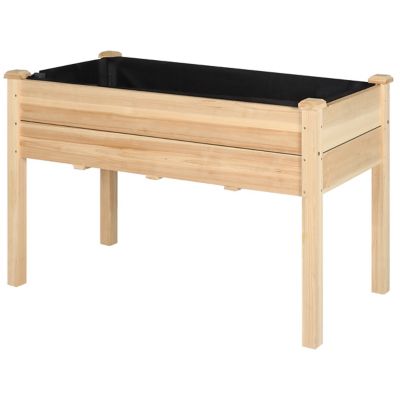
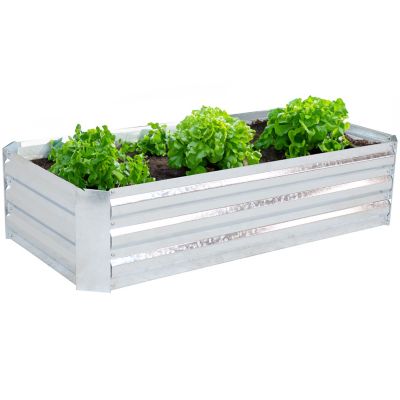
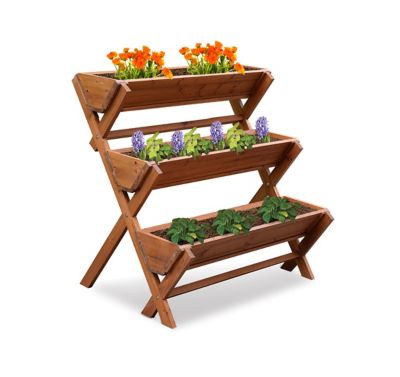
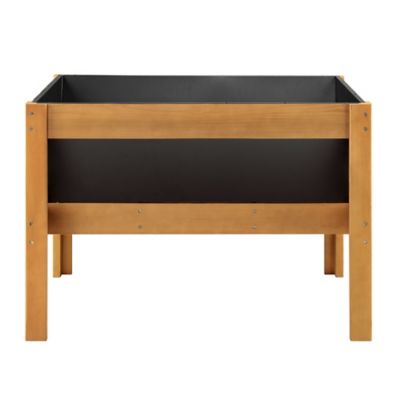
Find garden beds for vegetables that fit your growing space and planting plans. As you browse, consider bed dimensions, soil depth and room to reach your plants for watering, weeding and harvest. Match your vegetable garden layout to the space you have, leaving clear paths between beds for everyday tending.

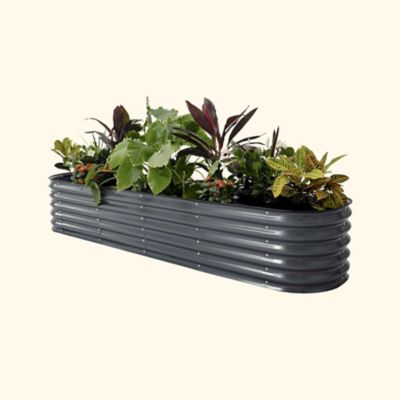
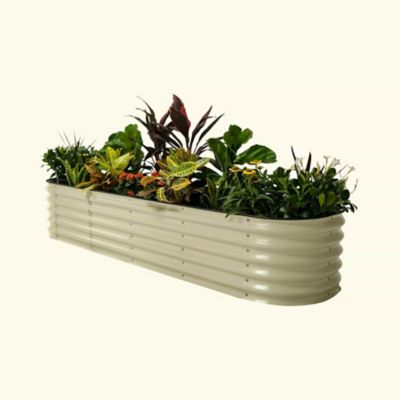
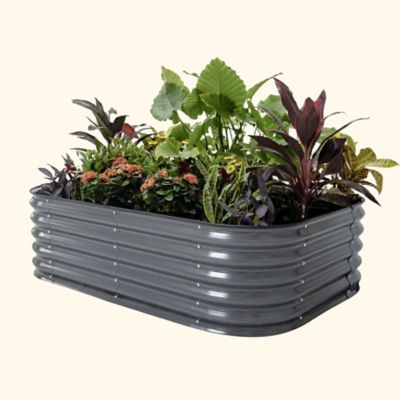
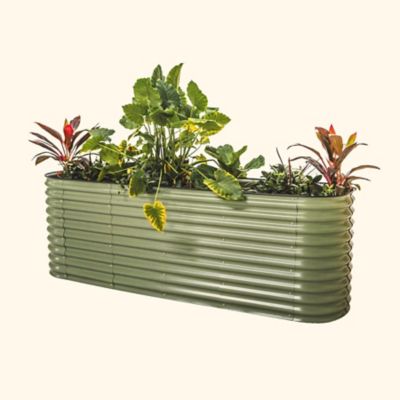

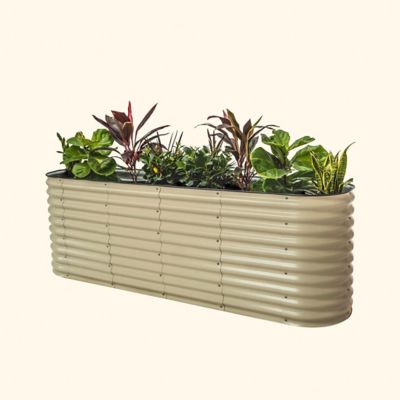
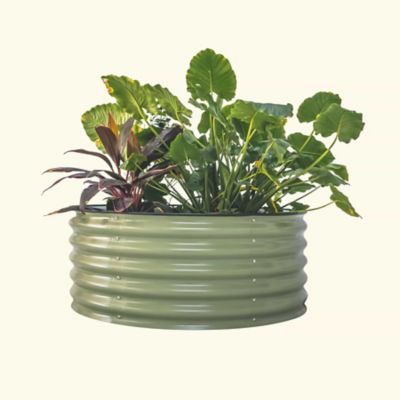
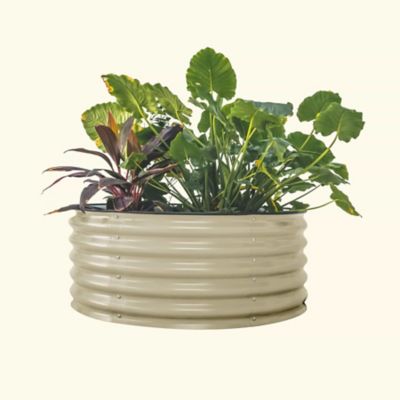
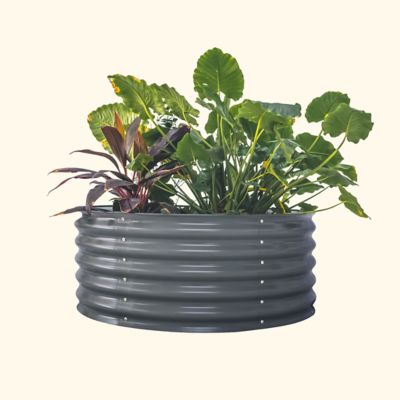
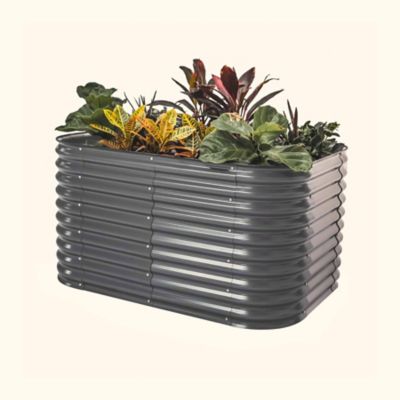
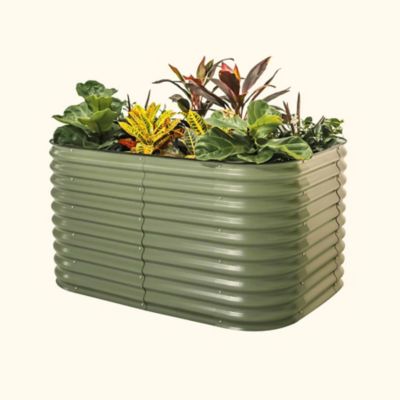
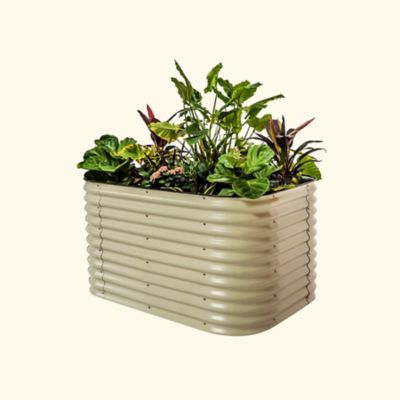
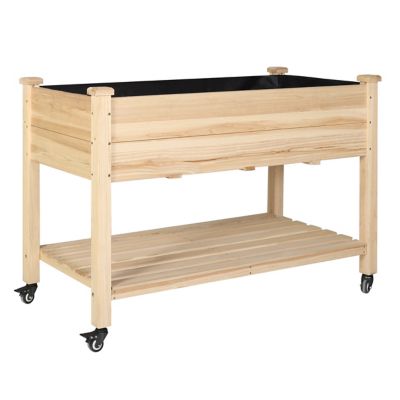
$79
.99
Sale Was $114.99 Save $35.00 (30%)
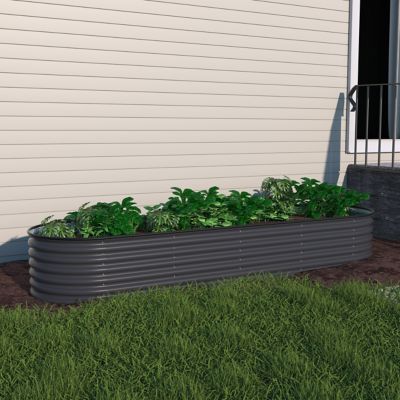
$74
.99
Sale Was $99.99 Save $25.00 (25%)
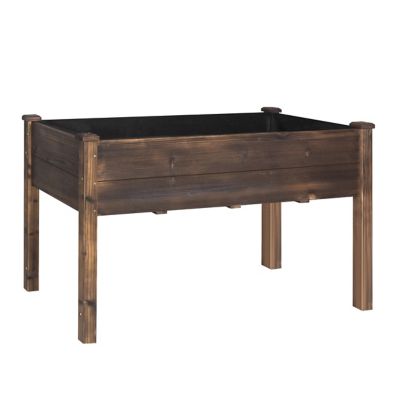
$67
.99
Sale Was $79.99 Save $12.00 (15%)
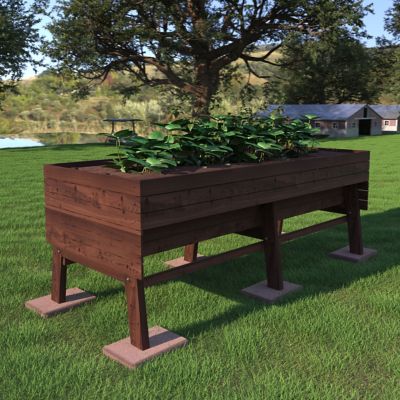
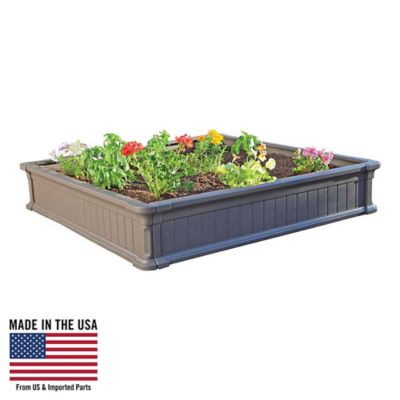
$79
.99
Sale Was $87.99 Save $8.00 (9%)
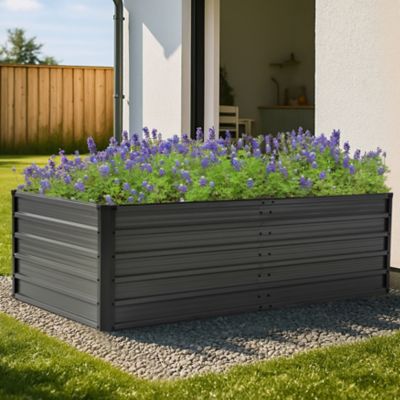
$50
.99
Sale Was $79.99 Save $29.00 (36%)
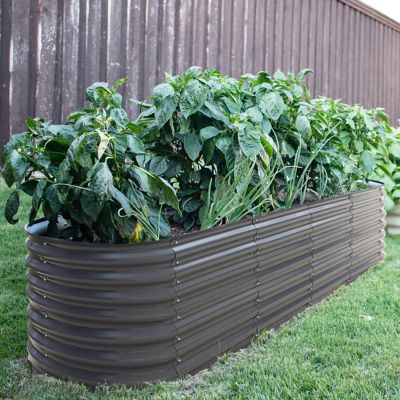
$94
.99
Sale Was $109.99 Save $15.00 (14%)
Best Of FAQ
What's the difference between raised vegetable garden beds and in-ground beds?
Raised beds hold soil above the surrounding ground, either in a frame or a mound. In-ground beds are planting areas worked right into your yard's existing soil.
What vegetables can I plant in a garden bed?
Lettuce, carrots, radishes, beans, peppers and tomatoes are common choices for vegetable garden beds. Pick crops you enjoy eating, then check seed packets or plant tags for their growing season and planting requirements.
What soil should I put in a vegetable garden bed?
For raised beds, look for a soil blend labeled for raised-bed gardening. For in-ground beds, start with your existing soil and get a soil test to help guide amendments. Compost is a common addition to either type of bed.
When should I get vegetable garden beds ready for planting?
Get beds ready before your area's planting season, once the soil is workable rather than frozen or waterlogged. Planting dates depend on your local frost calendar and the crops you choose. Your county extension office is a handy source for local schedules.
How do I tidy up vegetable garden beds at the end of the season?
Gather the last harvest, pull spent annual plants and weeds, and remove plant ties and seasonal supports. Clean your tools before putting them away, and jot down what you planted so you have a record for next season.
Best Sellers
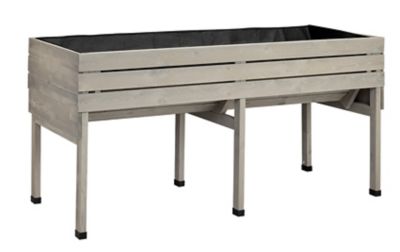
-
"LOVE! I have had other raised bed gardens but these Veikous boxes are the best"
-
"very easy to put together - looks great in my garden - I bought two and am very pleased with the quality"
-
"The absolute best for herbs and small plants! Absolutely love my planter"
-
"I think the raised bed will work best for me since I use a walker to get around"
-
"Best raised bed so far. Used for potatoes this summer worked great"