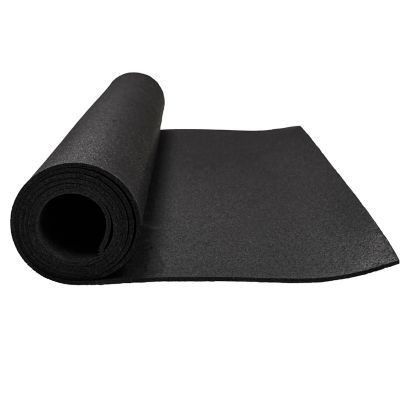
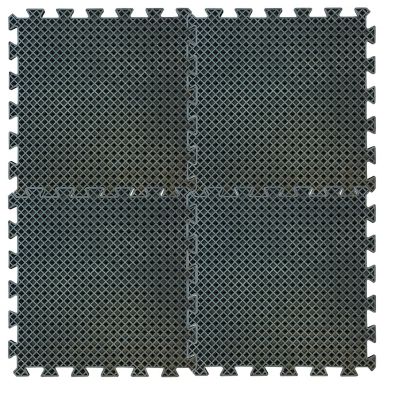
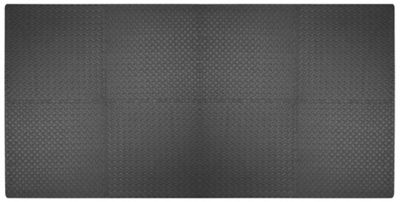
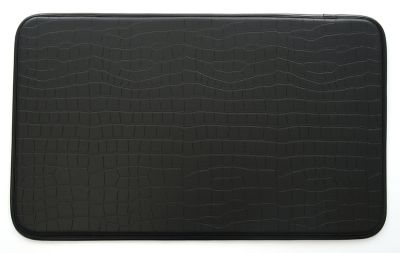
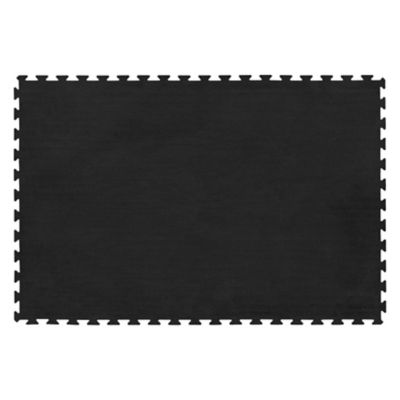
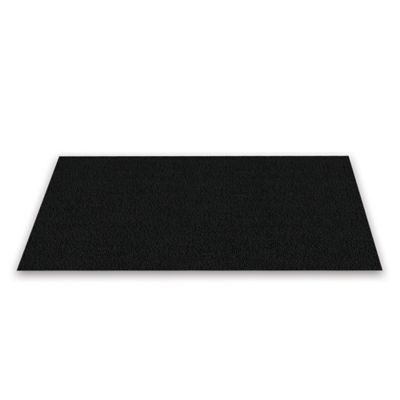
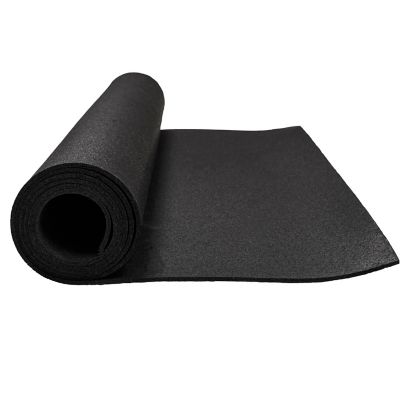
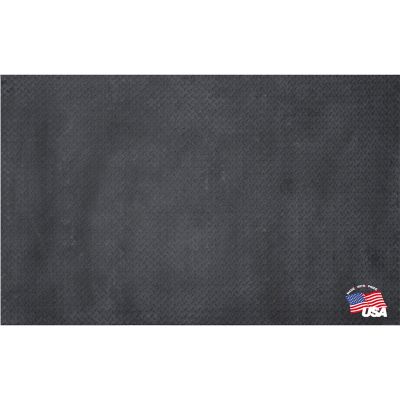
Anti-fatigue mats for garage workbenches provide a cushioned standing surface over hard concrete and can help ease foot, leg, and lower-back discomfort during long stretches at the bench. Whether the job involves sorting fasteners, rebuilding a mower carburetor, or filing a rough edge off a bracket, a little give underfoot can make time in the garage more comfortable. These mats are meant for standing workstations, where someone spends more time in one spot than walking around. Their cushioning compresses under body weight while providing support for small shifts in stance. That balance matters: a mat that feels soft at first touch may not offer enough support through a lengthy repair, while an overly firm surface may provide little relief from the floor beneath it. Thickness is only part of the picture. Material density, construction, and how much the mat compresses all affect its feel. A 3/4-inch mat, for example, may feel quite different from another mat of the same thickness if their materials differ. More thickness does not automatically mean more comfort, especially when it creates an awkward step at the edge or lets boots sink too far into the surface. A supportive mat should allow a steady stance while reaching for a wrench, leaning into a vise, or shifting between tasks. Work boots, body weight, and the length of a typical project all influence what feels right underfoot. For folks who handle equipment repairs, woodworking, small-engine maintenance, or everyday fix-it jobs, the most useful cushioning suits both the work and the way they stand. Anti-fatigue mats add comfort to the standing area, but they do not replace supportive footwear, sensible bench height, or a break from staying in one position. Keeping frequently reached-for tools close by also helps reduce the twisting and stretching that can make a long repair feel longer. Together, a well-arranged bench and a supportive floor surface make the workspace easier to settle into without getting in the way of the job.
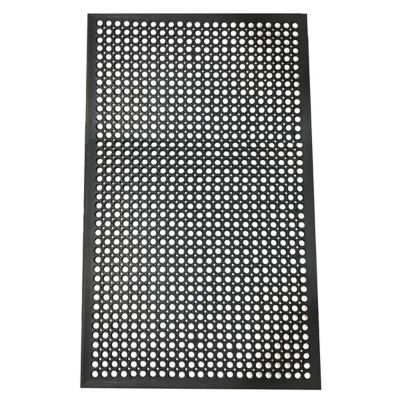
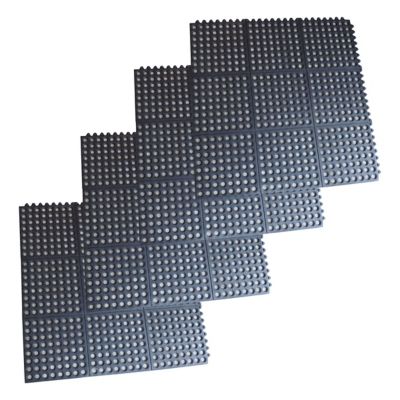
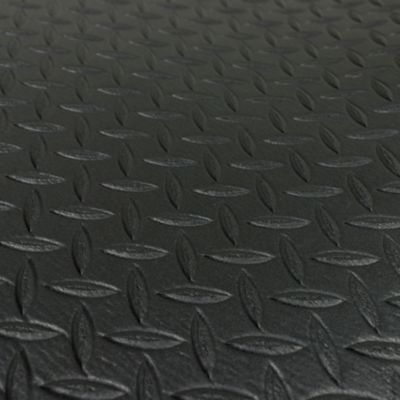
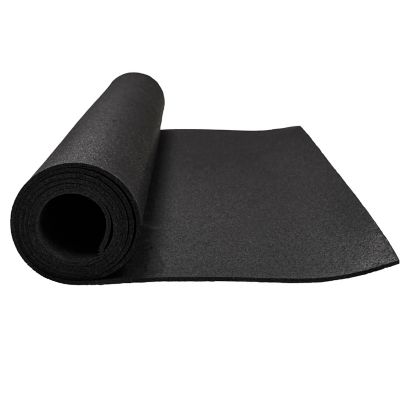
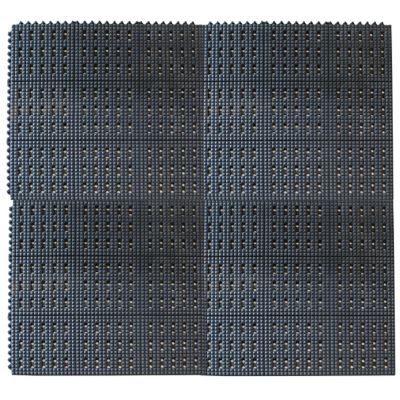
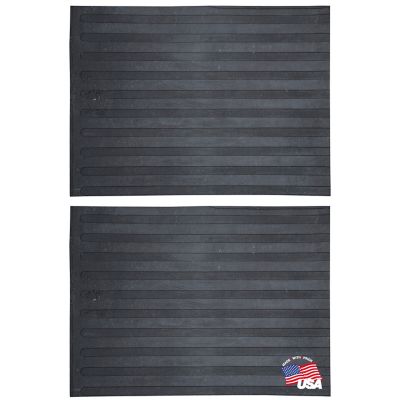
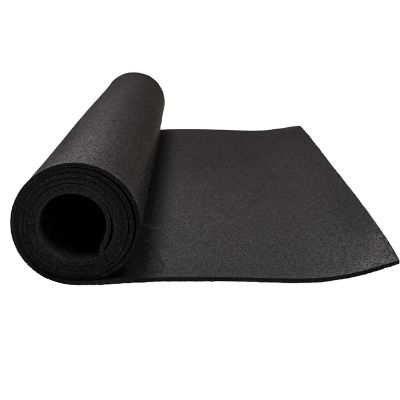
Materials make a big difference in how anti-fatigue workbench mats handle garage messes and repeated foot traffic. Rubber, vinyl, polyurethane, and other foam constructions offer different combinations of cushioning, weight, surface grip, and resistance to wear. Closed-cell foam has a structure that limits moisture absorption compared with open-cell foam, though seams, surface damage, and the mat’s outer covering can still affect how it handles spills. Rubber constructions often offer a firm feel and good resistance to abrasion, but not every rubber compound tolerates petroleum-based fluids. For a bench where greasy engine parts or oily tools regularly land nearby, a stated oil-resistance rating matters more than the material name alone. Water resistance, oil resistance, and chemical resistance are separate properties; a mat suitable for damp boots is not automatically suited to brake cleaner, fuel, or strong solvents. Manufacturer care information and exposure limits help establish where a mat belongs. Surface texture matters, too. Raised patterns can add grip under work boots, while a textured underside can help limit movement against a compatible floor. Neither feature makes spills harmless, and loose sawdust, metal filings, and grease can interfere with traction. Solid surfaces can keep small screws and washers from disappearing into openings, while drainage-style surfaces let certain liquids and debris pass through where the floor setup allows it. Those openings also mean the space underneath needs attention. Beveled edges create a gentler transition between the mat and the surrounding floor and can reduce the chance of catching a toe, though clear walkways remain important. Corners that lie flat and a base that stays put are worth as much attention as the cushion itself. Around grinding, welding, or other spark-producing work, ordinary foam or vinyl should not be assumed suitable. Heat, hot metal, and sharp scrap call for materials specifically rated for that exposure, with separate protection where the task requires it. The best match is a mat whose stated purpose lines up with what actually happens at the bench, not simply one that feels pleasant for a moment.
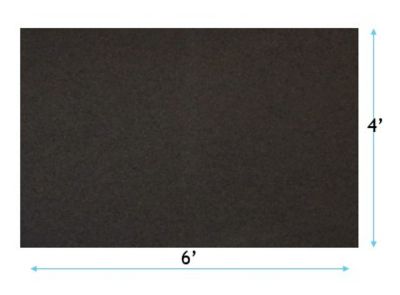
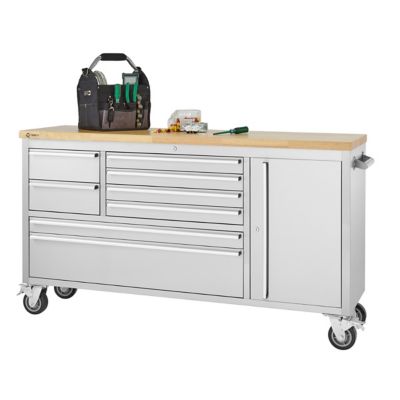
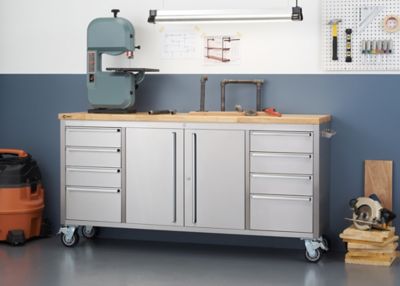
Fit brings all those material details into the layout of the garage. A workbench mat needs enough front-to-back depth for a natural stance and enough width to cover the positions where most standing happens. A compact standing area may suit a single work station, while a longer bench may benefit from a runner or connecting sections intended to fit together. Too little coverage leaves one foot on concrete when reaching toward the vise; too much can put raised edges in the path of a rolling tool chest or a chair. Door swing, cabinet clearance, and the route between the bench and the garage entrance all affect placement. Drawer access deserves a look as well, since a comfortable standing spot works best when tools and small parts stay within easy reach. Pairing a suitable mat with
Garage Workbenches With Drawers can help bring storage and standing comfort into the same workspace without scattering supplies across the floor. On uneven concrete, a mat should not serve as a patch for a hole or a way to hide a damaged surface. A clean, sound floor gives the backing a better place to rest and makes shifting easier to spot. Day-to-day care is usually about keeping grit from collecting on top and underneath, then following the cleaning directions for the particular material. Sweeping away chips and wiping up spills promptly help protect the surface and preserve traction. Harsh cleaners, pressure washing, soaking, and direct sunlight may affect some constructions, so cleaning methods should match the mat’s care requirements. Periodic attention to curling edges, splits, compressed areas, and movement helps show when a mat no longer sits or supports as it should. A well-fitting anti-fatigue mat earns its place through ordinary jobs: sharpening hand tools, laying out hardware for a fence repair, or getting a stubborn engine part back together. The goal is straightforward—steady footing, useful cushioning, and a bench area that stays practical from the first task to the last bit of cleanup.