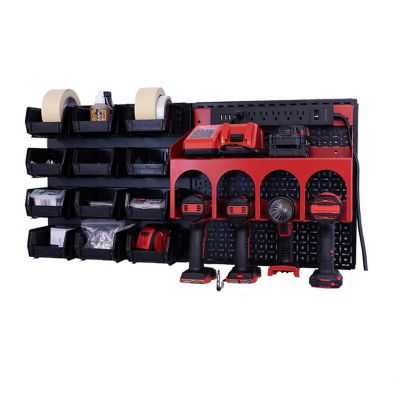
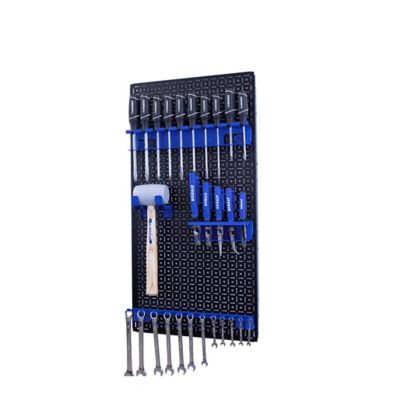
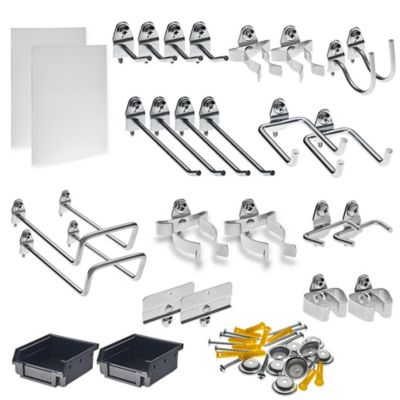
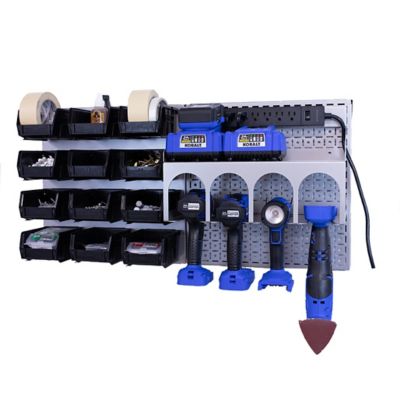
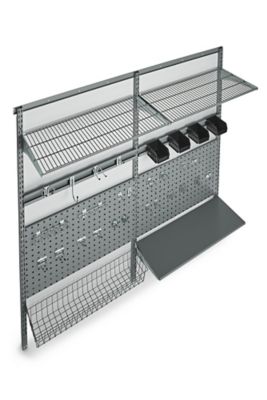
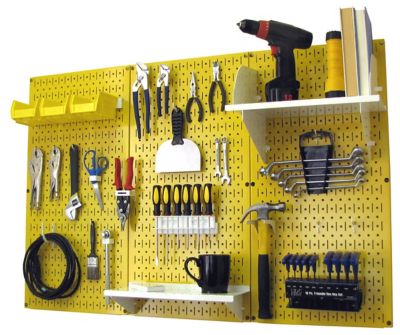
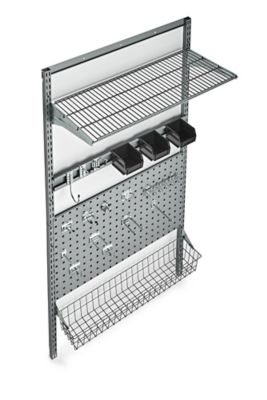
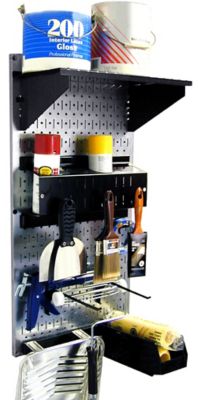
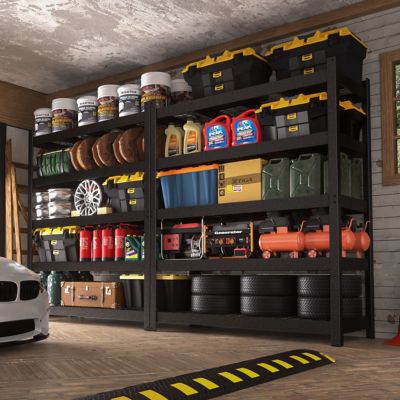
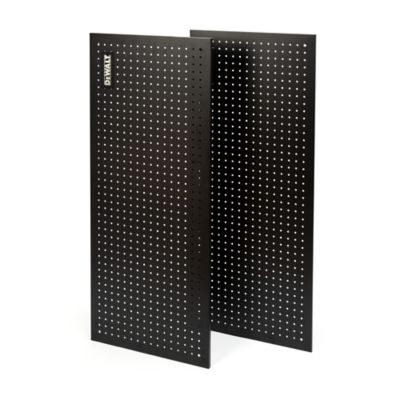
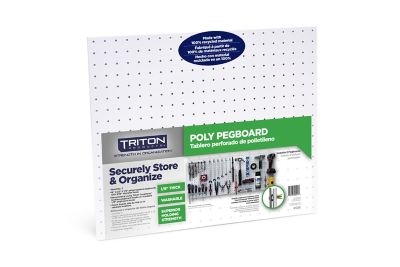
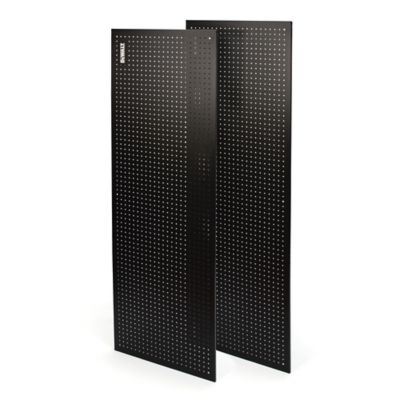
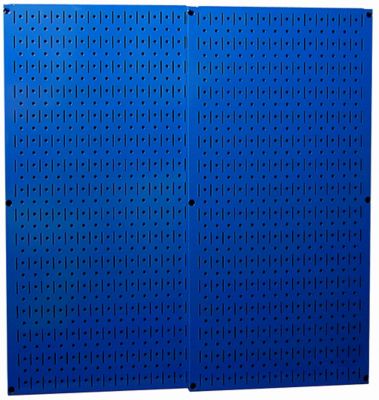
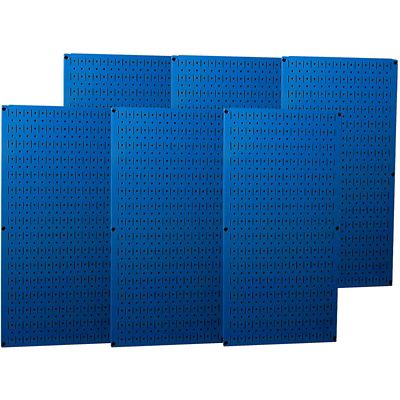
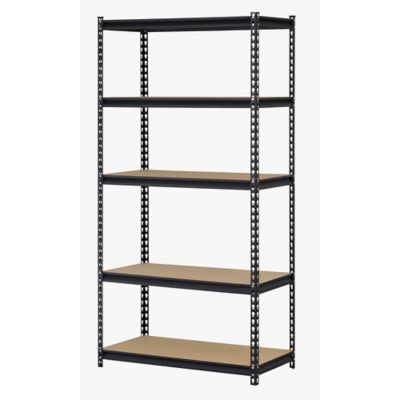
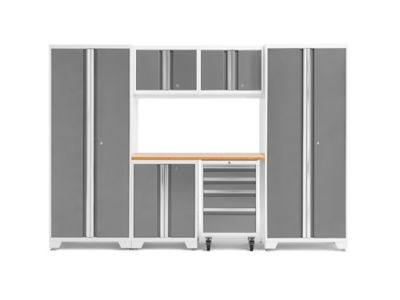
Garage wall storage systems turn open wall space into a place for tools, supplies, and gear that would otherwise crowd a workbench or spread across the floor. In a garage that serves as both a parking spot and a place to get work done, that extra room matters. A clear path beside the truck makes it easier to carry in a feed sack, roll out a mower, or bring a toolbox over to a repair job. These systems generally fall into four groups: slatwall panels, track and rail systems, pegboards, and wall-mounted shelving. Slatwall has horizontal grooves that accept compatible hooks, baskets, and shelf brackets, creating storage across a broad section of wall. Track and rail systems concentrate hanging space along mounted strips, with attachments that can often move as storage needs change. Pegboards have a pattern of holes for compatible hooks and holders, making them a practical fit for visible, easy-to-reach hand tool storage. Wall-mounted shelving provides a flat surface for containers and equipment that do not hang neatly from a hook. Each style serves a different purpose, and a garage can benefit from more than one. A panel above the workbench can keep frequently reached-for tools in view, while a rail beside the garage entrance can hold long-handled yard tools away from the walking path. Shelves can take care of labeled containers, leaving the bench open for the next project. For folks maintaining acreage, tending a garden, fixing equipment, or simply trying to park without squeezing past a pile of gear, wall storage gives everyday belongings a defined home. The best fit depends less on covering every inch of wall and more on matching the storage surface to what it needs to hold. A narrow section beside a doorway may need only a few well-spaced hooks, while a full workshop wall can support a broader arrangement of panels, shelves, and holders.
Materials, mounting requirements, and attachment fit all affect how a garage wall storage system performs over time. Steel rails, brackets, and panels offer strength for demanding storage tasks, although the load rating depends on the complete assembly rather than the material alone. Powder-coated finishes help protect metal surfaces, while scratches and exposed edges deserve attention during routine cleaning. Plastic panels can offer a smooth, wipeable surface, and wood-based pegboard can suit lighter tool arrangements when installed with the required support and clearance behind the board. Panel thickness, bracket design, and the spacing between mounting points can matter as much as appearance. Compatibility is another important distinction: hooks that fit one slatwall profile or rail may not fit another, and pegboard accessories need to match the board’s hole size and spacing. A secure attachment should sit as intended without rocking or pulling loose when a tool is lifted away. Weight capacity also needs a close look. A rating may apply to a single hook, one shelf, a bracket pair, a section of rail, or an entire installation, so those figures are not interchangeable. Concentrated weight can place different demands on a shelf than an evenly spread load. Wall construction is part of that picture, too. Many systems require fastening into wood studs or properly prepared masonry, with hardware suited to the surface and the manufacturer’s directions. Drywall by itself is not a substitute for the structural support a loaded system requires. For containers, cases, and gear that need a level resting place,
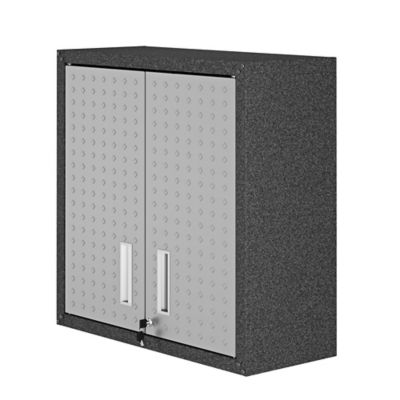
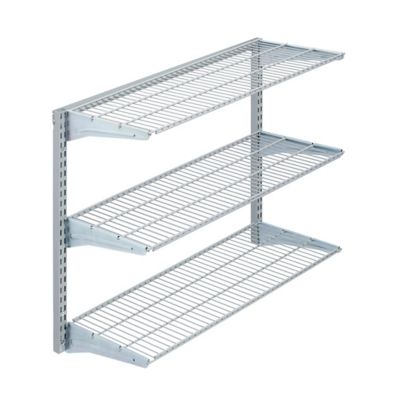
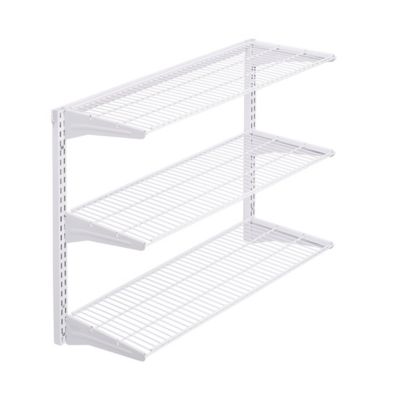
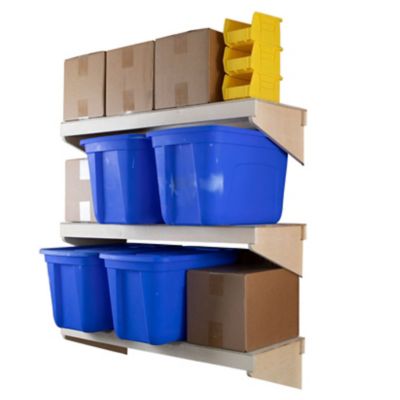
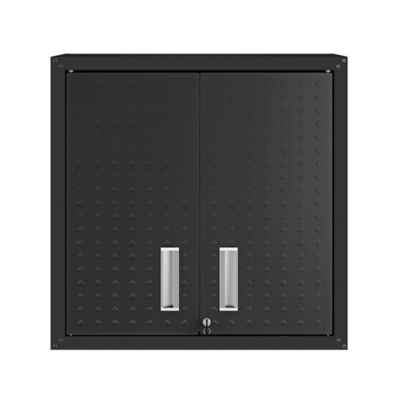
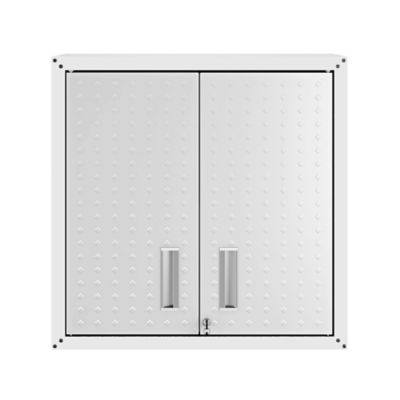
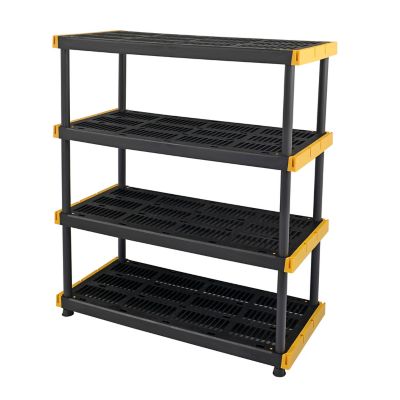
garage wall storage shelves provide another way to put vertical space to work. Shelf depth should fit the container base without extending so far into the garage that it interferes with parking or movement. Enough clearance above each shelf allows a lid to open or a container to slide out without scraping the shelf above it. Those small fit details make a noticeable difference when hands are full and there is a job waiting.
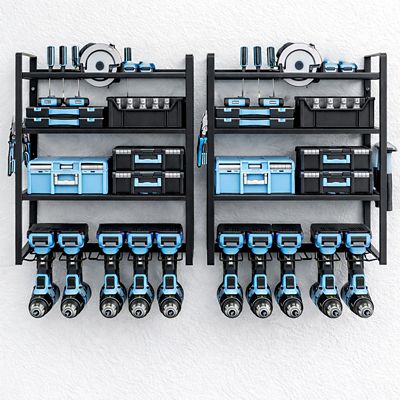
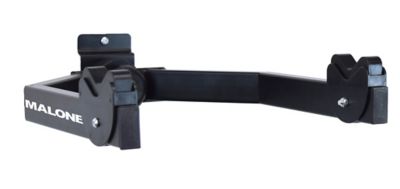
A useful garage storage layout accounts for the way people move through the space, not just the dimensions of an empty wall. The swing of a vehicle door, the travel of an overhead garage door, and access to outlets or electrical panels can all limit where storage belongs. Deep baskets and projecting hooks need room beyond the wall surface, especially along the route between a parked vehicle and the house door. Around a workbench, shallow holders can keep the working area open while making tool shapes easy to spot at a glance. Long-handled tools need enough spacing that one can come off the wall without knocking its neighbor loose. Cradles and paired hooks can support awkward shapes better than a single narrow contact point, provided the attachment is designed and rated for that load. Coated contact surfaces can help limit scratches on handles and equipment, while retaining clips or locking attachments can help keep holders seated during everyday handling. Heavier belongings generally belong at manageable lifting heights on storage rated for them, rather than overhead where reaching and lowering become difficult. Sharp tools and potentially hazardous supplies call for storage that accounts for children and pets; an open wall rack does not replace a secured cabinet when restricted access is needed. For shared garages, clearly grouped storage makes it easier for everyone to return things to the same spot. Garden tools can stay together near the exit, with repair supplies closer to the bench and less frequently needed gear farther from the main work area. Care is usually straightforward but varies by material: wiping away dust, cleaning spills promptly, and checking brackets, fasteners, and contact points helps keep the setup ready for work. Loose connections, bent hooks, or damaged panels need attention before more weight goes on them. With room to reach, lift, and move around, garage wall storage supports the everyday work of keeping a home, shop, or small farm running without letting the garage floor become the catchall.