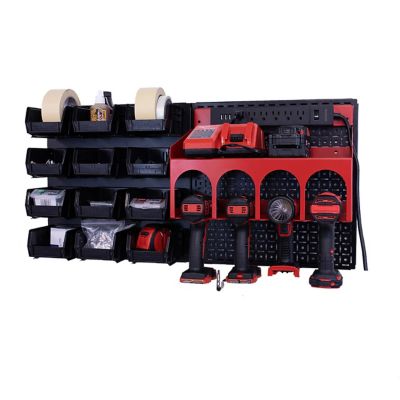
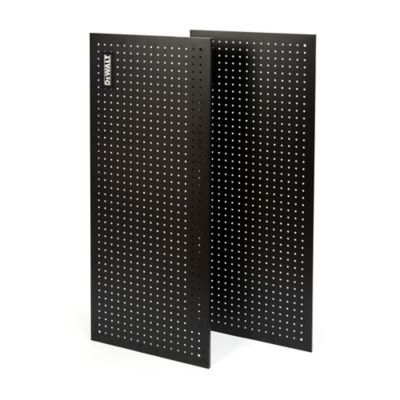
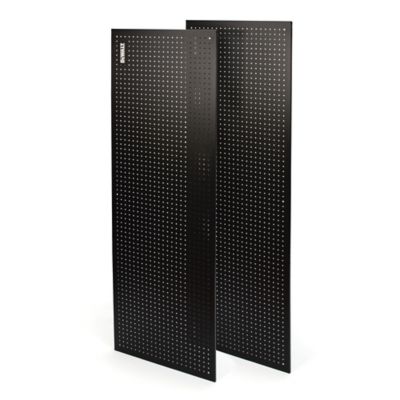
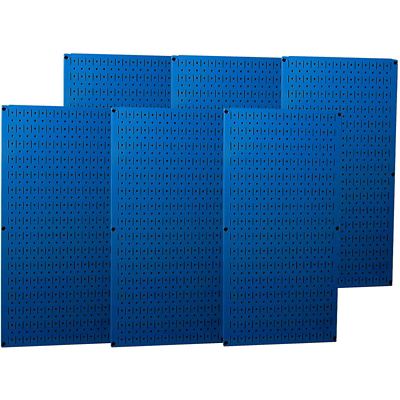
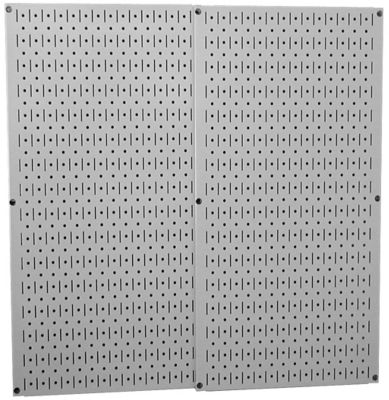
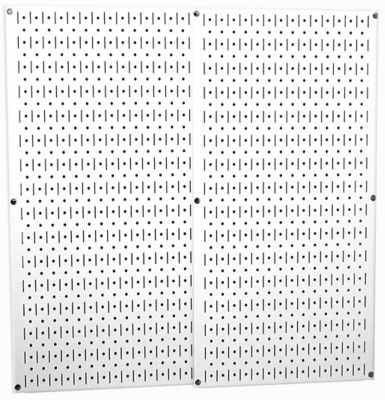
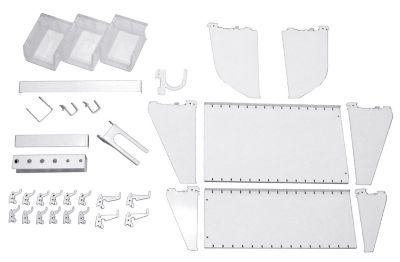
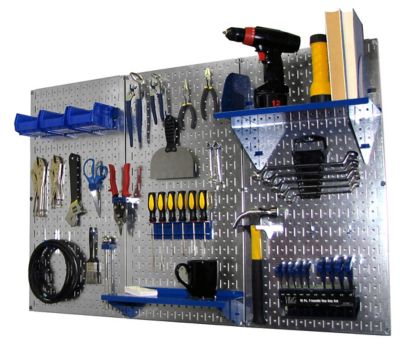
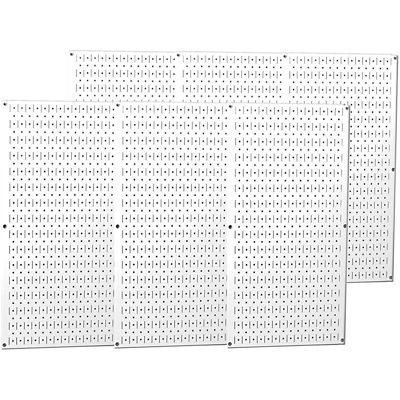
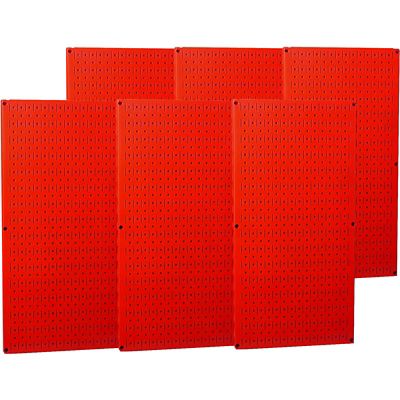
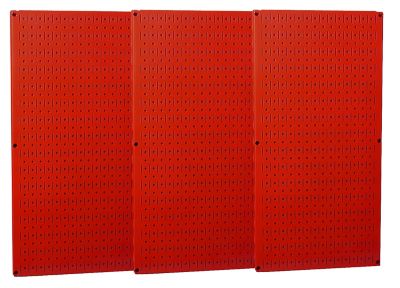
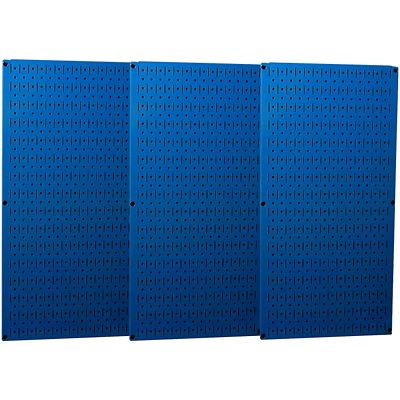
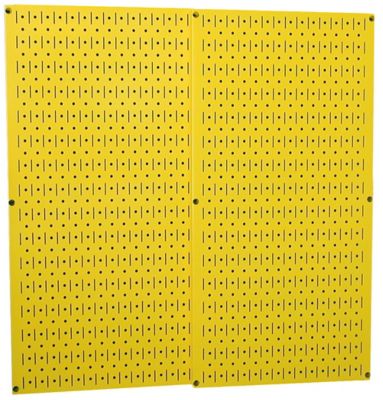
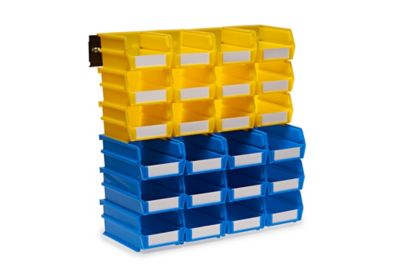
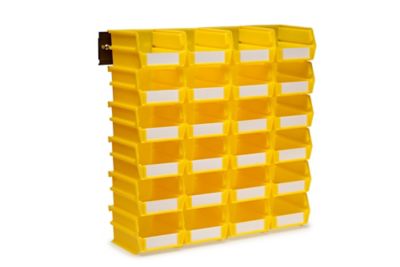
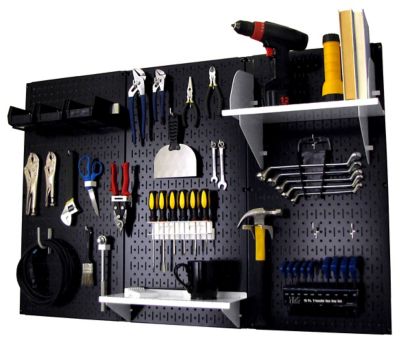
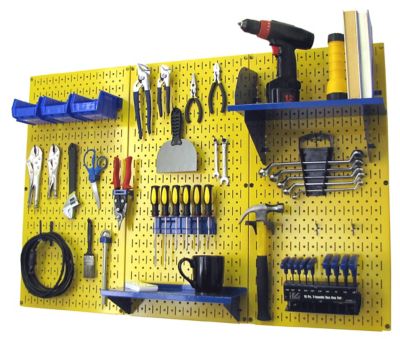
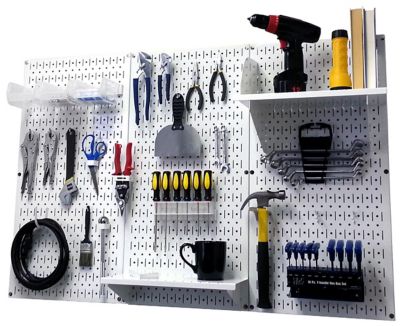
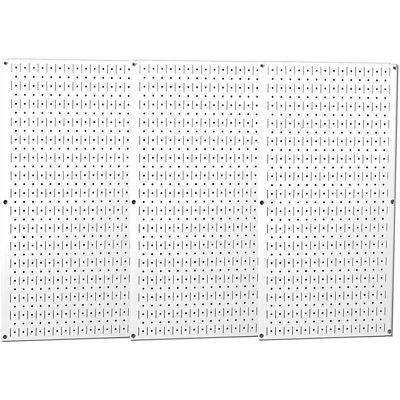
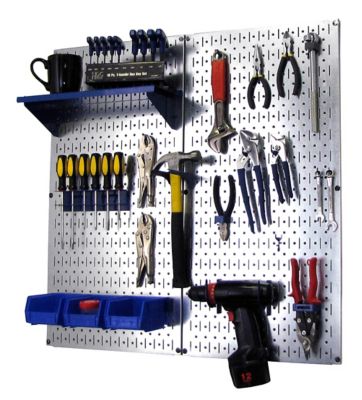
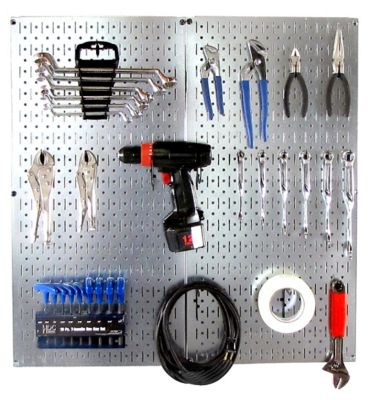
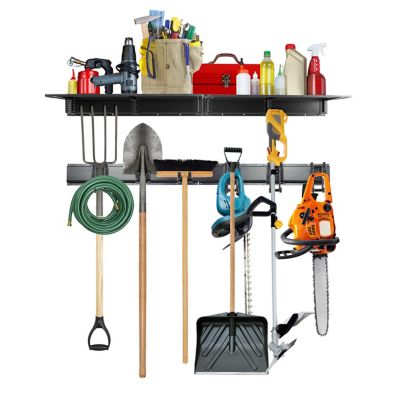
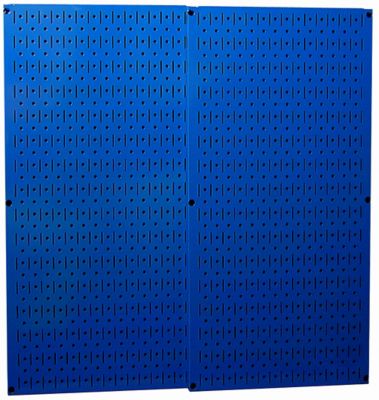
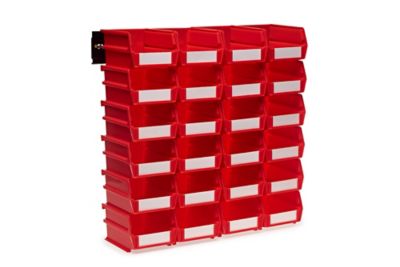
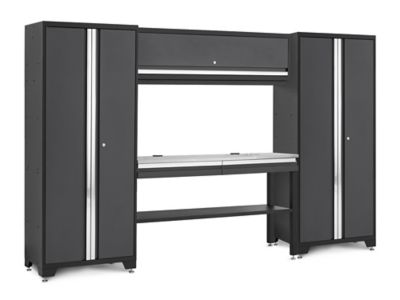
Garage wall storage panels give tools and everyday gear a place to land without taking up another stretch of floor. In a garage that doubles as a workshop, equipment bay and catchall for household projects, that open floor space matters. Getting a coil of air hose off the concrete can clear the way around a workbench, while keeping frequently reached-for tools on the wall can cut down on digging through drawers. Panels create a working surface for compatible hooks, holders, baskets and shelves, bringing storage closer to where the work happens. Some feature rows of holes for pegboard attachments; others have horizontal channels or slots that hold accessories made for that panel style. Those differences affect what fits, how attachments move and how the finished setup handles a mix of gear. A small section above a bench can keep measuring and layout tools within reach, while a wider arrangement can give separate spots to shop supplies, outdoor equipment and cleanup gear. For folks who maintain acreage, work on equipment or tackle repairs at home, a wall with a clear place for each tool makes it easier to get started and put things away afterward. Panels can also help shared garages work better. A clearly arranged wall lets another person find the right attachment or return a tool without sorting through a crowded cabinet. The appeal is practical rather than fancy: visible storage, less clutter underfoot and a layout that suits the jobs happening in that space. There is still room for closed cabinets and drawers, especially for small parts or supplies that need protection from dust. Wall panels fill a different role, keeping selected gear in plain sight and making good use of vertical space that might otherwise sit empty. Their value comes from matching the panel layout to the work area, not simply covering every open inch of wall.
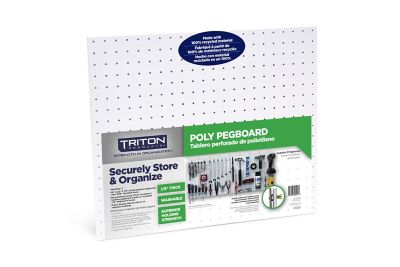
Material and construction make a difference in how garage wall storage panels look, feel and stand up to everyday handling. Metal panels often suit busy work areas, though their load limits depend on the panel design, mounting hardware and supporting wall. A painted or powder-coated finish can help protect the surface, but scratches and exposed edges still deserve attention. Plastic and PVC panels offer surfaces that are generally easy to wipe down, with strength and chemical resistance varying by formulation and construction. Wood-based panels, including some pegboard and slatwall designs, bring another set of considerations, such as edge condition, panel thickness and protection from excess moisture. No material alone tells the whole story. The weight rating for the complete installation matters more than appearance, and a hook, shelf or bracket may have a lower limit than the panel holding it. A long tool hanging from one point places a different demand on the wall than several lighter tools spread across multiple attachments. Panel dimensions matter, too. Width and height determine coverage, while depth affects how far the setup projects into the room once accessories are attached. In a narrow parking bay, even a modest shelf can interfere with an opening vehicle door or the path beside a truck. Above a workbench, the right fit leaves enough room for the tools and tasks below without placing everyday gear beyond comfortable reach. Outlets, switches, garage door tracks and existing cabinets all shape the space a panel can occupy. Attachment compatibility deserves just as much attention as measurements. Similar-looking slots or holes do not guarantee that accessories will fit securely, and some panel designs require components from the same system. Comparing garage wall storage panels with broader
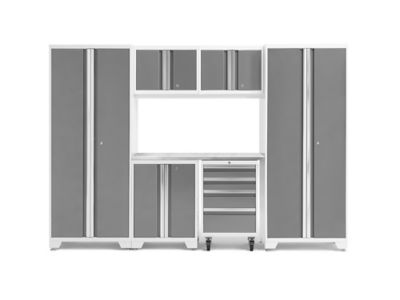
garage wall storage systems can help put the panel itself in context with the rails, mounting pieces and accessories that make up a complete arrangement. That connection matters when expanding an existing setup or planning storage across more than one wall.
A good panel arrangement reflects the way a garage actually gets worked in. Someone servicing lawn equipment may want maintenance tools near the bench and longer gear farther from the parking area. A woodworker may prefer measuring tools at eye level, with clamps grouped where they are easy to lift free. For a household sharing garage space, separate sections can keep hobby supplies from crowding the tools needed for routine repairs. Flexible attachment layouts make it possible to adjust those zones as equipment and routines change, provided each accessory remains compatible and within its stated load limit. Reach and clearance matter as much as the number of things a wall can hold. Heavier gear belongs where it can be handled safely, not overhead simply because there is an open spot. Sharp tools and anything unsafe for children need appropriate protection or secure storage rather than an exposed place on a panel. Wall construction is another part of the fit: drywall, exposed framing and masonry call for different mounting approaches, and installation needs to follow the panel manufacturer's directions for fasteners, supports and spacing. Open storage also brings a little upkeep. Dust can settle on ledges and attachments, while grit and oily residue can transfer from shop tools to panel surfaces. Care suited to the material helps keep the wall tidy without damaging coatings or finishes; harsh solvents and abrasive cleaners may not be appropriate. Periodic checks for loose mounting points, bent attachments, cracked sections or worn edges help catch trouble before more weight goes on the wall. Panels can make a practical gift for a home mechanic, property owner or anyone setting up a first workshop, especially when wall measurements and accessory preferences are already known. Whether the space holds a busy repair bench or just the tools for weekend chores, the right garage wall storage panels support a straightforward goal: keeping gear organized, reachable and out of the way of the next job.