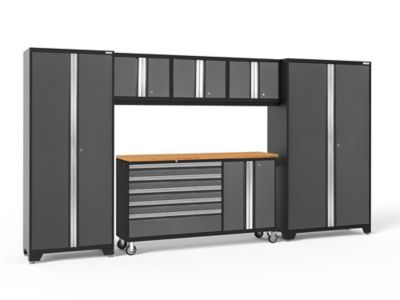
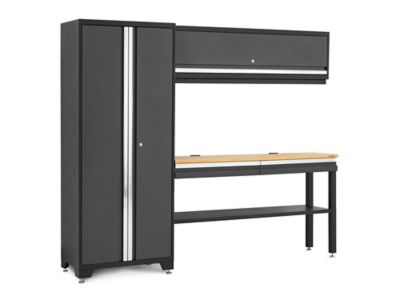
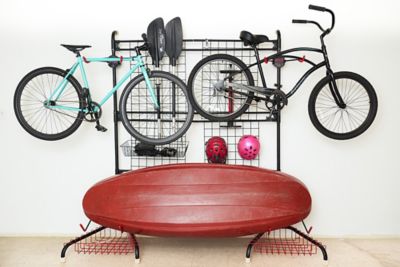
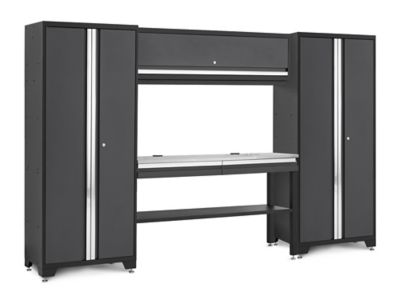
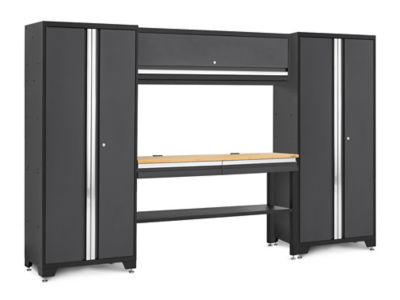
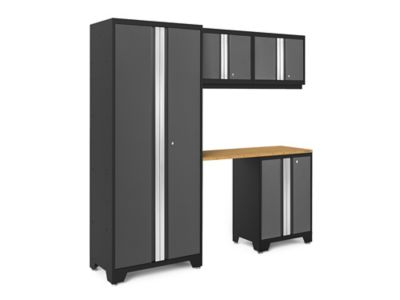
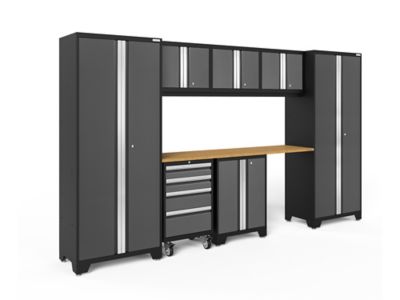
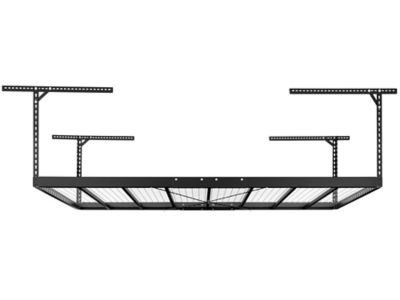
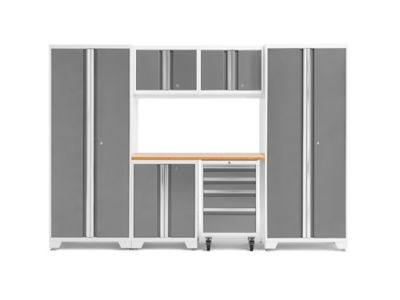
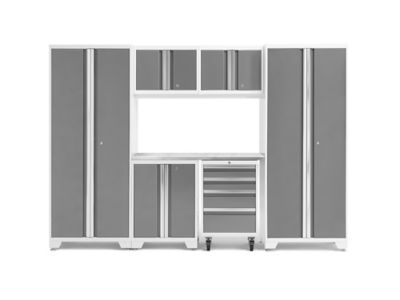
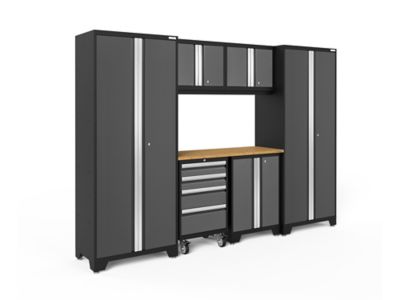
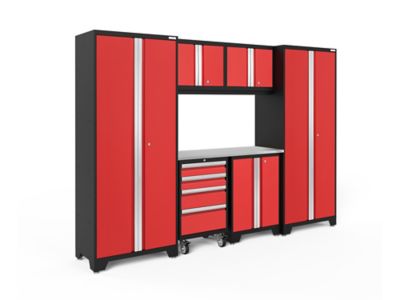
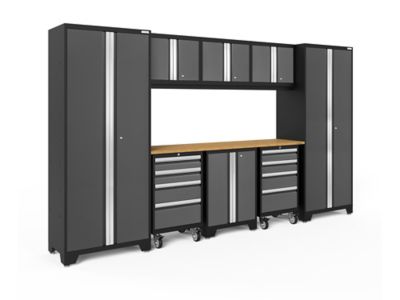
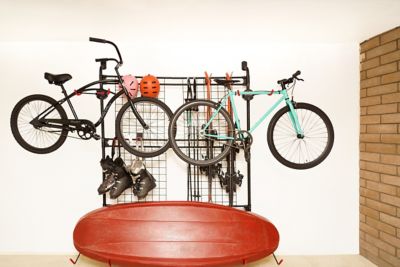
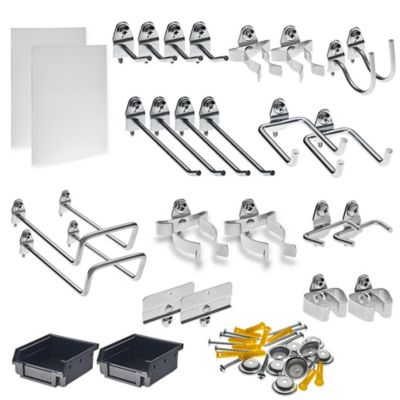
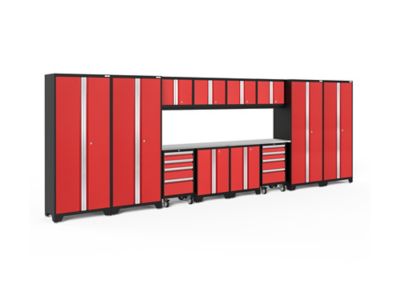
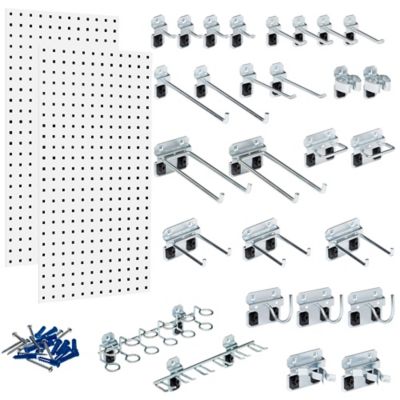
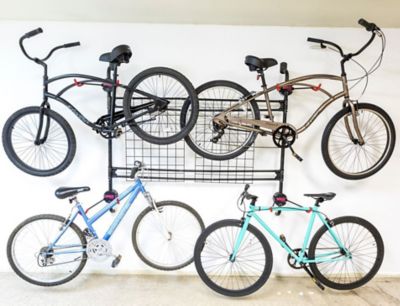
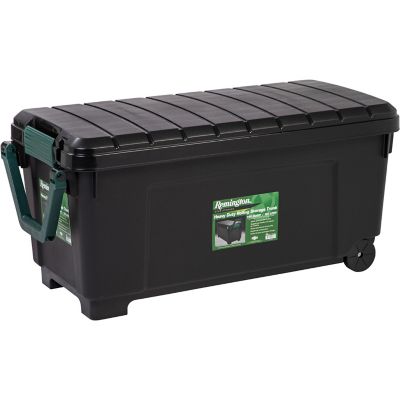
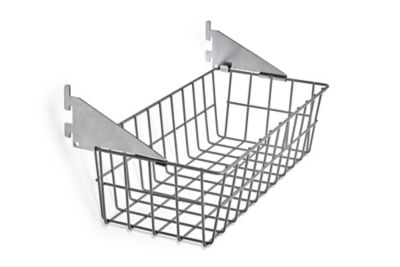
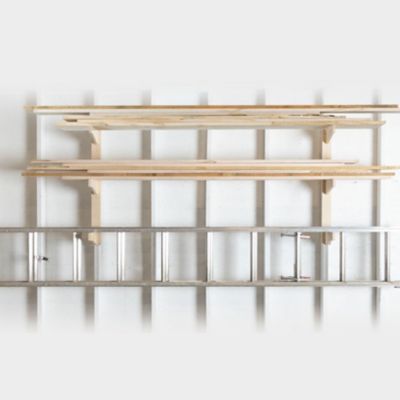
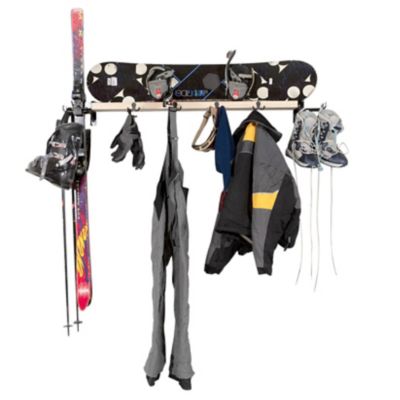
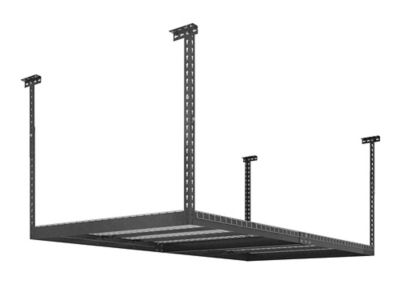
Garage organizers for sports equipment give balls, bats, helmets, rackets, and golf bags a place to land without taking over the parking space or workbench. A good setup keeps gear together, makes the next practice easier to get out the door for, and leaves room for the other jobs a garage handles. Storage options range from open baskets and ball racks to shelving, hanging hooks, and freestanding organizers with several types of compartments. Each serves a different purpose: a deep bin contains loose balls, a divided rack separates long equipment, and a broad shelf supports bags that need a flat resting place. Open fronts make it easier to spot a missing glove or grab the right basketball without unloading everything else. For families juggling school sports, driveway games, and trips to the ball field, separate spaces for each activity can keep one person’s gear from getting tangled up with another’s. Coaches and households with several players may benefit from larger compartments, while a smaller arrangement can handle a few rackets, helmets, and a ball bag. Fit matters as much as overall size. A rack may fit along the wall but still need extra clearance to lift out a bat or pull a golf bag forward. Basket openings should hold the smallest balls meant for that space, and shelves need enough depth to support bags without leaving them hanging over the edge. Adjustable shelves, movable hooks, and divided compartments offer flexibility as children grow or sports change. That flexibility is handy when a little league bag gives way to a larger equipment bag, or when a second player joins the household. The best match is an organizer shaped around the equipment that comes home after practice, not simply one that fills an empty stretch of wall. Keeping everyday gear within easy reach also makes putting it away a smaller chore.
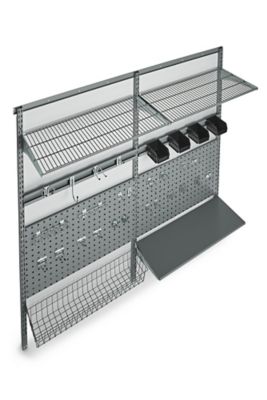
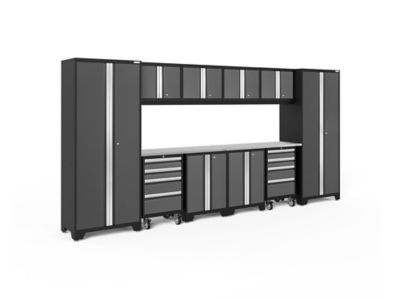
Materials and construction help determine how a sports equipment organizer fits into a working garage. Steel frames and wire baskets can support a mix of gear while keeping contents visible, and coated metal surfaces offer a layer of protection against scuffs and contact with damp equipment. Molded plastic compartments are generally easy to wipe down, while wood shelving provides a broad surface for bags, bins, and equipment that benefits from flat support. Edges, joints, and contact points deserve attention, especially where a racket frame, helmet, or golf club might rest against the organizer. Smooth finishes and padded contact areas can help limit rubbing, though protective sports gear still needs storage that follows its manufacturer’s recommendations. Weight ratings matter, too. A limit listed for an entire rack is not necessarily the limit for one shelf, basket, or hook, and a heavy equipment bag puts different demands on storage than a handful of tennis balls. Wall-mounted organizers depend on proper attachment to the wall structure, with mounting hardware suited to the surface and the expected load. For garages with room to spread equipment along a wall,
Garage Wall Storage Systems can provide a foundation for arranging hooks, baskets, and shelves around the space. Freestanding storage offers another approach where wall space is limited or the layout needs more flexibility. A stable base and any manufacturer-required anchoring are important, particularly around children who may tug on a basket while reaching for a ball. Taller storage can make good use of vertical space, but clearance still matters around garage doors, tracks, outlets, and walking paths. Equipment should come off the rack without bumping a vehicle or forcing someone to squeeze past a sharp handle. Storage works best when the full footprint includes both the organizer and the room needed to reach into it.
Day-to-day care is usually straightforward, but the way equipment goes into storage makes a difference. Grass clippings, field dirt, and grit can collect in basket corners and beneath bags, so accessible surfaces and removable compartments make cleanup less of a fuss. Wire sections allow visibility and airflow, while solid trays can help contain loose dirt from footwear or small accessories. Neither replaces letting sweaty gear dry before it gets packed tightly away. Gloves, pads, and fabric bags need care suited to their materials, and an organizer should leave enough breathing room that damp equipment is not pressed into a crowded pile. Wiping surfaces, checking for loose fasteners, and looking over coatings for chips help keep the storage area ready for regular use. Layout has just as much to do with everyday convenience as the material itself. Heavy bags belong where they can be lifted comfortably, while frequently grabbed balls and protective gear benefit from reachable compartments. Children are more likely to put things back when their space is easy to see and does not require climbing. A small basket near a larger bag compartment can corral wrist guards, ball pumps, and other accessories that tend to disappear into the bottom of a gear bag. Long equipment needs support that keeps it from tipping into a walkway, and rolling storage needs a resting spot where it will not drift into the path of a vehicle. In a garage that also holds tools, feed, or lawn equipment, a clearly defined sports area helps keep recreation gear separate from the rest of the work. There is no need for every compartment to be filled; a little open space makes room for the bag that comes home fuller than it left. With sensible sizing and a layout that suits the household, garage sports storage can make the whole routine feel less scattered, from unloading after practice to finding the right gear before the next game.