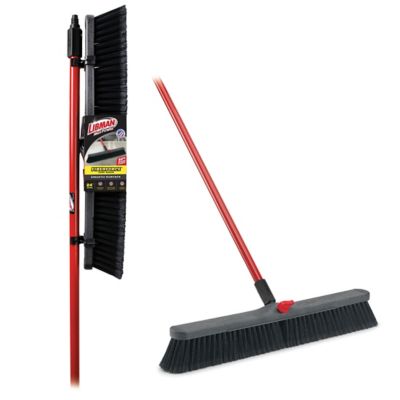
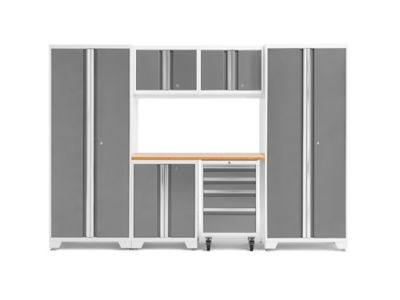
Garage cleaning supplies include push brooms, dustpans, wet/dry vacuums, cleaners and degreasers, stiff scrub brushes, floor squeegees, and absorbent shop towels. Each category handles a different part of the mess, from loose dirt around the truck tires to greasy footprints beside the workbench. A garage that doubles as a mower shed or repair space often collects several kinds of debris on the same floor: grass clippings, sawdust, gravel, and the fine grit that settles under shelving. Matching cleaning supplies to those materials helps keep ordinary upkeep manageable without treating every mess the same way. Handle length, head width, and bristle stiffness are useful starting points when comparing
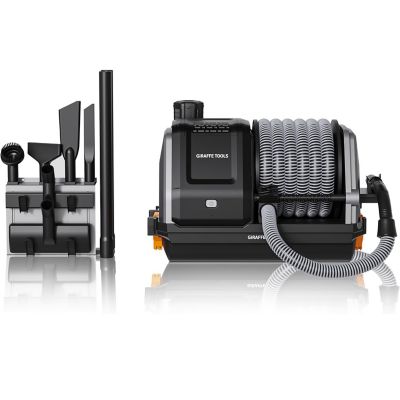
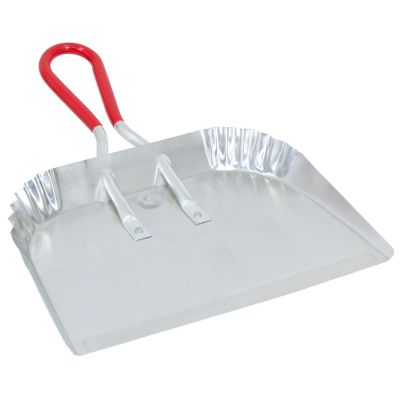
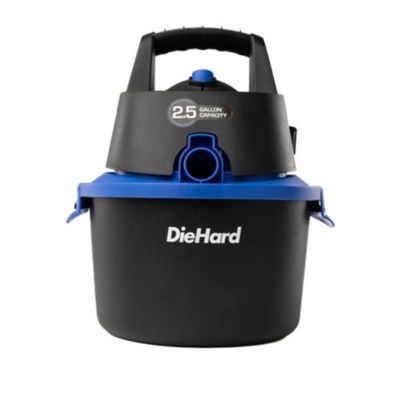
Garage Brooms. Stiff bristles suit rough concrete and heavier debris, while finer bristles gather smaller particles on smoother surfaces. A broad broom head covers an open parking bay with fewer passes; a narrower head fits more easily between storage cabinets and bench legs. Synthetic bristles are worth considering where damp debris or occasional contact with cleaning solutions is part of the job, provided the materials are compatible. Dustpans with a close-fitting floor edge help collect fine grit rather than leaving a line behind. For corners, vehicle interiors, and the space beneath stationary equipment, wet/dry vacuums offer a different kind of reach. Hose diameter, attachment shape, collection capacity, and filter requirements all affect how well a vacuum fits the work. A narrow crevice attachment reaches along shelf bases, while a wider floor attachment covers clear space more efficiently. Wet pickup requires the collection setup specified by the manufacturer, which may differ from the setup for dry debris. Ordinary shop vacuums are not appropriate for gasoline, solvents, hot ash, or combustible dust. Fine concrete dust also calls for equipment and filtration rated for that material, rather than a general-purpose vacuum selected only for its tank size.
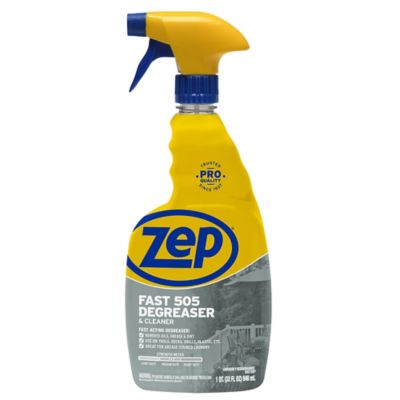
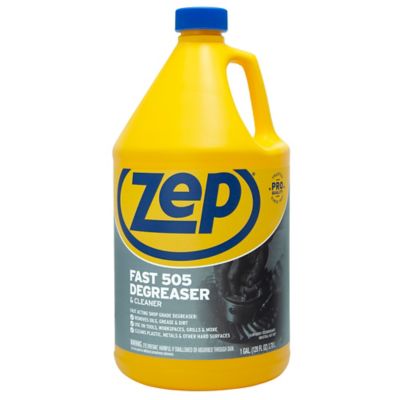
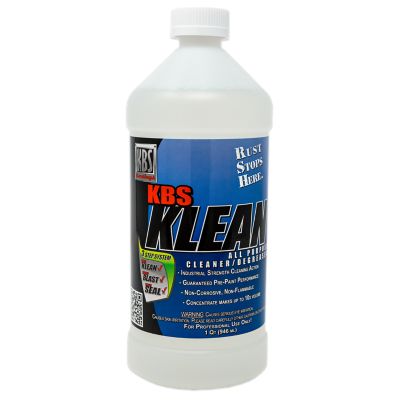
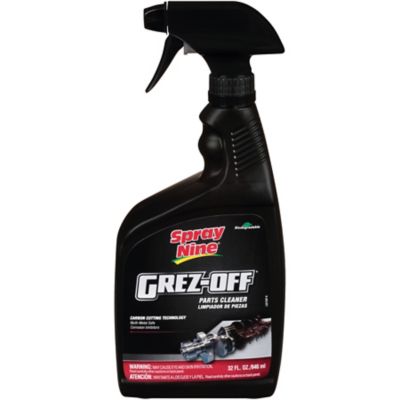
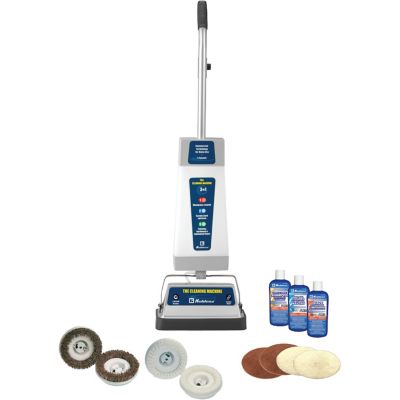
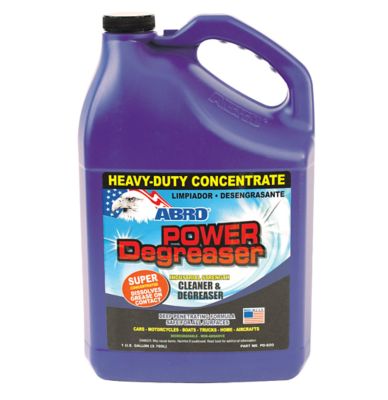
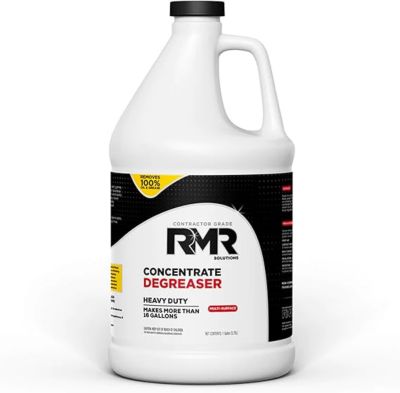
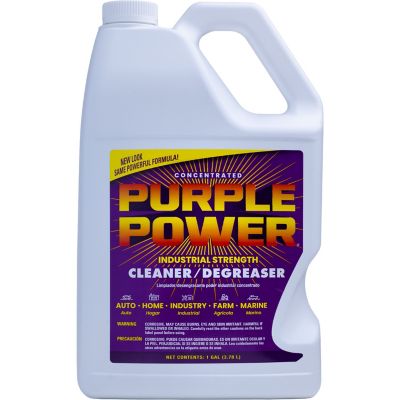
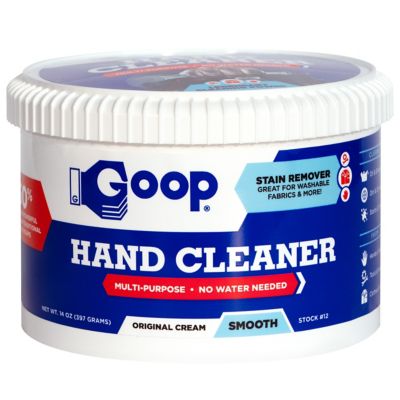
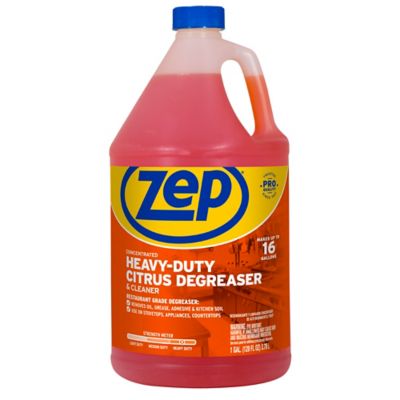
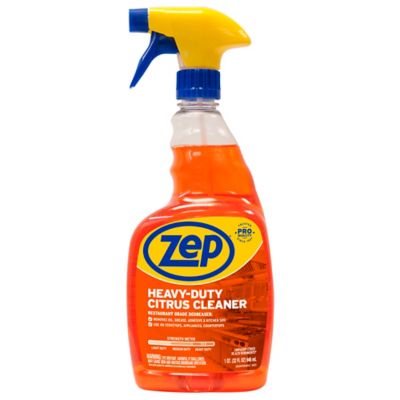
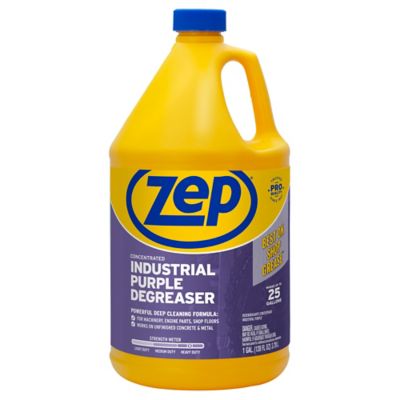
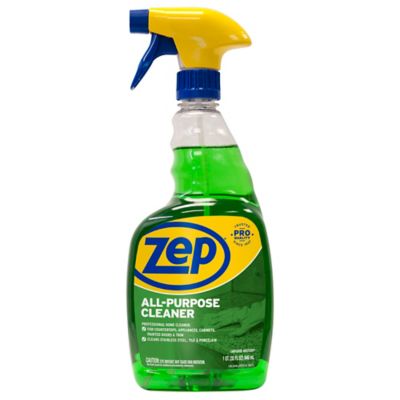
Cleaners and degreasers address the film and spots that sweeping leaves behind, but the floor finish matters as much as the mess. Bare concrete, sealed concrete, painted floors, and coated garage floors can have different cleaning requirements. A formula intended for unfinished concrete may not suit a painted surface, rubber mat, or nearby aluminum part. Product labeling should identify compatible surfaces, dilution requirements, contact time, and whether rinsing is necessary. Concentrates call for careful measuring, while ready-to-use formulas eliminate mixing for the tasks listed on their labels. Degreasers are generally meant for oily residue, greasy fingerprints, and grime around repair areas; general floor cleaners suit everyday dirt when their labels permit that surface. Neither category guarantees removal of an old oil mark that has soaked deep into porous concrete. Fresh spills and long-set stains present different jobs, and heavily stained areas may retain discoloration even after the surface residue is gone. Absorbent granules and pads serve another purpose by containing and collecting liquid before it spreads farther across the floor. Their suitability depends on the spilled material, so an absorbent intended for one kind of liquid should not automatically be treated as a match for every garage spill. Scrub brushes provide agitation where a cleaner alone cannot loosen stubborn residue. Stiff synthetic bristles suit many concrete-cleaning tasks, while less aggressive bristles may be a better match for finishes that scratch easily. Wire bristles can mark coatings or softer materials, making surface compatibility especially important. A long-handled brush offers reach across a parking space, and a compact hand brush fits around bench feet and along floor edges. For any cleaning chemical, a small, out-of-the-way test area helps reveal an unwanted change in color or finish. Label directions also govern ventilation and protective gear. Mixing cleaning chemicals can create hazardous reactions, and stronger mixtures are not automatically better at lifting grease.
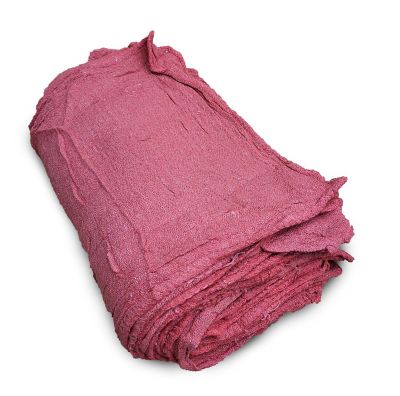
Shop towels, wiping cloths, and squeegees round out a garage cleaning setup by handling residue and moisture after the loose dirt is gone. Microfiber cloths trap fine dust and suit many smooth surfaces, while cotton shop towels provide absorbency for everyday wiping around a workbench. Cloths reserved for oily work help keep grease away from towels intended for cleaner surfaces. For washable cloths, care directions matter: fabric softener can interfere with microfiber performance, and heavily contaminated towels may require special handling rather than a routine laundry cycle. Disposable wiping materials have a place where contamination makes laundering unsuitable, though disposal depends on the substance they contain. A floor squeegee moves wash water across a compatible surface toward an approved collection point. Blade material, flexibility, and width affect contact with the floor; a flexible blade can follow minor irregularities, while a wide head works best where there is room to move. Rough or uneven concrete may leave pockets of water that need additional attention. Oil, solvents, and chemical wash water do not belong in storm drains, on the ground, or in a household drain without confirmation that disposal is permitted. Local waste-handling rules determine the proper destination for contaminated absorbents and cleaning liquids. Fit and upkeep matter across the whole cleaning setup, too. A handle that reaches comfortably helps limit stooping, and a grip that stays secure in work gloves makes a difference during a longer scrub. Replaceable heads, blades, and handles can extend service life when compatible parts are specified. Brushes and broom heads benefit from storage that keeps their bristles from bending under weight, while clean, dry storage helps protect metal connections from corrosion. Cleaning chemicals belong in their labeled containers, separate from feed, food, and areas accessible to children or animals. For folks maintaining a home garage, a small-engine workspace, or a farm equipment bay, the right assortment is one that fits the floor, the mess, and the room available to work.