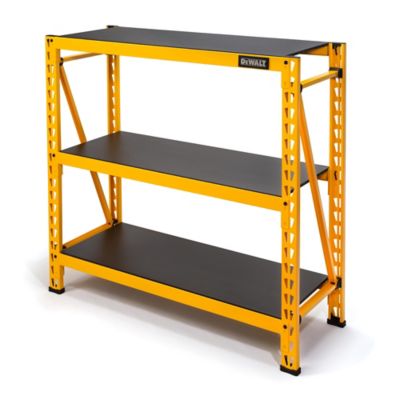
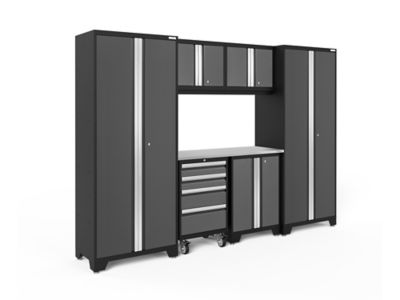
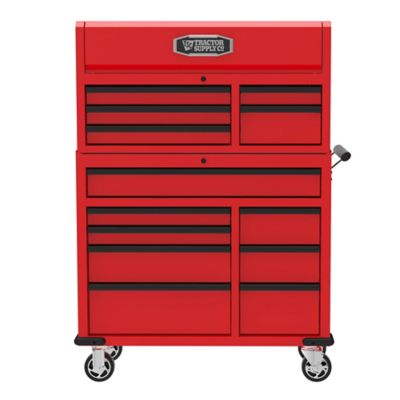
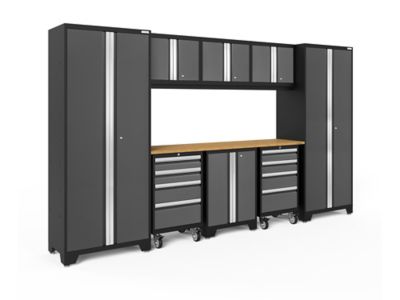
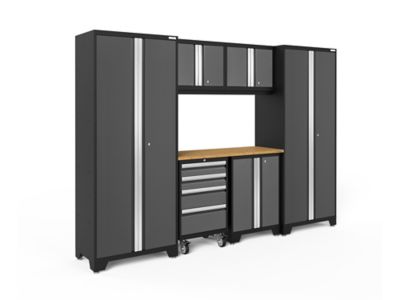
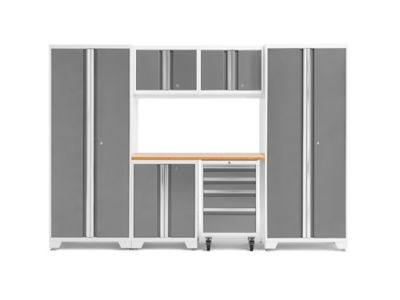
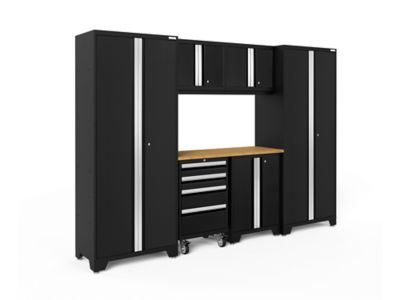
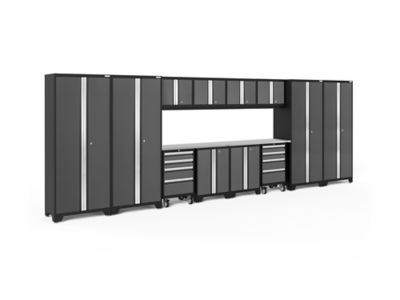
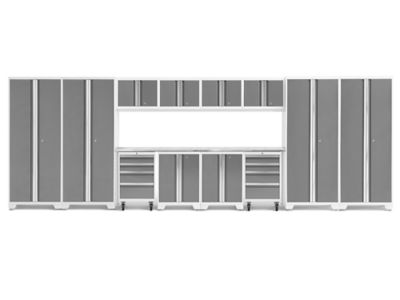
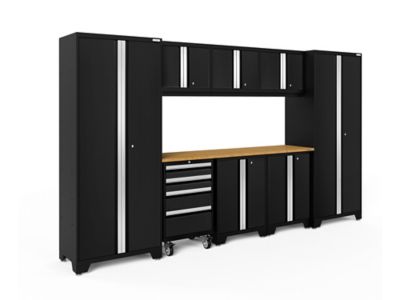
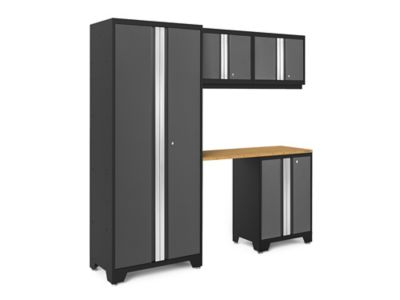
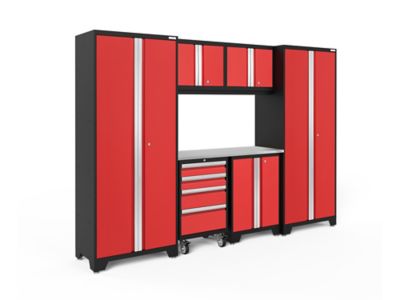
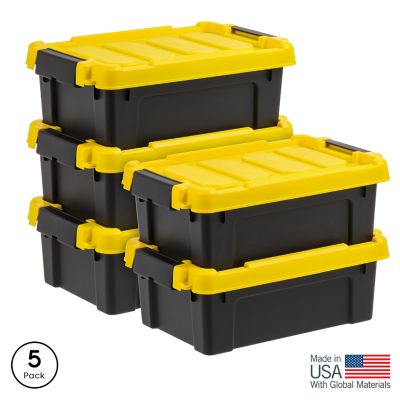
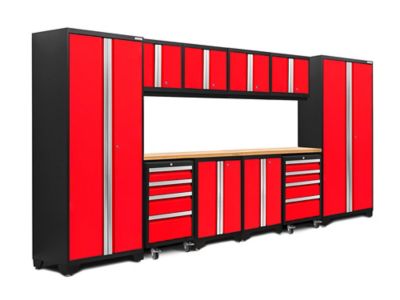
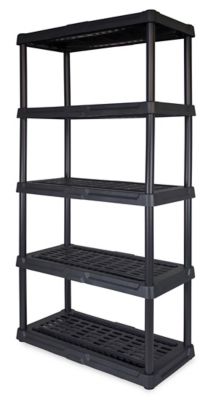
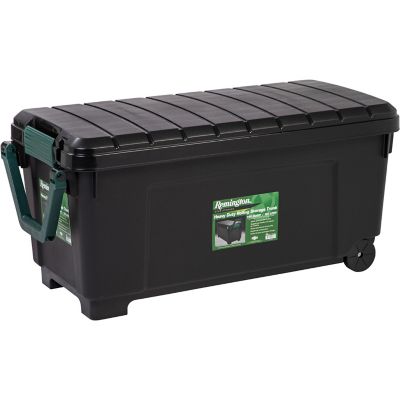
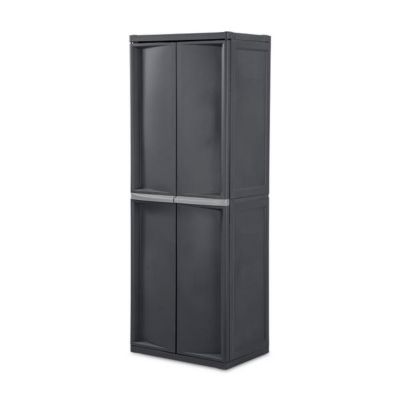
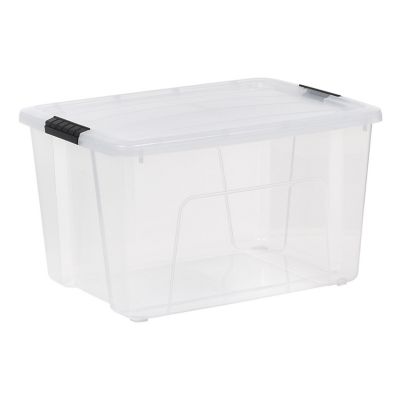
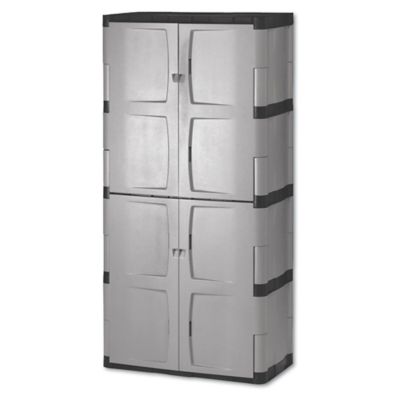
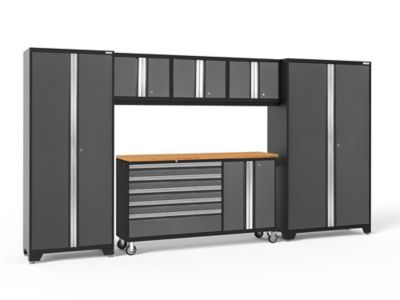
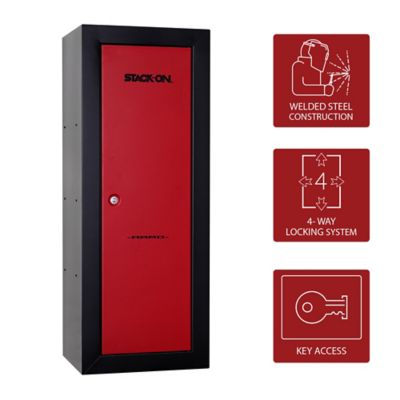
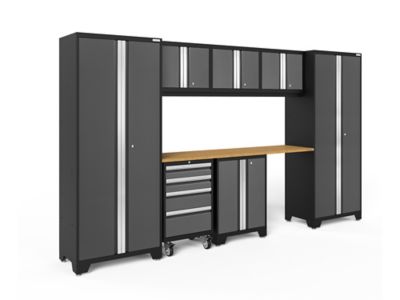
Garage storage solutions include freestanding shelving, enclosed cabinets, tool storage, wall-mounted organizers, and overhead racks that give equipment a place without taking over the floor. The right mix leaves room for a parked truck, a workbench, and the everyday traffic between the house and the driveway. Open shelving keeps bins and supplies easy to spot, while cabinets put loose gear behind doors and help limit settling dust. Drawers bring smaller tools and hardware within reach, and vertical storage takes advantage of space that might otherwise sit empty. For anyone handling farm chores, vehicle maintenance, woodworking, or repairs around the house, these storage options can turn a crowded garage into a more practical workspace. A useful layout reflects what happens there: hand tools close to the bench, cleanup supplies near the work area, and larger equipment where it can move out without a round of rearranging. Storage depth matters just as much as height and width. Deep shelves suit larger containers, but shallower storage can make small supplies easier to find and leave more walking room. Cabinet doors and drawers need enough clearance to open with vehicles parked, and tall units need room below garage door tracks, lights, and other fixed equipment. A clear path through the garage helps when carrying a feed sack, rolling a tool chest, or bringing in equipment after a job. Matching storage to those everyday movements is often more useful than filling every wall. A combination of open and enclosed spaces also suits households where several people share the garage, with familiar places for tools, recreation gear, and household supplies. Storage that fits the actual equipment, rather than just the empty room, helps keep handles, cords, and awkward corners from spilling into the path. Room to return things easily matters, too; a shelf that requires moving three containers to reach the back can turn into another catchall.
Materials and construction shape how garage shelving and cabinets handle everyday work. Steel frames and cabinets bring strength for tools and heavier supplies, while painted or powder-coated finishes help protect the metal surface when kept intact. Scratches, exposed edges, and damp spots deserve attention because corrosion can start where that protection wears away. Resin storage offers surfaces that are generally easy to wipe down, though weight limits and resistance to particular cleaners vary by design. Wood and engineered-wood shelves provide a solid surface for small containers, but their suitability depends on the panel construction, finish, and exposure to moisture. Wire shelving allows airflow and visibility, while solid shelves support small objects without letting them slip between wires. Shelf liners may help with that tradeoff when they are compatible with the shelving. Load ratings are worth reading closely: the limit for one evenly loaded shelf is not necessarily the limit for the entire unit, and concentrated weight can place different demands on a shelf than several lighter containers spread across it. Heavy equipment belongs low, with lighter supplies above, to keep lifting manageable and help maintain stability. Adjustable shelves accommodate different container heights, while drawers with full-extension slides can make tools at the back easier to reach. Drawer capacity still matters, especially with sockets, wrenches, and other dense metal tools. Lockable cabinets can help limit access to sharp tools or certain supplies, but an ordinary cabinet is not a substitute for storage specifically rated for flammable materials. Rolling storage adds flexibility around a work area, provided the casters suit the load and floor and the brakes hold it in place during work. Routine care is straightforward: remove grit from tracks and slides, wipe spills promptly, and follow the maker’s cleaning directions. Keeping shelf surfaces clean and checking fasteners, hinges, and wheels helps the whole setup stay ready for the next repair.
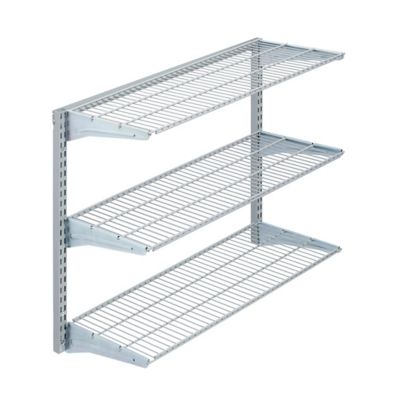
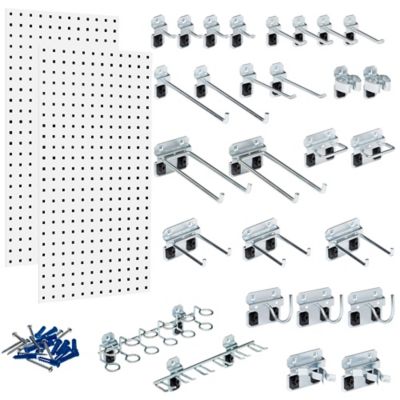
For garages with limited floor space,
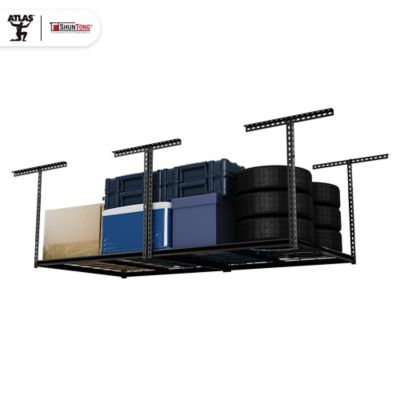
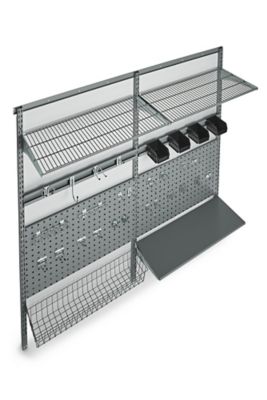
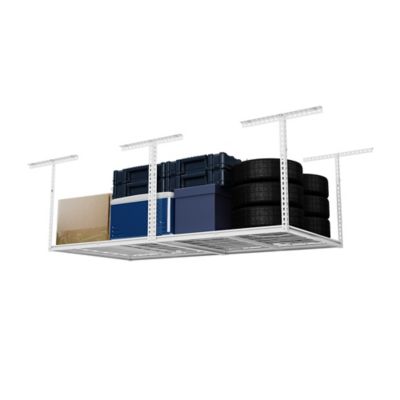
garage wall storage systems put vertical surfaces to work with rails, panels, hooks, baskets, and brackets arranged around the gear they need to hold. Long-handled tools can hang with their heads separated, cords can stay gathered instead of tangled underfoot, and ladders can rest on supports sized for their shape and weight. Track and panel systems offer flexibility, but accessories are not automatically interchangeable across different systems. Attachment style, spacing, and stated capacity all affect how the parts work together. Wall construction matters, too: drywall alone is not a suitable support for many loaded storage systems, and mounting requirements depend on the wall material, fasteners, and manufacturer’s directions. There also needs to be room around each hanging tool to lift it free without knocking another one loose. Overhead garage storage serves a different purpose, placing lighter, less frequently needed gear above the main work area. Ceiling-mounted racks depend on suitable structural framing, approved attachment methods, and clearances that account for the full movement of the garage door. The rack’s rated capacity includes everything placed on it, and access should not require balancing on a vehicle or climbing shelving. Some garages are better suited to wall storage or freestanding units when ceiling construction or access makes overhead storage impractical. Across all these options, containers and labels help keep the arrangement useful after the initial cleanup. Clear bins make contents visible, opaque bins keep visual clutter down, and labels save opening several lids to find a particular fitting or sanding supply. Containers should fit the shelf depth without hanging over an edge, and lids need enough room to lift or slide free. Dry tools and equipment before putting them away, and keep chemicals in their original labeled containers according to their storage directions. The result is a garage where the right wrench, a spare extension cord, or the gear for the next chore has a familiar place, with enough open space left to get some work done.