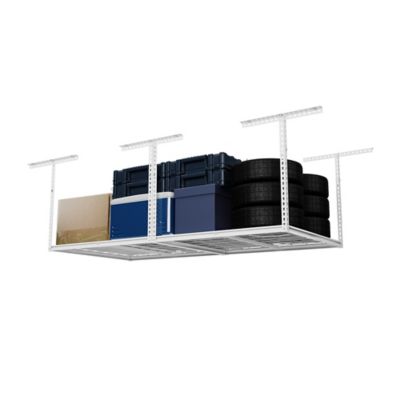
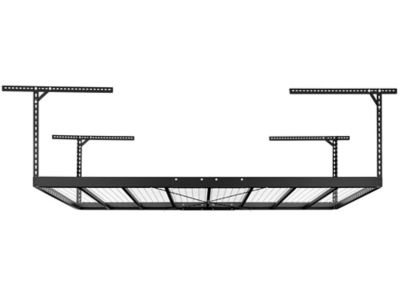
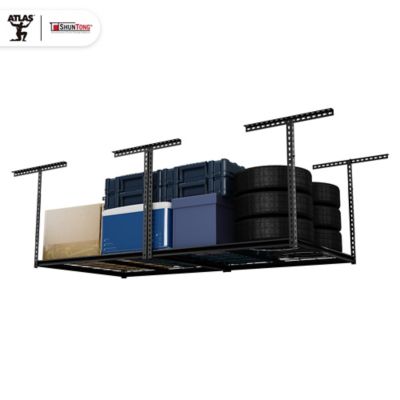
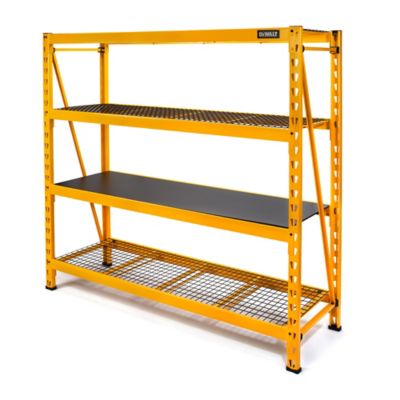
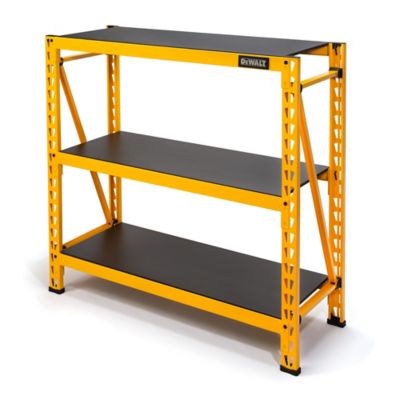
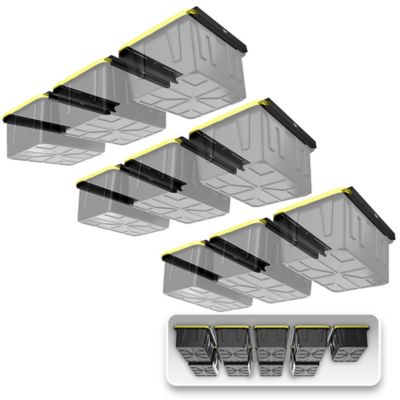
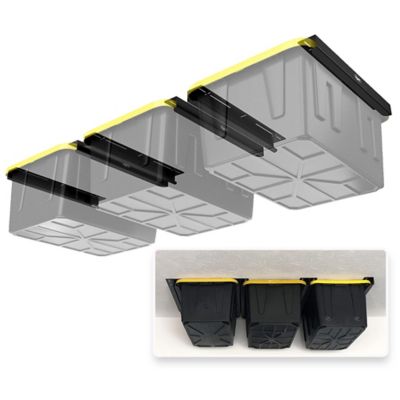
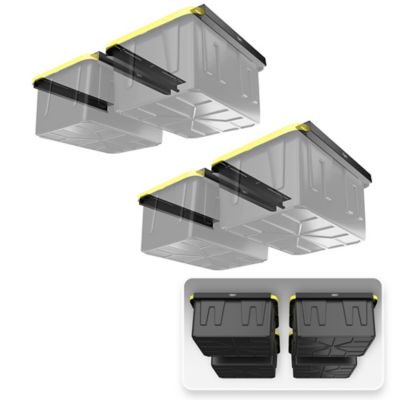
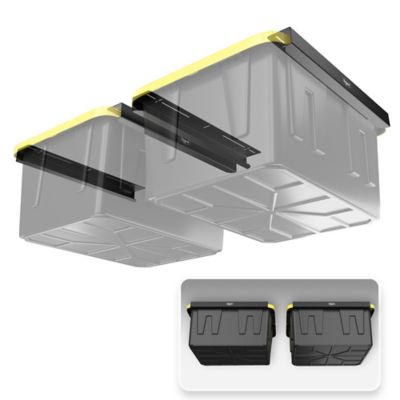
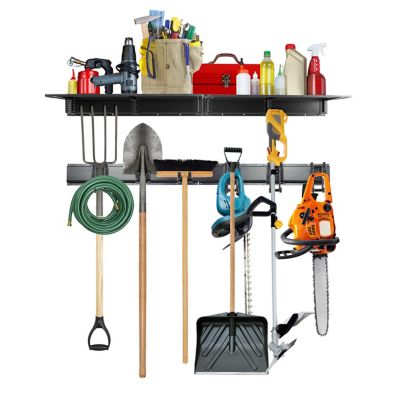
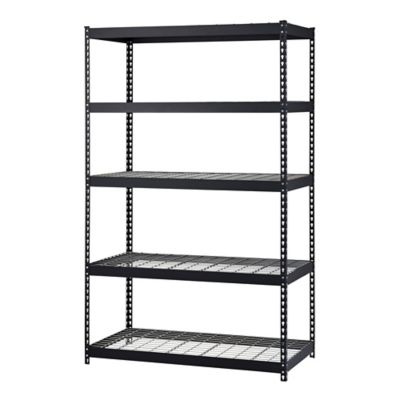
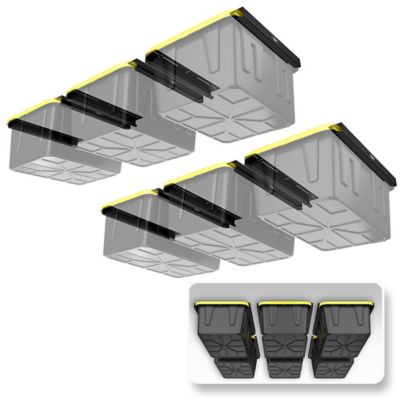
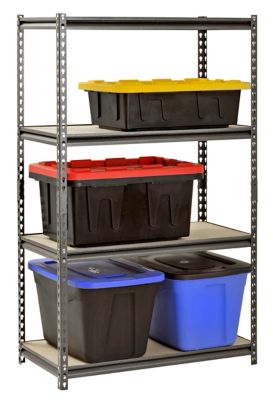
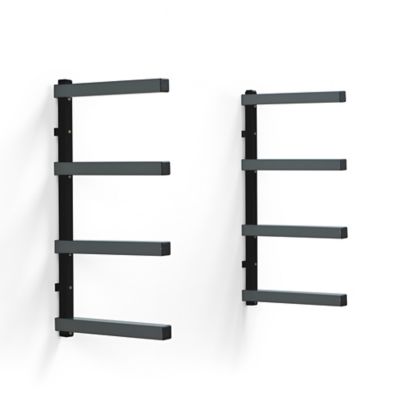
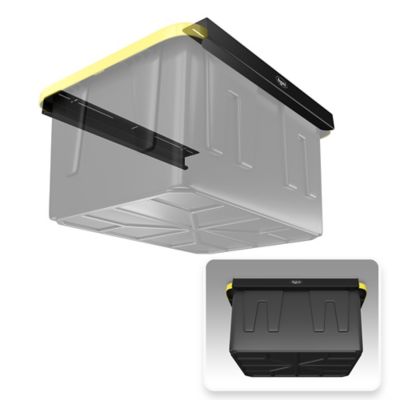
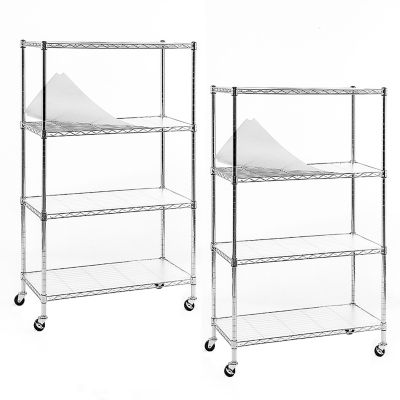
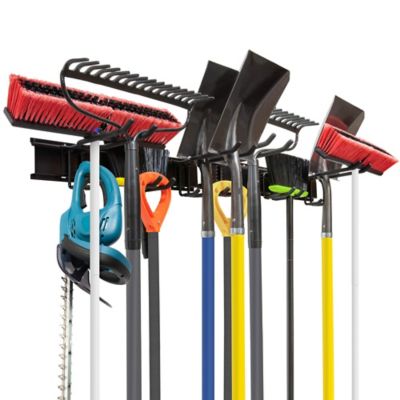
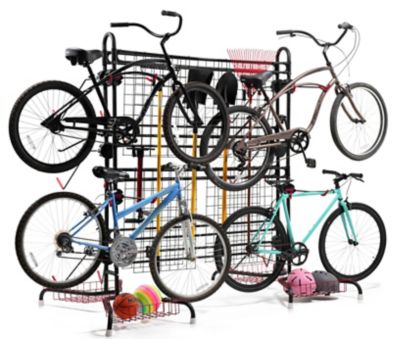
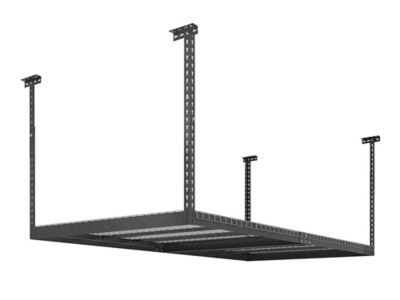
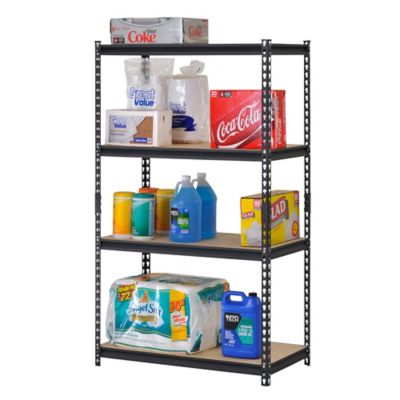
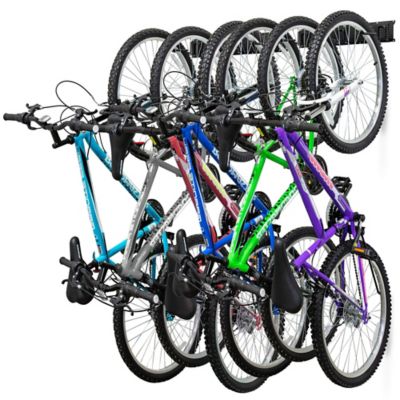
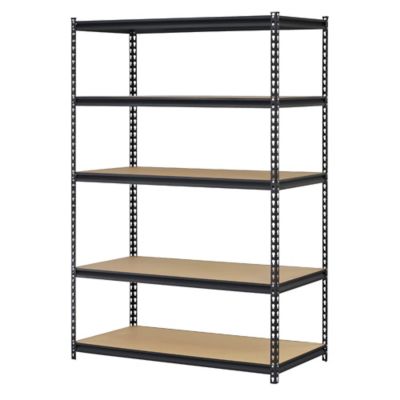
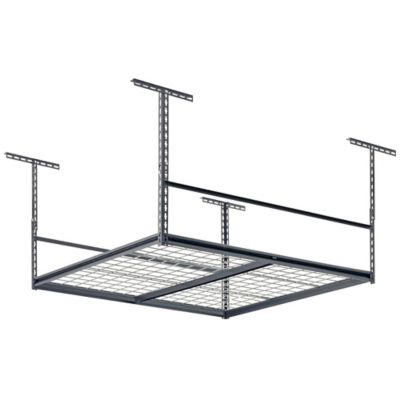
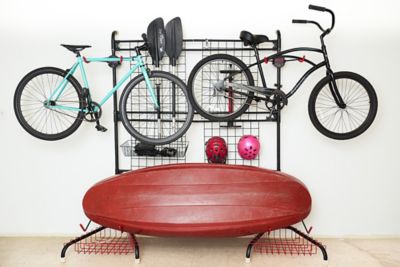
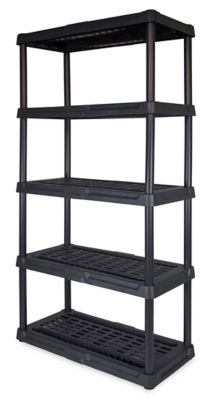
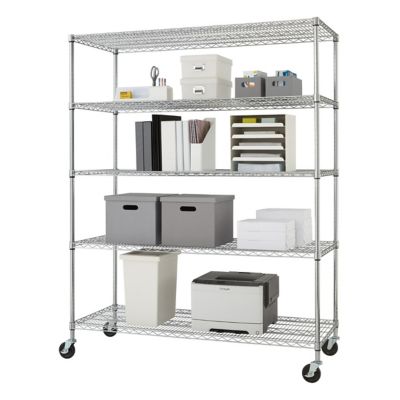
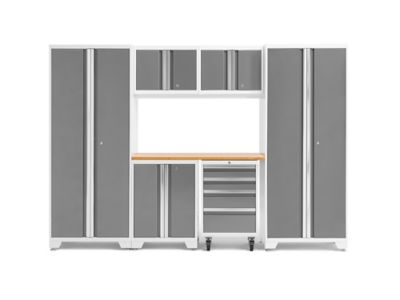
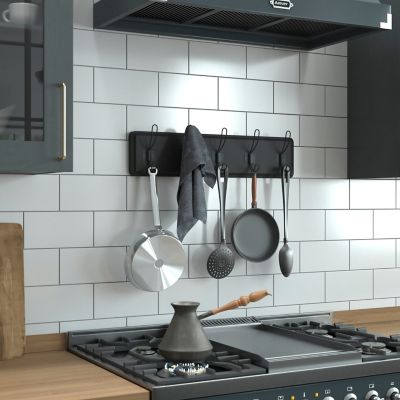
Garage storage racks help turn a crowded work area into a place where tools, supplies and seasonal gear have a clear home. In a rural garage, that can make a big difference. One side may hold feed buckets and fencing supplies, while another needs room for hand tools, lawn equipment, work boots or boxes brought in from the shed as the weather turns cooler. A rack gives you a way to make use of the wall or open floor space without piling everything into one hard-to-reach corner. Look for a layout that fits the shape of your garage and leaves enough room to walk around vehicles, benches and doors. Measure the available wall or floor area before shopping, including ceiling height, nearby outlets and the swing of overhead or side doors. It also helps to think about what you plan to store now and what may join the lineup through the seasons. Light cartons and small containers may call for several shallow levels, while heavier shop supplies need broad shelves with solid support. Adjustable levels can help as your needs change, and open shelving makes it easier to spot what you need when your hands are full. For more options across different rooms and work areas, browse
Storage Racks.
When choosing a garage rack, pay close attention to the weight rating for each shelf and for the full unit. The number matters most when the load is spread evenly and placed according to the rack’s instructions, so keep dense items lower and avoid stacking containers past the shelf edge. A broad base, braced frame and level feet can help keep the rack steady on a garage floor that may not be perfectly even. Shelves made for the conditions around a garage should stand up to dust, damp boots, muddy gear and the occasional splash from a rinsed tool. If the garage is not heated, consider how cold air and changing temperatures may affect the materials over time. A design with raised shelves can keep boxes and supplies away from minor floor moisture, while a smooth surface makes sweeping out dust, straw and grass clippings less of a chore. Think about access, too. Frequently reached items belong between waist and shoulder height, while holiday storage, spare parts and seldom-needed equipment can go higher, provided they remain safe to retrieve. Wall clearance, shelf depth and the path from the garage door to your truck or workbench all matter. A rack that holds plenty but blocks a walkway can create more trouble than it solves. Taking a few minutes to sort items by size, weight and how often they are needed will make it easier to select a setup that fits daily work instead of just filling an empty corner.
These racks can serve homeowners, farmers, ranchers, mechanics, gardeners and anyone who treats the garage as an extension of the barn, workshop or mudroom. They are handy for keeping paint supplies, fasteners, extension cords, gloves, cleaning supplies and small equipment close at hand without letting them spread across every surface. Families may use one to give each person a shelf for recreation gear, boots or outdoor supplies. A new homeowner may appreciate a rack as a practical housewarming present, while a parent, partner or neighbor who spends weekends repairing equipment may welcome a better place for shop supplies. During the cooler months, a well-planned rack can hold salt, winter footwear, coats and weather gear near the entry, while leaving enough room to bring in tools that should not sit outside. As the weather warms, the same shelves can shift toward garden supplies, watering equipment and outdoor projects. Clear bins or labeled containers can make small parts easier to find, but leave room for handles, lids and safe lifting. Keep heavier loads low, check that the rack sits level, and follow the manufacturer’s directions for assembly, anchoring and weight limits. Give each item a regular home, return it after a job and leave a little breathing room on every shelf. That simple habit helps the garage feel calmer, keeps work moving and makes it easier to find what you need before heading out to the field, pasture or driveway.