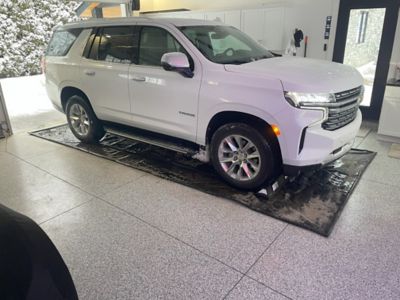
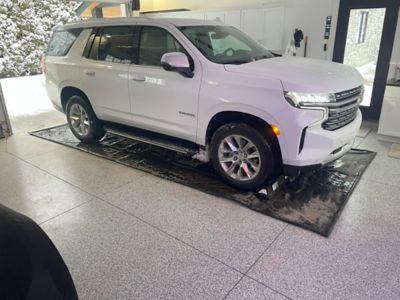
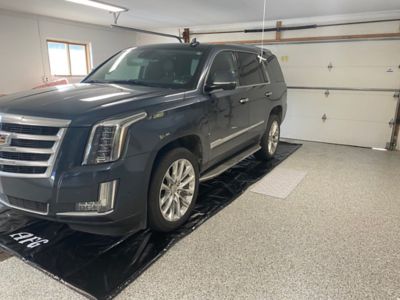
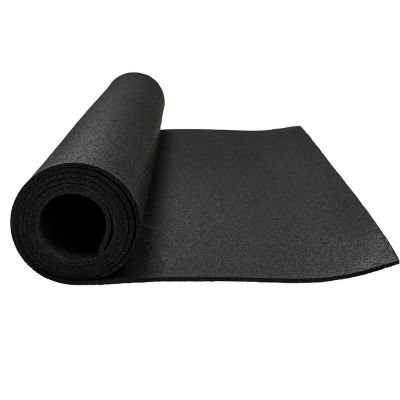
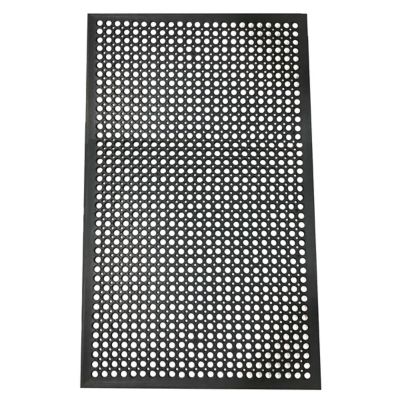
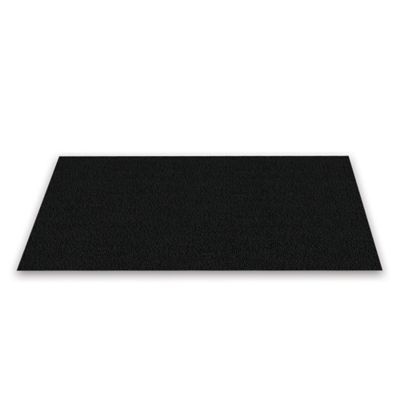
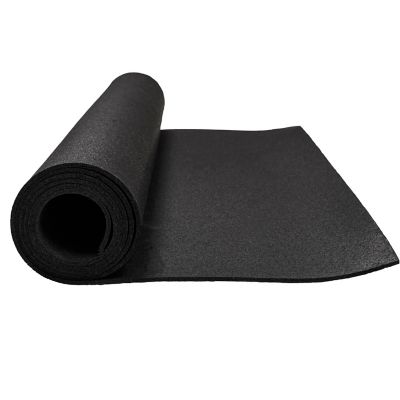
Garage oil mats are a handy way to keep a workspace cleaner when vehicles, equipment, and tools bring home more than a little dirt. A driveway or garage floor can take a beating from motor oil, transmission fluid, grease, fuel drips, muddy tires, and the occasional dropped can or leaky machine. An oil mat gives you a designated layer of protection between those messes and the concrete, wood, or other flooring underneath. That makes cleanup less of a chore and helps keep stains from soaking into porous surfaces where they can become hard to remove. These mats can be useful beneath cars, trucks, motorcycles, lawn mowers, utility vehicles, generators, tractors, and other equipment that spends time parked or being serviced indoors. They also work well in a home garage that doubles as a workshop, a farm shop, a detached building, or a small business service area. When the weather warms and outdoor projects pick up, a mat can help contain drips during routine maintenance, oil changes, filter replacements, and repairs. During the cooler months, it offers an extra layer of protection when equipment is moved inside for storage or work. Keeping one under a vehicle also helps mark off a dedicated service area, so loose parts, tools, and oily rags are less likely to spread across the whole floor.
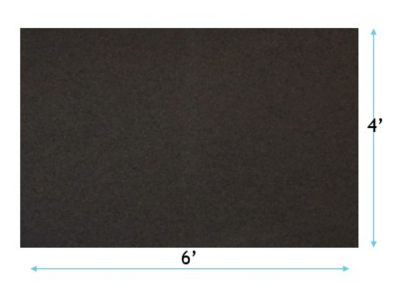
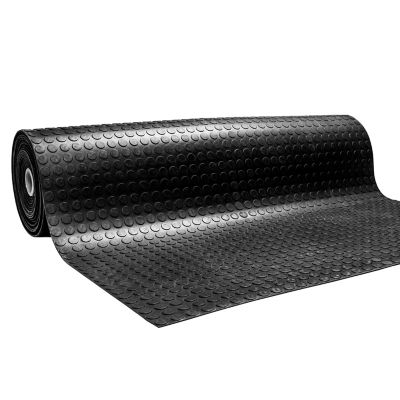
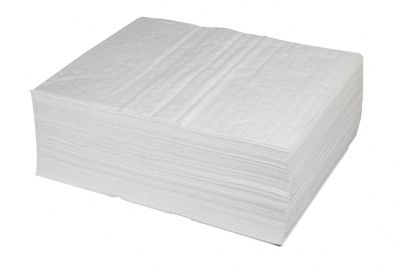
When choosing a garage oil mat, start with the size of the vehicle or equipment and the amount of room available around it. A compact mat may be a good fit under a motorcycle, mower, or workbench, while a larger mat can provide better coverage beneath a car or truck and leave space for kneeling, setting down tools, or catching drips that do not land directly beneath the engine. Consider the mat’s overall shape, thickness, and edge design, especially if it will sit near a garage door, floor drain, or frequently used walkway. A raised edge or contained border can help keep fluids from spreading, while a low-profile design may be easier to roll a jack, dolly, or piece of equipment across. Look for a surface that is simple to wipe down and suited to the type of work being done. A smooth finish can make light cleanup quick, while a textured surface may offer more traction when boots, tires, or tools are damp. It is also worth thinking about storage. If the mat will be folded or rolled between projects, choose a size and construction that can be handled without taking up too much room. Before using any mat, check the care instructions and make sure spills are cleaned promptly. Absorbent material, shop towels, and an approved cleaner can help with cleanup, but no mat should be treated as a substitute for safe handling of oil, fuel, chemicals, or other hazardous fluids. Keeping the surrounding floor swept and dry helps reduce slips and makes the whole work area easier to manage.
Garage oil mats are a practical choice for hands-on vehicle owners, farmers, ranchers, hobby mechanics, weekend fixers, and anyone who likes to keep a well-used shop in good shape. They can also make a thoughtful gift for a person who spends Saturdays under the hood, maintains a fleet of equipment, restores older vehicles, or keeps a motorcycle tucked away in a home garage. For motorcycle owners, a mat can help protect the floor beneath a parked bike while giving the garage a cleaner, more finished look; shoppers looking for coverage made with that setup in mind can also browse
Motorcycle Garage Mats. A mat is especially useful in spaces where concrete floors show every dark spot and tracked-in bit of gravel, such as a busy farm shop or a garage beside a gravel drive. It can be placed beneath a vehicle for regular parking, pulled into position for maintenance, or used under equipment that is being stored between seasons. Some folks keep a second mat near a workbench for greasy repairs, parts cleaning, or small-engine service. The goal is simple: protect the floor, keep messes contained, and make everyday maintenance feel a little less rough around the edges. With the right fit and a little regular care, a garage oil mat can help preserve the workspace through muddy chores, dusty projects, summer service work, and the colder stretch when vehicles and equipment spend more time indoors.