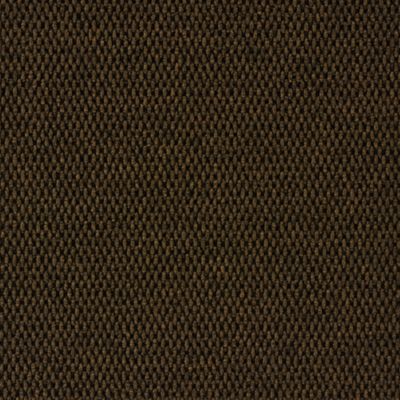
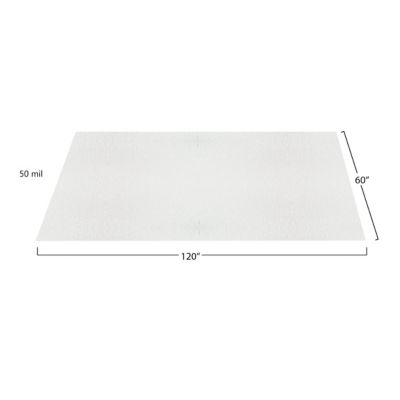
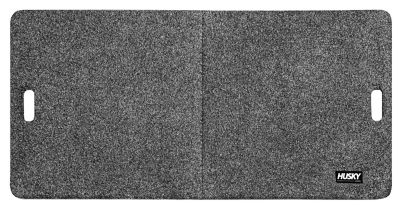
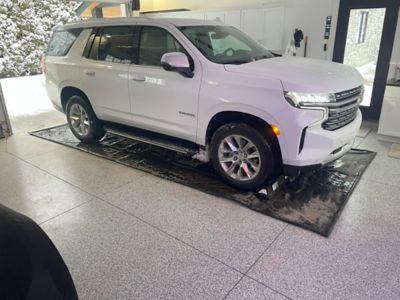
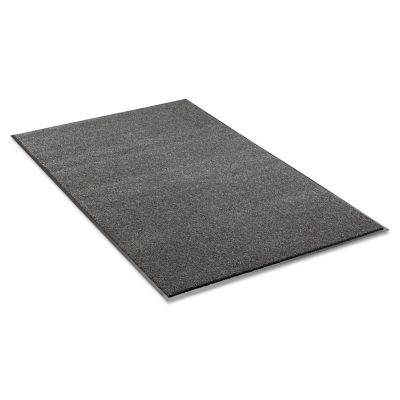
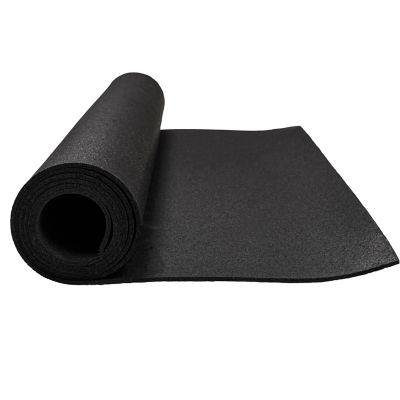
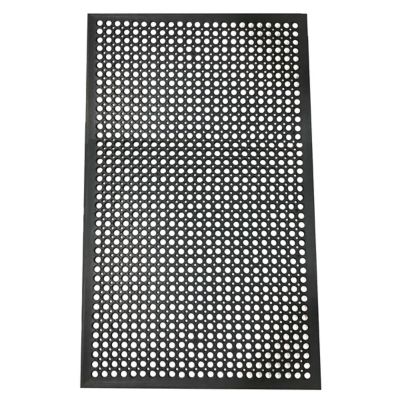
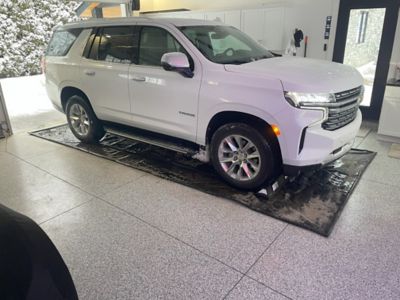
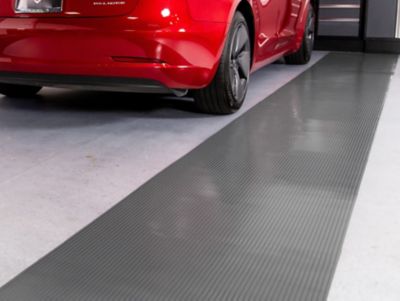
Garage carpet mats give a garage, barn bay, workshop, or covered parking area a cleaner, more comfortable place to park and work. These roll-out floor coverings are made to help protect concrete and finished garage floors from the everyday mess that comes with vehicles, equipment, pets, and outdoor work. An absorbent top layer, often made from polyester, felt, needle-punch fabric, or a similar durable textile, can catch rainwater, road salt, mud, melting snow, motor oil, antifreeze, and other drips before they spread across the floor. A waterproof backing made from rubber, polyethylene, or another fluid-resistant material helps keep those spills from soaking through to the concrete, epoxy, or other surface below. That combination is handy during the warmer seasons when dust and muddy boots find their way indoors, as well as during cooler weather when wet tires and slushy floorboards can leave a trail through the garage. A mat also adds a little cushion underfoot, which can make routine jobs such as checking tire pressure, changing a battery, or sorting tools easier on your knees and back. Homeowners often use garage carpet mats beneath cars, trucks, utility vehicles, lawn equipment, motorcycles, and trailers, while hobby mechanics may place one under a work area to help contain small spills and dropped parts. They can be useful in a detached garage, a carport with walls, a shed, a workshop, or a farm building where a more finished floor is not practical. For anyone looking to improve a garage without taking on a full flooring project, a roll-out mat can be a straightforward way to add coverage and protection. It may also make a practical gift for a new homeowner, someone setting up a first workshop, a weekend mechanic, or a family member who spends cold evenings keeping vehicles and equipment in working order. For spaces where liquid resistance and easy wipe-down cleaning are the main priorities, compare these options with
Vinyl Garage Floor Mats to find a surface that fits the kind of work done in your garage.
Before choosing a garage carpet mat, measure the area where it will sit and allow enough room for doors, tool chests, shelving, and walking paths. A mat sized for one vehicle may cover the tires and the center of the parking bay, while a wider or longer option can catch drips from the front bumper, engine area, and tailgate. Check both the listed dimensions and the actual layout of the space, especially if the garage has a narrow entrance, floor drains, posts, steps, or a sloped section. Roll-out mats are generally simple to install: sweep or vacuum the floor, remove grit and sharp debris, unroll the mat on a clean, dry surface, and give it time to relax and flatten. In some cases, laying it out in a warm area helps ease the curl left from shipping. Keep the edges flat and make sure the mat does not bunch beneath tires or interfere with a door. If trimming is allowed by the manufacturer, a sharp utility knife and a straightedge can help shape the mat around corners, but take care to protect the floor and wear appropriate gloves. Look for a backing with dependable grip when the mat will be used on smooth concrete or epoxy, and consider a heavier construction for frequent vehicle traffic, larger trucks, or busy work areas. Absorbency matters most when the main concern is tracked-in water, mud, or slush, while a tightly sealed backing is especially important beneath vehicles that may leak fluids. No garage mat should be treated as a substitute for cleaning a serious spill, and oil, fuel, brake fluid, and antifreeze should be handled promptly according to the product label and local disposal guidance. For regular upkeep, sweep or vacuum away grit, shake out loose dirt when practical, and rinse the surface with a hose or pressure washer if the care instructions permit. Mild detergent and a soft brush can help lift grime, but avoid harsh cleaners that may damage the fabric, backing, or floor underneath. Let the mat dry fully before rolling it up or parking on it again. A clean, dry base and occasional inspection can help reduce odors, slipping, and premature wear. With the right size, backing, absorbency, and cleaning routine, garage carpet mats can help keep a hardworking space more orderly through muddy chores, rainy drives, and the cooler months when wet gear and road residue are hardest on garage floors.