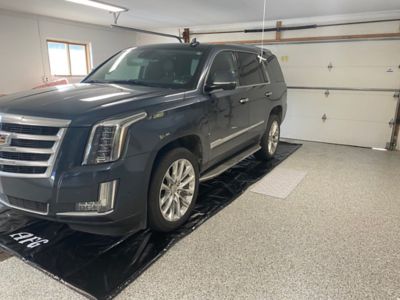
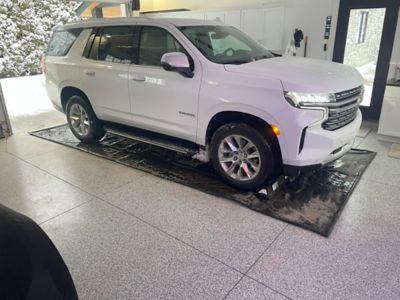
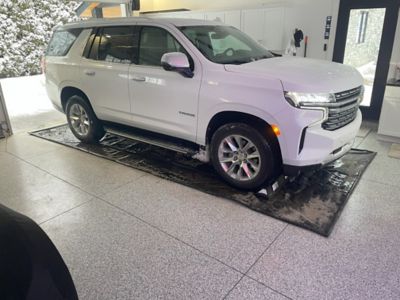
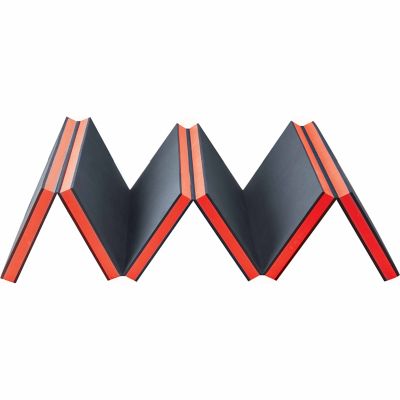
Motorcycle garage mats help turn an ordinary corner of a garage, shed, or workshop into a cleaner, more organized place to park and work on a bike. They give your motorcycle a designated space while helping protect concrete, sealed floors, and other hard surfaces from oil spots, fuel drips, coolant, brake fluid, tire marks, road grime, and the little messes that come with routine maintenance. A mat also makes a garage feel more like a proper home base for riding gear and tools. After a dusty ride down a gravel road or a wet trip home during the cooler months, it is handy to have a clean spot where the bike can dry without leaving mud and moisture across the floor. Some riders use a mat strictly for parking, while others roll one out beneath the bike during chain care, oil changes, detailing, or winter storage. It can also make a thoughtful gift for a new rider, a family member fixing up an older motorcycle, or the friend who always has a project bike tucked in the corner of the barn. For more ways to organize a parking area, explore
Garage Parking Mats alongside motorcycle-focused options.
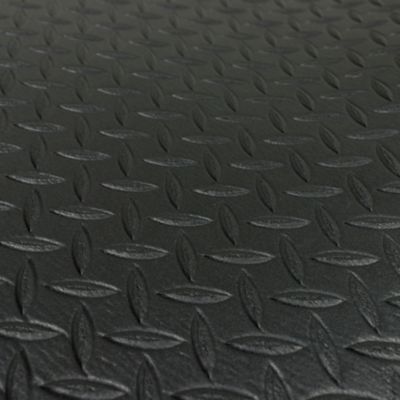
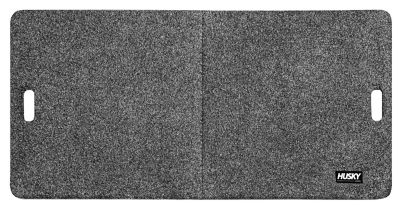
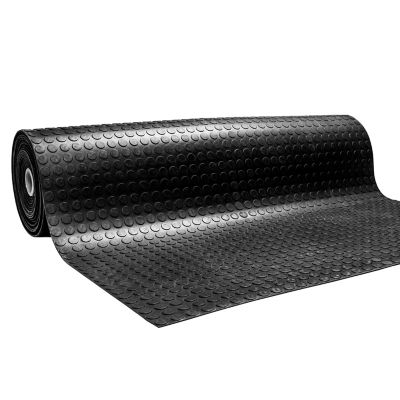
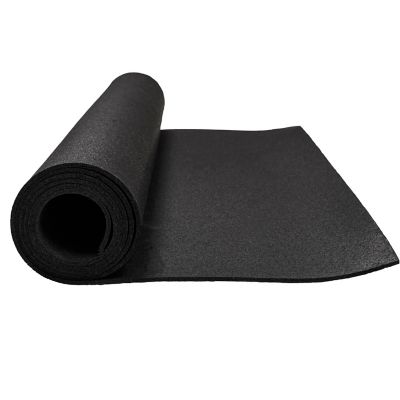
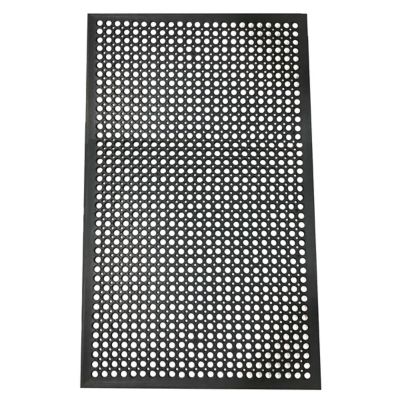
When choosing a motorcycle garage mat, start by thinking about the size of the bike and how much room you need around it. A smaller mat around 3 by 8 feet may suit a compact motorcycle or a tight garage bay, while a larger mat around 5 by 10 feet gives a touring bike, cruiser, or adventure motorcycle more breathing room for the front wheel, rear tire, kickstand, and nearby tools. Extra coverage is useful if you tend to clean the bike in place or keep a stand, parts tray, or small workbench close by. Measure the available floor area before buying, and leave enough space to walk around the motorcycle without catching a boot on the edge. Roll-out vinyl or PVC mats are popular because they provide a smooth, waterproof surface that is easy to sweep, wipe, or hose off. They are especially useful beneath a bike that may have a small leak or drip after a long ride. Carpeted pit-style mats often use a durable nylon or similar fabric top with a rubber backing, giving the garage a softer, more finished feel while helping absorb minor spills and road dust. Interlocking plastic tiles create a firm, structured surface and may allow liquids to drain below the top layer, which can be helpful in a busy workshop. Each style has its place, so consider whether easy cleanup, liquid absorption, drainage, comfort while kneeling, or a polished display area matters most in your space.
Pay close attention to construction details that matter under a motorcycle’s weight. A strong mat should handle concentrated pressure from a metal kickstand without puncturing, stretching, or leaving a permanent weak spot. Look for material that resists gasoline, motor oil, coolant, and brake fluid, since those chemicals can damage ordinary household rugs or thin plastic sheets. A textured top can help reduce tire movement, while a non-skid backing helps keep the mat from sliding when the bike is rolled into place. The surface should sit flat, with edges that do not curl up after being stored in a roll. If the mat arrives rolled, laying it in a warm garage for a while and placing light weight along the edges can help it settle. Keep the mat clean by sweeping away grit before it gets ground into the surface, and wipe up spills as soon as practical. For fabric mats, follow the care instructions and allow the backing to dry fully before putting the motorcycle back on top. For waterproof mats, mild soap and water are often enough for everyday grime; avoid harsh cleaners unless the material is rated for them. A well-chosen motorcycle garage mat can protect the floor, make maintenance less of a chore, and give your bike a dependable place to rest between rides. During wetter or colder stretches of the year, it also helps keep slush, damp tires, and tracked-in dirt contained, making the garage easier to manage when the weather turns rough.