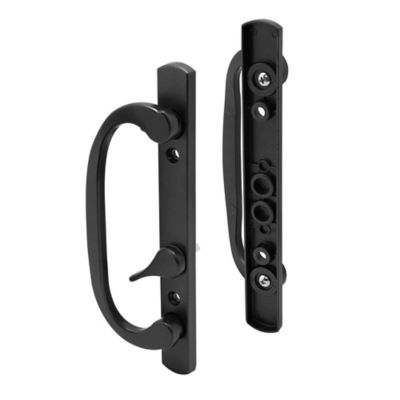
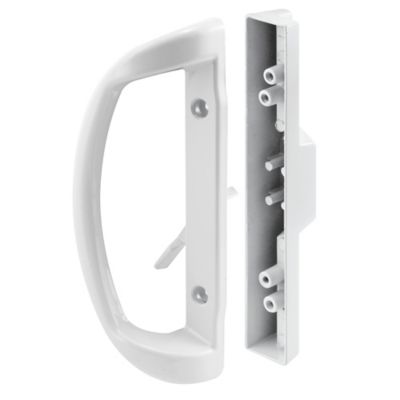
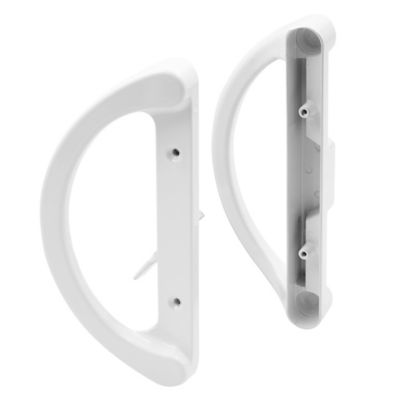
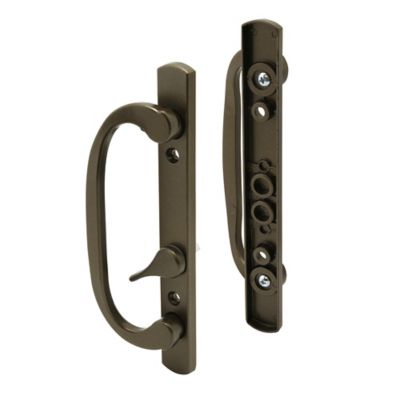
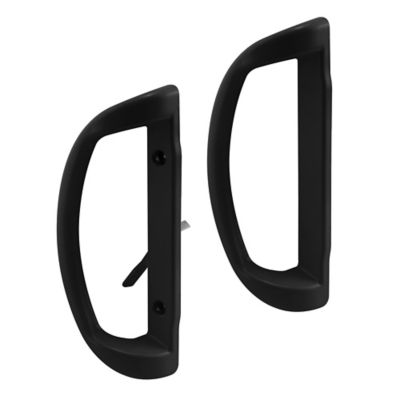
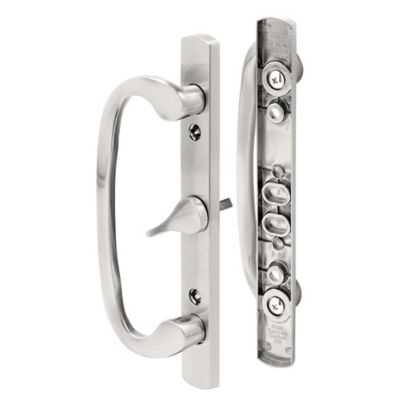
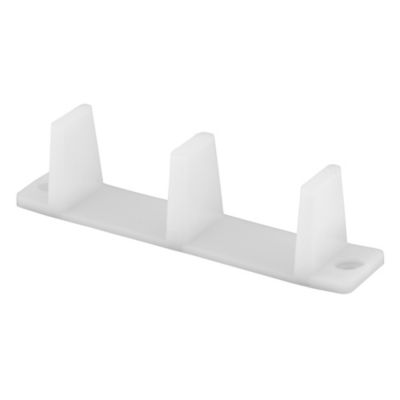
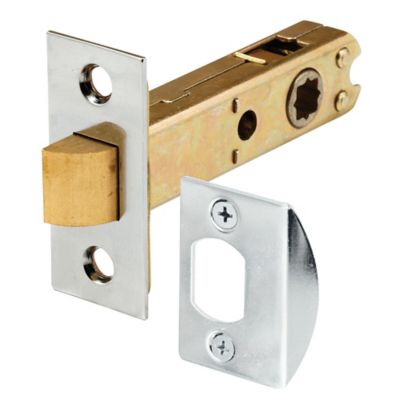
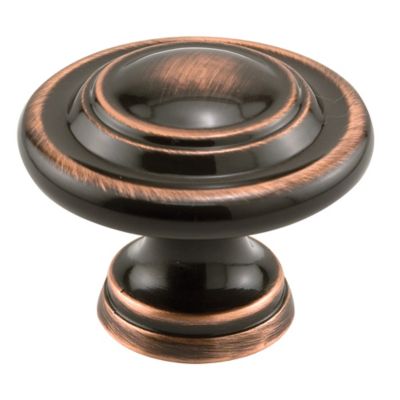
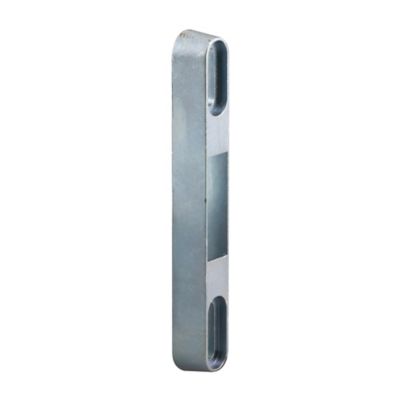
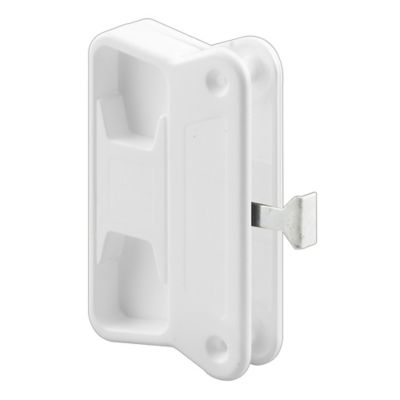
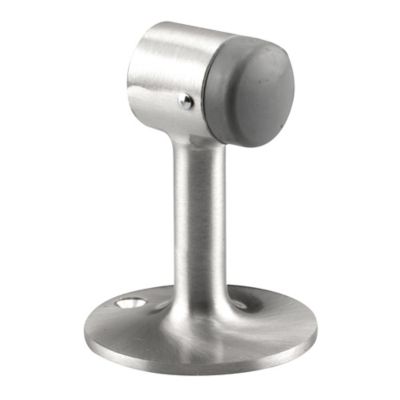
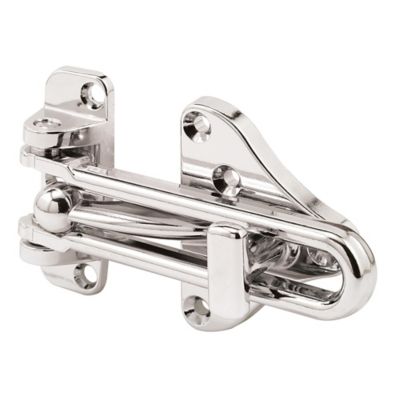
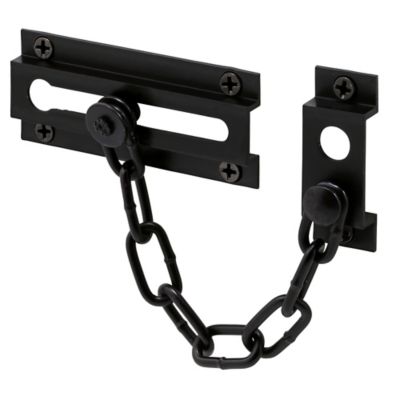
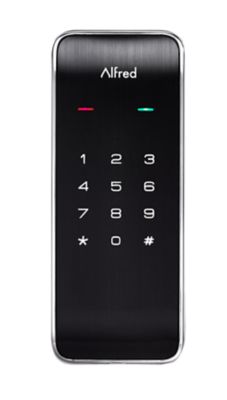
Door hardware parts help a door do its everyday work: swing smoothly, close firmly, stay aligned, and provide the right level of privacy or security. Whether you are fixing up a farmhouse entry, replacing worn hardware on a shed, finishing a workshop, or making a rental property ready for its next occupant, the right replacement part can make a noticeable difference. Common door hardware includes knobs and levers, rosettes or backplates, spindles, latch assemblies, deadbolts, hinges, strike plates, thumbturns, lock buttons, and door stops. The knob or lever is the hand-operated grip used to pull the door open, while the rosette or backplate sits against the door and gives the hardware a finished appearance. Inside the door, the spindle connects the handles and turns the latch mechanism. The spring-loaded latch bolt reaches into the jamb to hold the door closed, and a deadbolt extends farther into the frame for added security. Hinges support the door’s weight and allow it to pivot, while a strike plate receives the latch or deadbolt on the jamb. A simple door stop can also protect painted walls and trim from dents caused by a swinging handle. These small parts see a lot of use, especially on busy mudroom doors, back entries, barns, utility rooms, and workshops, so replacing a loose, sticking, rusty, or damaged component can help the whole door feel solid again.
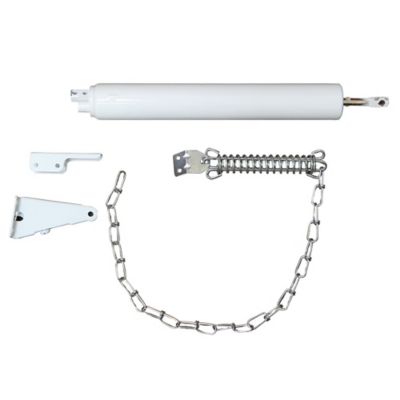
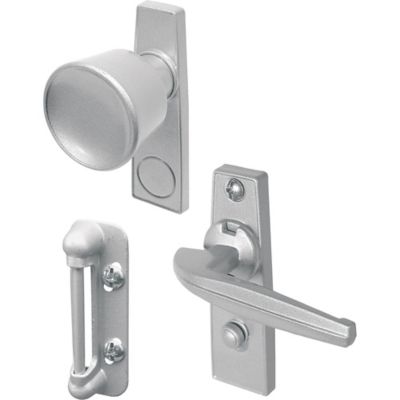
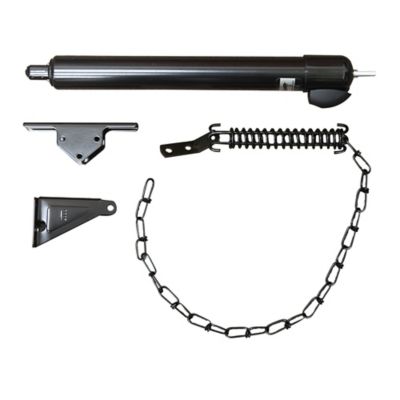
Before choosing a door hardware part, take a few measurements and look closely at how the existing setup is installed. The backset is the distance from the edge of the door to the center of the main bore hole; common measurements are 2-3/8 inches and 2-3/4 inches. Matching that measurement helps the latch line up with the handle and the strike plate. It is also useful to note the door thickness, the size and shape of the existing bore holes, the hinge spacing, and whether the door swings inward or outward. For a replacement hinge, compare the leaf size, corner style, screw-hole pattern, and pin style, since even a small difference can affect how the door sits in the jamb. When replacing a strike plate, make sure it lines up with the latch or deadbolt and sits flat against the jamb. A door that rubs, drags, or refuses to latch may need more than a new handle; loose hinge screws, a shifted frame, worn weather seals, or a misaligned strike can all play a part. On an older home or outbuilding, measurements may not match today’s most common sizes, so keeping the old part nearby while shopping can save a trip back to the hardware aisle. Finish is another consideration. A durable finish that fits the surrounding hinges, lighting, and other fixtures can help a repair blend in, while sturdy materials are a practical choice for doors exposed to mud, dust, rain, or frequent handling. For exterior entries, choose hardware suited to outdoor use and inspect the frame as well as the door. Homes with screen or storm doors may also need dedicated components, and
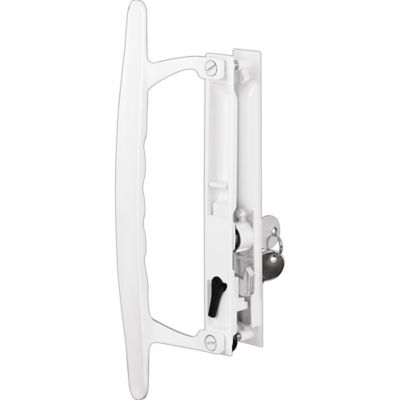
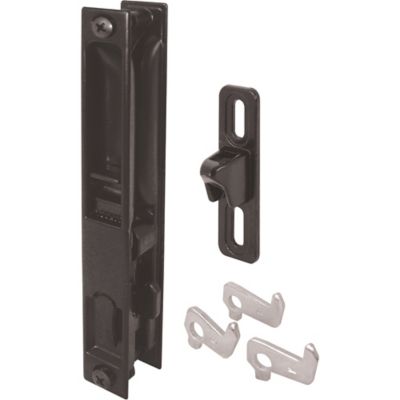
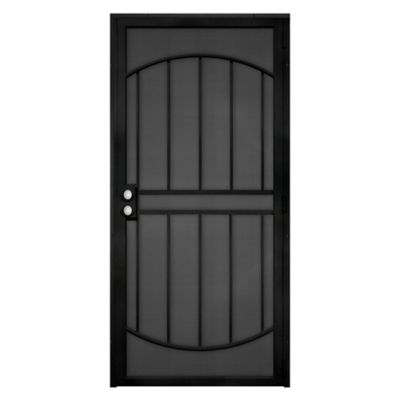
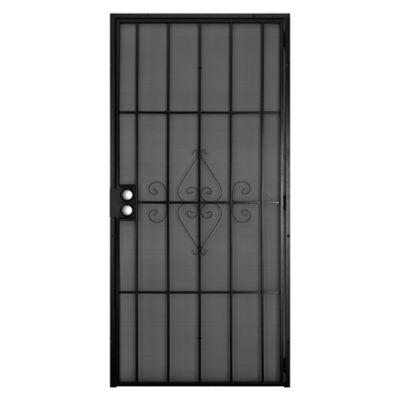
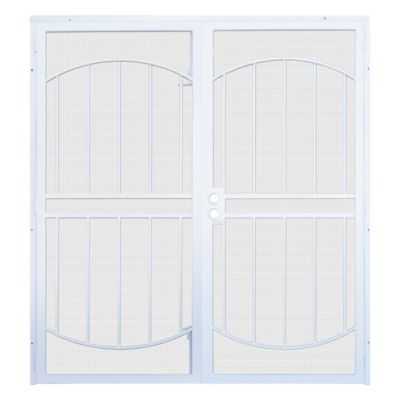
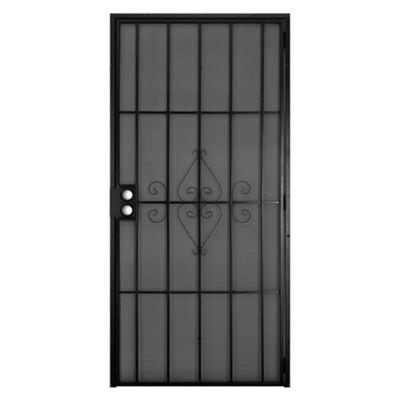
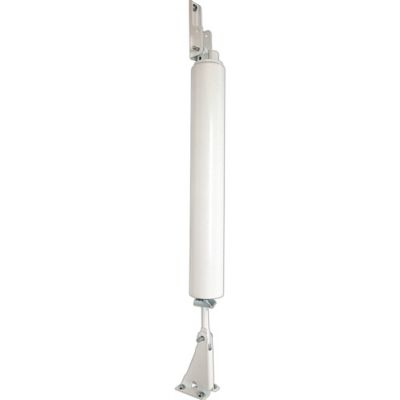
Storm Door Hardware can help keep that outer door operating smoothly through changing weather.
Door hardware parts are useful for homeowners, landlords, maintenance crews, farmers, and do-it-yourselfers who would rather handle a straightforward repair than replace an entire door. They also make a thoughtful housewarming or workshop gift for someone settling into a country home, fixing up an older place, or building out a garage, tack room, cabin, or garden shed. A few well-matched replacement parts can be especially handy during the warmer stretch of the year, when doors are opened and closed more often and outdoor projects are in full swing, as well as during the cooler months when drafts and sticking doors become easier to notice. For a frequently used entry, prioritize a dependable latch, properly seated hinges, and a strike plate that is secured into solid framing. Interior bedroom and bathroom doors may call for privacy hardware with an inside thumbturn or lock button, while an entry door generally benefits from a keyed lock and a deadbolt that engages deeply in the frame. A shed, pasture gate, or workshop may need simple, rugged hardware that stands up to dust and rough use. Keep fasteners matched to the door and jamb material, and avoid overtightening screws, which can strip wood or pull hardware out of alignment. A little graphite or a lubricant approved for the lock mechanism can help with a stiff lock, but a latch that remains sticky after cleaning may be worn and ready for replacement. After installation, open and close the door several times, test the latch with the door shut, and make sure the deadbolt moves freely without forcing the key or thumbturn. Taking care of these details helps prevent slamming, drafts, damaged trim, and inconvenient lockouts while keeping the doors around the home, farm, or shop ready for daily use.