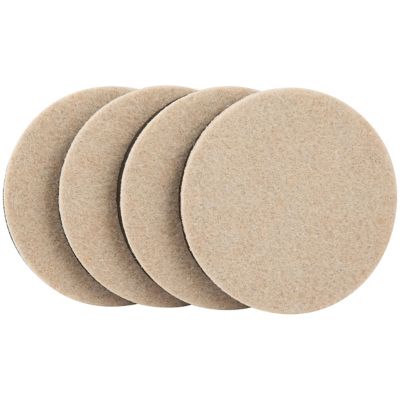
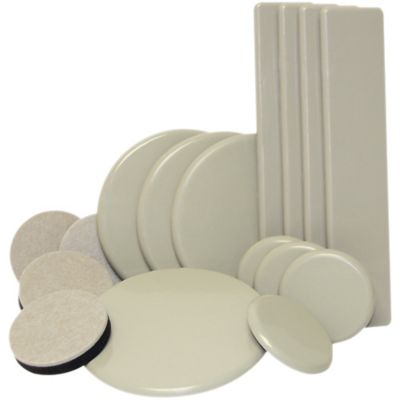
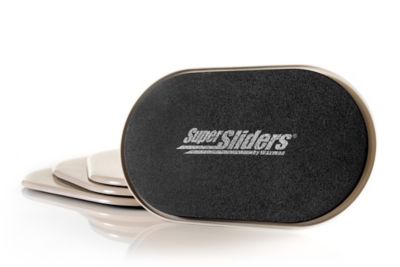
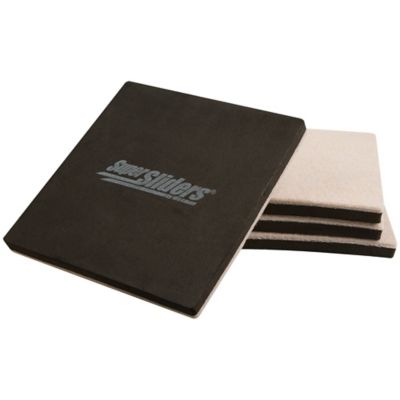
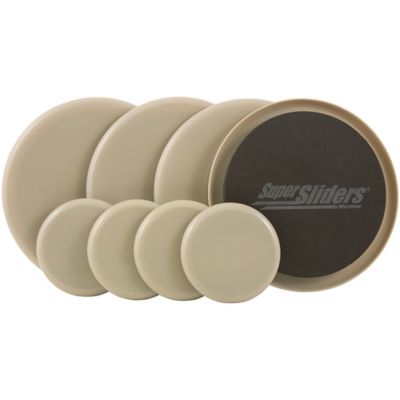
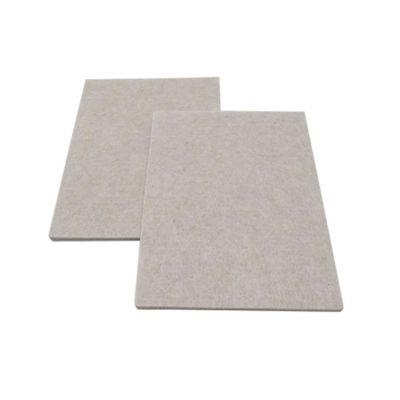
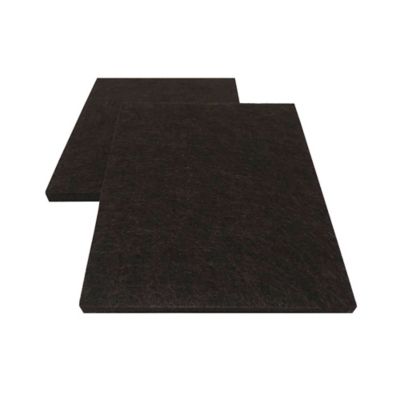
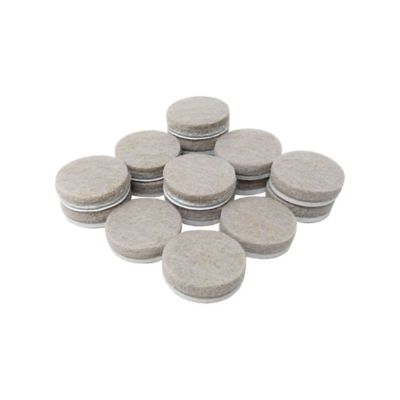
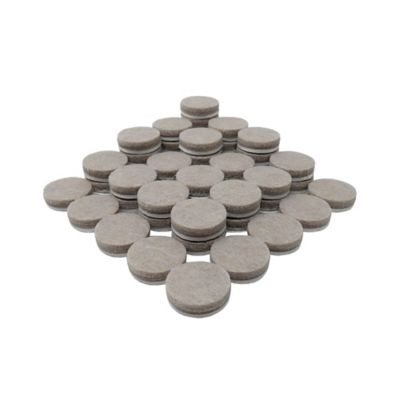
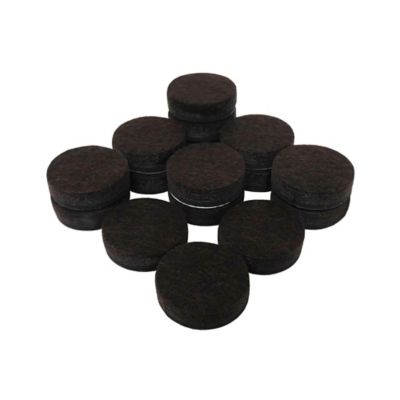
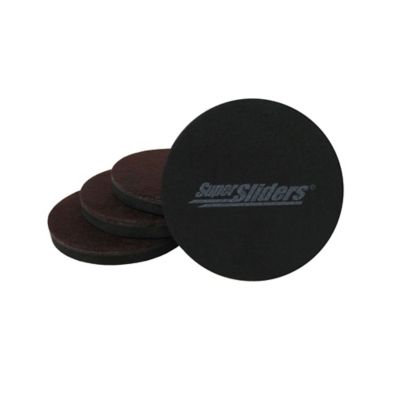
Furniture sliders make it easier to shift a sofa for a good sweep, pull a dresser away from the wall, or rearrange a dining room without dragging bare furniture feet across the floor. They fit beneath furniture legs or supported bases, creating a contact surface that can help reduce friction during movement. That simple job calls for the right match between the slider, the furniture, and the flooring underneath. Smooth, rigid sliding surfaces are generally intended for carpet, while felt-bottom designs are commonly intended for hard floors, subject to the flooring and slider manufacturers’ recommendations. A carpet-friendly slider beneath a heavy armchair serves a different purpose than a felt pad under a kitchen chair that moves several times a day. Carpet pile, floor finish, and the shape of the furniture foot all affect how that pairing performs. Thick carpet can take more effort to cross than a low-pile surface, and a soft floor covering may respond differently under a narrow furniture leg than under a broad base. Hardwood, laminate, tile, and vinyl also have different care requirements, so a slider labeled for hard floors still needs to suit the particular surface. Felt can help cushion contact, but trapped grit can leave marks even when the pad itself feels soft. Clean contact surfaces matter just as much as the material. In a farmhouse kitchen, that might mean checking for crumbs beneath chair feet; in a family room, it might mean clearing tracked-in sand before shifting the couch. Furniture sliders are helpful for everyday rearranging and occasional cleaning access, but they are not a promise against scratches or an excuse to move a load that is too heavy to control. Their value comes from making a manageable job less awkward, whether that job is opening space around the supper table or reaching the dust that collects behind a bookcase.
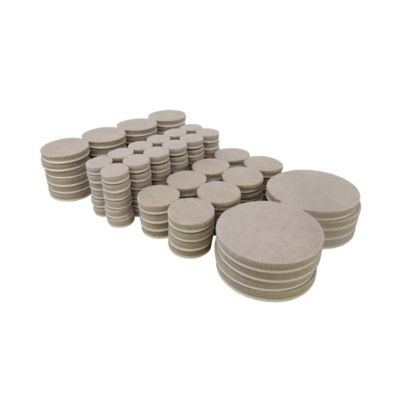
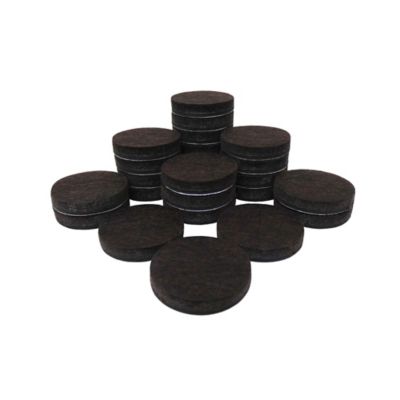
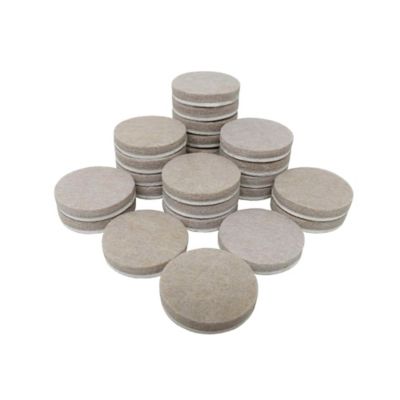
Size and shape deserve a close look because furniture feet are far from alike. A broad sofa foot, a narrow chair leg, and a flat cabinet base need different amounts of support. Round, square, and rectangular sliders provide different contact areas, and the furniture’s supported footprint should stay within the usable surface as directed by the manufacturer. A larger slider is not automatically a better fit if its edges interfere with nearby legs, catch on an obstruction, or prevent the furniture from sitting evenly. Thickness matters, too, especially beneath low-clearance furniture or pieces that need to remain level. Sets intended to stay under furniture can be handy for chairs and small tables that shift often, while removable designs suit occasional moves around a room. Adhesive-backed pads need a compatible, clean attachment surface and time to bond according to their directions. Nonadhesive sliders may have foam or another gripping layer on top to help hold the furniture foot in position while the lower face travels across the floor. Neither attachment style replaces checking the load rating and placement requirements. Weight limits may apply to a whole set or to individual supports, and a cabinet’s weight is not always shared evenly among its feet. A full drawer on one side or a heavy tabletop can change the balance. Furniture construction matters as well: loose legs, weakened joints, and thin panels are not suitable points for applying moving force. Tall dressers, narrow shelving, and top-heavy cabinets call for extra care because reducing resistance at the floor does not reduce tipping risk. Sliders also do not eliminate the lifting needed to position them. Getting help with a heavy piece, following its moving instructions, and addressing any anti-tip restraints properly are part of keeping the job controlled. The right fit supports the furniture where it is meant to carry weight, rather than putting pressure on an edge or panel that was never built for it.
For everyday household use, the best furniture sliders are the ones that suit how the room actually works. Dining chairs need steady footing when someone sits down, not just easy movement when the table needs clearing. A reading chair that stays in one corner may only need temporary sliders when it is time to clean behind it. A home office cabinet might need to move a few inches for access to an outlet, while a bedroom dresser may need a longer trip across the room. Those are different jobs, and a slider that makes sense for one may not suit another. Door thresholds, rug edges, uneven boards, and tile joints can interrupt an otherwise smooth path. Sliders generally work best on the continuous, compatible surface they were designed for; a change in flooring can mean a change in equipment. For longer moves across suitable surfaces,
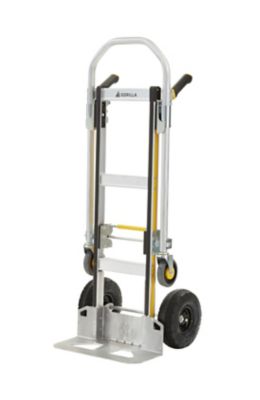
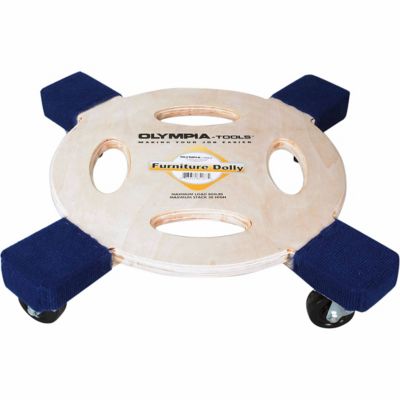
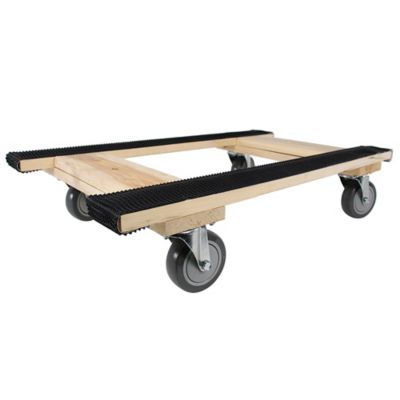
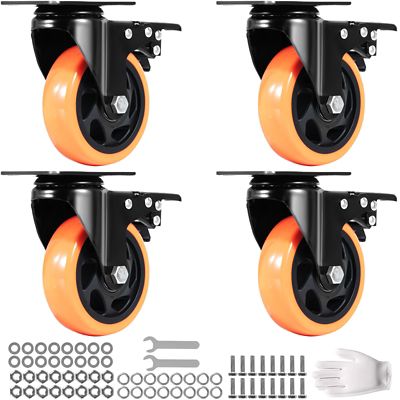
Dollies for Moving Furniture offer another approach, supporting furniture on wheels rather than moving it directly along the floor. Sliders and wheeled moving equipment serve different roles, and neither makes stairs or an obstructed route a simple task. Between moves, a little attention helps keep sliders ready for the next job. Felt surfaces need checks for embedded grit, flattened areas, and worn spots. Rigid faces need checks for cracks, rough edges, and debris, while attachment layers need a look for lifting or slipping. Cleaning should follow the material’s care directions, and pads that no longer provide full, even contact need replacing. Removable sets are easier to keep track of when stored together in a dry spot with other household moving supplies. For renters, homeowners, and anyone who regularly shifts furniture to clean, properly matched sliders can make those familiar chores easier to handle without turning a simple room rearrangement into a bigger project.