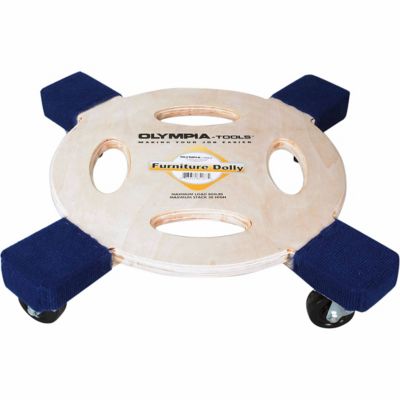
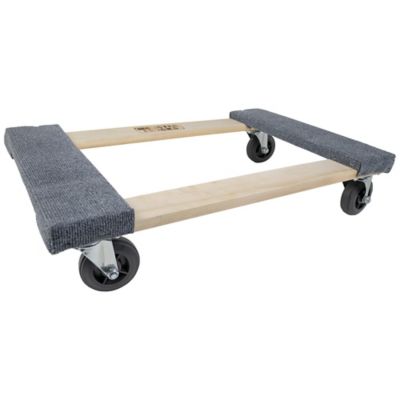
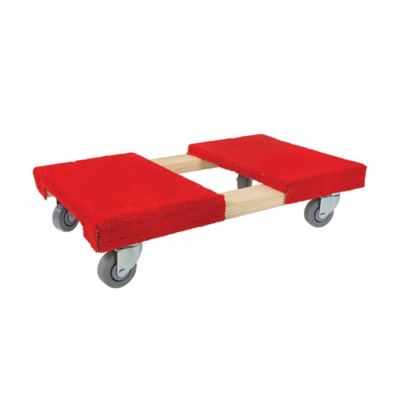
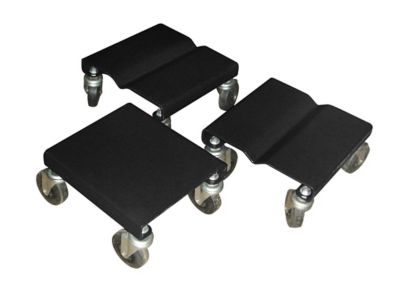
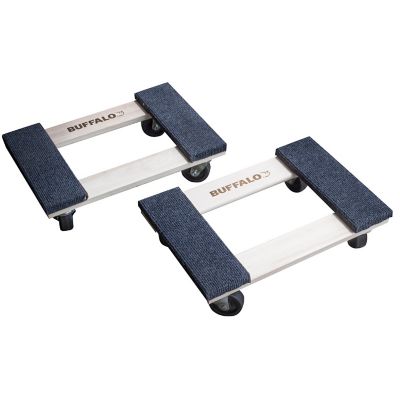
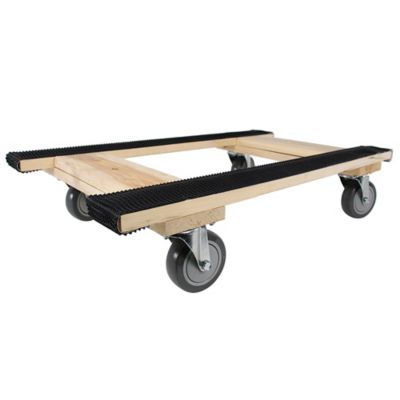
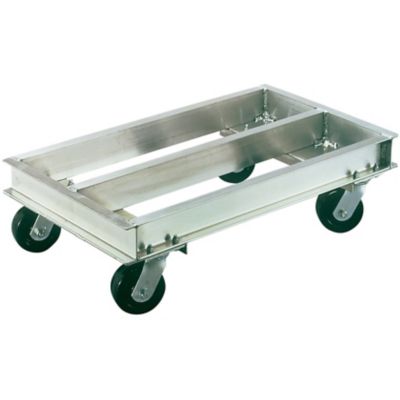
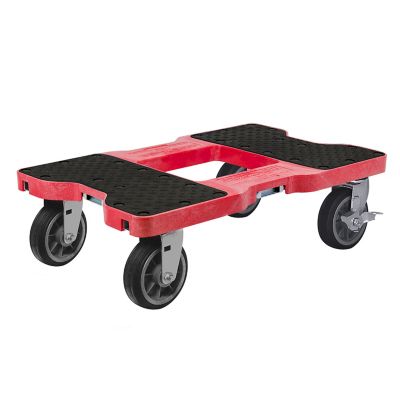
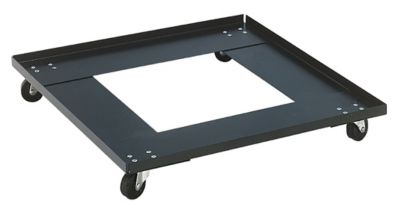
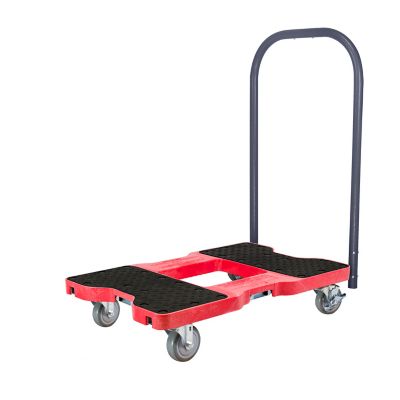
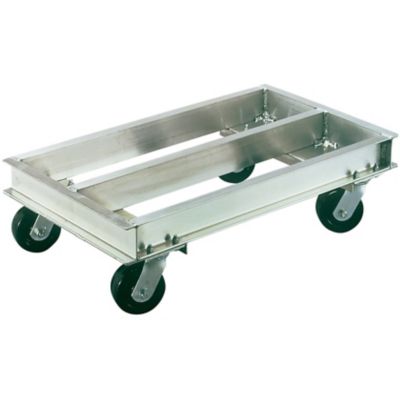
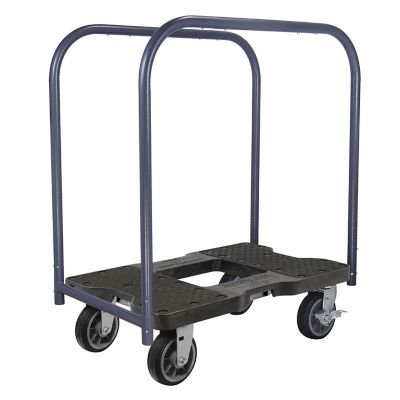
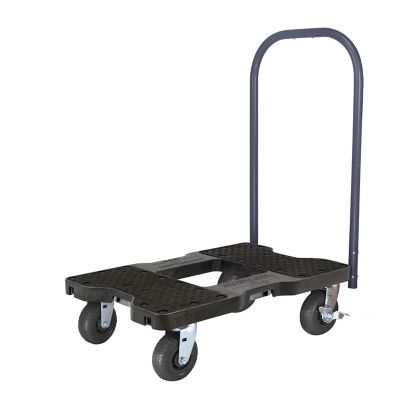
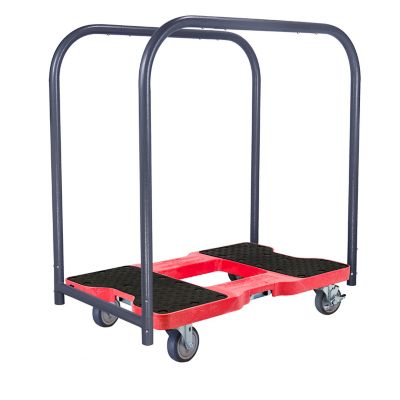
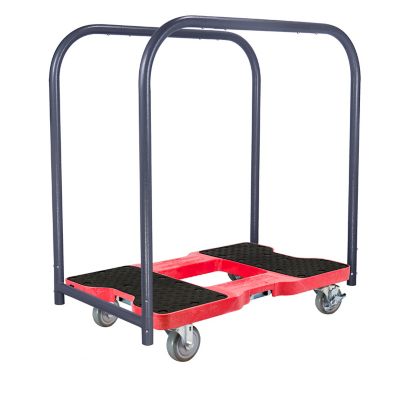
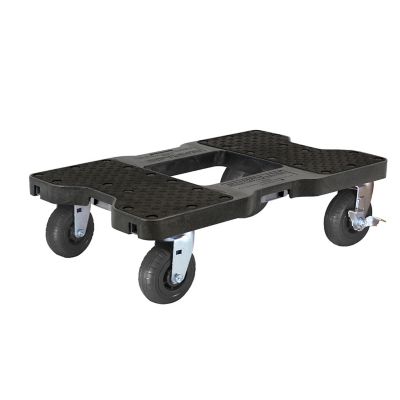
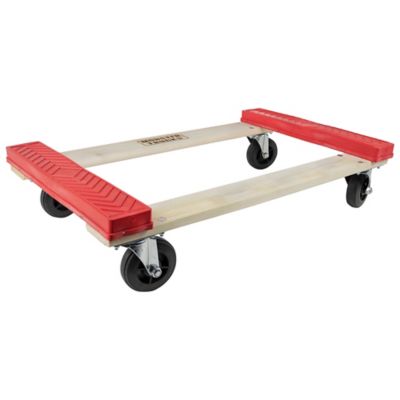
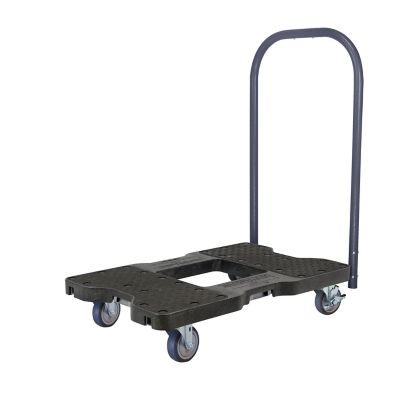
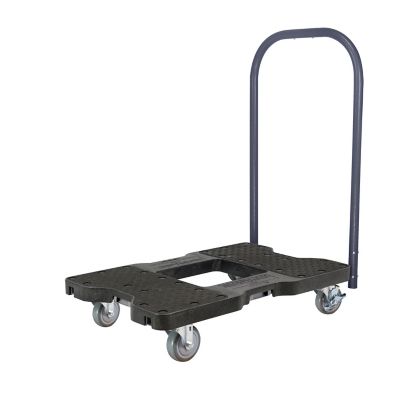
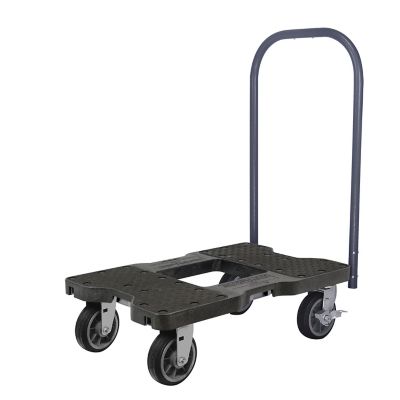
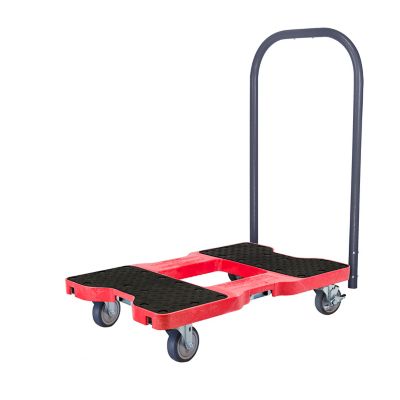
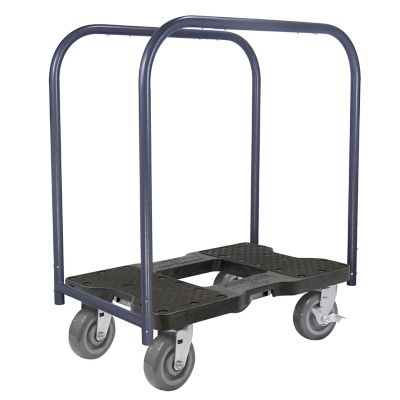
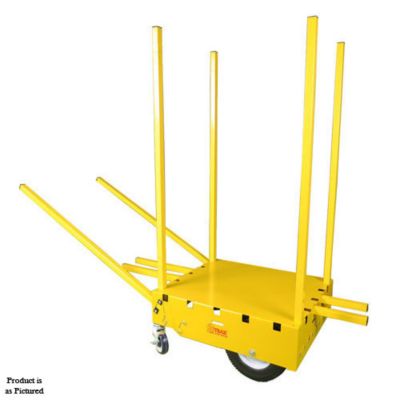
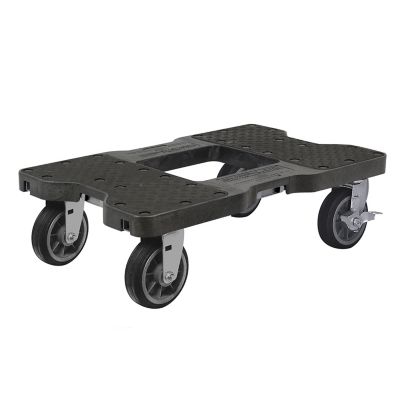
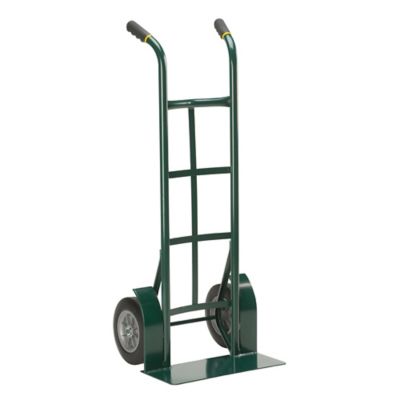
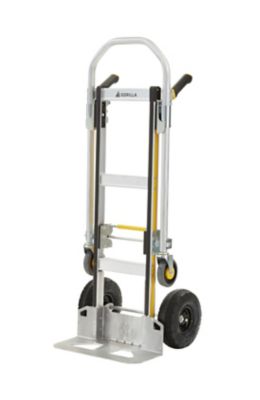
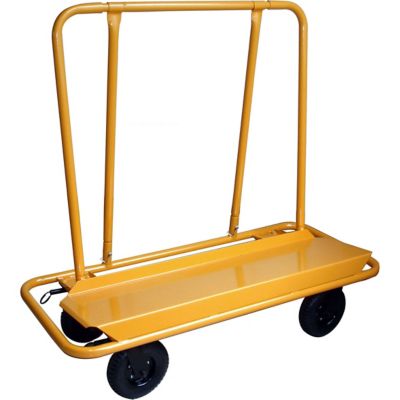
Furniture dollies are low, wheeled platforms that support heavy furniture while it rolls across a firm, level floor. Most have four wheels, with swivel casters on many designs to help a load turn through doorways and around corners. Unlike an upright hand truck, which carries a tilted load against a frame, a platform furniture dolly supports the load from underneath. That low profile makes dollies for moving furniture a practical choice for dressers, cabinets, tables and other pieces with a stable base. They fit plenty of everyday jobs, from rearranging a farmhouse living room to clearing space in a shop office or moving furnishings between rooms at a rental property. Homeowners, maintenance crews, property managers and professional movers all have reasons to keep this kind of equipment close at hand. The right match depends on more than the weight of the furniture, though. The shape of the base, the balance of the load and the route through the building all affect how a dolly handles. A wide cabinet with a solid bottom presents a different job than a narrow bookcase or a sofa resting on small feet. Open-frame platforms offer support along their rails, while solid-deck platforms provide a broader surface beneath the load. Small individual furniture movers can sit beneath separate support points, but they have different handling requirements than a single platform. Furniture also has to be lifted onto a dolly, so a rolling platform does not replace suitable lifting equipment or enough help for loading. For a household move or a room rearrangement, the benefit is straightforward: once a suitable piece is safely supported and secured as directed, the wheels carry it along the floor instead of someone having to carry its full weight across the room. That distinction matters when the path runs from a back bedroom, down a hallway and into an open living area.
Construction and wheel design make a noticeable difference in how furniture moving dollies fit a job. Hardwood frames are common on open platforms, often paired with carpeted rails that cushion contact points. Steel frames can provide a rigid structure, while molded plastic platforms offer another option with different deck shapes and surface textures. Frame material alone does not establish carrying capacity; the deck, joints, hardware and casters all contribute to the manufacturer’s rating. Carpet, rubber pads and textured surfaces can help cushion furniture or limit sliding, but none takes the place of proper load support and securement. Grit caught in a padded surface can still mark a cabinet bottom, and an exposed fastener can damage a finished edge. Wheel material deserves just as much attention as the platform. Depending on their formulation and the floor beneath them, rubber and polyurethane wheels can offer a quieter ride and a gentler contact surface than hard wheels. Harder wheels may roll more freely on some smooth floors, but no wheel should be assumed safe for every finish. A nonmarking designation refers to marking characteristics, not a promise against scratches, dents or damage from trapped debris. Larger-diameter wheels generally handle small floor joints more readily than smaller ones, although raised thresholds can still stop a loaded platform. Carpet adds rolling resistance, especially when it is thick or soft, and loose gravel is not a suitable surface for many indoor furniture dollies. Swivel casters help with turns, while designs combining fixed and swivel wheels can track differently along a straight path. Platform dimensions matter, too: enough support beneath the furniture is important, but a wide deck still needs room to pass through the doorway. Clearance beneath low furniture, caster height and the space needed to rotate a load are worth comparing with the actual route. In a tight hallway, the turning room at the corner may matter more than the width of the straight stretch leading up to it.
Weight capacity is one of the most important specifications on a furniture dolly, but it needs to be read alongside the manufacturer’s loading requirements. A rating may depend on an evenly distributed load, suitable flooring and other stated conditions. A heavy piece resting on one corner or a narrow furniture foot can place stress on a small part of the deck rather than spreading it across the platform. Combining multiple dollies does not automatically create a safe capacity equal to the sum of their ratings, either; uneven floors and shifting weight can leave one platform carrying far more than another. Tall furniture brings another concern because a low rolling base does not eliminate a high center of gravity. A loaded bookcase, for example, can become unstable well before the wheels reach their rated limit. Drawers, doors and loose contents also affect balance and need attention according to the furniture and equipment instructions. Furniture dollies intended for level-floor travel are not stair-climbing equipment, and ramps or slopes call for equipment specifically suited to those conditions. For the rest of the setup, explore
Tools for Moving Furniture for equipment that complements a rolling platform. Keeping a dolly ready for its next job comes down to straightforward care: clean contact surfaces, freely turning wheels and sound connections. Hair, string and packing scraps can wrap around axles, while loose caster mounts or cracked frame members can affect support. Bearings and swivel assemblies may need maintenance according to the manufacturer’s directions. Dry storage helps protect wood and metal components, and a designated spot along a garage or shop wall keeps the platform out of walkways. For occasional household rearranging, compact storage may be a deciding factor. For repeated work across a property or building, accessible hardware and serviceable casters can matter more. Matching the platform, wheels and rated capacity to the furniture and floor makes the dolly a useful part of the moving setup, whether the destination is across the room or down the hall.