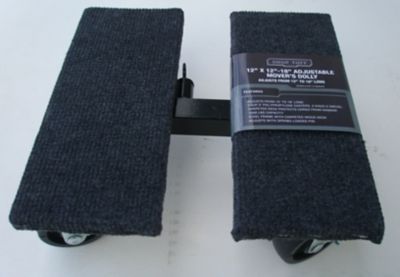
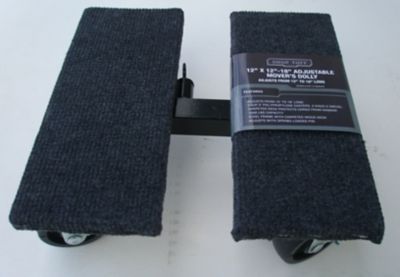
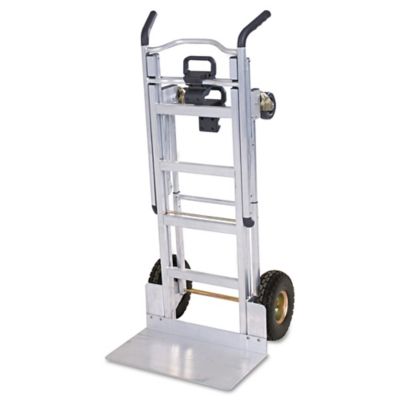
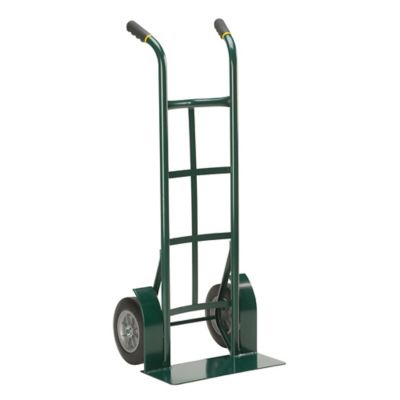
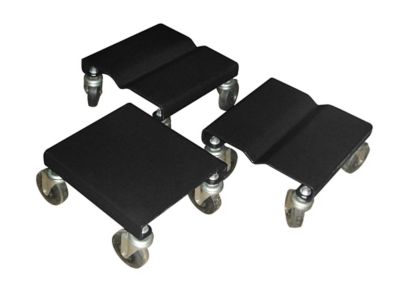
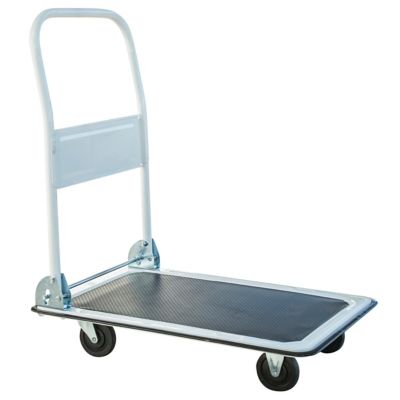
Gun safe dollies are heavy-load moving tools built to support and maneuver safes during relocation, delivery, or a change in room layout. Their job goes beyond getting a heavy cabinet rolling: the right equipment provides rated support, a secure connection to the load, and controlled movement along a suitable path. A gun safe can weigh several hundred pounds or well over a thousand, so its weight and dimensions matter more than how manageable it looks sitting against a wall. Purpose-built safe moving equipment includes paired lifting dollies, hydraulic moving systems, and heavy-duty appliance-style hand trucks expressly rated and configured for safes. These designs handle loads differently, and their capacities are not interchangeable. Paired systems support the safe from opposite sides, with lifting mechanisms and restraints that vary by model. Hydraulic versions provide lifting assistance through a jack mechanism, while other designs rely on mechanical lifts. Straps secure the load on many systems, but a strap alone should not be assumed to provide lifting action. Low lifting heights can keep the safe close to the floor during travel; they do not eliminate the tipping risk that comes with a tall, heavy load. An ordinary furniture dolly is not automatically a suitable substitute, even if its stated capacity looks sufficient. Deck size, load position, restraint provisions, and the manufacturer's intended application all count. For a ranch office, farmhouse, workshop, or sporting equipment room, gun safe dollies can make sense when a safe needs to move across a supported, level floor. They also serve installers and property maintenance crews who handle heavy cabinets as part of their work. A short move from one wall to another still calls for equipment matched to the full load. Distance alone does not make a safe easier to control, especially when a narrow doorway or tight corner sits between its starting point and its final spot.
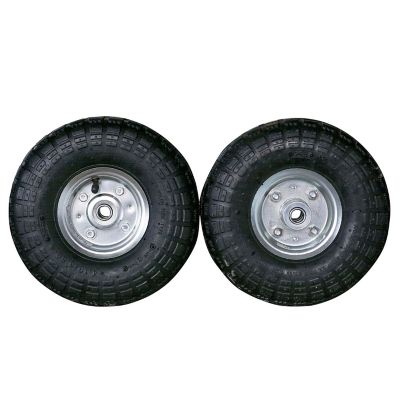
Fit starts with the safe's actual moving weight, including anything that remains inside, and the equipment's published load rating. Some ratings apply to a complete pair rather than each individual dolly, so the distinction matters when comparing heavy-duty safe movers. Adding the ratings of separate components does not establish a safe system capacity unless the manufacturer specifically permits that arrangement. Safe width, depth, base construction, and accessible lifting points also determine compatibility. A lifting toe needs suitable engagement beneath the base, while support pads and straps need positions that will not bear against a handle, dial, keypad, hinge, or other vulnerable part. Removing a safe door is not a routine weight-saving shortcut; door assemblies can be extremely heavy, and removal may create another handling hazard. Materials and construction matter throughout the equipment, from welded steel frames and reinforced lifting plates to axles, bearings, fasteners, and lifting components. Protective contact pads help separate metal surfaces, but they need to stay clean and intact to avoid trapping grit against the safe's finish. Wheel selection affects both rolling resistance and floor contact. Polyurethane-tread wheels often balance smooth rolling with surface protection, while harder wheel materials may suit certain industrial floors but present a greater risk of marking or damage on finished surfaces. No wheel material guarantees a mark-free move. A caster's diameter, tread width, bearing design, and load rating all influence how it behaves beneath a concentrated load. Swivel casters can help with positioning, though a heavy safe still needs room to turn without swinging into trim or pinning the equipment against a wall. In a hallway, the dolly's outside width and handle clearance may become the limiting measurements, not the safe alone. Floor protection must also be compatible with the equipment: loose rugs, soft sheets, and makeshift runners can bunch up or interfere with casters. A suitable route accounts for the combined weight of the safe and moving equipment, along with the floor's structural capacity. Tile edges, soft flooring, and unsupported transitions deserve particular attention before any load reaches them.
The intended travel surface is a key difference between gun safe moving dollies and equipment meant for other hauling jobs. Small casters that roll well across smooth concrete may stop abruptly at a raised threshold, a floor joint, or loose gravel. A low-profile frame does not make a dolly suitable for dirt, steps, or uneven ground, and a high weight rating does not mean the equipment can handle an incline. Stairs and sloped routes call for a separate assessment, equipment specifically rated for the task, and trained handling; professional safe movers are the sensible choice when the route or load is beyond the equipment's stated limits. Even on level ground, restraints, coordinated handling, and a clear path remain important. Hands and feet need clearance from pinch points beneath the safe, around lifting plates, and beside wheels. The safe door should remain secured as directed by its manufacturer so it cannot swing and upset the load. For long service life, these moving tools benefit from attention to the parts that do the hardest work. Frayed webbing, bent lifting toes, cracked welds, loose hardware, damaged wheels, or hydraulic leaks are reasons to take equipment out of service pending proper evaluation. Clean wheel treads roll more consistently, intact pads protect contact areas, and manufacturer-specified lubrication helps moving components operate as intended. Storage matters, too: straps belong away from sharp edges and chemicals, and lifting mechanisms should be stored in the position specified by their manufacturer. Once the safe reaches its intended location, proper positioning and anchoring follow the safe maker's directions rather than the dolly's capabilities. Interior storage can then suit the space, with a
Gun Safe Organizer helping keep compatible accessories and smaller belongings in order. From a careful room rearrangement to a planned installation, the strongest match is equipment whose lifting method, contact points, wheels, and rated capacity fit both the safe and the route.