Tools for moving furniture help take some of the strain out of shifting a couch, rolling a bookcase across a room, or getting a heavy dresser from the house to a moving truck. The main categories include furniture dollies, furniture sliders, lifting straps, hand trucks, and furniture lifters, with each suited to a different part of the job. Dollies carry furniture on wheels across suitable surfaces, while sliders reduce friction beneath furniture legs or bases. Lifting straps provide designated lifting points for compatible loads, and lever-style lifters can raise an edge just enough to position a support underneath when the furniture and tool allow it. The right choice depends on more than weight: the shape of the furniture, the strength of its base, the flooring, and the route all matter. A broad cabinet with a solid bottom presents a different challenge than a sofa on narrow feet or a tall shelving unit that can tip easily. For homeowners rearranging a living room, renters changing addresses, or property managers clearing a space between tenants, matching the equipment to the load helps keep the work manageable. Furniture weight should stay within the tool’s stated load capacity, including any restrictions on how that weight must be distributed. Dimensions deserve just as much attention. A platform needs enough support beneath the furniture to keep the load balanced, and a lifting pad needs a firm contact point rather than a thin trim piece. Door openings, hallway turns, and thresholds can determine whether wheels, sliders, or a planned carry make the most sense. Even a short move from the den to the spare bedroom can call for more than one type of equipment. Rolling support may work well across an open room, while a doorway lip or change in flooring calls for a pause and a different approach. Furniture-moving equipment assists with the load; it does not replace enough helping hands, a clear path, or professional help for especially heavy or awkward pieces.
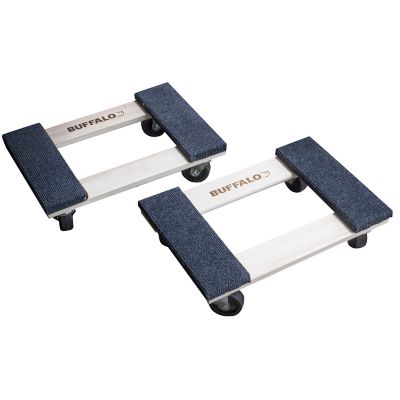
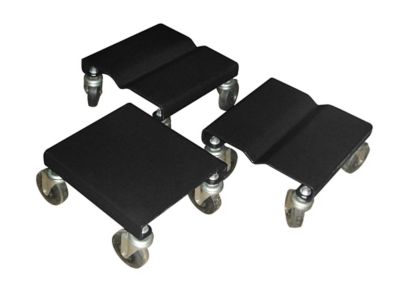
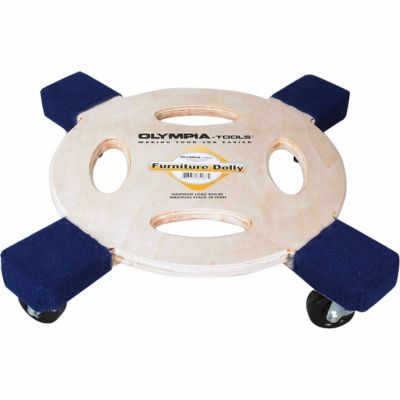
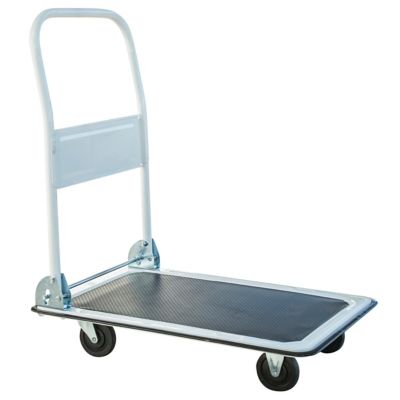
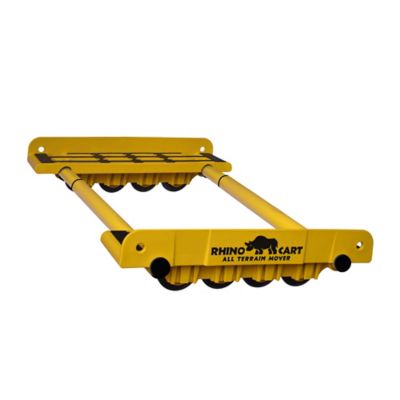
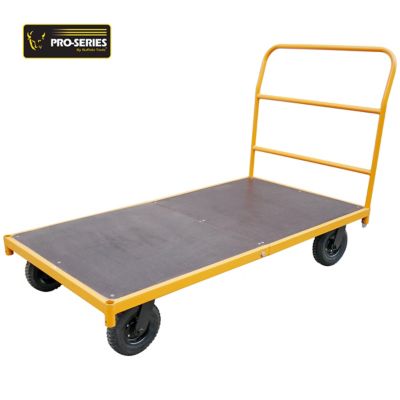
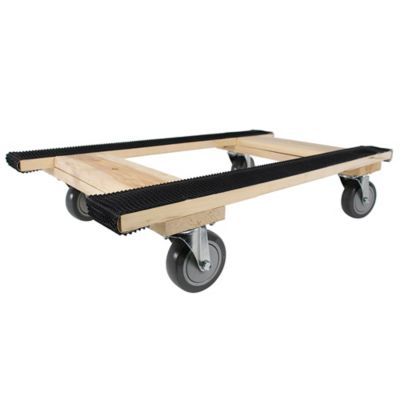
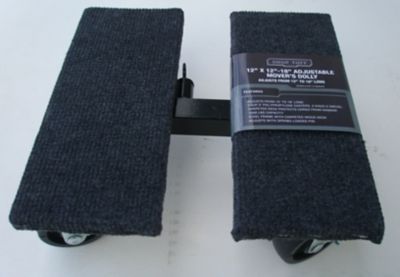
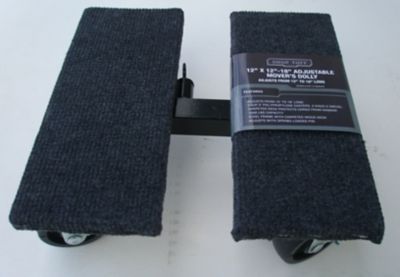
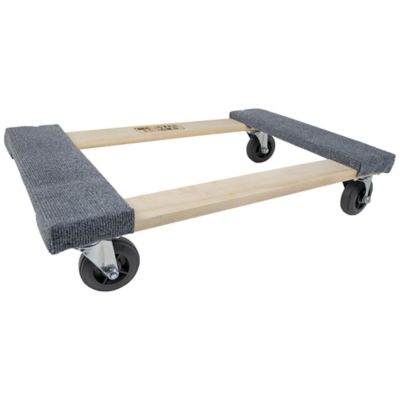
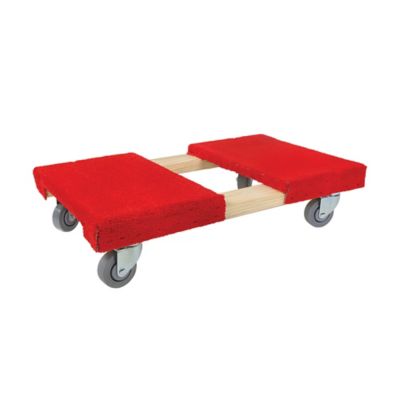
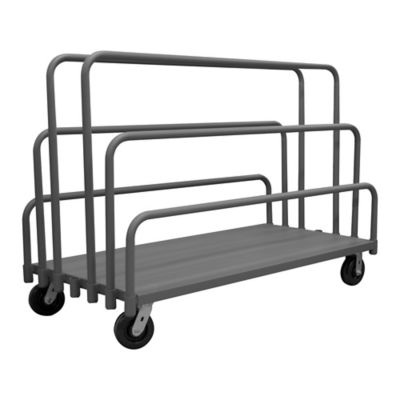
Furniture dollies generally offer a low platform supported by casters, making them a practical fit for moving substantial furniture across level floors. Wood platforms, steel frames, carpeted contact surfaces, and rubber pads serve different purposes: the structure supports the load, while the contact material can help cushion the furniture and limit slipping. Those comparing
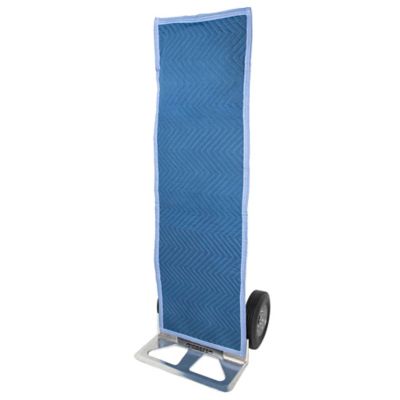
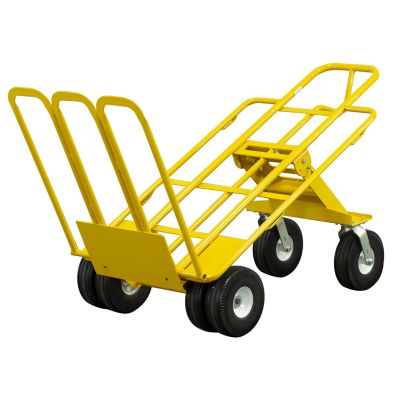
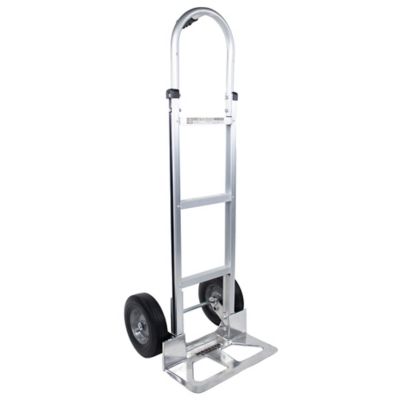
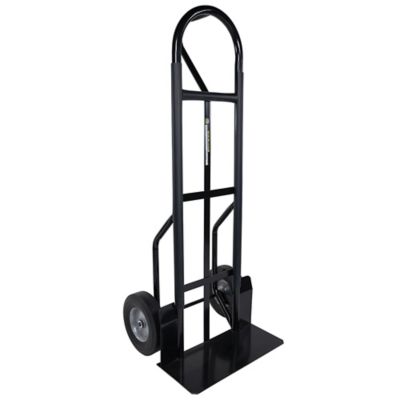
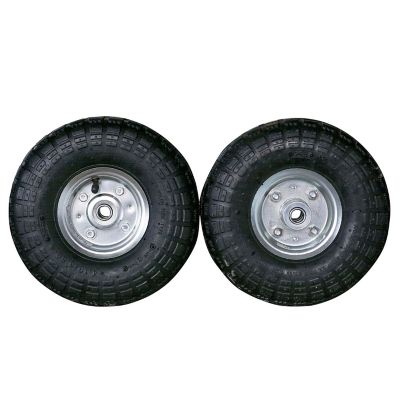
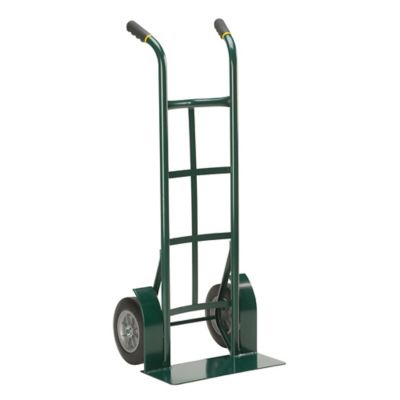
Dollies for Moving Furniture should consider platform dimensions, caster construction, load ratings, and how the furniture will sit on the deck. Swivel casters help with turning in close quarters, though enough room is still necessary to swing a long couch or wide cabinet around a corner. Wheel diameter affects how a dolly handles small surface irregularities, and wheel material influences rolling resistance and contact with the floor. Soft rubber or suitable polyurethane wheels may be appropriate for finished floors, but compatibility depends on the wheel, the finish, and the load. No wheel makes a floor immune to damage, especially when grit gets caught underneath. Small corner dollies and roller supports can fit beneath individual furniture feet, but their separate contact points require careful positioning and a load that stays stable as it moves. Hand trucks offer a different arrangement, with an upright frame, a lower toe plate, and handles for controlling a tilted load. Their fit depends on whether the furniture has a sound base, can rest securely against the frame, and can be restrained according to the equipment instructions. A tall chest is not automatically a good match simply because it fits on the toe plate. Flat furniture dollies are intended for suitable floor travel, not ordinary stair use, and a standard hand truck should not be treated as stair-moving equipment unless its manufacturer allows that application. For moving between a house, shop, and outbuilding, the whole route matters. Gravel, uneven ground, steps, and unsupported gaps can stop small casters or upset a load. A wheel that rolls smoothly through a dining room may be the wrong choice for crossing the yard.
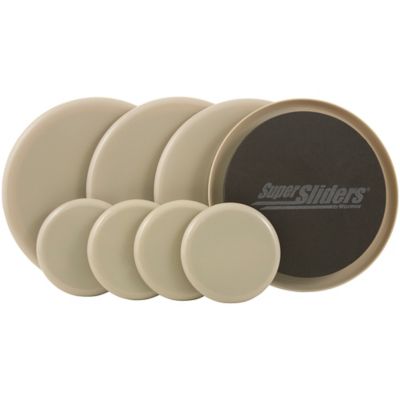
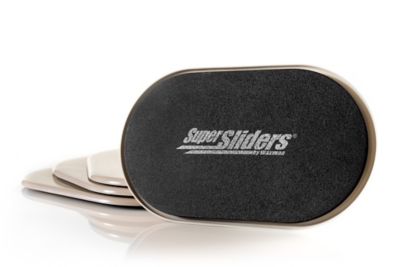
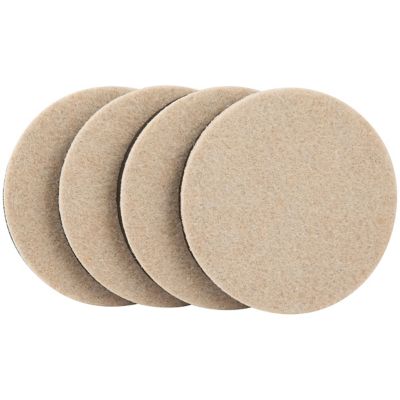
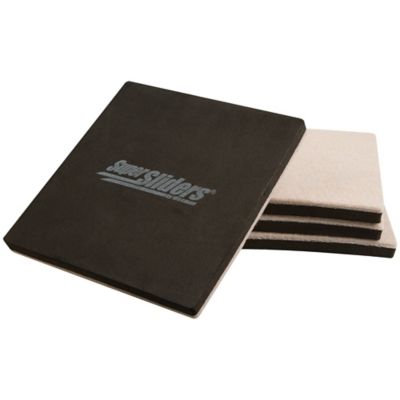
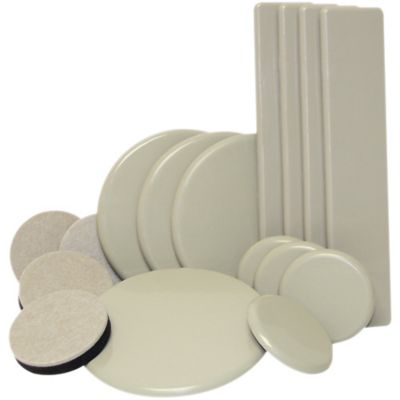
Furniture sliders are useful when the job calls for shifting a piece across the floor rather than transporting it on a wheeled platform. Felt-bottom sliders are commonly intended for compatible hard flooring, while smooth plastic-bottom sliders are commonly intended for carpet. The furniture-facing side may include foam or another gripping surface to help keep a foot or base seated. Pad size and shape should suit the contact area, with enough support to avoid concentrating the furniture’s weight on a small spot. Sliders should match both the flooring and the load; a pad meant for carpet is not interchangeable with one intended for a finished wood floor. Clean contact surfaces matter here, too, since sand or small debris can scratch a finish even beneath a soft pad. Furniture lifters pair a handle and lifting point to provide leverage, sometimes with a protective contact pad. Their usefulness depends on clearance underneath the furniture and a strong lifting location, with fingers kept clear of pinch points and the raised edge supported as directed. Lifting straps and harnesses serve another purpose, giving one or more movers defined contact points for carrying suitable furniture. Woven webbing, reinforced stitching, adjustment range, and the stated weight limit are important considerations, along with whether the design requires two people. Straps do not make an oversized load safe to carry, and both movers need room to stand securely and communicate through turns. Moving blankets, edge protection, and appropriate securing straps can complement lifting and rolling equipment by cushioning surfaces and helping control the load when applied as directed. Long service life comes down to construction and care as well as capacity. Wheels should turn freely, mounting hardware should stay tight, and webbing should be free of cuts or fraying. Dirt should be removed from pads and rolling surfaces before they touch another floor, and equipment should be stored clean and dry. For households that regularly rearrange rooms or move furnishings between properties, well-matched tools can turn a wrestling match with a stubborn dresser into a more controlled job.