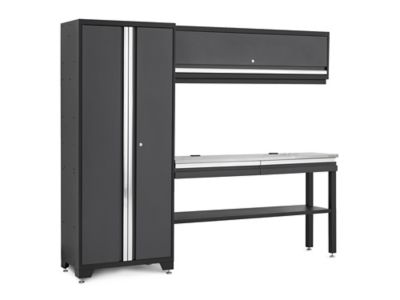
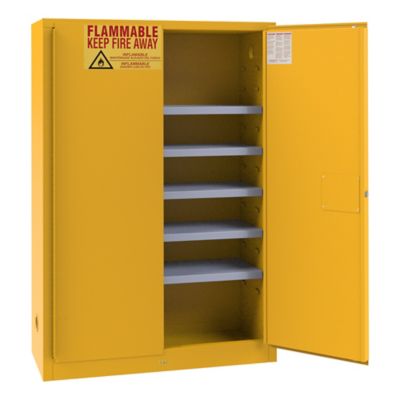
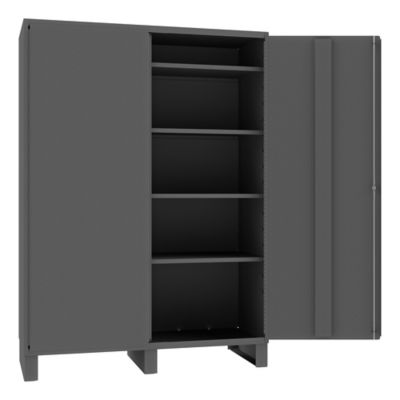
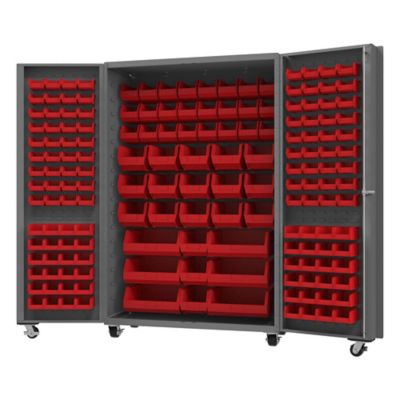
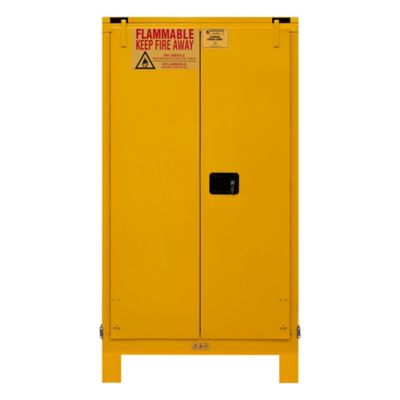
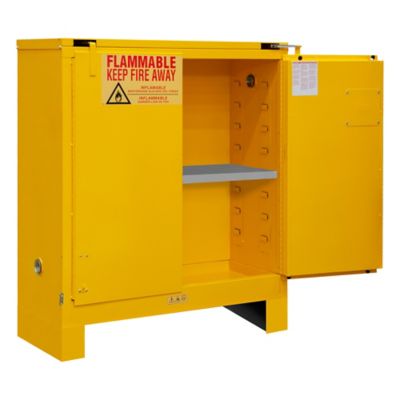
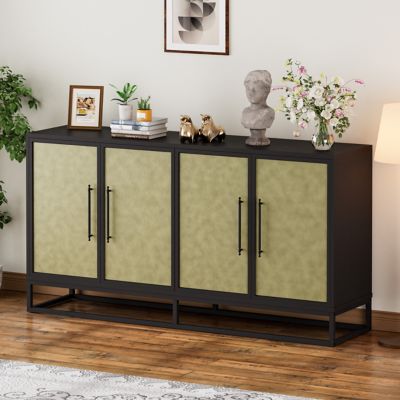
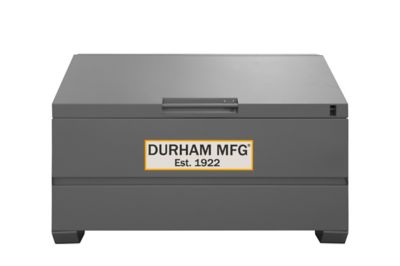
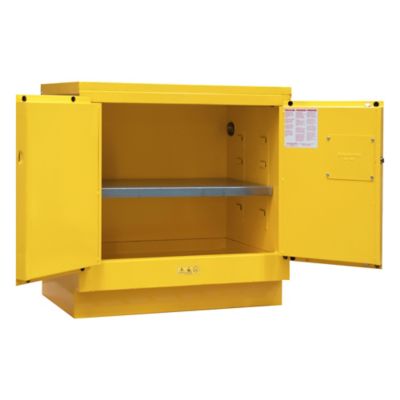
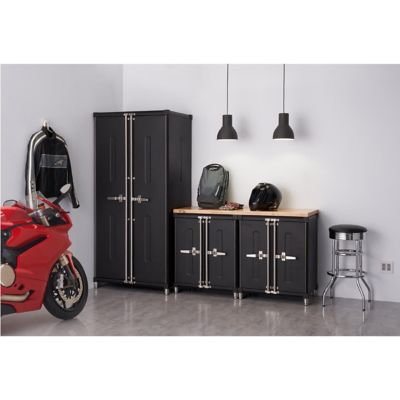
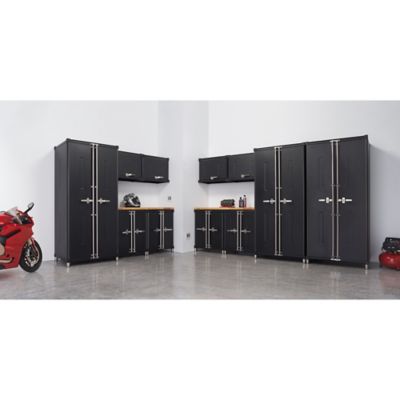
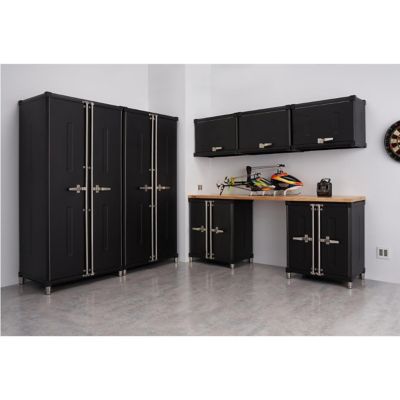
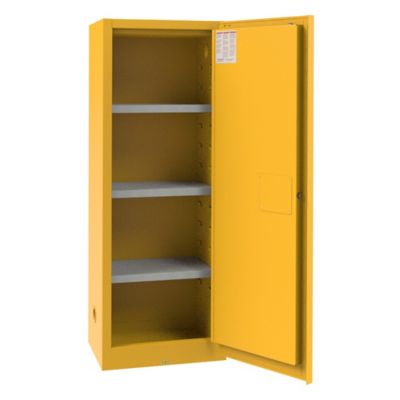
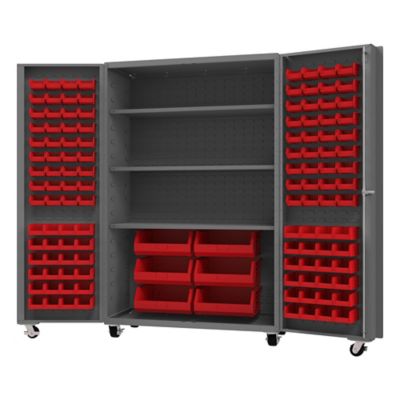
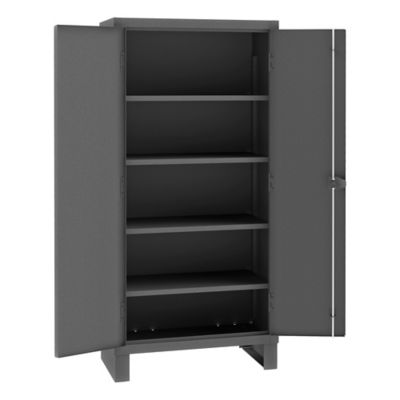
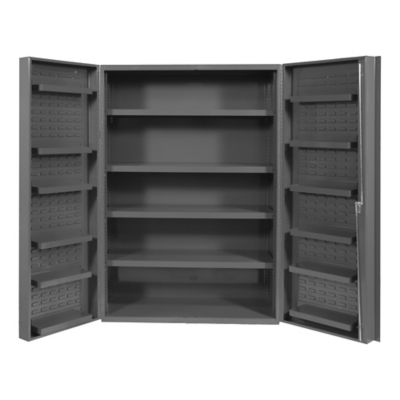
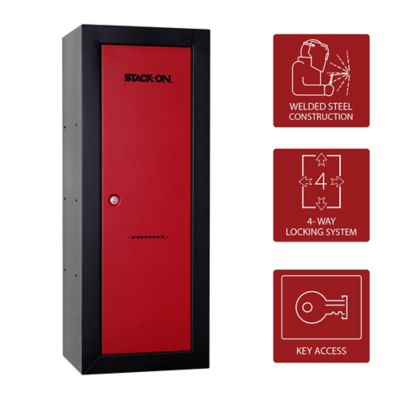
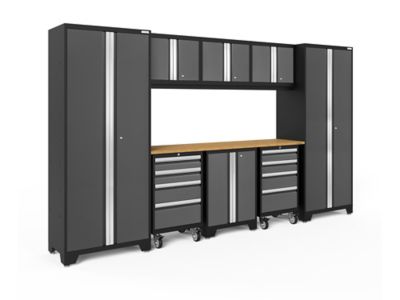
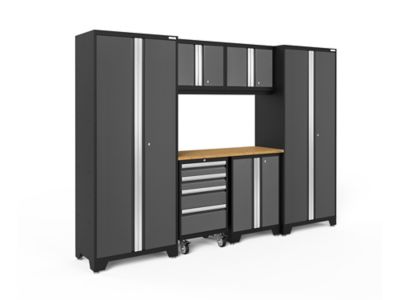
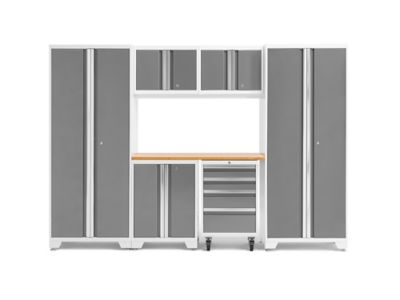
Fully assembled storage cabinets make it easier to bring order to a busy home, shop, barn office, or garage without spending an afternoon sorting hardware and fitting panels together. These cabinets arrive ready to place and put to work, which can be a real help when the seasons shift and tools, cleaning supplies, feed-room items, paperwork, or household extras need a proper home. A tall cabinet can make use of vertical space in a mudroom or workshop, while a lower cabinet can fit beneath a workbench, along a wall, or under a window. Before choosing one, measure the space from floor to ceiling and from wall to wall, then account for door swing, trim, outlets, nearby equipment, and the path the cabinet will take through the house or shop. A cabinet that fits neatly into a corner may still be hard to open if a freezer, vehicle, bench, or gate sits too close. Check the listed outside dimensions, interior shelf space, shelf adjustment options, weight limits, and overall cabinet weight so the unit matches the job. Steel cabinets are often a good fit for garages, workshops, utility rooms, and farm offices where tools, hardware, paint supplies, fasteners, and maintenance items need contained storage. Wood and engineered-wood cabinets can bring a warmer look to an entryway, home office, bedroom, laundry area, or living space while giving everyday items a place to stay out of sight. Wall-mounted and compact cabinet styles can help in smaller rooms, including bathrooms, where floor space is limited. Think about what you plan to store and how often you will reach for it. Wide shelves may work well for bins, folded blankets, small appliances, or paper supplies, while narrower compartments can help keep spray bottles, hand tools, gloves, and cords from becoming a tangled pile. Doors with handles, latches, or locks may be useful when children, pets, visitors, or coworkers share the space. Adjustable shelves can make room for tall bottles one day and shorter containers the next, while drawers are handy for small parts that tend to disappear in an open bin. For a shop or barn setting, consider finishes that are easy to wipe down and cabinet construction suited to dust, dirt, and regular handling. In a home, pay closer attention to color, door style, and proportions so the cabinet sits naturally with the furniture already in the room. Large storage needs may call for a freestanding unit with several shelves, while a smaller cabinet can handle keys, mail, linens, grooming supplies, or office materials without taking over the room. For a room that calls for a wood-forward look, browse
Large Wooden Storage Cabinets for more room-planning options.
Fully assembled cabinets are also a practical choice for people who would rather spend their time organizing than sorting through panels, screws, and instructions. They can be helpful for a new homeowner setting up a garage, a renter making better use of a laundry area, a hobbyist arranging a work corner, or a family preparing a mudroom for boots, bags, and outdoor gear. A cabinet can make a thoughtful housewarming gift when you know the recipient is settling into a new place, updating a workshop, or trying to tame a crowded utility room. It is also a useful option for someone who appreciates a neat work area but does not have the time, tools, or interest to assemble furniture from the ground up. In a rural home, one cabinet might hold canning supplies and extra paper goods, another might keep garden gloves and small hand tools together, and a third might provide a safe spot for office records away from the kitchen table. During the cooler months, cabinets can help gather winter gear, pet supplies, extension cords, lanterns, and storm-preparation items in one easy-to-reach place. In a garage, place heavier items on lower shelves and keep frequently reached tools between waist and shoulder height to reduce stretching and bending. In a laundry room, keep detergents, stain treatments, and spare towels arranged by task, while making sure household chemicals remain closed and stored according to their labels. In a home office, shelves can hold files, printer supplies, chargers, and shipping materials, leaving the desk clear for daily work. In a living room or entryway, a closed cabinet can contain games, books, blankets, or seasonal items while keeping the room ready for company. Always set the cabinet on a level surface, follow the included anchoring directions when provided, and secure tall units to the wall when appropriate, especially in homes with children or pets. Avoid placing more weight on a shelf than the listed limit, and keep damp items from sitting against cabinet surfaces for long periods. If the cabinet will be moved, empty it first and use help for heavy units. Taking a few minutes to plan the placement, group items by use, and label bins can turn a cabinet into a simple system that keeps working through busy chores, changing weather, and everyday life.