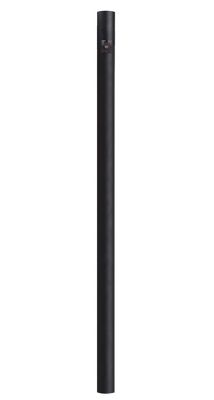
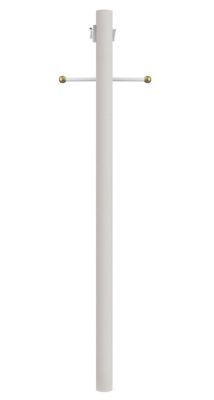
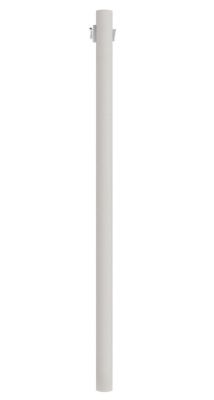
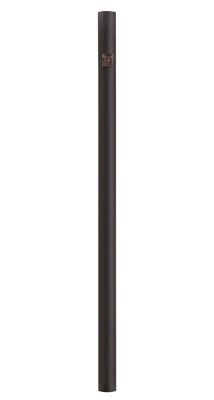
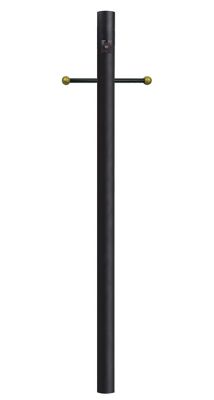
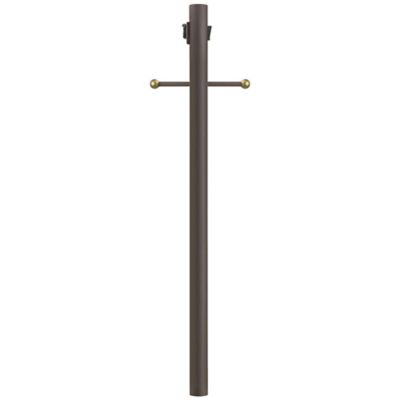
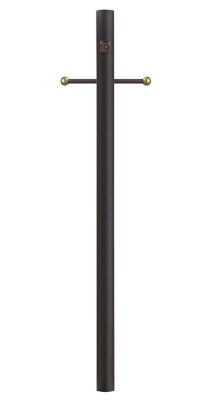
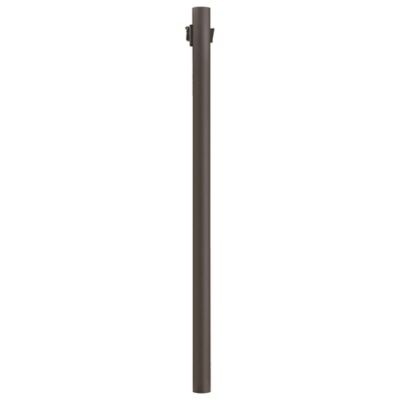
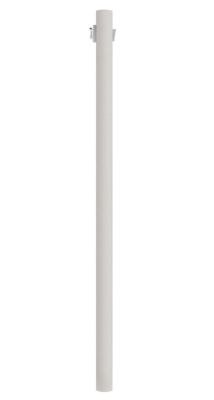
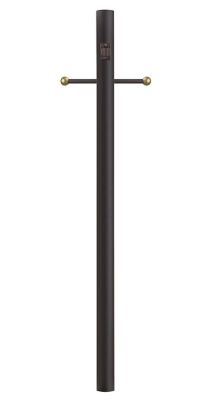
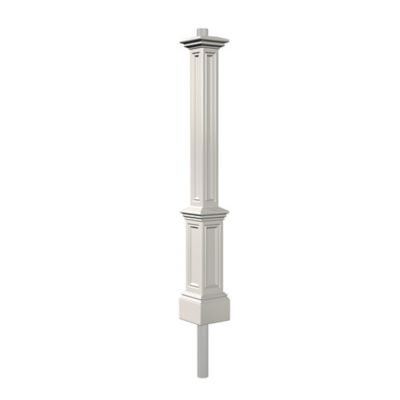
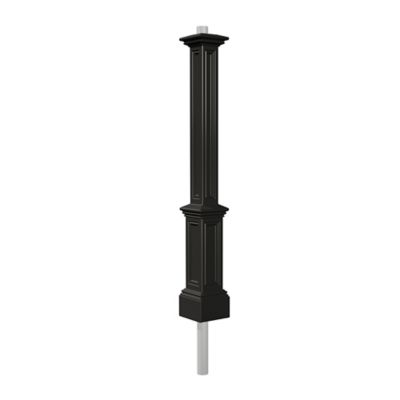
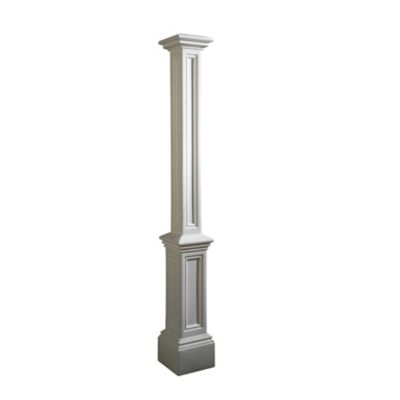
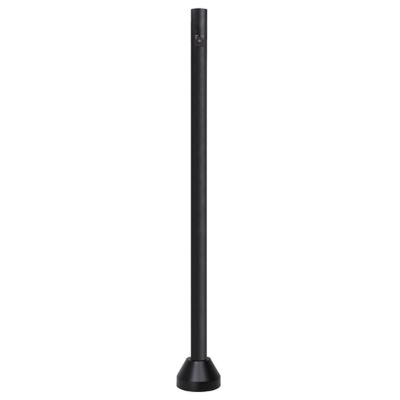
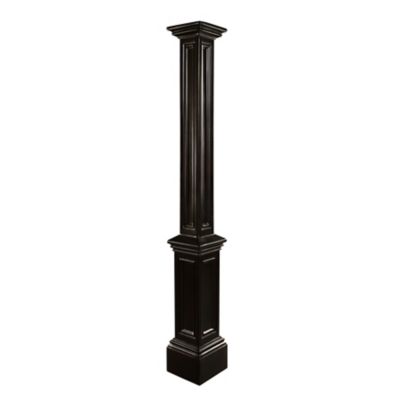
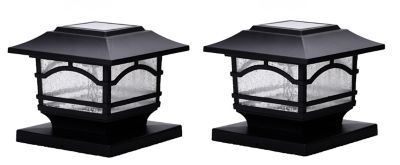
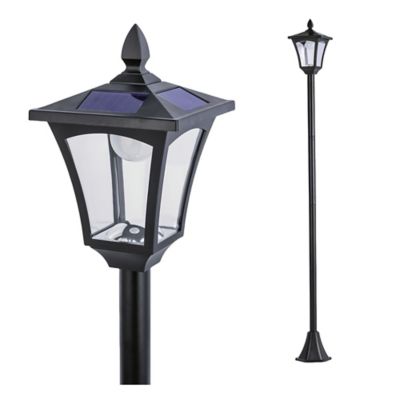
Front yard lamp posts are a simple way to add light, character, and a finished look to the space around your home. Set beside a walkway, near the end of a driveway, or close to a porch, a lamp post can help guests see where to walk while making the front of the property feel more welcoming after sunset. A warm glow along the drive can be especially handy on rural properties where the house may sit farther from the road or where existing porch lights do not reach the mailbox, gate, or parking area. These lights also help mark changes in grade, garden borders, steps, and other spots that can be easy to miss during the darker parts of the year. Choose a style that fits the home and the surrounding landscape, whether that means a traditional lantern shape for a farmhouse, a clean-lined fixture for a newer home, or a rustic design that looks at home beside split-rail fencing and gravel paths. Lamp posts are available in a range of heights, with shorter posts working well along garden paths and taller posts providing a broader spread of light near a driveway or front walk. A post around 5 to 7 feet tall can create a comfortable, close-to-the-ground glow, while taller residential posts in the 8- to 9-foot range can give a larger entry area a more substantial appearance. When placing more than one, spacing them roughly 15 to 25 feet apart can help create an even path of light without making the yard look overly bright. Keep the layout balanced with existing features such as trees, shrubs, fence lines, and the front door, and leave enough room around each post for mowing, trimming, snow removal, and routine yard work.
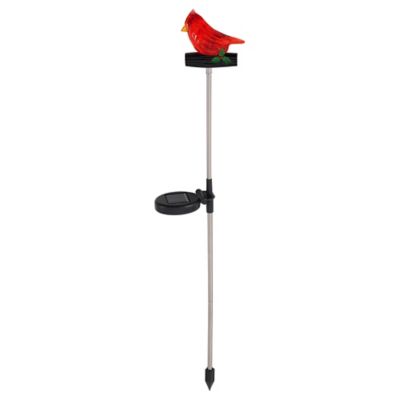
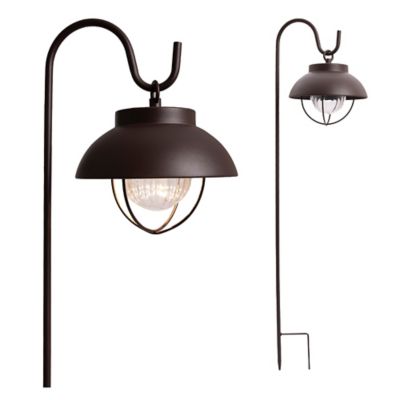
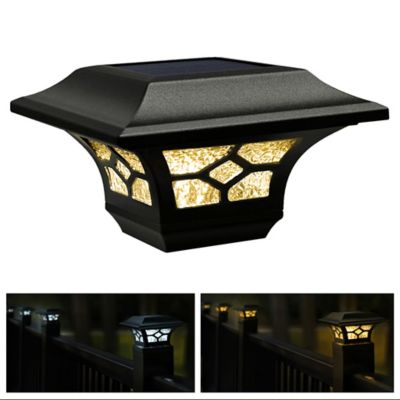
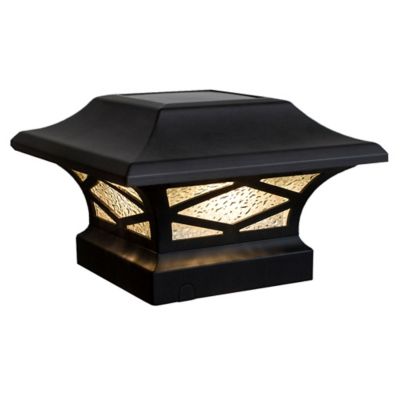
Power source is one of the biggest decisions when shopping for front yard lamp posts. Solar-powered lights collect energy during the day and turn on automatically at dusk, making them a practical choice for many homeowners who want a straightforward installation without running electrical cable across the yard. They work best in an open location that receives several hours of direct sunlight, since shade from a large oak, porch roof, or neighboring building can reduce the amount of light available after dark. Solar posts are often a good fit for garden paths, smaller yards, rental properties, and do-it-yourself projects, and they can be moved more easily if the layout changes. Hardwired electric posts offer dependable illumination and are a strong choice where steady brightness is more important than a quick setup. Line-voltage installation generally calls for underground trenching, weather-rated wiring, and careful attention to local electrical requirements, so many homeowners have this work completed by a qualified professional. Low-voltage systems use a 12-volt transformer and are commonly easier to install around walks and beds, while also offering a safer option for many outdoor lighting layouts. Follow the manufacturer’s installation instructions, use components rated for outdoor exposure, and check local codes before digging or connecting power. The right material matters, too. Powder-coated aluminum resists rust and is relatively easy to handle, while resin and heavy-duty plastic can offer dependable performance with less upkeep. Steel can bring a sturdy, substantial feel, though it should have a protective finish and be checked from time to time for chips or scratches that could allow corrosion. Look for sealed or weather-resistant housings, secure bases, and shades that keep water from collecting around bulbs and electrical connections. Solar options can also be compared with
Outdoor Solar Fence Post Lights when a lower-profile light is better suited to a fence line, gate, or raised garden edge.
When comparing front yard lamp posts, consider more than appearance alone. Check the overall height, the size of the base, the type of bulb or LED module, and the amount and color of light the fixture provides. A soft, warm-toned light tends to feel inviting near a porch and complements wood siding, brick, stone, and planting beds, while a brighter, cooler light may be useful where visibility is the main priority. Downward-facing shades can help keep light directed toward the ground, reducing glare for people approaching the house and limiting unwanted light into nearby windows. Some fixtures include dusk-to-dawn sensors, timers, motion settings, or adjustable brightness, which can help manage energy use and make the lighting fit your household routine. A secure foundation is just as important as the post itself; taller fixtures may need a deeper or wider footing to stay steady in wind, and the base should sit on a level surface away from areas where water regularly gathers. Before purchasing, measure the intended location and make sure the post will not interfere with vehicle doors, trailers, lawn equipment, delivery access, or the swing of a gate. Lamp posts can make thoughtful gifts for new homeowners, families improving an older farmhouse, or anyone putting a little polish on a driveway or garden entrance. They are useful for practical projects such as improving visibility for older family members, guiding children and guests along a walkway, or giving a house a more recognizable presence from the road. During warmer weather, installation and landscaping work can be planned together, while during cooler months a well-placed light can make early mornings and evening arrivals feel safer and more comfortable. With the right height, power source, material, and placement, a front yard lamp post can provide dependable outdoor lighting while adding a welcoming touch that feels like part of the property rather than an afterthought.