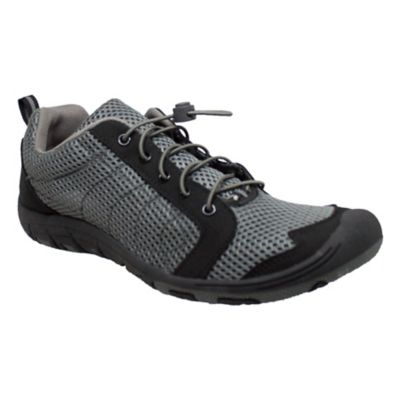
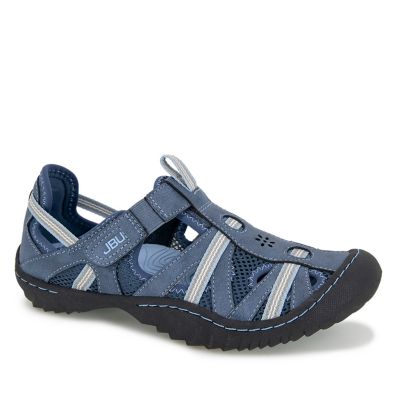
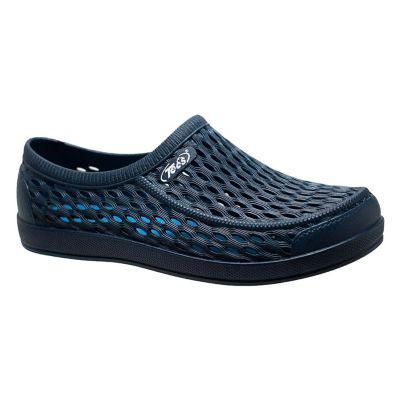
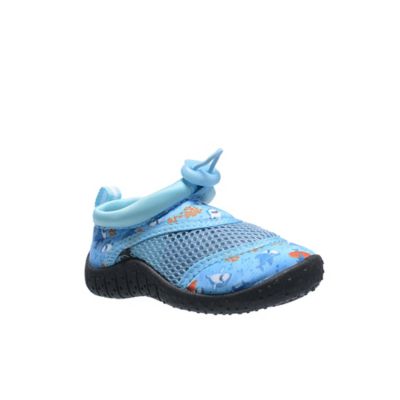
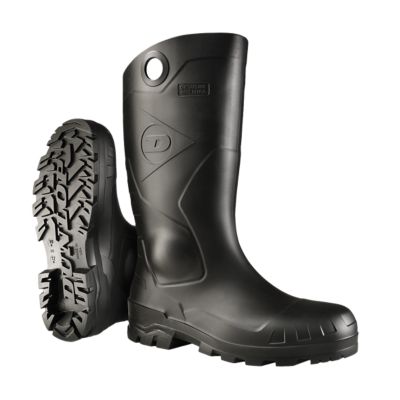
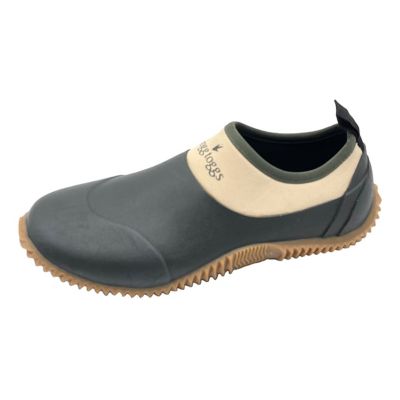
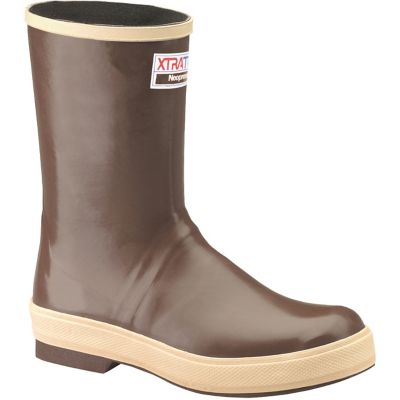
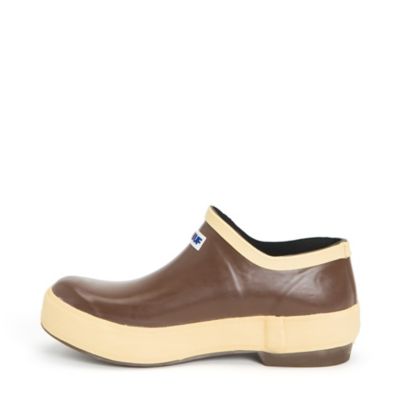
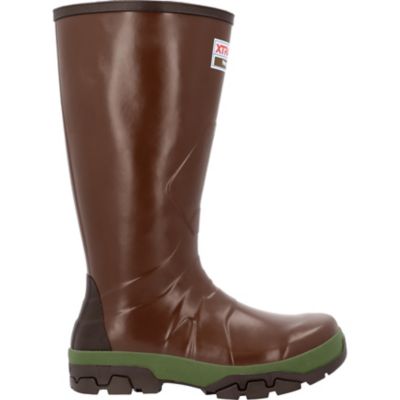
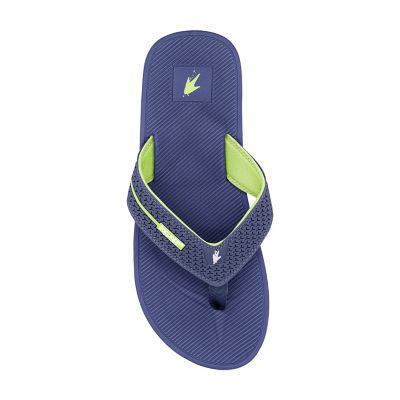
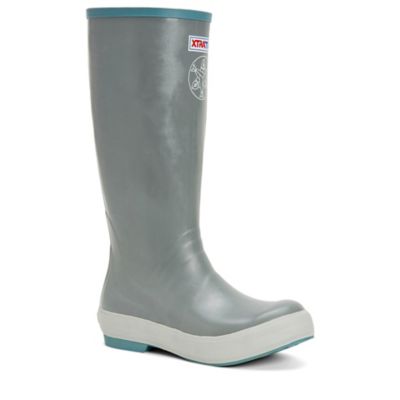
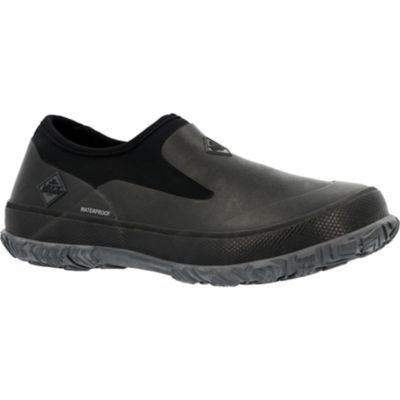
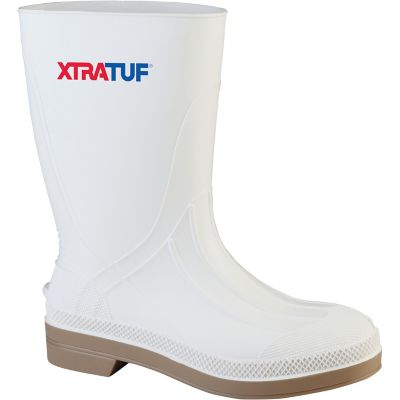
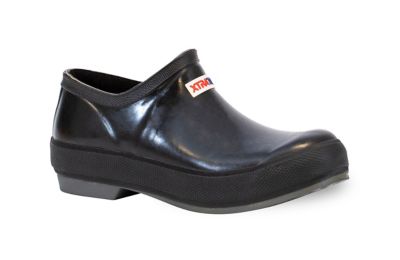
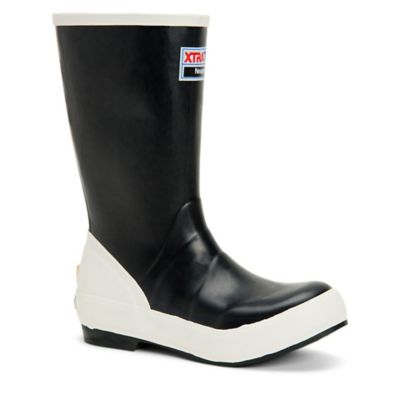
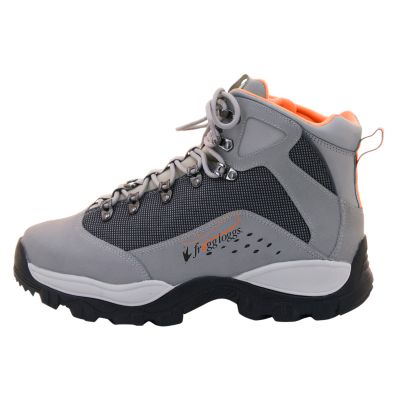
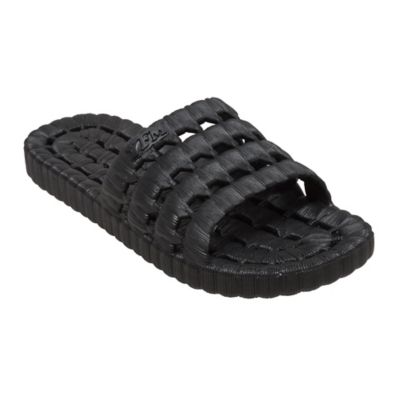
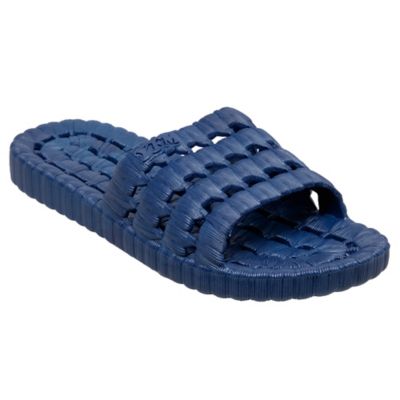
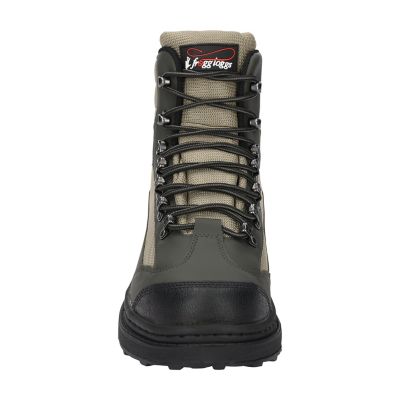
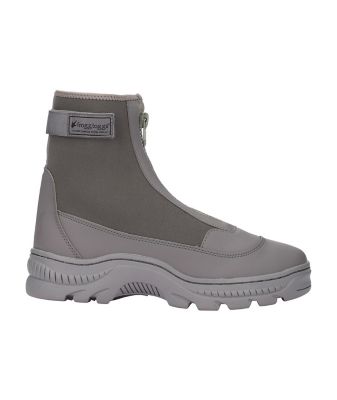
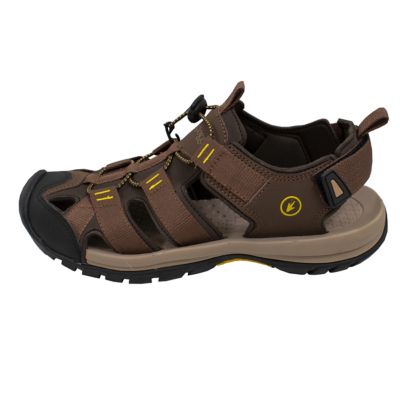
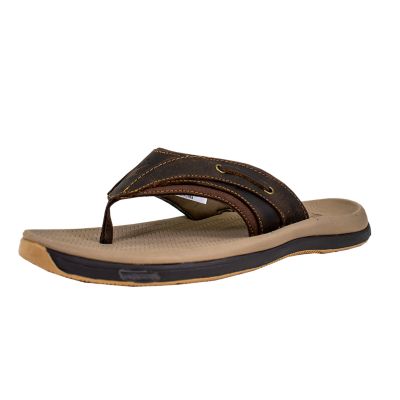
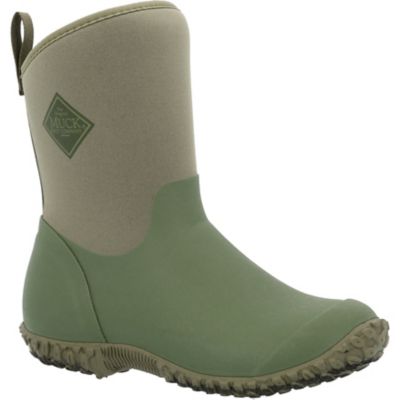
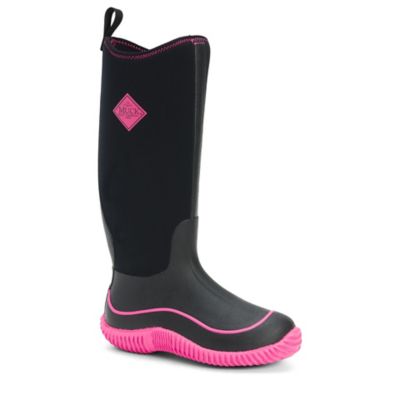
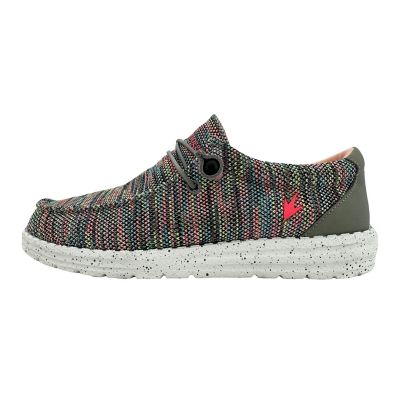
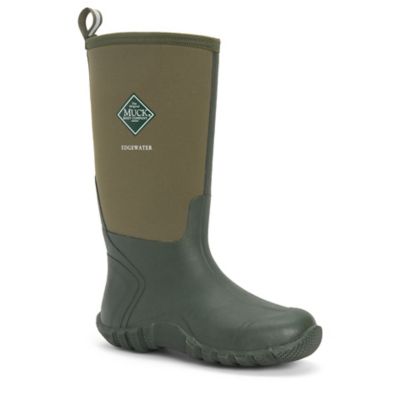
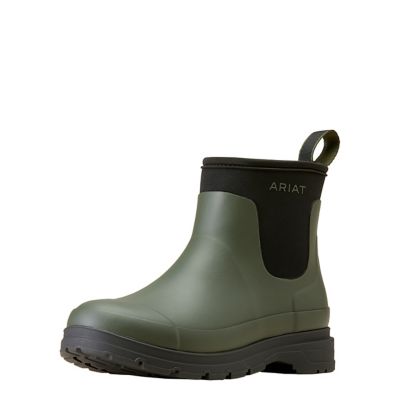
Footwear for water sports helps keep your time on the water more comfortable, steady, and worry-free. Whether you are launching a kayak from a gravel bank, standing on a paddleboard, walking along a rocky shoreline, or rinsing off after a swim, the right pair can protect your feet from sharp stones, hot sand, rough boat surfaces, and slippery footing. Water shoes are made for more than simply getting wet. Many styles use quick-drying mesh, flexible uppers, and drainage ports that let water and sand move out instead of staying trapped around your feet. A secure fit is just as important as comfort, especially when you are stepping through mud, wading in a current, or climbing back into a boat. Look for bungee laces, drawcords, hook-and-loop straps, or other closures that help keep footwear in place without making it hard to take off. A snug heel and comfortable toe room can make a long afternoon of fishing, paddling, or swimming much easier on your feet. For general outdoor use away from the water,
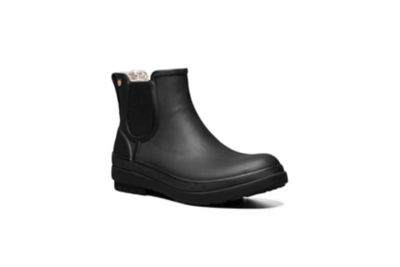
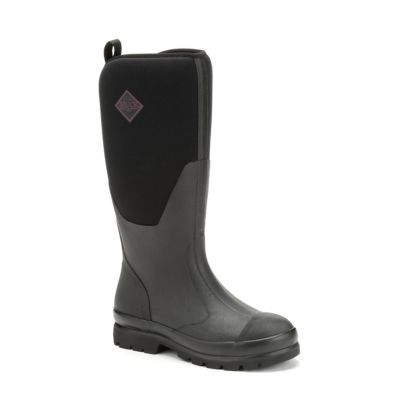
Waterproof Boots for Outdoor Activities may be a better fit, while water shoes are designed for lighter, wetter movement where flexibility and drainage matter most.
Different water activities call for different kinds of footwear. Aqua socks are thin, lightweight, and flexible, making them a handy choice for sandy beaches, pool decks, lake swimming, and casual wading. They usually feel more like a protective layer than a traditional shoe, so they are easy to pack in a beach bag or tuck into a dry box. Hybrid water sneakers offer more support and coverage, with sturdier rubber outsoles and breathable mesh uppers suited to kayaking, boating, paddleboarding, dock walking, and short trails near the water. They are a good middle ground when the day includes both wet surfaces and dry ground. For colder water, neoprene booties can provide added warmth and coverage, especially during early-season paddling, surf activities, or extended time standing in a cool stream. When shopping, pay close attention to the outsole. Sticky rubber and deep, well-spaced tread can help provide traction on wet rocks, boat decks, ramps, and muddy banks, though no sole can make every slick surface completely safe. Consider drainage, too. Mesh panels and small openings can help water escape quickly, while a more closed design may offer better protection from gravel and debris. The best choice depends on whether you need a barely-there layer for swimming, a supportive shoe for moving across mixed terrain, or an insulating bootie for cooler conditions.
Water sports footwear works well for adults and children who spend summer days at the lake, river, pool, or coast, and it can make a thoughtful gift for campers, anglers, boat owners, paddlers, swimmers, and families who enjoy getting outside together. Kids benefit from the extra protection when they are exploring a creek bed or scrambling across a rocky beach, while adults may appreciate the traction and support during a full day of launching boats, tying off at the dock, or carrying gear along the shoreline. Before choosing a pair, think about how it fits with socks, whether the footbed offers enough cushioning, and how easy the shoes will be to rinse and dry after use. A lightweight pair with a close fit is convenient for travel and spontaneous swims; a more structured style may be preferable for hiking between water access points. After each outing, rinse away salt, sand, silt, and algae, then let the footwear air-dry fully in a shaded, well-ventilated spot. Avoid leaving wet shoes sealed in a gear bag or vehicle, where odors and mildew can build up. As the weather warms, water shoes can stay ready for impromptu creek walks and long afternoons by the dock, while during the cooler months they remain useful for fishing, boating, and paddling when dependable traction and quick-drying comfort are still part of the job.