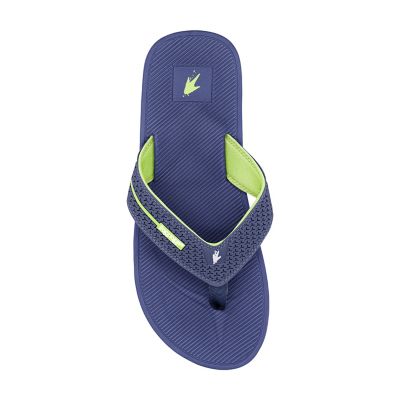
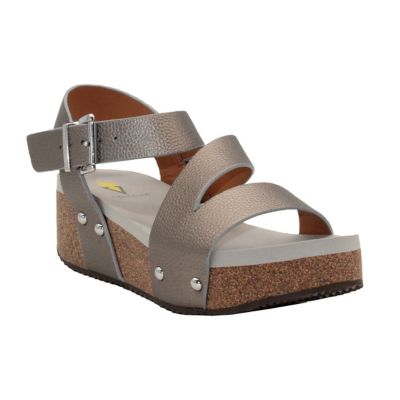
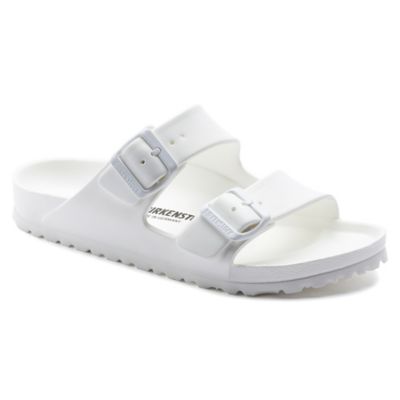
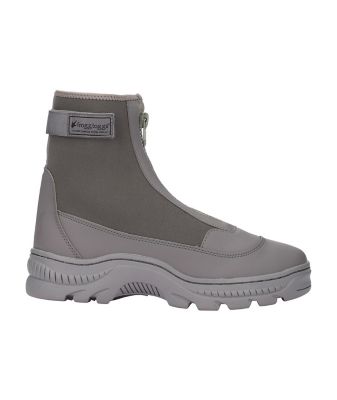
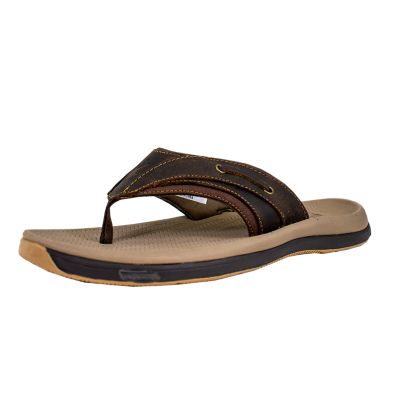
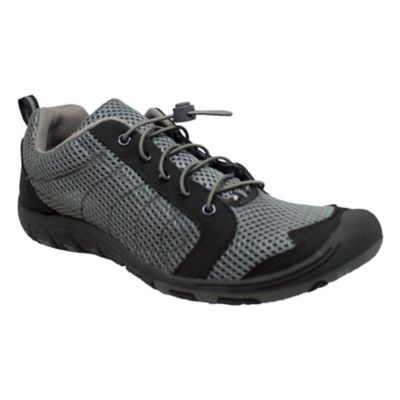
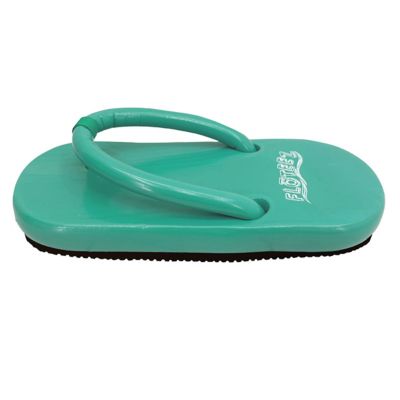
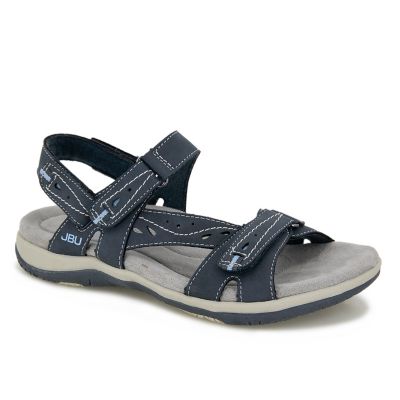
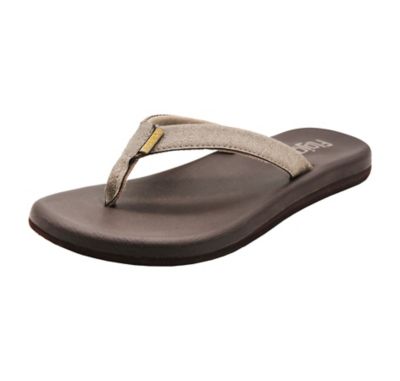
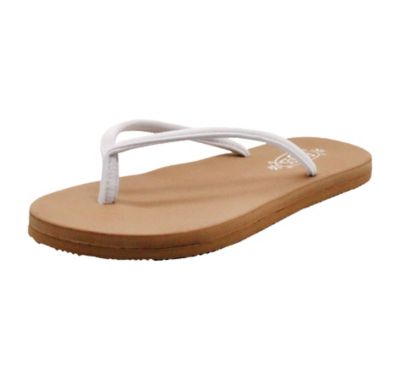
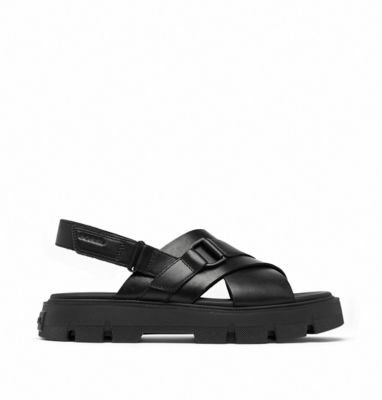
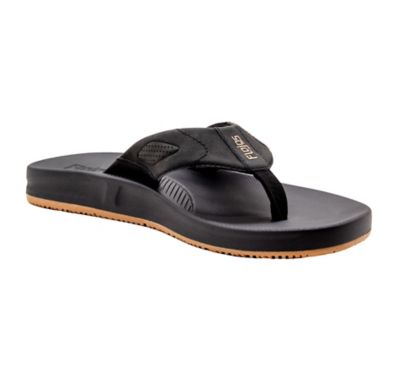
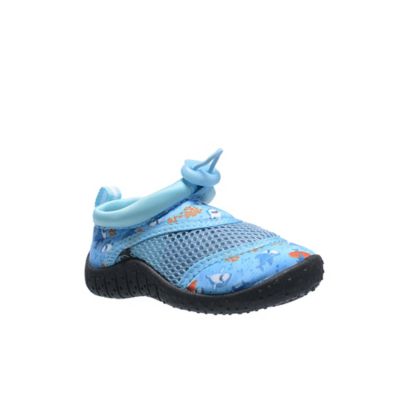
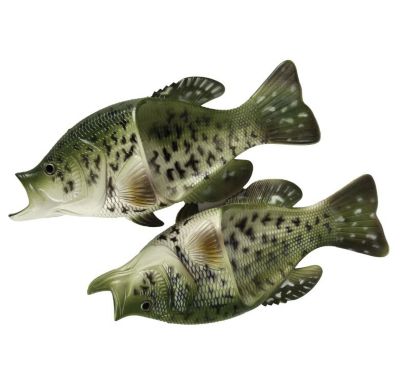
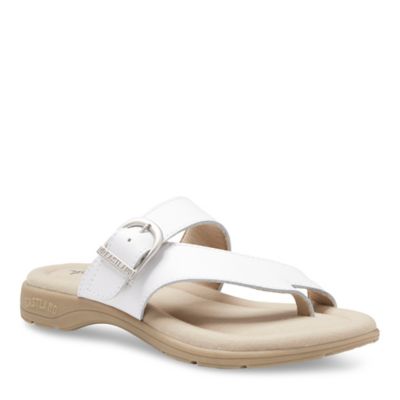
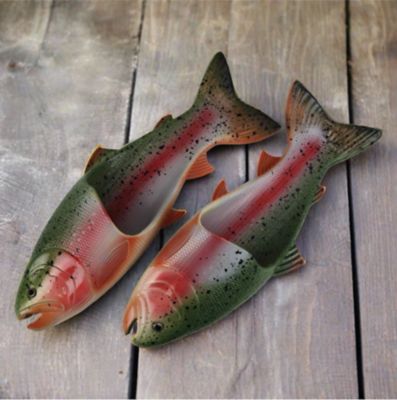
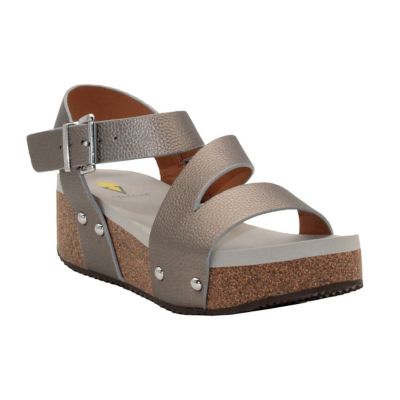
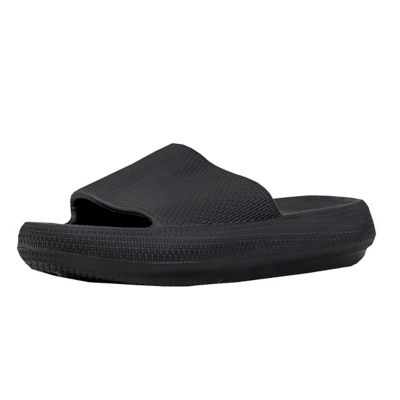
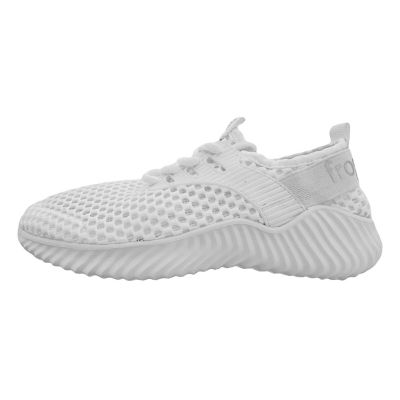
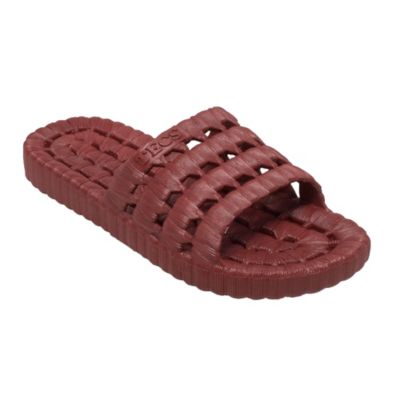
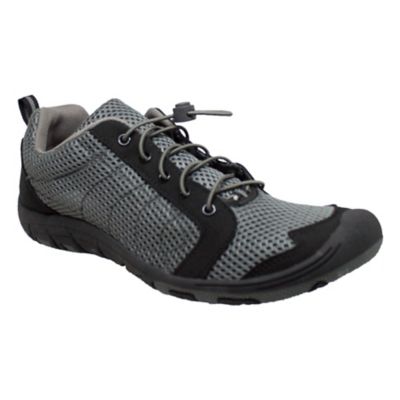
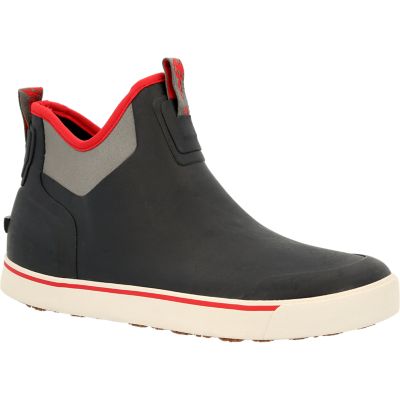
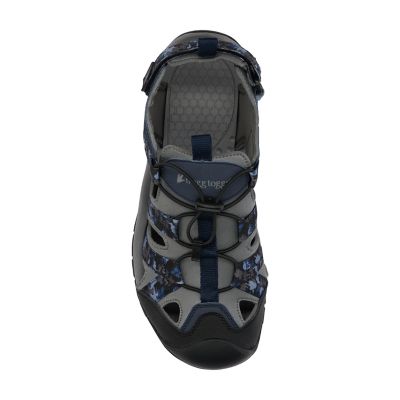
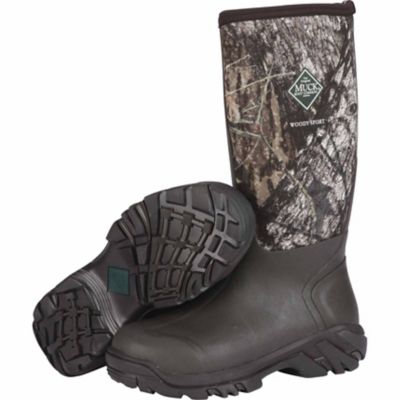
The best beach footwear depends on what’s underfoot: flip-flops and slides suit short trips across soft sand, sandals with secure straps work well for longer shoreline walks, and water shoes add coverage around pebbles, shells and shallow water. Each style serves a different part of a day by the shore, whether that means hauling a chair from the truck, walking beside the surf or taking the kids down to a lake beach. Open designs let sand fall away easily and keep feet from feeling boxed in, while enclosed styles put more material between toes and rough ground. For a quick walk from a beach house to a sandy spot, a simple slip-on can be plenty. A route that crosses a gravel parking lot, wooden steps and stretches of packed shoreline calls for more attention to sole thickness, cushioning and how firmly the footwear stays on. Loose sand shifts with every step, so a heavy sole can feel like extra work over a longer distance. Pebbly beaches present a different challenge: a thin, flexible bottom may pack easily but let every stone press against the foot. Sandals with heel straps can help keep the sole underfoot when carrying a cooler or stepping over uneven ground, though open toes still leave skin exposed. Water shoes usually provide more coverage, and styles intended for swimming should fit closely enough to resist slipping off without pinching. Not every water shoe is meant for every activity, so the maker’s intended use matters, especially when swimming or spending extended time in the water. For outings that go beyond sitting on the sand, explore
Footwear for Water Sports for activities such as paddling and wading. Across these settings, a good match comes down to the surface, the amount of walking and how often feet will be in the water. A pair that feels fine beside a beach blanket may not offer the hold or underfoot protection needed for a rocky stretch farther down the shore.
Materials make a noticeable difference in how beach footwear feels after the first few steps and after several hours near the water. Mesh uppers allow water to pass through and can help shoes dry between outings, although fine sand may still work its way inside. Synthetic straps generally handle repeated splashes with less fuss than materials that absorb water readily, while smooth strap edges help limit rubbing across bare feet. Leather sandals may feel comfortable for walking around town near the beach, but repeated soaking and salt exposure can affect their finish and shape unless they are specifically made for those conditions. Foam footbeds offer cushioning without much weight, while rubber outsoles provide a barrier against coarse surfaces. Sole thickness alone does not tell the whole story; flexibility, tread pattern and the way the foot sits on the footbed all affect comfort and footing. A deeply cushioned sole can feel pleasant on a firm path but less steady if the foot slides around on top of it. Likewise, tread does not make any shoe slip-proof, especially on algae-covered rocks, slick boat ramps or wet boards. Fit deserves just as much attention as materials. Toes should have room to rest naturally rather than hanging over the front, and heels should sit within the back edge instead of riding on it. Adjustable straps can accommodate differences across the instep and help keep the shoe from twisting as the ground changes. A heel strap should hold without digging in, while a toe post should sit comfortably without forcing the toes to grip at every step. For enclosed water shoes, a close fit should still leave room for the toes to move without bunching. Seams, collar edges and drainage openings are worth checking against bare skin because a small pressure point can become distracting during a long walk. Children need secure footing, too; extra growing room should not be so generous that shoes flop around or catch at the toes. For adults spending more time on their feet, a contoured footbed and a secure midfoot fit may matter more than an easy slip-on shape.
Beach footwear also earns its place in the bag through straightforward care and construction that stands up to repeated outings. Sand can collect beneath straps, inside toe areas and around stitching, where it may rub against skin or grind against the shoe itself. A freshwater rinse helps remove grit and salt after a trip to the shore, with particular attention to textured footbeds and drainage channels. The care label should guide cleaning, since machine washing, strong cleaners and direct heat can damage certain materials, adhesives or finishes. Letting footwear air-dry fully in a ventilated spot before packing it away helps prevent lingering moisture and odors. Leaving wet shoes shut inside a beach bag or the cab of a truck is hard on both comfort and materials. Before another outing, a quick look at strap attachment points, worn tread, separating edges and stretched closures can show whether the pair is still ready for the same terrain. For frequent shoreline walks, reinforced areas around the toes and firmly attached straps may be worth more than extra padding alone. For a family that heads straight from the parking lot to a sandy picnic spot, lightweight footwear that rinses clean can make more sense than a heavily built shoe. A separate pair for the drive or the walk into town also keeps damp, sandy footwear from having to do every job. Beach sandals and water shoes can make practical gifts for someone planning a coastal trip, visiting a lake cabin or spending weekends near the water, provided their size and activity preferences are known. Fit is personal, particularly with toe posts, arch contours and enclosed uppers, so a familiar style is often a better starting point than appearance alone. The most useful beach footwear fits the outing without calling attention to itself: straps stay put while hands carry the chairs, soles take the sting out of scattered pebbles, and sand rinses away before the ride home.