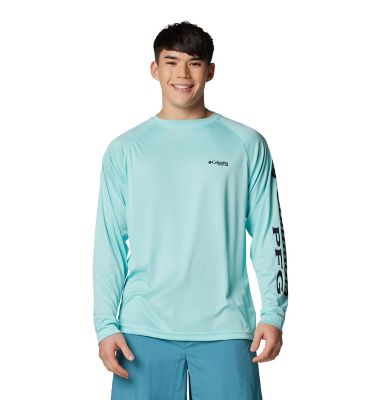
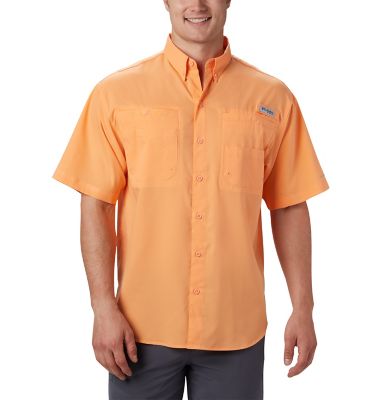
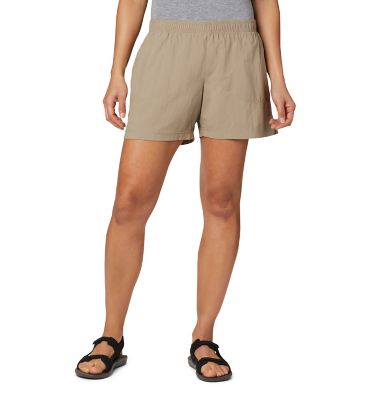
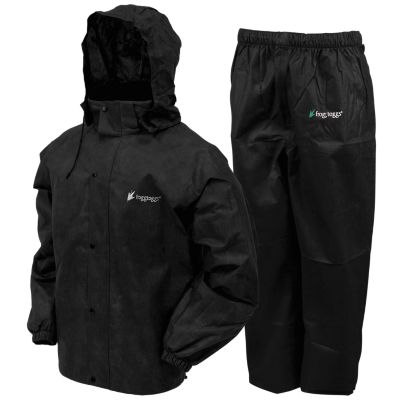
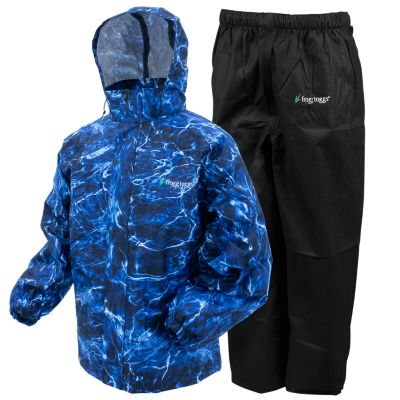
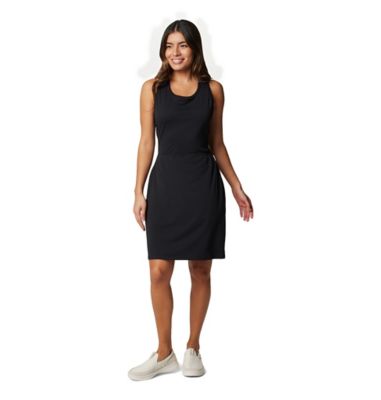
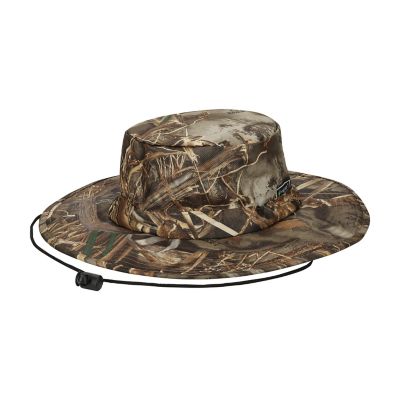
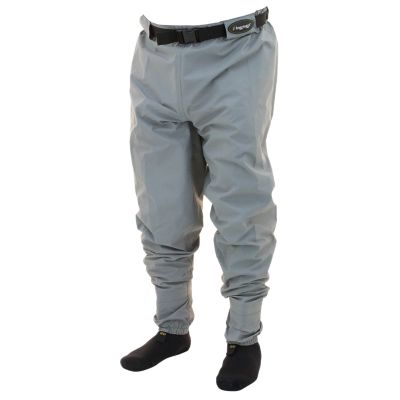
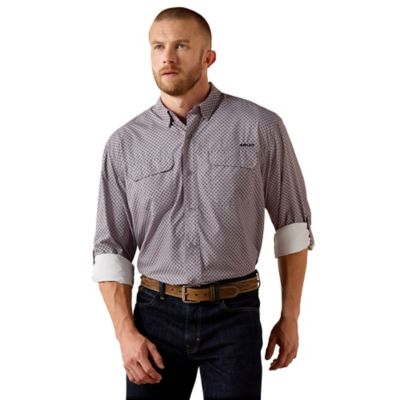
Clothing for water sports includes swimwear, rash guards, swim shirts, board shorts and specialized paddling layers that allow movement in and around the water. The right combination depends on the activity, how much time you spend submerged and the coverage you need. Swimming calls for a secure fit with little excess fabric, while paddleboarding and kayaking place more emphasis on freedom through the shoulders, comfortable waistbands and coverage where skin meets a board or seat. For a morning of paddling across the lake or an afternoon swimming off the dock, clothing that drains easily and stays comfortable when wet makes a real difference. Polyester and nylon are common choices because they absorb less water than cotton and generally dry faster. Elastane adds stretch for reaching overhead, climbing onto a board or bending into a paddle stroke. Fabric blends vary, so the fiber label and garment construction tell more than a soft feel alone. Smooth knits can help limit rubbing, while lightweight woven fabrics offer a less clingy feel for shorts and cover-up layers. Cotton has its place away from the water, but it holds moisture and can feel heavy during repeated dips or extended paddling. For frequent pool swimming, fabrics labeled for chlorine resistance are worth considering, along with care directions that address pool exposure. Saltwater activities call for the same attention to fabric performance, plus a thorough fresh-water rinse afterward. Neoprene wetsuits provide insulation during immersion, while drysuits are designed to limit water entry and work with appropriate insulating layers. These specialized garments serve different purposes from ordinary swimwear and need to match the demands of the sport. A loose beach shirt, a fitted swim top and an immersion garment may all belong around the water, but they are not interchangeable. Clothing suited to a short recreational swim may not meet the needs of extended immersion or technical paddling.
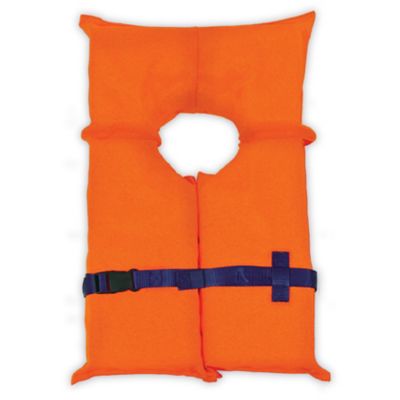
Fit matters just as much as fabric when clothing moves between the dock, the boat and the water. A swim top should stay in place through a full reach without pulling at the neck, and shorts should allow a deep bend without pinching across the hips. Stretch helps, but a garment still needs the right cut for the person wearing it. Flat seams and smooth inner surfaces can reduce friction during repetitive motion, especially beneath the arms, around the waistband and along the inner thighs. Rash guards offer close-fitting coverage that helps reduce rubbing against boards and other equipment; swim shirts usually have a roomier shape for people who prefer less cling. Long sleeves and higher necklines provide more covered skin, while a labeled ultraviolet protection factor, or UPF, describes the fabric’s tested sun protection. Coverage ends where the garment ends, and protection can vary with stretching, wear and the conditions noted by the manufacturer. Sun-protective clothing works alongside sunscreen on exposed skin rather than replacing it. For kayaking and canoeing, the waistband deserves particular attention because seated paddling can make stiff closures or bulky seams uncomfortable. Board shorts and swim trunks may have adjustable waists, drawcords or supportive liners, with the best choice depending on personal comfort and the activity. For waterskiing, surfing or repeated jumps into the lake, secure closures and a fit that stays put are especially helpful. Pockets also deserve a second look: mesh pocket bags let water drain, while loose contents can weigh clothing down or disappear during a swim. Ties, straps and loose fabric should not interfere with equipment or create snag points. When a life jacket is part of the activity, clothing needs to fit beneath it without bunching or restricting movement. Water-sports clothing does not replace a properly fitted, activity-appropriate life jacket, and ordinary apparel is not a substitute for specialized immersion protection. Children’s clothing needs the same attention to movement and coverage, without excess fabric that gets in the way.
Care and construction play a big part in how water-sports clothing holds up through repeated trips to the lake, river or pool. Reinforced stitching at stress points, securely attached closures and seams that lie flat are useful details, especially for clothing that sees regular contact with a kayak seat, dock ladder or board surface. Stretch fabric should recover its shape rather than remain saggy after movement, and waistbands should feel secure without digging in. Care begins with the garment label, since swimwear, neoprene and specialized paddling apparel can have very different cleaning requirements. A fresh-water rinse helps remove salt, chlorine residue, sand and grit before they linger in the fabric. Mild washing methods and air drying are common recommendations, but the manufacturer’s directions take priority. Fabric softeners, bleach and high dryer heat may affect stretch fibers, coatings or other garment features, so they should not be treated as suitable for every piece. Clothing should dry fully before going into a storage bin or gear bag; leaving damp garments wadded beside a paddle or life jacket encourages odors and mildew. Rinsing sand from closures and checking seams between outings can also help keep small problems from becoming bigger ones. For people whose days include both paddling and time aboard a boat,
clothing for boating covers a related set of needs, with attention to movement and comfort on deck. Water-sports apparel can also make a thoughtful gift for a regular swimmer, a canoeing family or someone who spends every free afternoon at the lake. Familiar sizing, preferred coverage and the recipient’s main activity matter more than choosing by color alone. A person who swims laps may favor a streamlined fit, while a recreational paddler may appreciate room through the shoulders and a waistband that stays comfortable in a seat. Across those different routines, the most practical clothing is clothing that suits the activity, feels right in motion and comes with care requirements that fit everyday life.