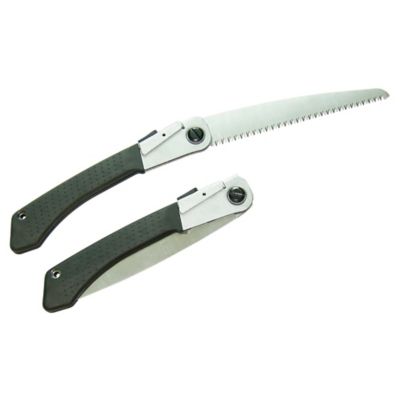
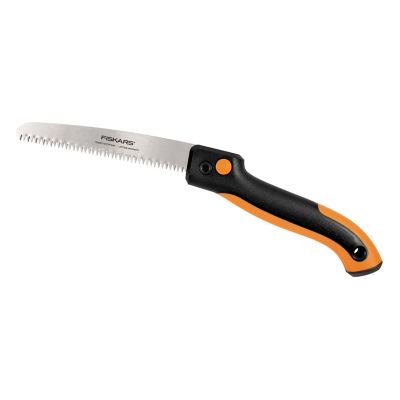
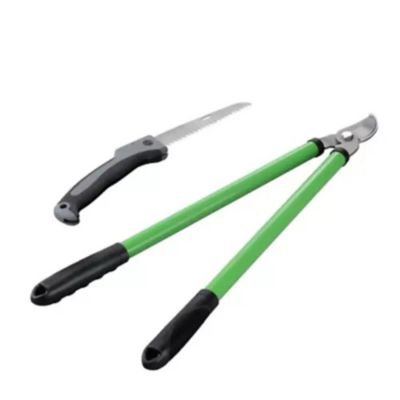
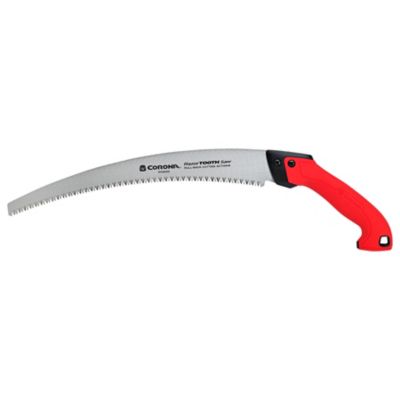
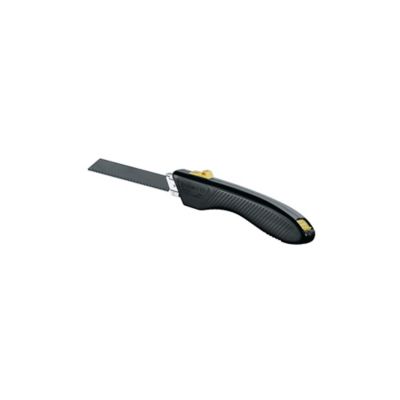
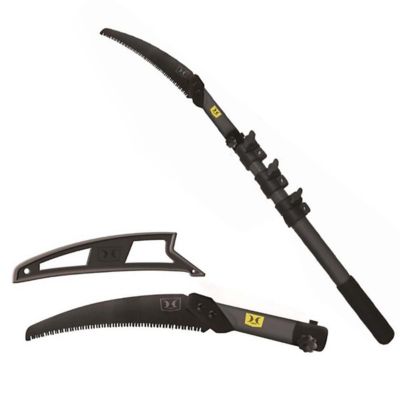
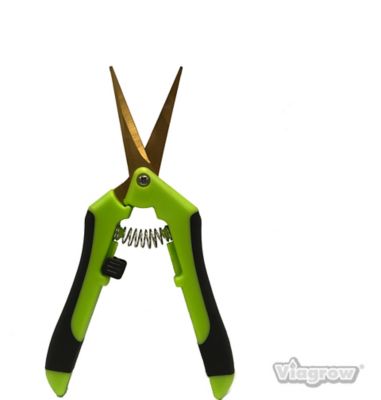
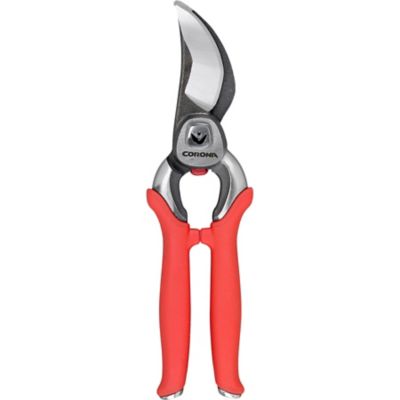
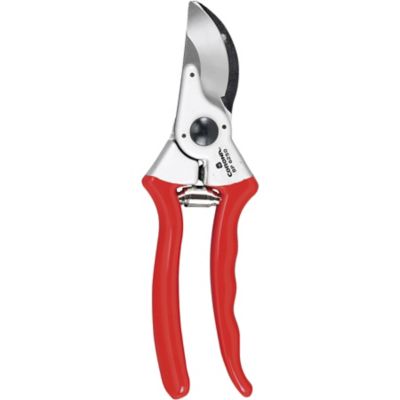
Folding pruning saws are handy, compact tools for cutting branches that are too thick for pruners or loppers but do not call for a powered saw. They are a natural fit for homeowners, gardeners, landowners, orchard keepers, hunters, trail stewards, and anyone who spends time clearing brush around a farm or rural property. The folding design lets the blade tuck into the handle for safer storage in a toolbox, backpack, truck console, or chore vest, while taking up far less room than a full-size saw. When a low limb reaches across a fence line or a storm-damaged branch needs to come down before it catches on equipment, a folding pruning saw is easy to grab and carry to the job. Most pruning saws are made to cut on the pull stroke, which helps keep the blade under tension and reduces buckling as it moves through wood. That pull-cut action can feel different from a standard push saw, but it is efficient once you settle into a steady rhythm: set the teeth on the branch, draw the saw toward you with controlled strokes, and let the blade do the cutting instead of forcing it. These saws are generally intended for live branches, dry limbs, saplings, and other woody growth, with capacity depending on the blade length, tooth pattern, and strength of the user. They are especially useful during the warmer part of the year when fast-growing trees and shrubs need attention, and they remain valuable through the cooler months when deadwood, fallen limbs, and seasonal cleanup become part of the regular work around a property.
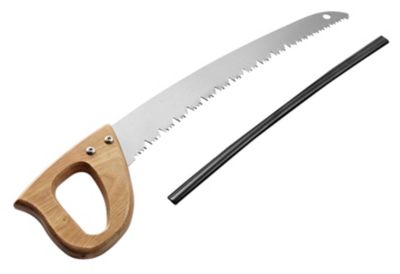
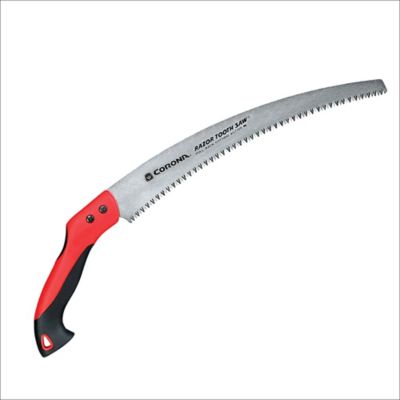
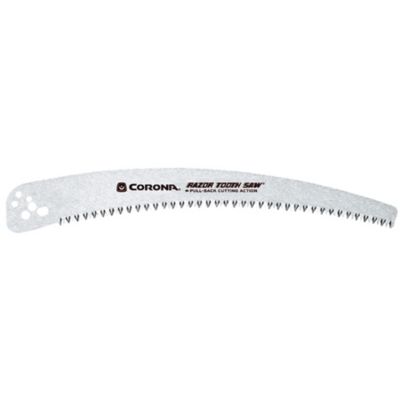
The branch size and type of wood should guide the choice. Coarse teeth with a wider spacing tend to remove material quickly from larger limbs, wet green wood, and rough cuts where speed matters. A finer tooth pattern is better suited to smaller branches and jobs where a cleaner finish is important, such as shaping ornamental trees or trimming fruiting wood. Curved blades can help the saw follow the branch and maintain a strong bite, especially when reaching into a canopy or working on an overhead limb. Straight blades offer a more controlled feel for close cuts, tight spaces, and low brush where precision matters. Blade length is another practical consideration: a longer blade may cover more of the branch with each stroke, while a shorter blade is easier to maneuver in dense growth and more convenient to pack. Look for durable blade construction and a surface that resists sap, pitch, and corrosion, since sticky residue can slow the cut and make cleanup harder. A comfortable, nonslip handle matters just as much. Wet gloves, dusty hands, and long days of trimming can make a narrow or slick grip tiring, while a shaped handle gives better control when the saw starts working through a stubborn limb. The folding joint should move smoothly and hold the blade securely in both the open and closed positions. A positive locking mechanism helps prevent the blade from folding unexpectedly during a cut, and it also keeps the teeth covered when the saw is being carried or stored. Before buying, consider whether the saw will live in a garden bag, ride in a tractor toolbox, or travel on hikes and hunting trips. A compact model makes a thoughtful gift for a new landowner, gardener, do-it-yourselfer, or outdoor worker, especially when paired with gloves and basic tree-care supplies. For a broader look at cutting tools, visit
Best Hand Saws.
Using a folding pruning saw safely comes down to preparation, position, and patience. Wear eye protection whenever you are cutting overhead, since bark chips and sawdust can fall without warning, and use gloves that provide both grip and protection. Check the branch for tension before starting. A limb bent under weight can shift as the cut opens, and a dead branch may break sooner than expected. Keep your free hand away from the blade and avoid standing directly beneath the section being removed. For a larger limb, making a small relief cut on the underside before finishing from the top can help control splitting, although high branches, heavy limbs, and work near utility lines are best left to a qualified professional. Start with light strokes to establish the cut, then use smooth, full pulls while keeping the blade aligned with the branch. Sawing too aggressively can bind the teeth, tire your arm, or make the blade wander. After the job, brush away sawdust and wipe off sap before folding the blade into its handle. Store the saw dry and locked closed, away from loose tools that can damage the teeth or release the blade. With ordinary care, a folding pruning saw can become one of those dependable pieces of gear that earns its place in the truck or shed. It is there for trimming back overgrown paths, clearing limbs from a pasture edge, cutting kindling-sized branches, maintaining a hedgerow, or handling cleanup after wind moves through the trees. Choosing the right tooth style, blade shape, handle, and locking system makes the work more comfortable and gives you a compact cutting tool suited to the everyday chores that come with caring for land.