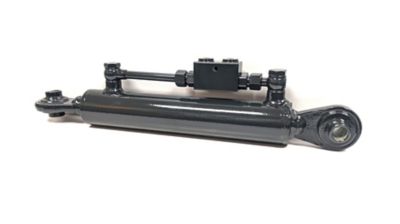
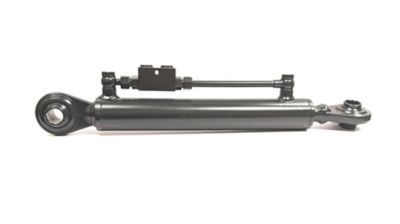
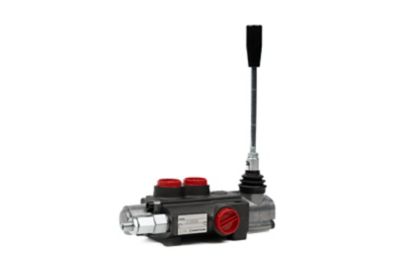
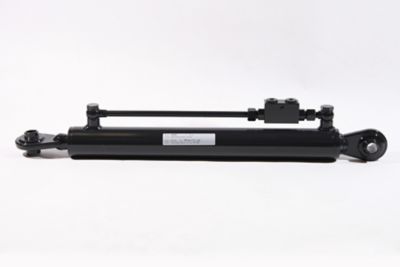
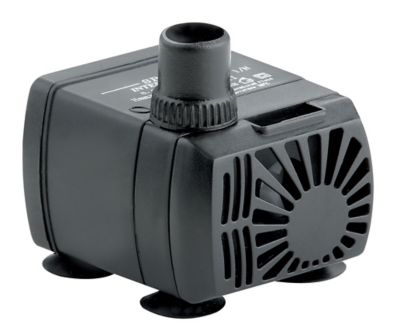
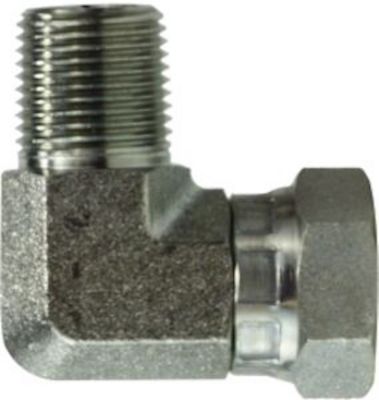
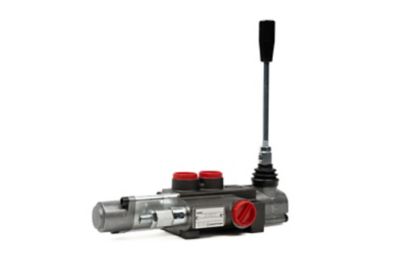
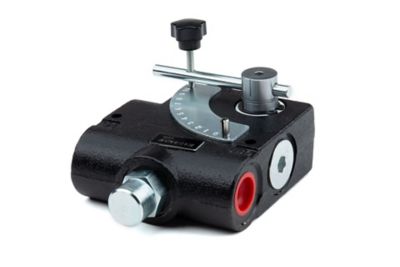
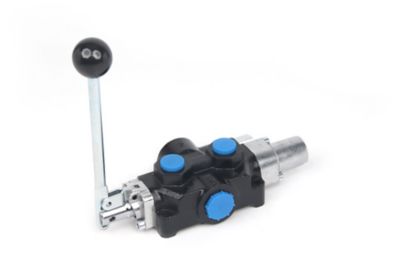
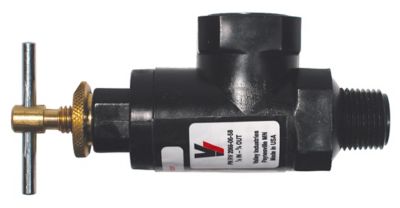
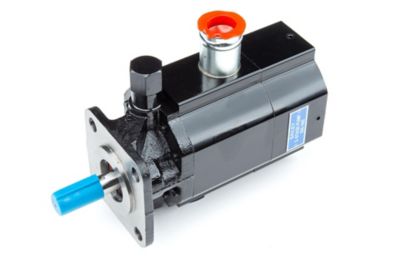
When it comes to keeping your hydraulic equipment running smooth and steady, hydraulic flow controls are a must-have for anyone working with tractors, loaders, log splitters, or just about any machinery that relies on hydraulic power. These valves are the unsung heroes tucked into the heart of your hydraulic system, helping you dial in the exact speed and movement you need—whether you’re lifting heavy hay bales, adjusting a loader bucket, or running a splitter through a tough knot of oak. Folks who spend their days out in the field know how important it is to have control over every motion, and that’s where hydraulic controls really shine. By managing the volume of fluid moving through your system, these valves make sure your hydraulic cylinders and motors operate at the right pace, keeping things safe, efficient, and predictable even as the weather warms up and the work picks up around the farm.
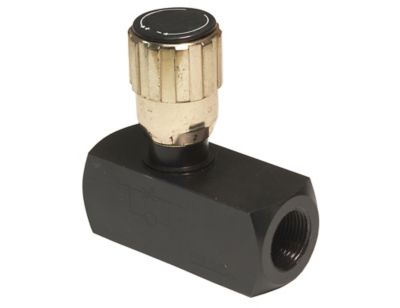
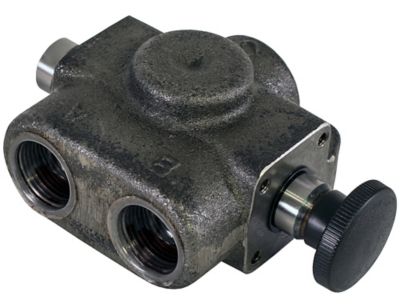
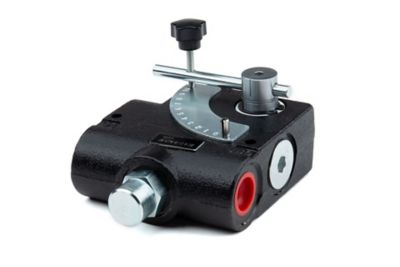
There’s a lot to consider when picking out the right hydraulic flow controls for your setup. First, think about what you’re running—different jobs and machines call for different types of valves. Needle valves are a simple, reliable choice for fine-tuning flow, perfect for those smaller adjustments when you need a steady hand. Pressure-compensated flow controls step things up a notch, automatically keeping your flow rate steady even if your system pressure jumps around, which is handy when you’re dealing with changing loads or running multiple implements at once. You’ll also find flow dividers and combiners, which are great if you want to split a single pump’s output to run two cylinders at the same time, like when you’re lifting and tilting a loader simultaneously. And don’t forget about valves with reverse free flow—they let fluid move freely in one direction while metering it in the other, which is a lifesaver for setups where you want fast retraction but slow, controlled extension. When shopping, always check the maximum flow rate (measured in GPM) and pressure rating (measured in PSI) to be sure your valve can handle the workload. Port size and thread type matter, too, so make sure everything matches up with your existing hoses and fittings.
Hydraulic flow controls aren’t just for the folks running big farm operations—they’re a thoughtful gift for anyone who likes to tinker in the shop or keep their equipment in top shape. Maybe you’ve got a neighbor who’s always fixing up old tractors, or a family member who just picked up their first log splitter. A quality hydraulic control valve can make their projects a whole lot easier and safer, especially during those long days of summer and into the busy harvest season. Whether you’re upgrading a worn-out part or setting up a brand-new system, having the right valve on hand can save time, reduce wear and tear, and help you get the most out of every drop of hydraulic power. For more details on the different types of valves and how to choose the right one for your needs, check out our full selection of
Flow Control Valves to keep your equipment running at its best all season long.