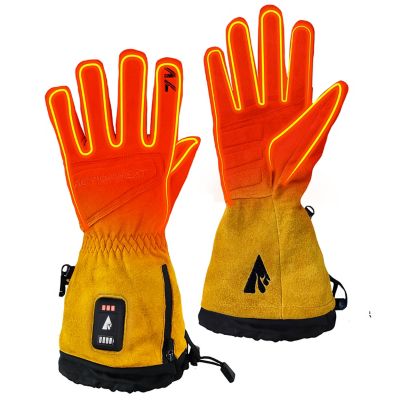
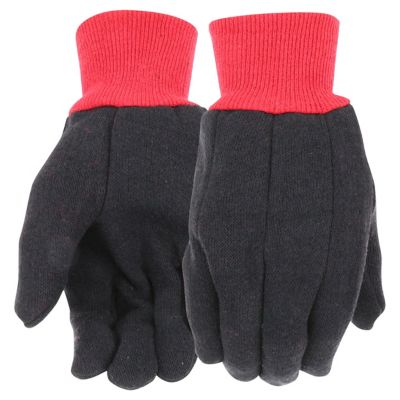
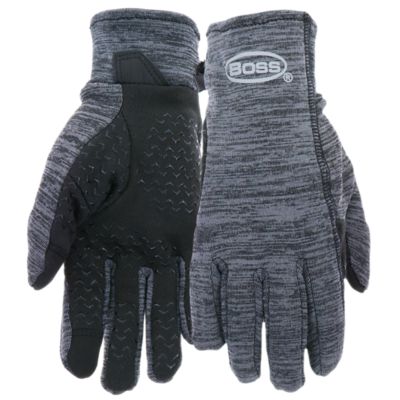
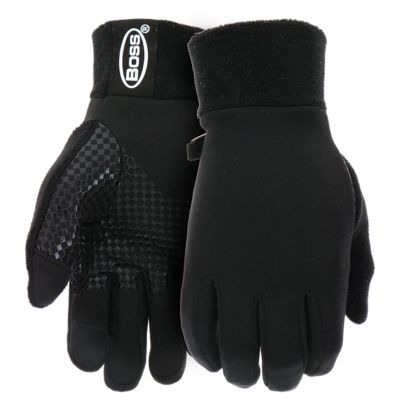
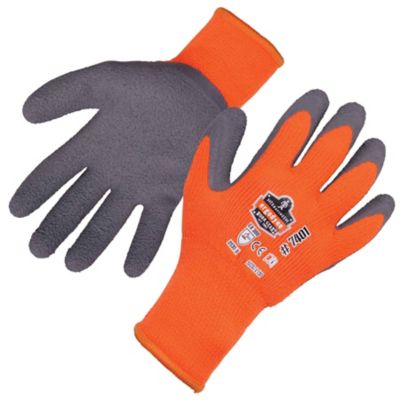
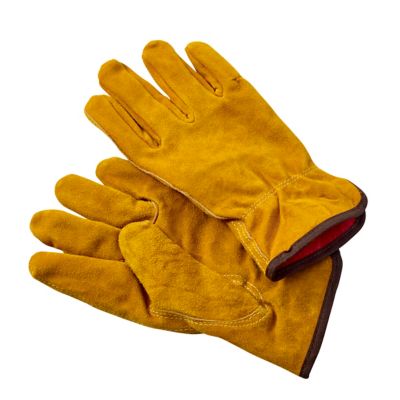
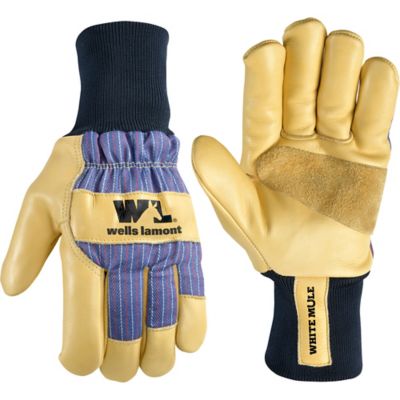
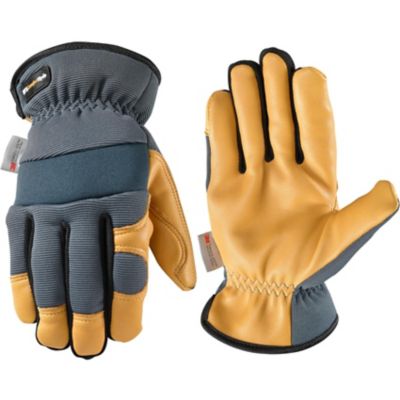
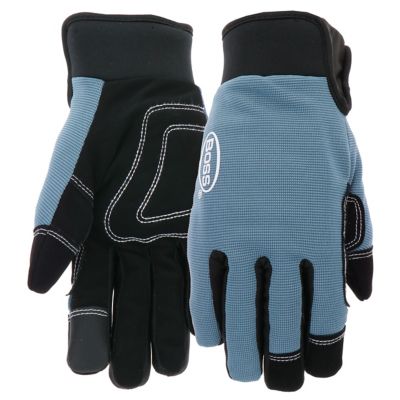
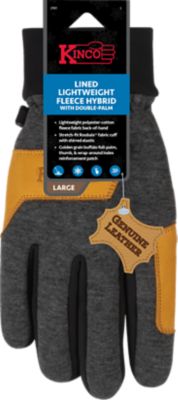
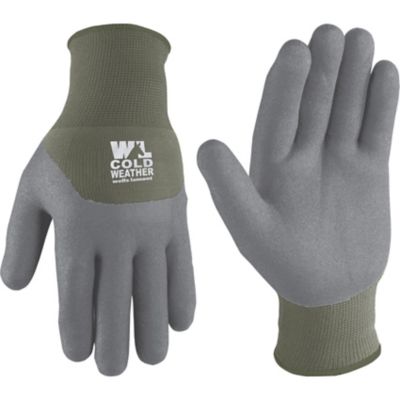
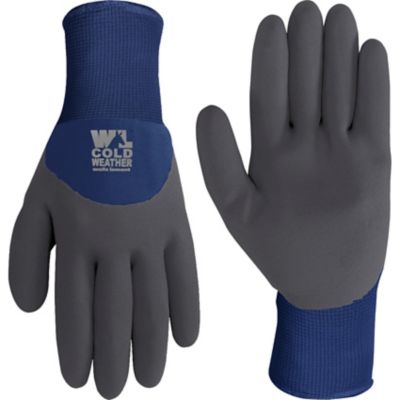
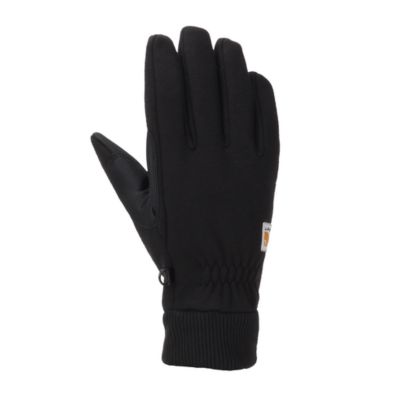
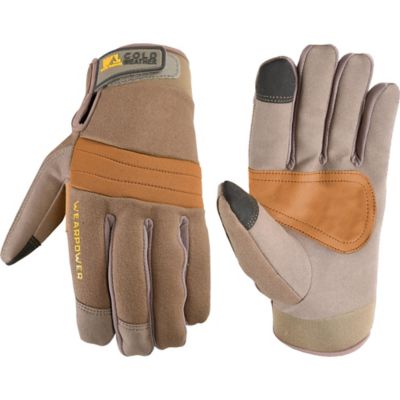
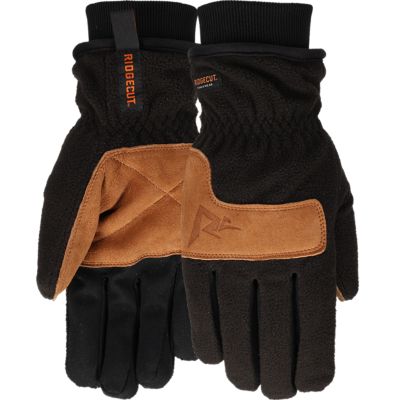
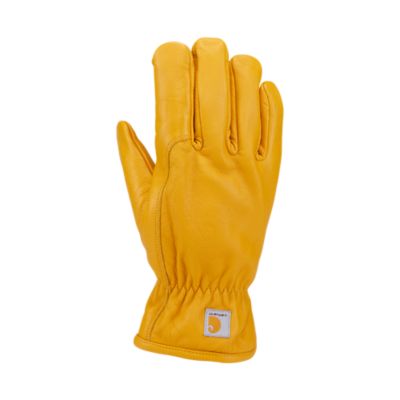
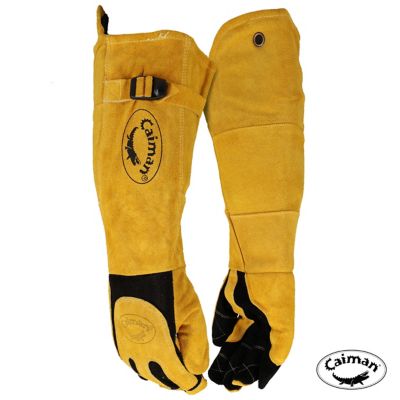
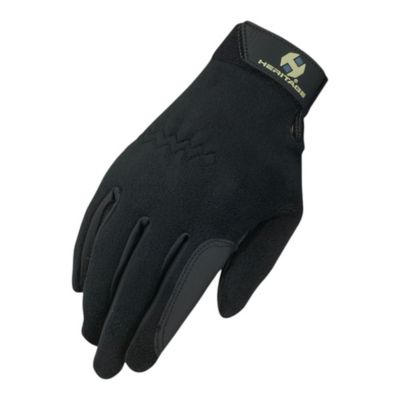
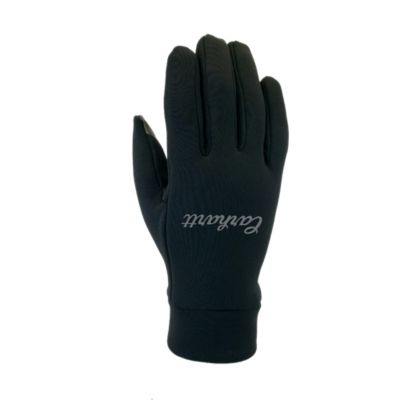
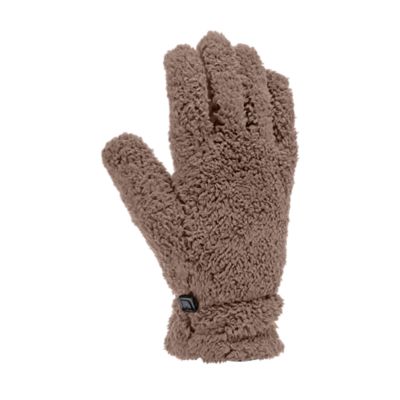
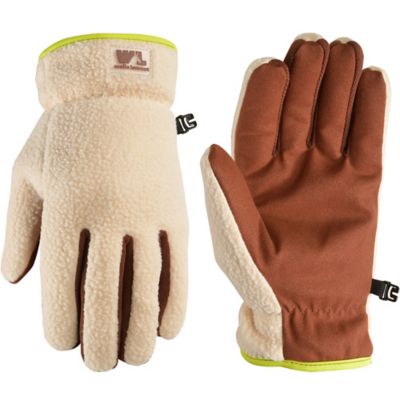
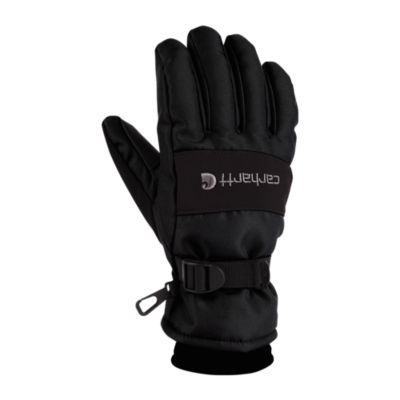
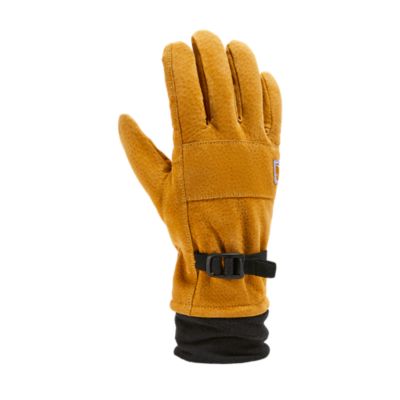
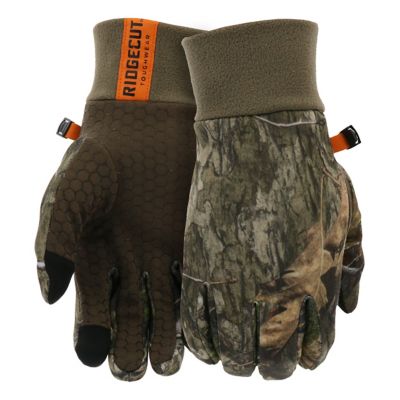
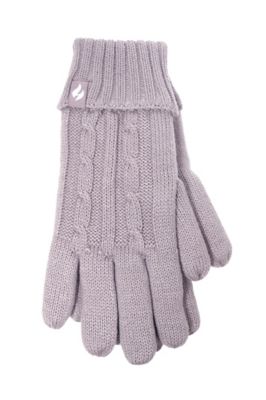
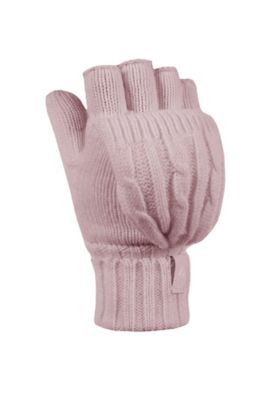
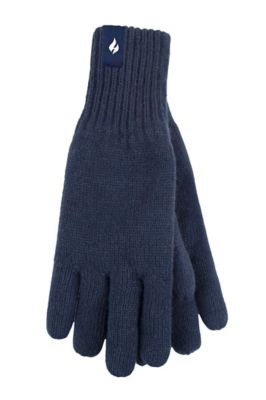
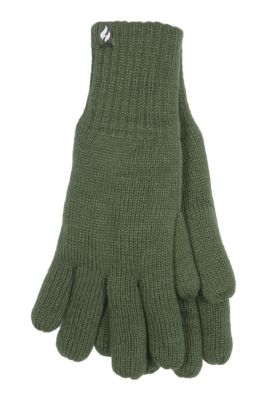
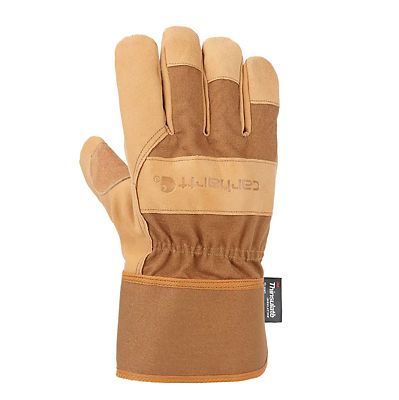
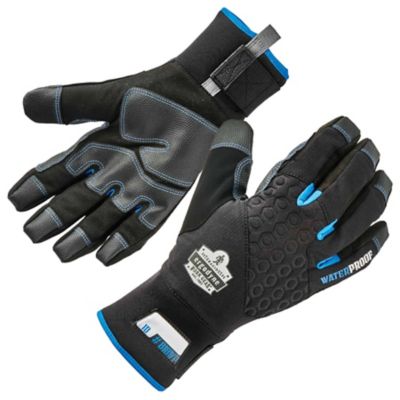
Fleece lined work gloves are a practical choice for chores and jobsite tasks when cooler air makes bare hands stiff, but a bulky winter glove gets in the way. They pair a protective outer shell with a soft fleece or thermal lining to help hold in warmth while giving your hands a better grip on tools, equipment and everyday materials. Lightweight jersey or cotton-blend styles are handy for general chores, warehouse work, stocking, driving and mild cold, while leather, synthetic leather and other rugged shells are better suited to rough lumber, fence posts, farm equipment, construction materials and abrasive surfaces. The right pair depends on the balance of warmth, flexibility and durability your work calls for. Thin fleece insulation usually preserves more finger feel for sorting hardware, tying twine, handling fasteners or using hand tools, while thicker insulation can provide more comfort during long stretches outdoors in colder conditions. A knit wrist or slip-on cuff helps keep out cold drafts, dust and small bits of bedding or debris, and a longer cuff can offer added coverage when reaching into brush, feed sacks or work areas with loose material. Look for palms and fingers made to stand up to regular use, especially if you spend the day carrying, pulling, lifting or gripping. Reinforced thumbs, double-layer palms and textured grip surfaces can help high-wear areas last longer, while a flexible back-of-hand material may make it easier to bend your fingers and keep moving. For damp conditions, a water-resistant or waterproof construction can help keep moisture from soaking through to the lining, though no glove replaces good judgment when working around standing water, chemicals or machinery. A secure fit matters, too. Gloves that are too loose can catch on handles and make precise work harder, while a pair that is too tight may restrict movement and leave little room for warm air around the fingers. Check the sizing information and consider whether you will wear a thin liner underneath. Clean, dry gloves also tend to feel warmer and last longer, so let them air out after a long day instead of leaving them crumpled in the back of a truck or shed.
Fleece lined work gloves can earn their keep across the property, from early-morning chores in the barn to evening repairs around the shop. They help take the edge off while feeding animals, hauling firewood, checking water lines, opening gates, clearing brush and moving supplies between the truck and the house. Ranchers, farmers, landscapers, delivery workers, mechanics, builders, grounds crews and do-it-yourselfers may all appreciate a warm glove that still lets them handle tools without constantly pulling it off. For outdoor work, pay attention to the kind of cold you face. A breathable fleece lining may be comfortable when you are walking, stacking or working at a steady pace, while a more insulated glove can be useful for slower tasks, long waits outdoors or cold wind across an open field. If rain, snow or wet feed is part of the routine, a moisture-resistant shell and close-fitting cuff can make a noticeable difference. If the work involves repeated contact with rough surfaces, choose a tougher leather or synthetic exterior instead of a soft knit style intended for lighter-duty use. Leather shells offer a familiar combination of abrasion resistance, grip and flexibility, and insulated leather styles are especially useful for cold-weather handling and heavier chores. You can explore additional options in
Insulated Leather Work Gloves For Cold Weather when a rugged outer layer and extra warmth are priorities. For tasks that involve a phone, tablet or equipment screen, touchscreen-compatible fingertips can save time by allowing you to use a device without exposing your hands to the cold. Keep in mind that touchscreen performance and dexterity can vary with glove thickness, so a glove made for detailed control may be a better fit than the warmest, bulkiest option for work that requires frequent button pressing or small adjustments. These gloves also make a useful, easy-to-appreciate gift for someone who spends cooler days working outside. They fit naturally in a care package for a new homeowner, a hunter, a gardener, a farmhand or a person settling into a new property, and a spare pair is always useful in a truck, tack room, mudroom or workshop.
When comparing fleece lined work gloves, start with the job rather than the color or appearance. Think about how much grip you need, how often the gloves will get wet, whether you need fine finger control and how hard the palms and fingertips will be used. A glove with a smooth fleece lining may slide on easily and feel comfortable during routine chores, while a brushed or thicker lining can add welcome warmth during colder stretches. Elastic cuffs are convenient for quick tasks, and knit cuffs can help seal in warmth and keep out loose dirt. Leather or reinforced synthetic palms are a sound choice for carrying boards, handling fencing supplies and working with tools, while flexible jersey or fabric gloves may be more comfortable for light maintenance, packing, sorting and general utility work. Consider buying more than one style if your routine changes from indoor work to outdoor chores; a lighter pair can stay in the shop, while a warmer, more protective pair can remain in the vehicle or near the back door. It is also worth checking care instructions before purchase, since some lined gloves need gentle cleaning and thorough air-drying to protect the insulation and shell. Avoid wearing any glove that has become torn, badly worn or loose around moving equipment, and choose task-specific protection when dealing with sharp edges, powered machinery, chemicals or other hazards. With the right fit and construction, fleece lined work gloves help keep hands warmer, more comfortable and ready for the work at hand through the cooler months, whether that means tending animals before sunrise, making repairs after a chilly drive home or finishing one more job as the air turns crisp.