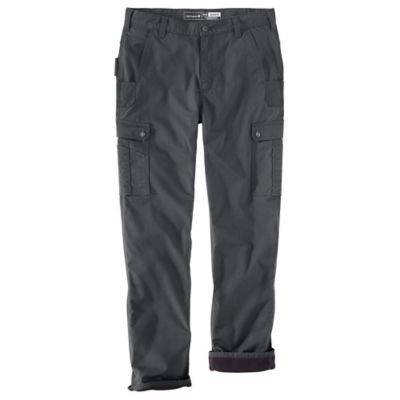
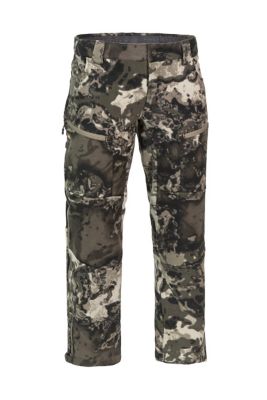
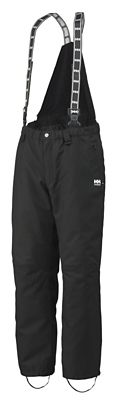
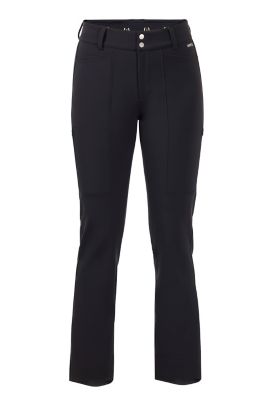
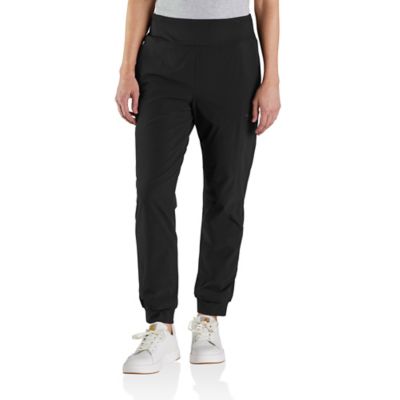
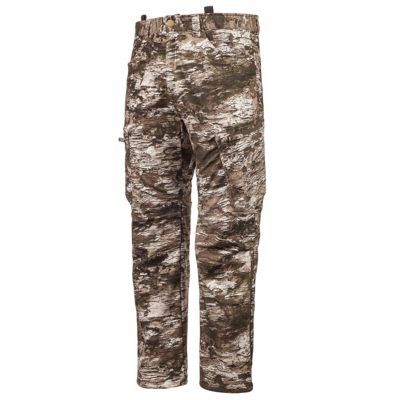
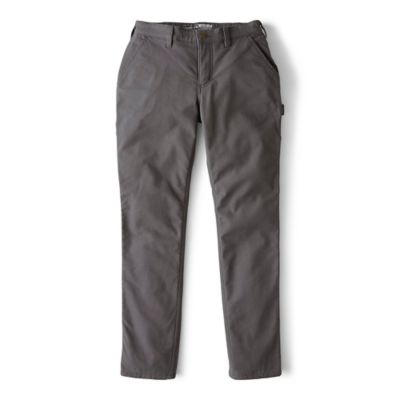
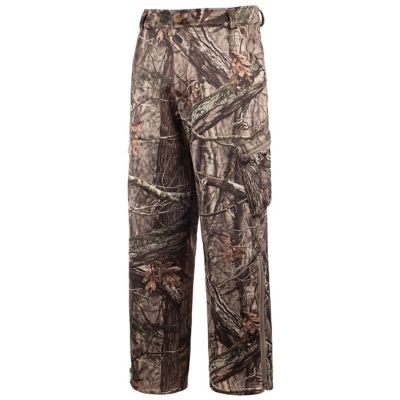
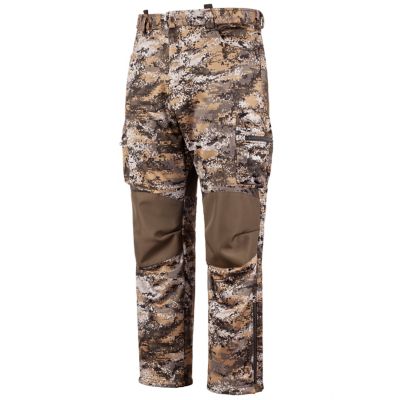
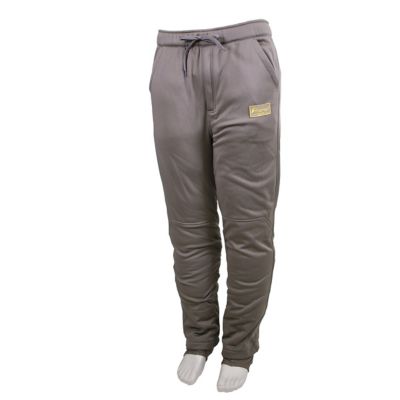
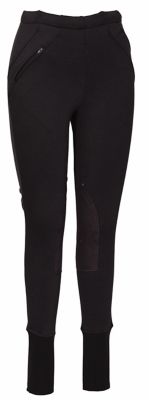
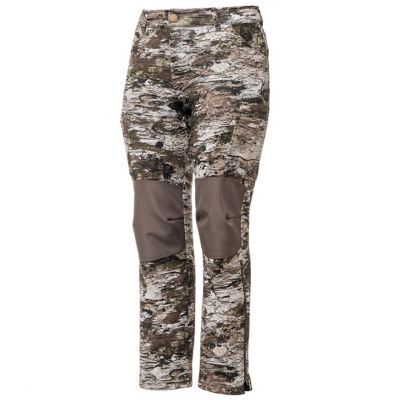
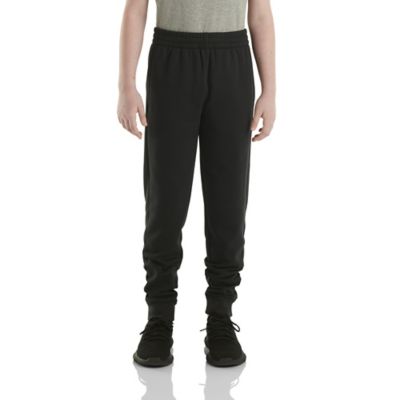
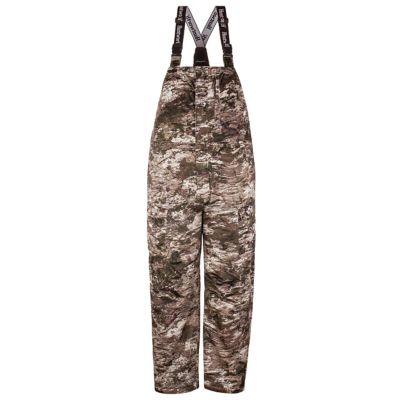
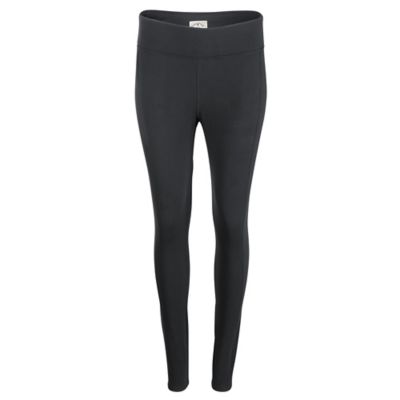
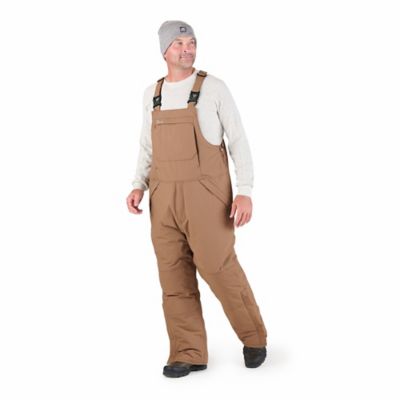
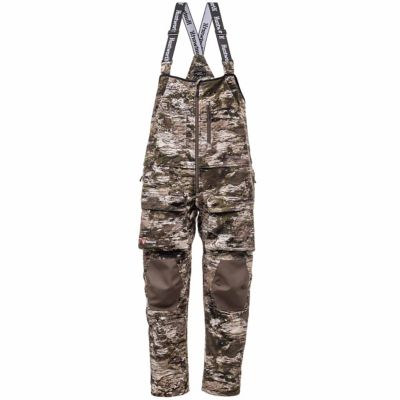
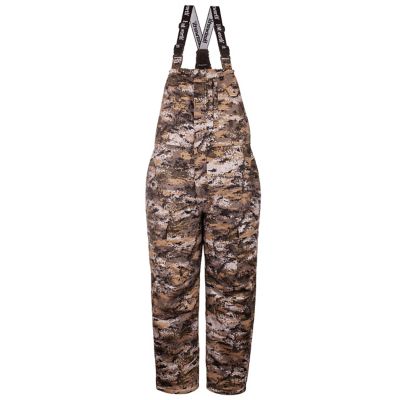
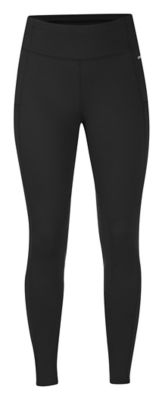
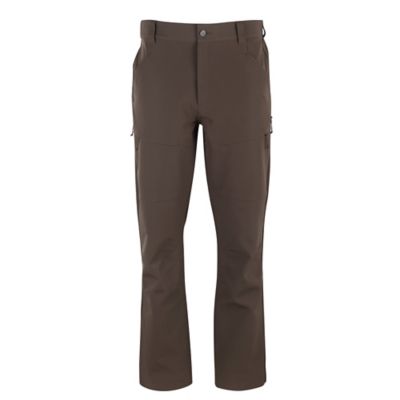
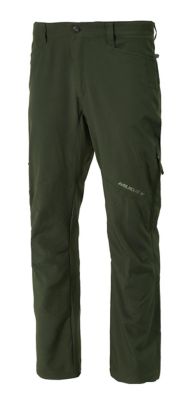
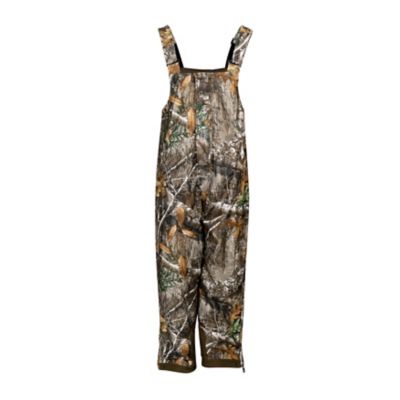
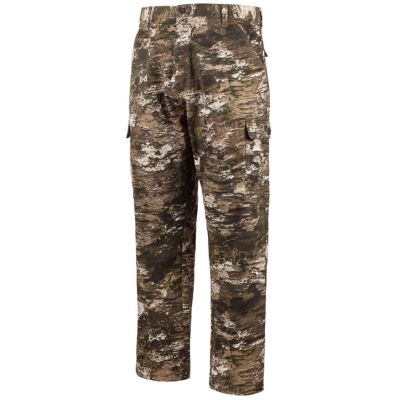
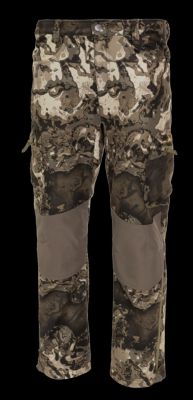
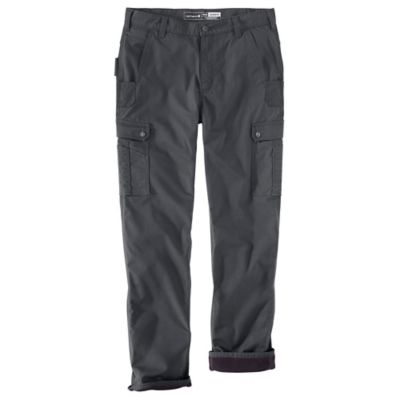
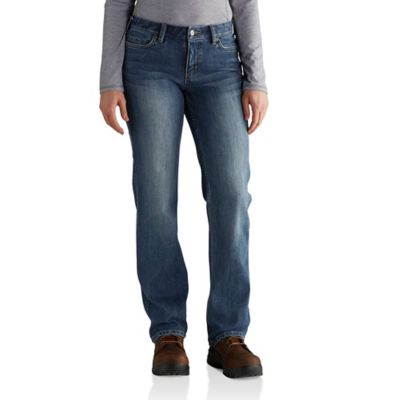
Fleece-lined outdoor pants bring together a soft, insulating interior and an outer fabric suited to time outside during the cooler months. The lining holds warm air close to the body, helping take the bite out of a chilly morning without the separate layers that can bunch around the knees. They’re a practical fit for feeding livestock, walking fence lines, stacking firewood or taking the long way around a wooded trail. Their warmth depends on the thickness and structure of the fleece, the shell fabric and how much wind gets through the finished garment. A lighter lining often feels better when the work keeps you moving, while a heavier lining can be welcome for slower chores or long stretches spent standing outside. Polyester fleece is common because it feels soft against the skin and generally dries faster than cotton. Some linings have a smooth, brushed surface; others feature a grid pattern that creates small air spaces and helps manage heat and moisture. On the outside, nylon and polyester blends are common choices for outdoor wear, while cotton-rich fabrics offer a familiar work-pant feel but tend to hold moisture longer once wet. A little spandex or elastane adds give when stepping over a downed limb, crouching beside a water trough or climbing into the truck. Stretch alone doesn’t determine freedom of movement, though. The cut through the seat and thighs matters just as much. Fleece-lined hiking pants often balance warmth with flexibility for steady activity, while fleece-lined work pants may put more emphasis on substantial fabric, reinforcement and pocket space. For everyday wear, a simpler pocket layout and a comfortable waistband can make the same warm pants feel at home on a trip into town after chores. The best match comes down to the kind of day ahead: brisk walking creates more body heat than watching a gate, and carrying feed puts different demands on fabric than sitting around a campsite.
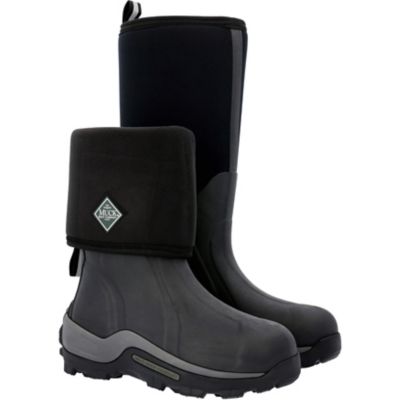
Weather protection is another part of what separates one pair of fleece-lined outdoor pants from another. A tightly woven shell can help cut the breeze, and some softshell constructions offer additional wind resistance along with stretch. Water-repellent finishes help light moisture bead on the surface, which can be handy around damp grass, a passing sprinkle or a little snow. That doesn’t make every lined pant waterproof. Fleece supplies insulation, not a barrier against rain, and water resistance alone isn’t the same as protection for extended wet conditions. Waterproof performance depends on the garment’s construction, including any membrane and the treatment of seams. For a morning spent brushing against wet brush or kneeling on damp ground, those details matter more than how warm the lining feels indoors. The fit should also suit the job. Enough room through the hips, thighs and knees makes bending and climbing easier without leaving excess fabric to catch on equipment. Articulated knees follow the natural bend of the leg, while a gusseted crotch adds room where a basic seam can pull tight. A stretch waistband can ease pressure when sitting in a tractor seat, and belt loops help support a steady fit when pockets are carrying a phone or small tools. Secure closures are handy for keeping keys from slipping out along the trail; pocket placement also matters when crouching or wearing a tool belt. At the ankle, the opening needs to work with the footwear underneath. A straighter leg can settle over a boot shaft, while a closer-fitting cuff keeps extra fabric out of the way. An inseam that stays clear of the ground helps keep hems from soaking up slush or wearing thin underfoot. Paired with
fleece-lined waterproof boots, lined pants can help make cold, wet-ground chores more comfortable, though the pants still need their own weather protection when rain or snow reaches above the boot.
Long wear starts with the fabric and construction, especially for pants that spend more time around rough lumber and hay bales than on a sidewalk. Heavier shell fabrics can stand up better to repeated contact with abrasive surfaces, while reinforced knees and seat panels add material in places that often take the most wear. Strong stitching, well-secured belt loops and pocket edges built to handle repeated reaching are worth attention, too. Even sturdy outdoor fabric has limits: ordinary fleece-lined pants aren’t a substitute for task-specific protective clothing around chainsaws, sparks or other hazards. For everyday chores and recreation, comfort over several hours is just as important as toughness. Pants that feel snug in a warm room may feel restrictive once a base layer goes underneath, so a little extra room can help when colder conditions call for layering. Too much room, however, can let warm air escape and leave the lining shifting with each step. Breathability matters during active work because sweat trapped inside clothing can leave a chill when the pace slows. A lighter fleece lining may suit someone hauling branches or hiking uphill better than someone sitting still for long periods. Care also plays a part in keeping the fabric and lining comfortable. The garment’s care label is the starting point, since washing and drying needs vary with the shell, insulation and any weather-resistant treatment. Closing zippers and emptying pockets before washing helps prevent snags and keeps dirt and debris out of the wash. Excess heat can affect stretch fibers and some finishes, while fabric softener may interfere with moisture management or water repellency, so those choices should follow the label. Allowing pants to dry fully before putting them away helps keep the lining fresh between outings. For ranch hands, dog walkers, campers and anyone whose day carries on despite a cold forecast, fleece-lined outdoor pants offer a straightforward mix of warmth and everyday function. They can also make a thoughtful gift for someone who spends plenty of time outside, especially when their usual fit, inseam and kind of work are known.