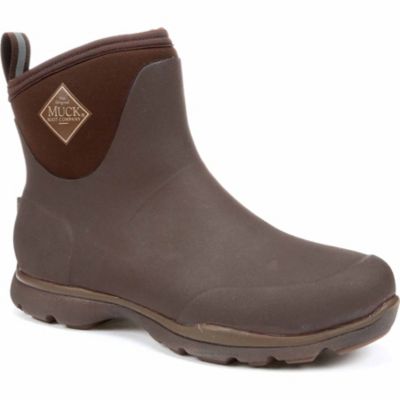
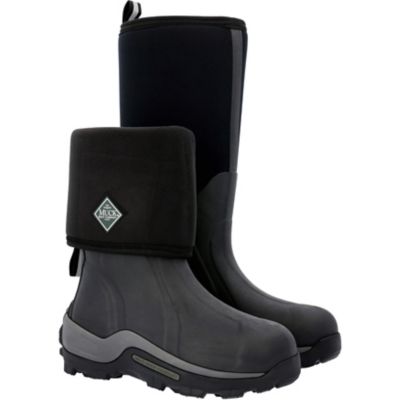
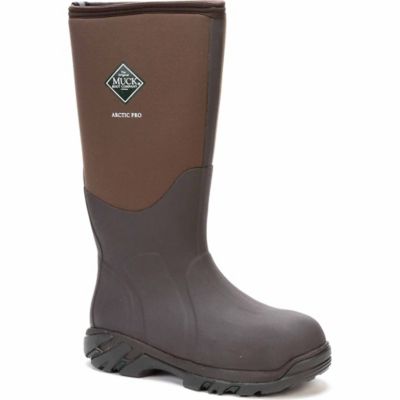
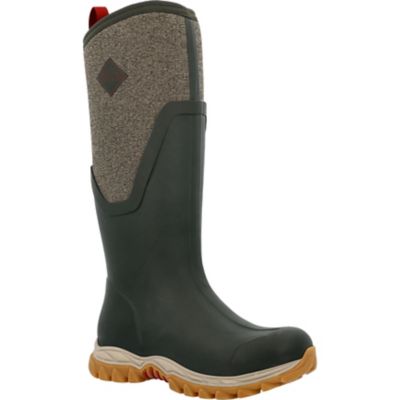
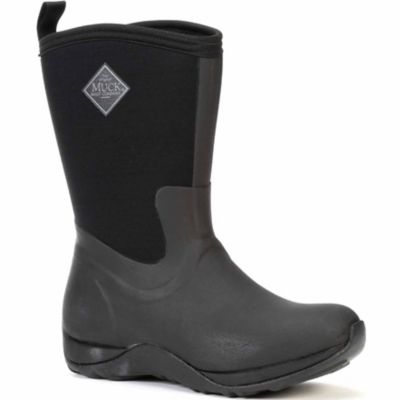
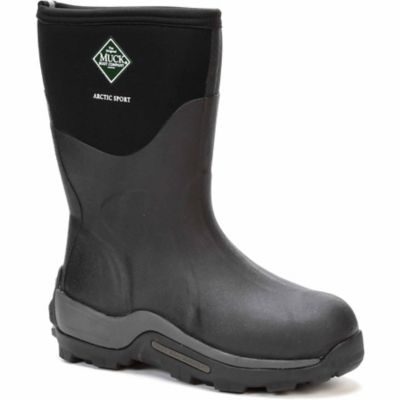
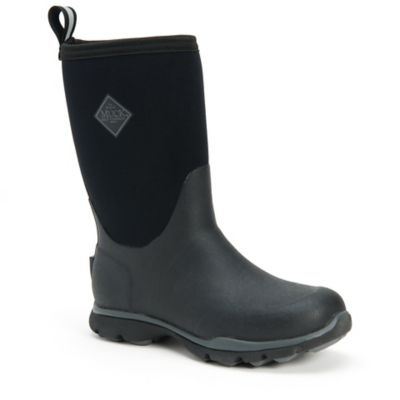
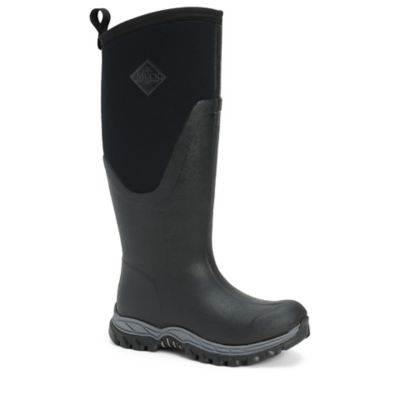
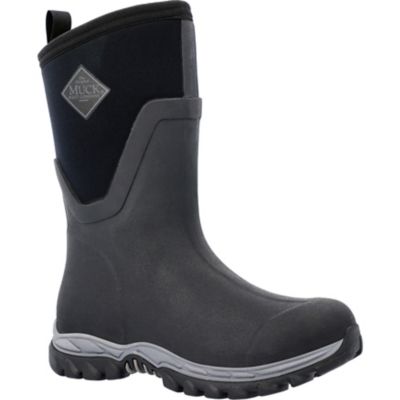
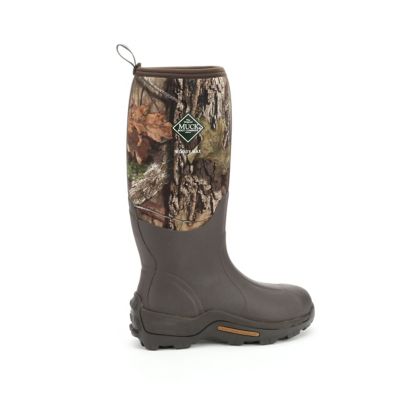
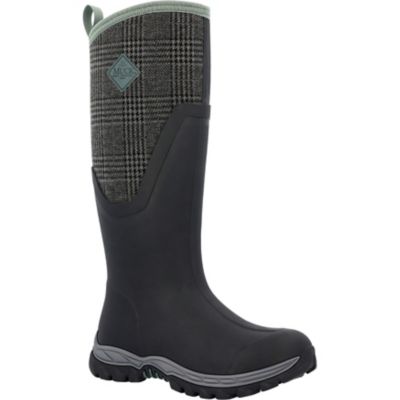
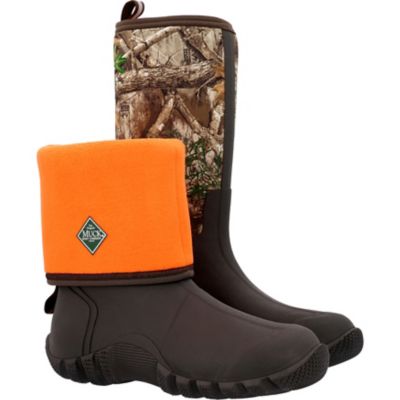
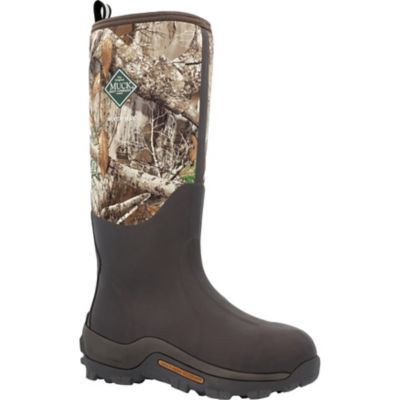
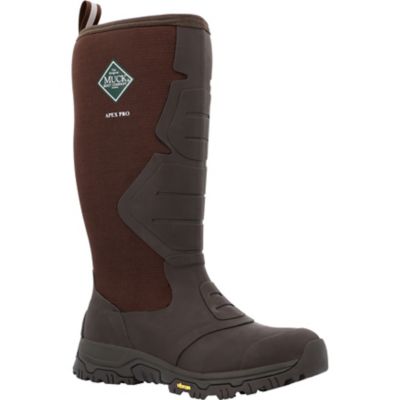
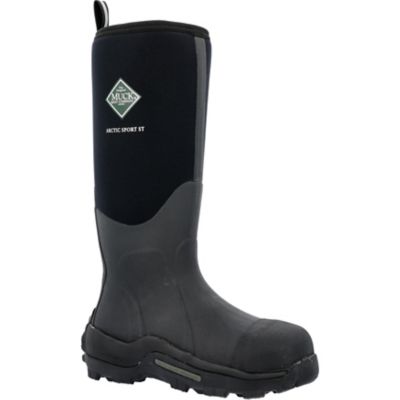
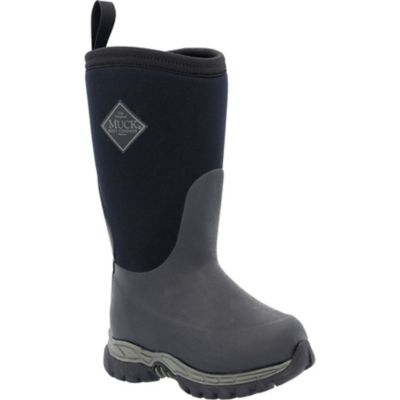
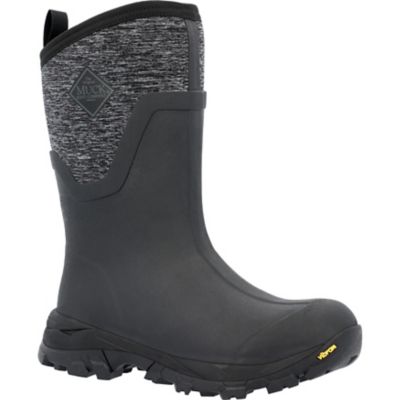
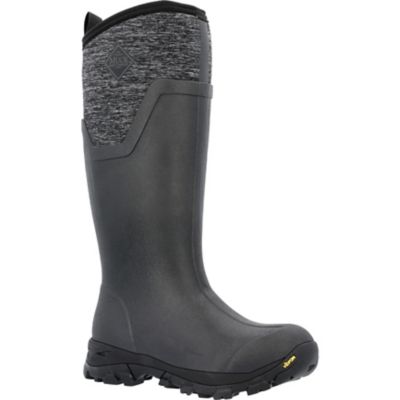
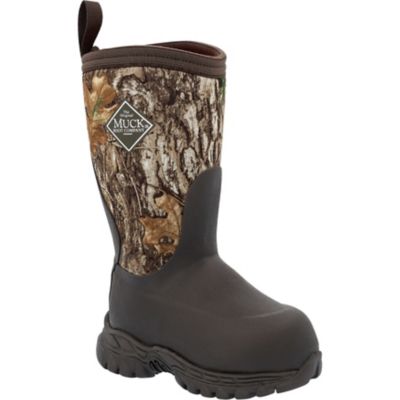
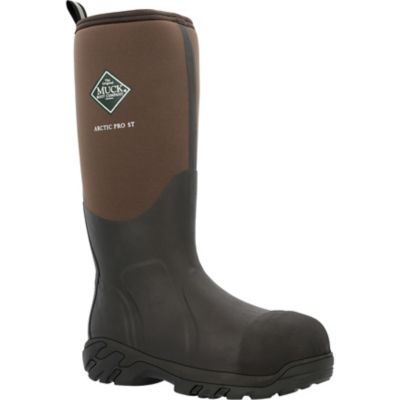
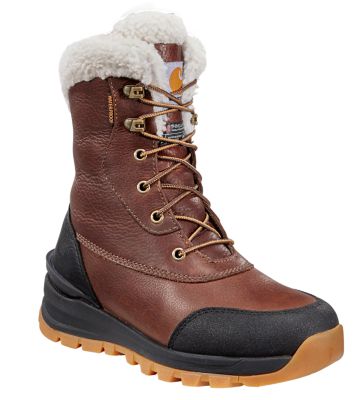
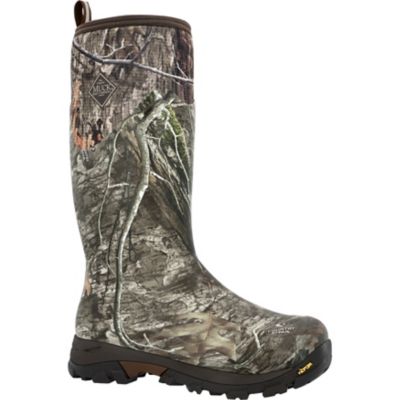
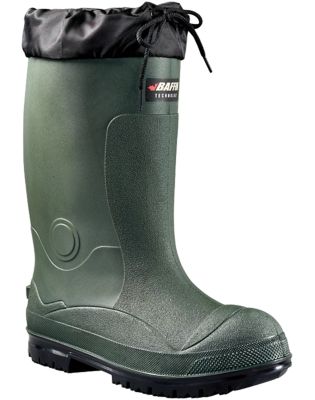
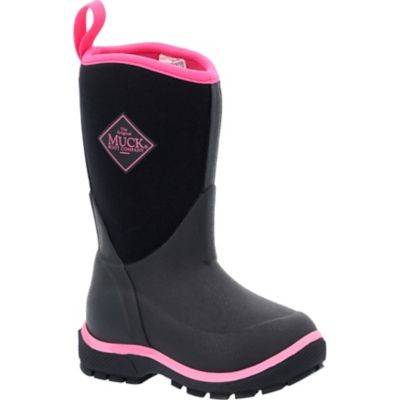
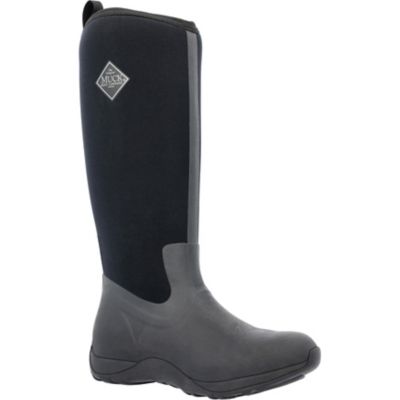
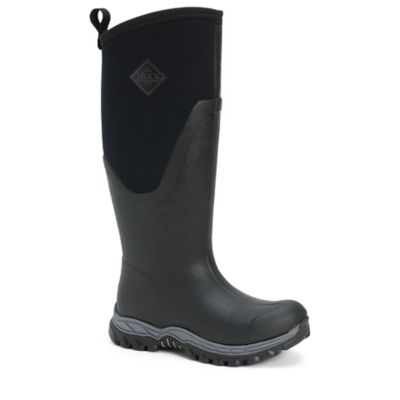
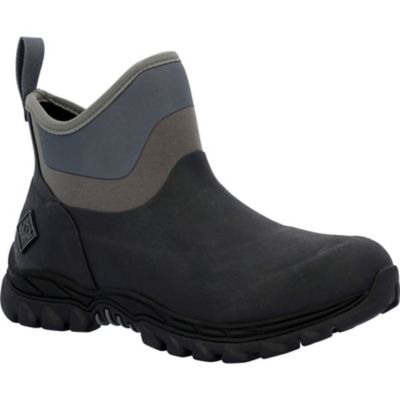
Fleece lined waterproof boots are made for days when the ground is wet, the air has a bite to it, and a regular pair of shoes will not hold up. They pair a water-blocking outer construction with a soft fleece lining that helps hold in warmth, making them useful for work around the farm, walking the dog, checking livestock, hunting, fishing, hiking, commuting, and running errands during cooler, wetter weather. A waterproof boot is different from one that is merely water-resistant. Water-resistant materials may shed a light sprinkle for a short time, but a waterproof design is built to keep rain, puddles, slush, and damp grass from soaking through under normal use. For dependable protection, look for boots with a waterproof membrane or coated interior and seams that are sealed or carefully constructed to limit water entry. A gusseted tongue can help keep moisture and debris from slipping in around the laces, while a taller shaft offers added coverage when walking through wet brush, deep grass, mud, or shallow snow. Fleece lining adds a cozy layer around the foot and lower leg, which can make a long morning outdoors much more comfortable. Standard fleece is often a good fit for everyday cold-weather chores and casual wear, while boots with heavier insulation may be better suited to extended time in freezing conditions. Keep in mind that warmth depends on more than the lining alone. How much you move, the kind of socks you wear, how snugly the boot fits, and whether you will be standing still or working hard all affect comfort. A boot that feels warm while walking may feel different during a quiet afternoon in a blind, at a ball field, or beside a chilly barn. For changing conditions, some people prefer room for a wool or thermal sock, but too much extra space can let the foot slide and reduce warmth.
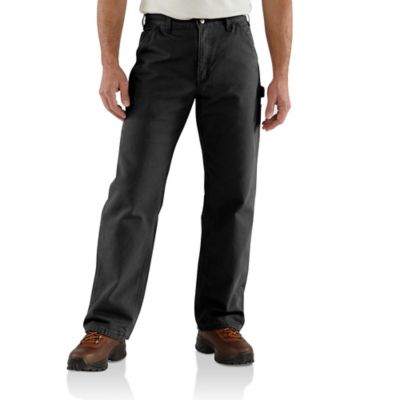
The sole deserves just as much attention as the upper. Look for a rubber outsole with a clearly defined tread pattern and deep lugs suited to the surfaces you expect to cross. Mud, wet leaves, loose gravel, slick decking, packed dirt, and light snow all call for dependable traction, though no boot can remove every slipping hazard on ice or steep ground. A flexible sole can feel natural for walking and everyday wear, while a more structured sole may offer useful support for long hours on uneven terrain. Consider the boot’s height, weight, and closure style as well. Pull-on styles are handy when you are heading out to feed animals or grab something from the shed, especially when muddy hands make laces a nuisance. Lace-up boots allow more adjustment around the ankle and calf, which can be helpful for a secure fit on trails or uneven ground. Some designs include adjustable top straps, elastic panels, or a wider opening for different calf sizes and heavier layers. Before buying, measure both feet while wearing the socks you expect to use, and check the manufacturer’s fit notes if available. Feet often swell during a full day on the go, so a little breathing room at the toe is helpful, but your heel should stay reasonably planted without rubbing. Pay attention to the boot’s intended use, too. A lightweight fleece lined waterproof boot may be a comfortable choice for town, short walks, light chores, and travel, while a heavier, sturdier boot may be better for deep mud, rugged trails, prolonged outdoor work, or colder conditions. If you spend time in wet fields or around livestock, a smooth, easy-to-clean exterior can save time at the end of the day. If you hike, hunt, or work over rough ground, a supportive ankle area and durable upper may matter more. For complete cold-weather coverage, boots can be paired with other practical layers, including
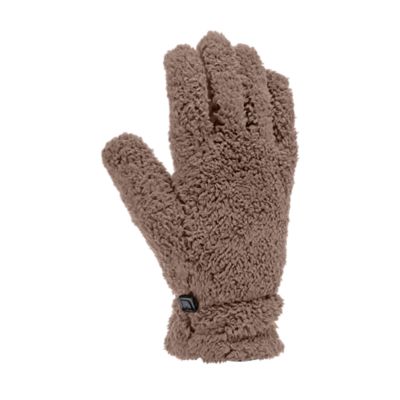
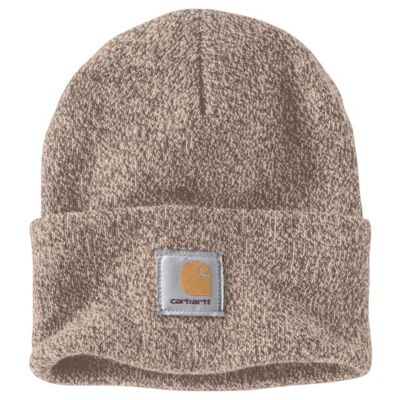
Fleece Lined Outdoor Pants, warm socks, gloves, and a weather-ready jacket.
Fleece lined waterproof boots can also make a thoughtful gift for someone who spends more time outdoors than they planned, whether that is a new homeowner learning the rhythms of yard work, a dog owner walking before sunrise, a parent on sideline duty, or a friend who enjoys weekend hikes and camp trips. They are especially useful for people who do not want to call off an outdoor task just because the forecast turns damp. A good pair can help keep feet warmer and drier while someone gathers firewood, checks a fence line, tends a garden, walks through a pasture, or heads across a wet parking lot. When choosing a pair as a gift, think about the recipient’s routine rather than simply choosing the thickest or tallest option. Someone who drives often may prefer a lighter boot with a flexible sole, while a person working in mud or standing outdoors for long stretches may appreciate more insulation, a taller shaft, and an outsole with substantial lugs. Neutral colors and simple styling tend to work well for chores, travel, and everyday wear, while a roomier fit may be welcome for thick socks. After wearing waterproof boots, let them dry naturally away from direct heat, which can damage adhesives, coatings, leather, rubber, or other materials. Remove loose dirt before it hardens, wipe away mud with a damp cloth, and follow the care instructions for the specific boot. Do not store them wet in a closed vehicle, tack room, or mudroom corner; give the lining and interior time to air out so they are ready for the next outing. Replace worn insoles or socks when needed, and inspect the tread, seams, and upper as the seasons pass. With the right fit, insulation, waterproof construction, and traction for the job, fleece lined waterproof boots can become a dependable part of an outdoor wardrobe from the first cool, wet mornings through the colder stretches of the season.