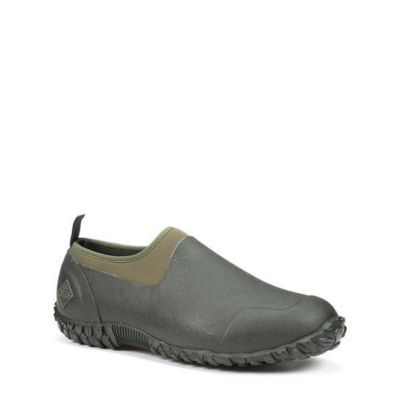
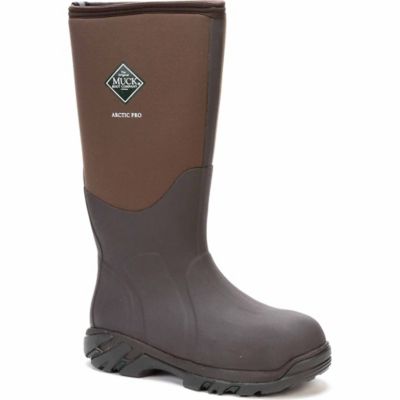
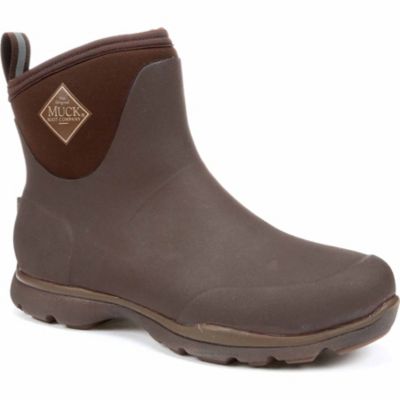
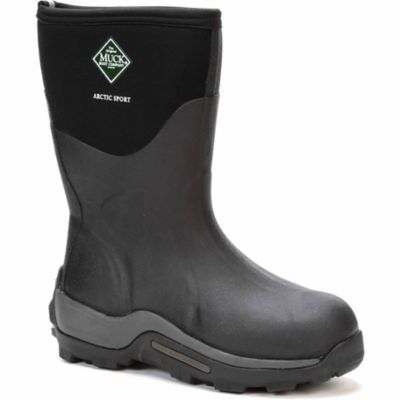
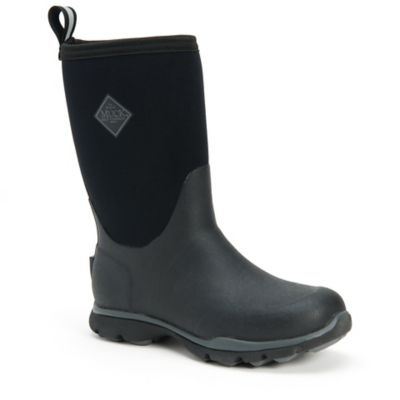
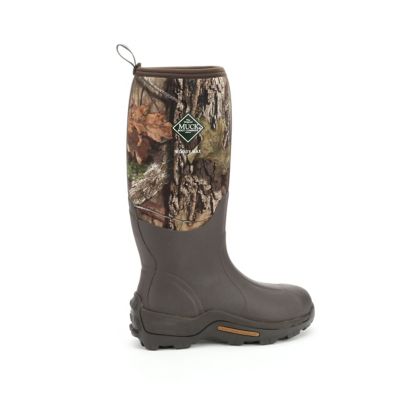
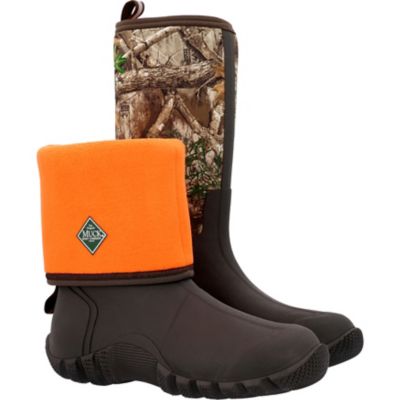
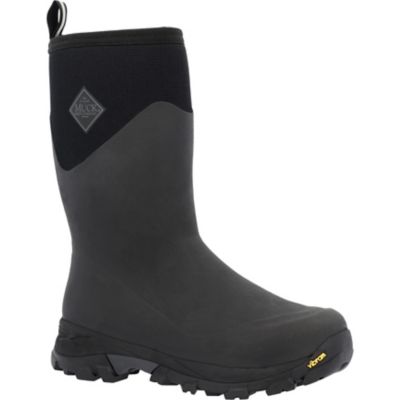
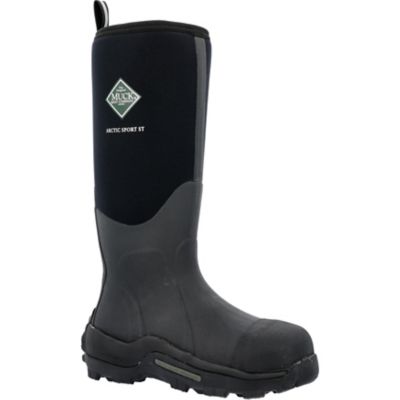
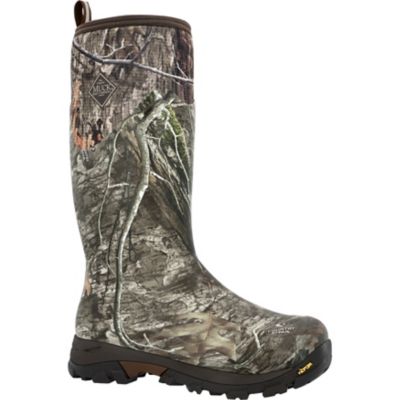
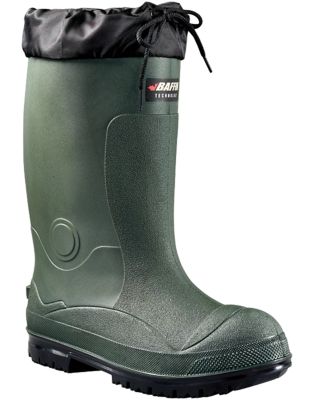
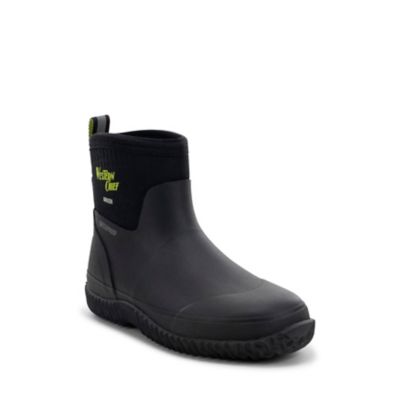
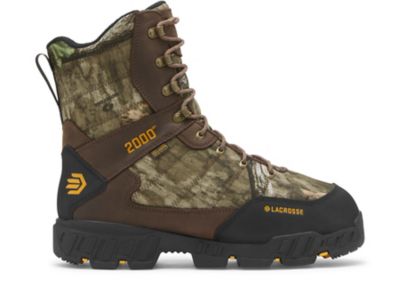
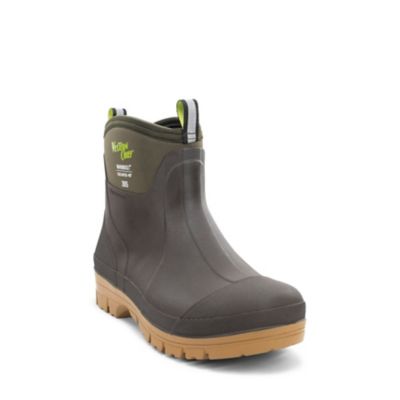
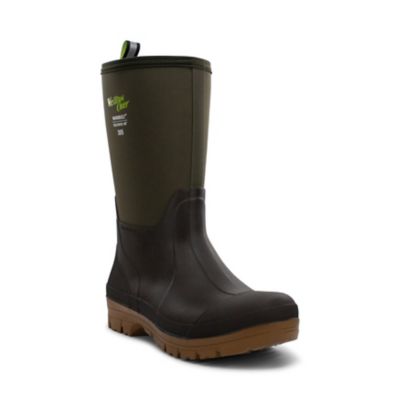
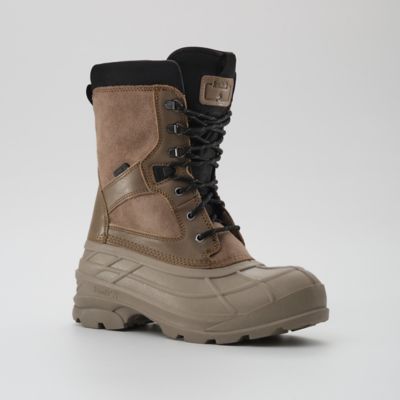
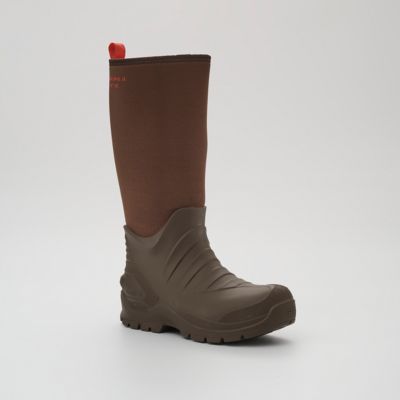
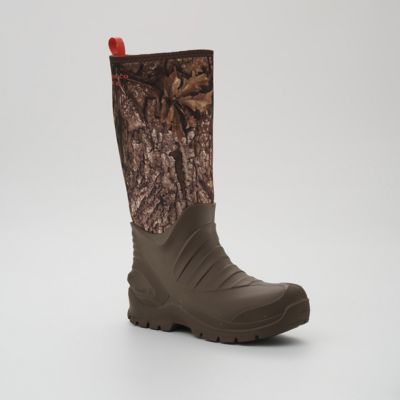
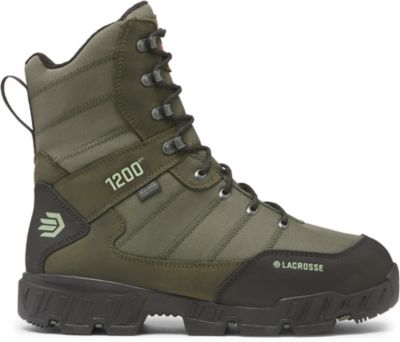
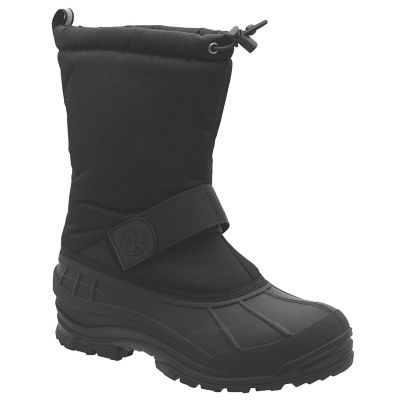
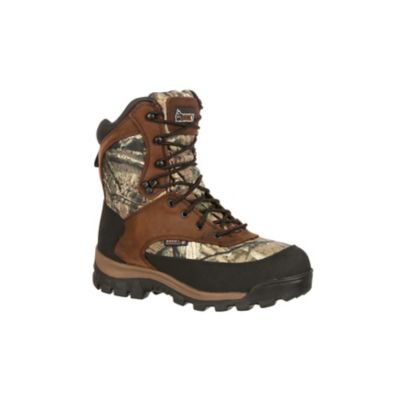
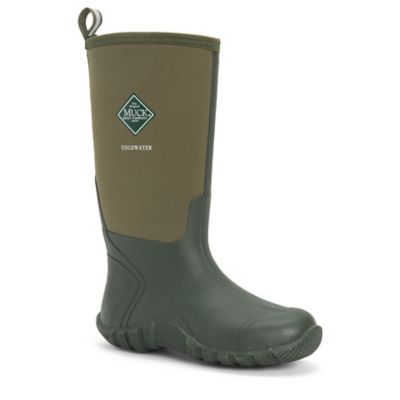
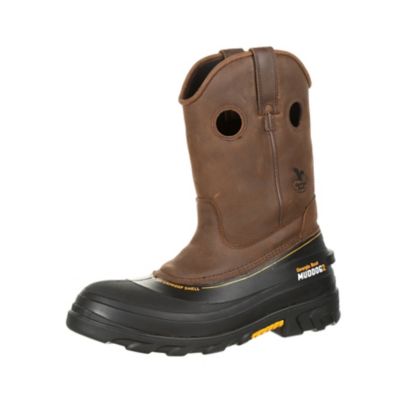
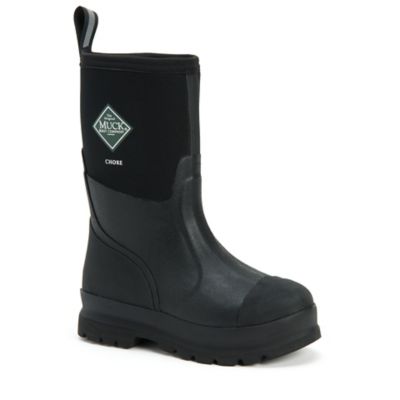
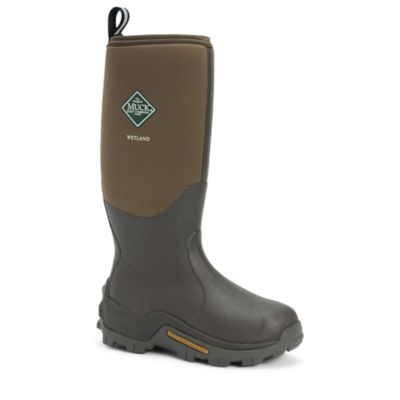
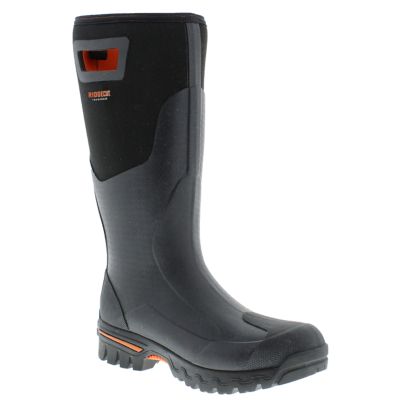
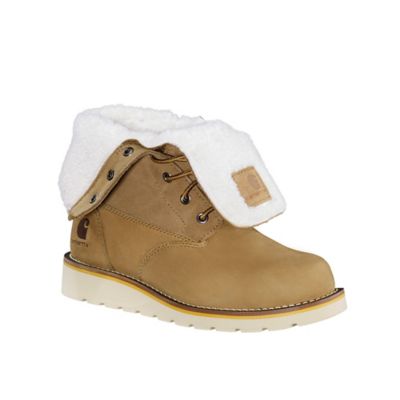
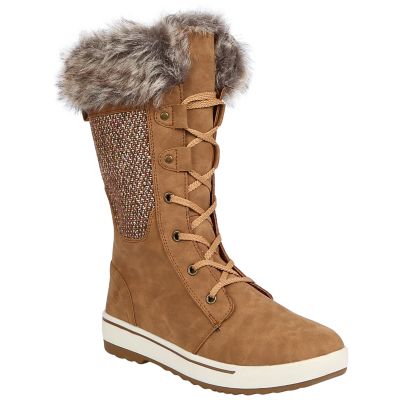
Men’s fleece-lined boots pair a soft, heat-holding interior with an outer shell built for everyday wear, outdoor chores, or work, depending on the construction. The fleece creates a comfortable layer around the foot and helps hold warm air close, making these boots a practical choice for cold mornings at the barn, walks across a frosty yard, and trips into town. That lining is only one part of the boot, though. Fleece does not make footwear waterproof, and the amount of warmth depends on the lining’s thickness and coverage, any additional insulation, the fit, and how much time the wearer spends moving or standing still. A pair suited to a short walk from the truck to the feed room may not provide enough protection for hours beside a frozen stock tank. Leather uppers offer structure and can soften with regular wear, while suede has a more textured surface that needs extra attention around mud and moisture. Rubber lower sections help keep splashes away from the foot, and textile panels can reduce weight and allow easier movement. Waterproof protection depends on the complete design, including seams, membranes, and closures, rather than the upper material alone. Water-resistant construction can handle lighter exposure, but it is not the same as a waterproof barrier when puddles and slush are part of the route. Boot height matters, too: ankle-height styles allow easy movement and work well for everyday outings, while taller shafts provide more coverage around the lower leg. Even a waterproof boot can take on water over its opening. For men who split the day between checking gates, walking gravel drives, and running errands, fleece-lined footwear brings warmth and comfort to familiar routines. The best match comes down to the ground underfoot, the amount of moisture involved, and whether the day calls for steady walking, repeated bending, or long stretches in one spot.
Comfort in men’s fleece-lined boots starts with enough room for the foot, the lining, and the socks worn together. A thick interior can make a boot feel snugger than an unlined pair, but going up a size without checking the fit can leave the heel sliding and the foot working harder with every step. Toes need room to move without hitting the front, especially when walking downhill or stepping off a porch. The heel should feel supported rather than loose, and the instep should not be pinched by laces, seams, or the top of a pull-on boot. Trying boots with the intended socks gives a better sense of everyday comfort than judging them with a much thinner pair. Wool-blend or moisture-managing synthetic socks can help move perspiration away from the skin; crowding the boot with extra-thick socks can compress the lining and reduce comfort. Lace-up designs allow adjustments across the instep and around the ankle, which can be helpful when feet swell through a long day. Pull-on styles keep getting out the door simple, although the shaft opening and heel hold deserve attention. Underfoot, cushioning helps soften repeated contact with packed ground, while a supportive midsole can make standing on concrete feel less punishing. Removable footbeds allow easier airing and may leave room for compatible replacement insoles, provided they do not squeeze the foot against the upper. Outsole design is another important distinction. Deeper lugs can bite into loose ground, while tread spacing affects how readily mud clears as the wearer walks. Slip-resistant soles may improve footing on certain surfaces, but no tread guarantees traction on ice, wet boards, or an oily shop floor. Fleece lining also does not establish a boot’s suitability for a jobsite. Where work calls for a safety toe, electrical hazard protection, or other protective features, the stated footwear rating needs to match the task. A warm casual boot and a protective work boot serve different purposes, even when both have a soft lining.
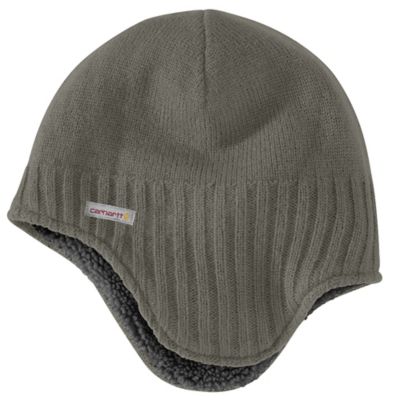
Long service life depends on construction, conditions, and care working together. Frequent kneeling, contact with rough boards, and miles across gravel put different demands on boots than occasional trips to the mailbox. Reinforced toe areas, secure stitching, and sturdy connections between the upper and sole are worth attention where scuffing and flexing happen most. Leather benefits from cleaning and conditioning with treatments intended for that material, while suede generally calls for a suitable brush and suede-specific care. Rubber surfaces usually need mud rinsed or wiped away before it dries into seams and creases. Care directions should always take priority, especially when a boot combines several materials or includes a waterproof membrane. Fleece interiors need time to release moisture after wear, even when the outside stays dry. Loosening laces, opening the shafts, and taking out removable footbeds can help air circulate. Boots dry best with gentle airflow away from a stove, radiator, or other strong heat source, which can damage leather, adhesives, and synthetic components. Putting damp boots straight into a closed storage space can leave the lining clammy for the next outing. Salt residue also deserves prompt attention, since it can leave marks and affect some upper materials. These small habits matter for footwear that gets pulled on before daylight and kicked off after the last chore. Men’s fleece-lined boots suit a range of wearers, from someone tending a backyard flock to a fellow who spends weekends walking fence lines or taking the dog down a country lane. For a gift, knowing the recipient’s usual size, preferred closure, and daily routine is more helpful than choosing by appearance alone. Someone who heads outside several times a day may appreciate an easy-entry shape, while someone covering more ground may prefer the adjustable hold of laces. For added coverage above the collar,
men’s fleece-lined hats complement warm footwear without adding much fuss to getting dressed. Boots that suit the work, fit comfortably with the right socks, and receive regular care can become a familiar part of heading out the door when the ground is cold.