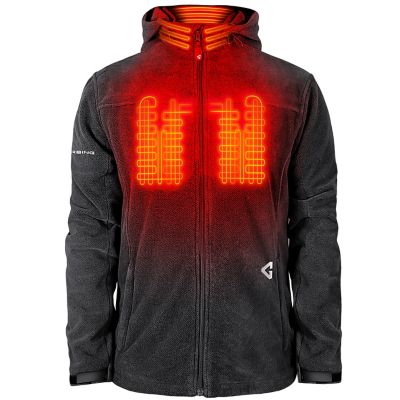
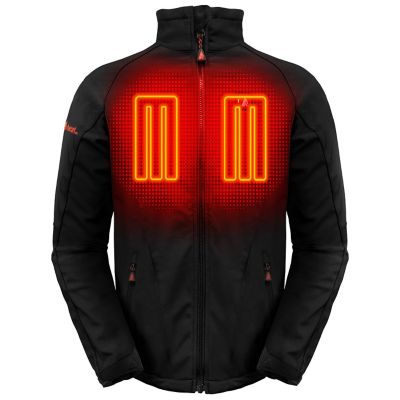
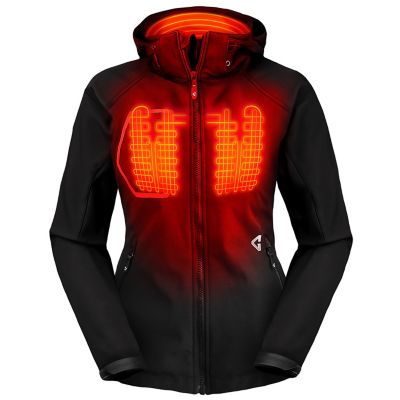
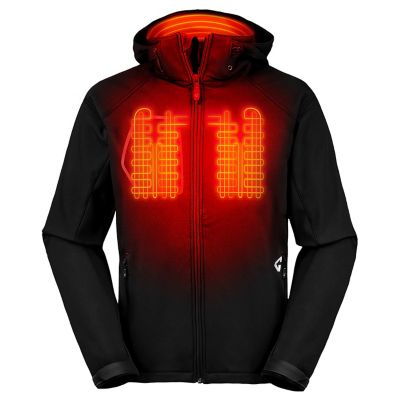
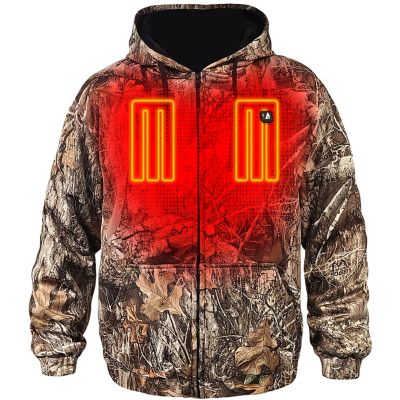
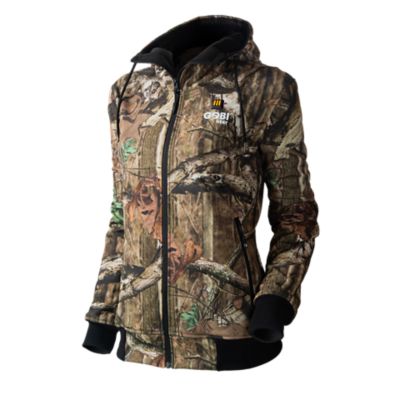
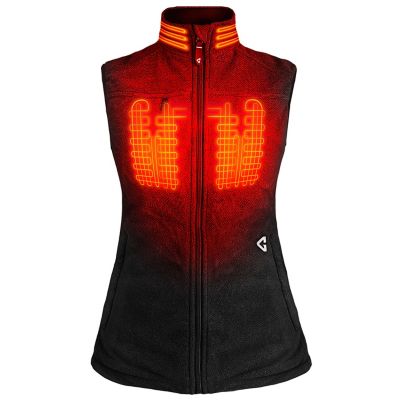
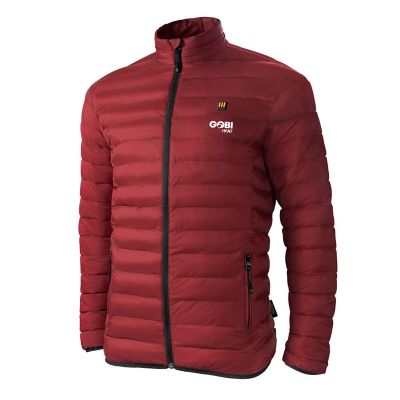
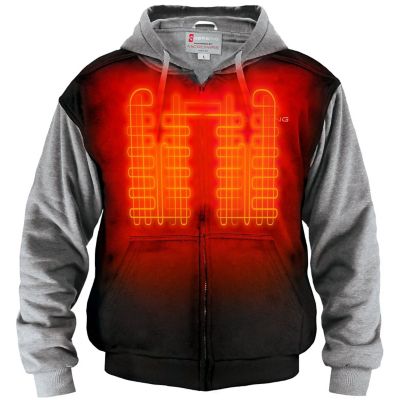
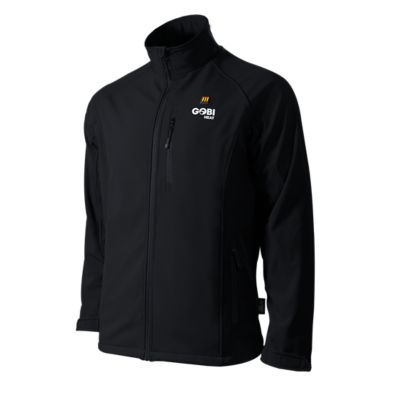
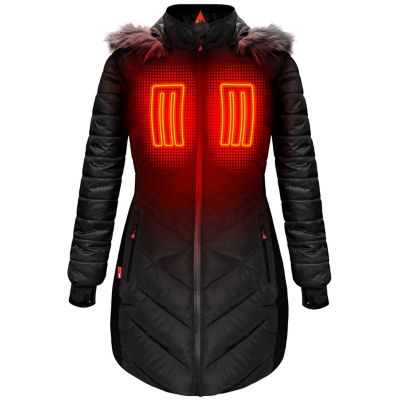
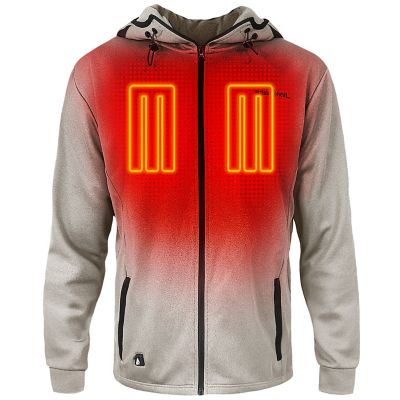
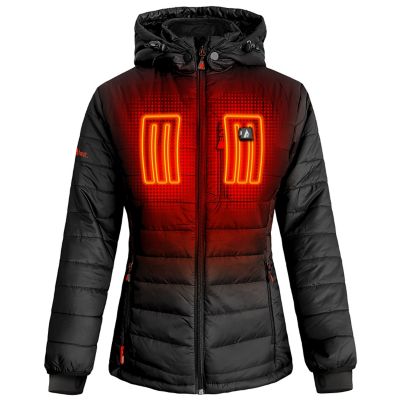
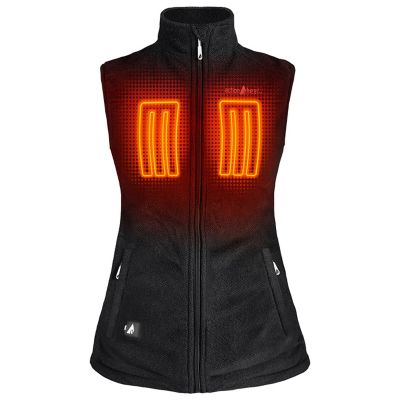
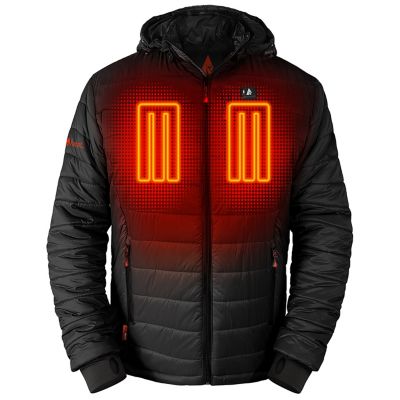
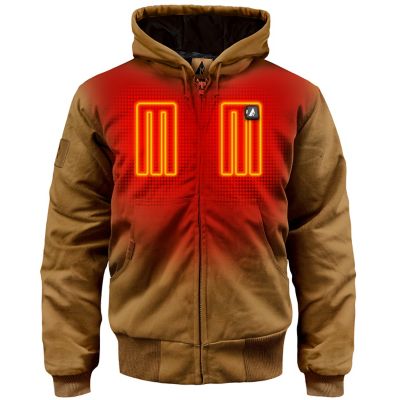
Fleece heated jackets combine the soft, insulating feel of fleece with battery-powered heating elements that add warmth around the body. Many designs have carbon-fiber heating elements across the chest and back, while some include additional heating zones near the collar or pockets. A rechargeable battery pack supplies power, and adjustable heat settings let the wearer change the warmth level without adding another heavy layer. Heating zones, battery requirements, and controls vary by jacket, so those details matter when comparing styles. For someone feeding livestock before daylight, checking fence lines, or spending a long stretch on the sidelines, that extra warmth can make time outdoors more comfortable. Fleece holds a layer of warm air close to the body, and the powered heating elements supplement that insulation rather than replacing it. Most fleece fabrics are polyester, with textures ranging from smooth, closely knit surfaces to thicker, loftier finishes. A lighter fleece heated jacket can fit beneath a roomy outer shell, while a heavier style may feel more substantial worn on its own in dry, sheltered conditions. Fleece alone generally does not block strong wind or steady rain, and battery-powered heat does not make a jacket waterproof. Wind-blocking panels, lining construction, and any stated water resistance help determine where a particular design fits into a day’s work. On an open tractor seat or along an exposed fence row, protection from moving air can matter just as much as the heat setting. Around a covered barn aisle or an enclosed equipment cab, a softer, less bulky layer may be the better match. The appeal is practical: warmth that can be adjusted as the job changes, with enough flexibility for reaching a gate latch, carrying feed, or settling in for a long ride. The right balance depends on the work, the layers underneath, and how much time the wearer spends moving versus standing still.
Fit makes a real difference in how a heated fleece jacket feels through a full day. A jacket that sits reasonably close to the torso helps keep its heated areas near the body, but it still needs room for a base layer and comfortable movement through the shoulders. Too much extra fabric can feel cumbersome beneath a coat, while an overly tight fit can pull across the back when lifting a bucket or reaching into a truck bed. Sleeve length, shoulder shape, and hem coverage are worth considering alongside the size chart. A hem that stays put when bending and cuffs that fit comfortably around the wrists help limit gaps where cold air can slip in. Stand collars offer neck coverage without a hood, while hooded designs provide another option for head and neck coverage. Shoppers comparing those shapes can also explore
Fleece Hood Jackets for more fleece layering options. Pocket placement matters, too, especially when a tool belt, seat belt, or outer coat sits across the same area. The battery pocket should keep the pack secure without pressing awkwardly against the hip or side while seated. Straightforward controls are handy when hands are cold, though button operation with gloves depends on the design. Battery runtime varies with pack capacity, heat setting, outdoor temperature, and jacket construction; the highest setting generally draws power faster than lower settings. Advertised runtime should be considered alongside the conditions and settings behind that figure rather than treated as a fixed promise for every outing. Battery compatibility is equally important, since packs and connectors are not interchangeable across all heated apparel. Charging time and whether the required battery and charger are included can also affect how the jacket fits into a daily routine. For stop-and-start chores, adjustable warmth gives the wearer a way to ease back on heat while walking briskly and turn it up during a longer stretch at the gate.
Everyday wear puts fleece through plenty of contact with seat edges, rough boards, straps, and repeated washing, so fabric construction and finishing deserve attention. Closely finished seams, secure pocket stitching, and a smoothly operating zipper all contribute to a jacket that holds up to regular wear. Fleece can develop surface pills where fabric rubs, particularly beneath shoulder straps or along the sides, and reinforced panels may help protect higher-contact areas when a design includes them. A soft fleece jacket is still not a substitute for protective workwear around sharp edges, sparks, open flame, or other job hazards. Care also takes a little more attention than it does with an ordinary fleece layer because wiring, connectors, and a battery are part of the garment. The jacket’s care label should determine the cleaning method; some designs allow machine washing under specific conditions, while others call for a different approach. Remove the battery before cleaning, follow directions for securing the connector, and let the jacket dry completely before reconnecting power. Bleach, fabric softener, wringing, and tumble drying may be restricted, depending on the garment. Keeping the battery and charging connections clean and dry, inspecting them for damage, and storing the pack as directed help protect the heating system between outings. For someone who splits the day between barn chores, errands, and watching a ballgame, the most useful style is often one that works comfortably across those settings without feeling stiff or cumbersome. Heated fleece can also make a thoughtful gift for a family member who spends hours checking livestock, tending a property, or sitting outside at sporting events. Knowing that person’s usual size, preferred layers, and comfort with charging a battery helps make the choice more practical. Whether worn beneath a weather-shedding coat or as a standalone layer where conditions allow, fleece heated jackets bring together familiar fleece comfort and adjustable warmth for time spent outdoors.