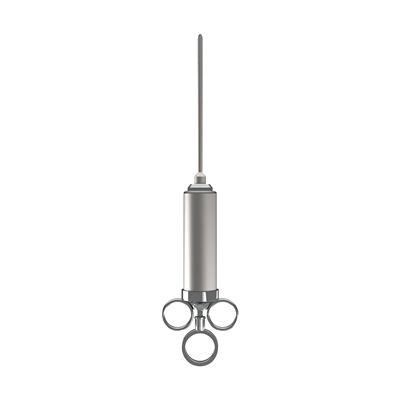
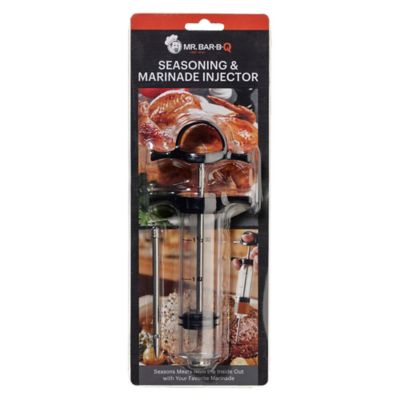
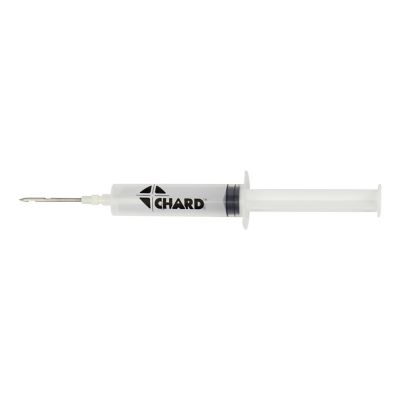
Flavor injectors are syringe-style kitchen tools that deliver broth, brine, melted butter, or liquid marinade directly into meat. Also called marinade injectors or meat injectors, they have a barrel that holds the liquid, a plunger that pushes it forward, and a hollow needle that carries it beneath the surface. That makes them different from basting brushes and surface rubs: a brush coats the outside, while an injector places seasoning farther into a thick cut. For a pork shoulder headed to the smoker, a beef roast going into the oven, or a whole bird on the grill, that inside-out approach adds another way to build flavor. A simple broth mixture can complement a seasoned crust without covering up the taste of the meat, while butter-based mixtures bring richness to leaner portions. Injection can add liquid to the interior, but it does not replace proper cooking or guarantee tender results. The cut, cooking method, and finished internal temperature still matter. These tools fit naturally into backyard barbecue setups, home kitchens, and hunting-camp cooking gear, especially where large cuts are a regular part of the meal. They can also make sense for smaller roasts and thick poultry portions when the needle size and amount of liquid suit the job. Smooth mixtures generally move through narrow needles more easily than sauces containing seeds, herb stems, or coarse spices. A thicker sauce that works well on the outside of ribs may not flow through an injector at all. That distinction helps explain why the liquid and the needle need to work together. Flavor injectors offer a targeted way to add seasoning beneath the crust while leaving room for familiar rubs, smoke, and sauces on the outside. For cooks feeding a table full of family or slicing a roast for sandwiches, that combination can bring more of the chosen seasoning into each serving rather than concentrating it only around the edges.
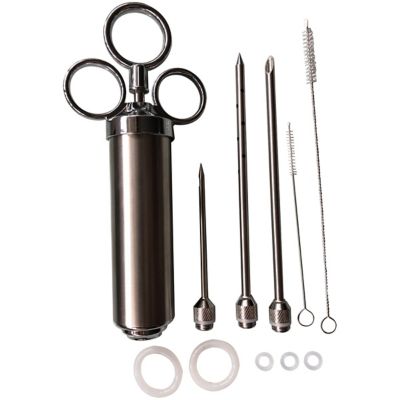
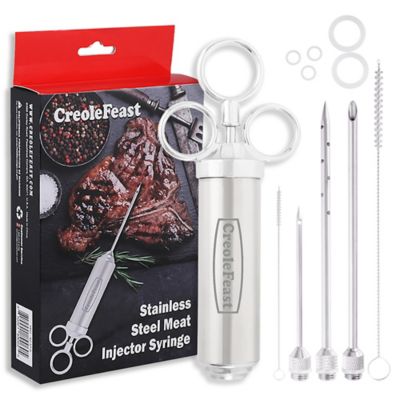
The most useful flavor injector is one that matches the food being prepared and feels manageable in the hand. Barrel capacity affects how often it needs refilling, but a larger barrel also takes up more room and can feel less nimble around smaller cuts. A smaller capacity may suit occasional kitchen cooking, while a larger one can make repeated injections into a big roast less interrupted. Clear measurement markings help with portioning liquid and repeating a mixture from one cook to the next, though the amount a cut can hold varies with its size and structure. Needle length matters just as much: longer needles can reach farther into thick roasts, while shorter needles can be easier to manage around smaller portions. Opening size and placement affect how liquid leaves the needle. Fine openings work best with thin, well-strained mixtures; wider openings may accommodate somewhat thicker blends, depending on the design. Side openings can spread liquid along the needle’s path rather than release it only at the tip. Food-contact stainless steel is a common material for needles and some barrels because it tolerates repeated washing and resists corrosion with appropriate care. Clear food-contact plastic barrels make the remaining liquid easier to see, although their cleaning and heat limits depend on the material. Seals, plunger fit, and needle connections deserve attention too. A snug connection helps limit leaks, and a smooth-moving plunger makes steady pressure easier than a sticking mechanism that suddenly releases. Finger loops, thumb rests, and textured grips can make handling more comfortable, particularly when hands are damp from food prep. Removable needles and accessible barrel interiors are practical details because narrow passages and hidden corners need thorough cleaning. Where interchangeable parts are involved, matching threads, seal dimensions, and the manufacturer’s compatibility information matter more than a similar appearance. For frequent cooking, sturdy connections and parts that come apart without a struggle can make a real difference over time.
Care and safe handling are part of owning any tool that comes into contact with raw meat. Flavor injectors need cleaning after each cooking session, with particular attention to the needle bore, seals, and spaces around the plunger. Dishwasher suitability varies, so the manufacturer’s care directions determine whether parts belong in the dishwasher or need hand washing. A narrow cleaning brush can help reach passages that a dishcloth cannot, and thorough rinsing keeps soap residue out of the next batch of marinade. Parts should be fully dry before storage, with sharp needles protected from loose utensils and reaching hands. Butter-based mixtures can firm up inside narrow openings, while bits of garlic and ground spices can lodge in small holes; an injector that comes apart easily makes those cleanup chores less of a fuss. Liquids that have contacted raw meat should not return to a clean sauce bowl or become a finishing sauce without appropriate cooking. Injection can also carry surface bacteria into the meat, so safe handling and a food thermometer remain important even when the outside looks nicely browned. Keeping raw meat refrigerated and separating it from ready-to-eat foods matters throughout prep. For cooks who portion larger cuts or put meat away for later meals,
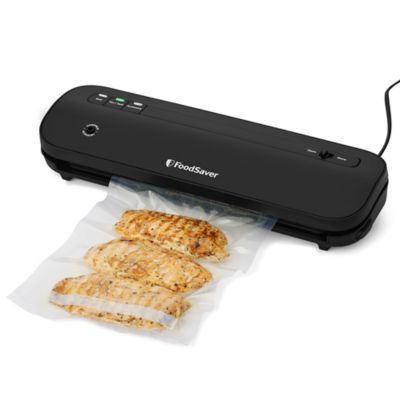
Vacuum Sealers For Meat fit into the broader routine of packaging and storage, while refrigeration or freezing is still necessary for perishable foods. An injector can also be a practical gift for someone who enjoys tending a smoker, roasting larger cuts, or cooking game for family suppers. The best fit comes from how that person cooks: easy-to-clean parts for frequent meals, a comfortable grip for longer prep sessions, and needle options that suit their usual mixtures. Whether the meal is a slow-smoked shoulder for a get-together or a roast with enough left for tomorrow’s sandwiches, the right features help keep the focus on seasoning the meat and getting supper on the table.