Bolt Cutters
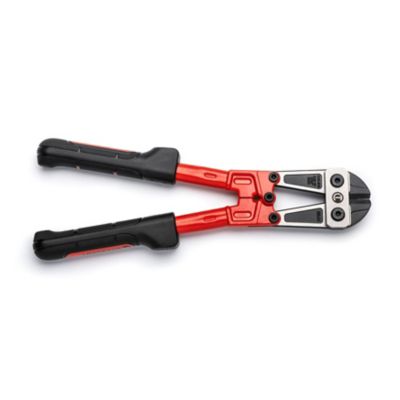
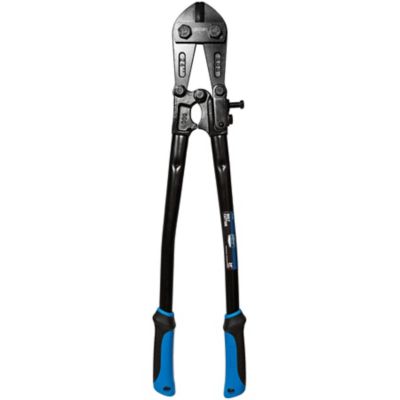
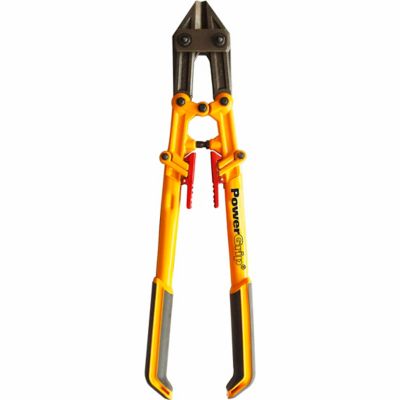
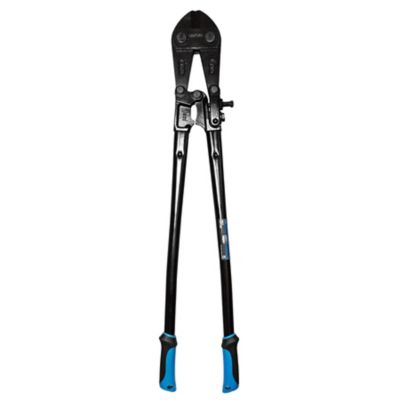
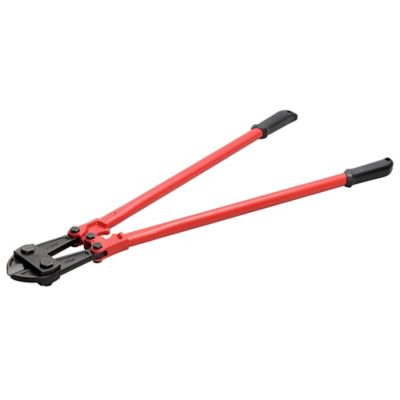
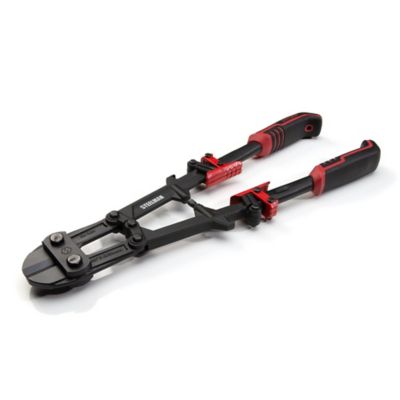
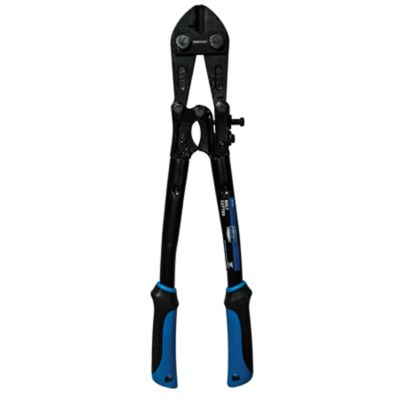
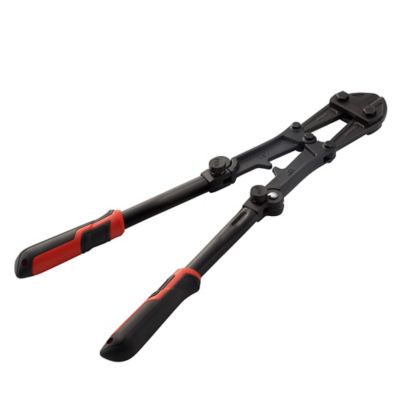
Find bolt cutters for cutting chain, wire and other metal around the farm, shop or jobsite. Compare tool length, jaw opening and rated cutting capacity to choose a pair that fits the size and hardness of what you need to cut.
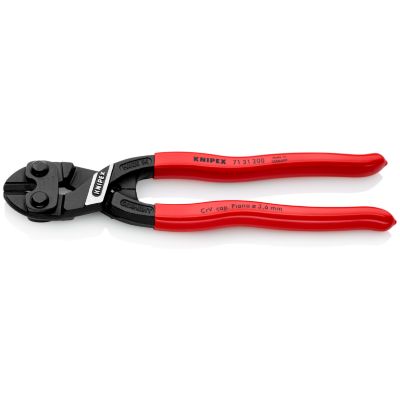
$89
.99
Sale Was $99.99 Save $10.00 (10%)
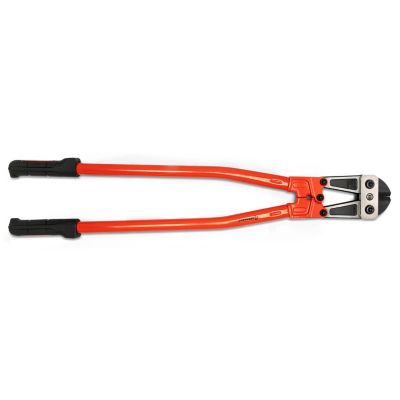
$26
.99
Sale Was $29.99 Save $3.00 (10%)
$43
.19
Sale Was $47.99 Save $4.80 (10%)
$49
.49
Sale Was $54.99 Save $5.50 (10%)
$26
.99
Sale Was $29.99 Save $3.00 (10%)
$35
.99
Sale Was $39.99 Save $4.00 (10%)
Best Of FAQ
What are the main parts of a bolt cutter?
A typical manual bolt cutter has two handles, a pivot linkage and a pair of cutting jaws. Some designs also have adjustment bolts near the head. The linkage connects the handles to the jaws so they move together.
What do center-cut and clipper-cut mean on bolt cutters?
These terms describe the cutting-edge layout. Center-cut jaws have edges centered between the jaw faces. Clipper-cut jaws have edges positioned closer to one face. They're names for jaw styles, not separate tool categories.
How are manual and powered bolt cutters operated?
Manual bolt cutters open and close through handle movement. Powered models use a motor or hydraulic mechanism to move the jaws, with controls that vary by design. Check the tool's documentation for its operating details.
What routine care do bolt cutters need?
Wipe away dirt and moisture after a day's chores, and follow the manufacturer's directions for lubricating pivot points. Care requirements can vary, so check the manual before applying cleaners or lubricants.
How can I keep bolt cutters organized in a farm shop?
Give them a dedicated spot on a tool rack, in a cabinet or in a tool chest. A dry storage area keeps them out of damp barn corners, and a labeled spot makes them easier to find when it's time for fence or shop work.
Best Sellers
-
"Two holes in jaws are great for twisting loose ends around standing fence at terminations"
-
"Product works great when you have a tight area to work in"
-
"Reliable & best quality"
-
"Love it great , great product. I would highly recommend to anyone"
-
"I love the high vis handles in case they slip out of my pocket, makes them really jump out and grab your"