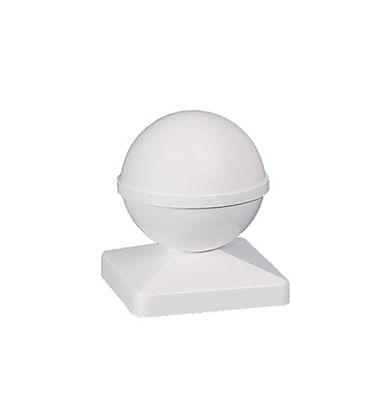
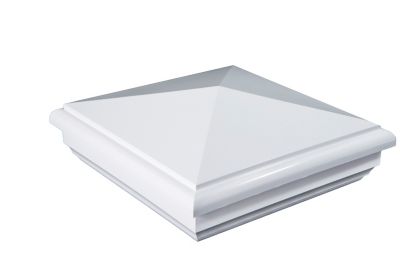
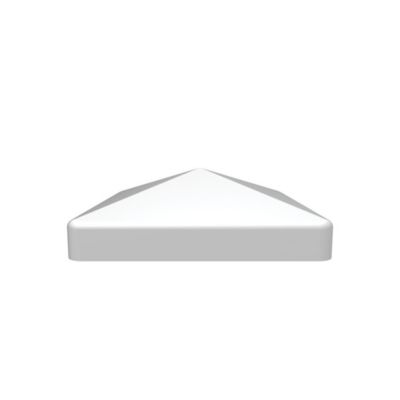
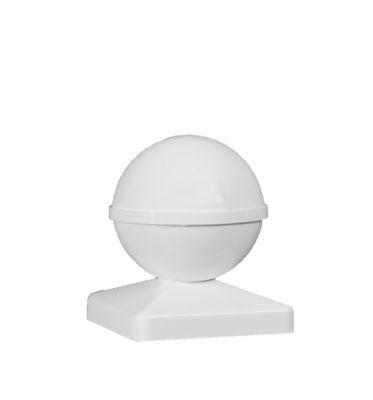
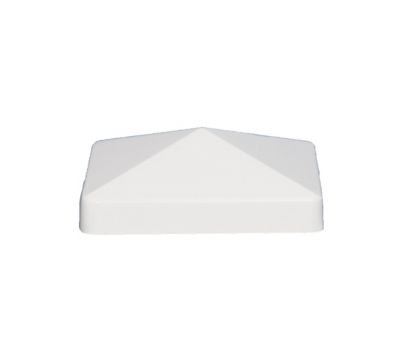
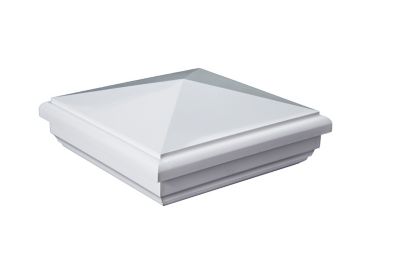
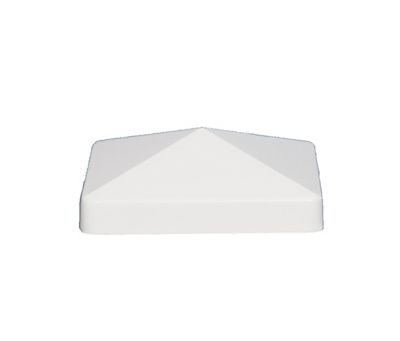
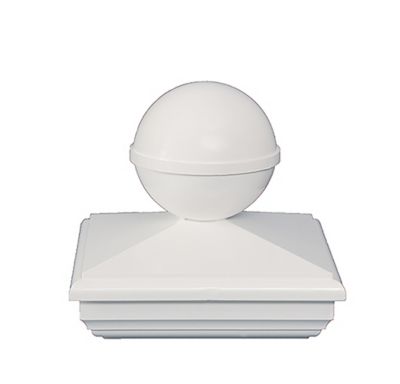
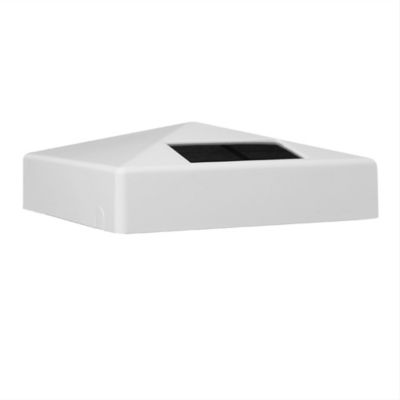
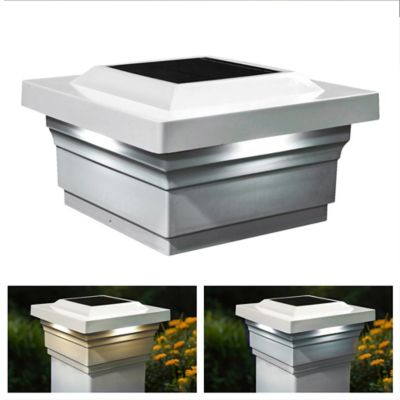
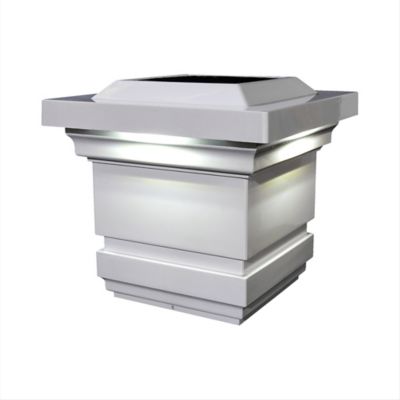
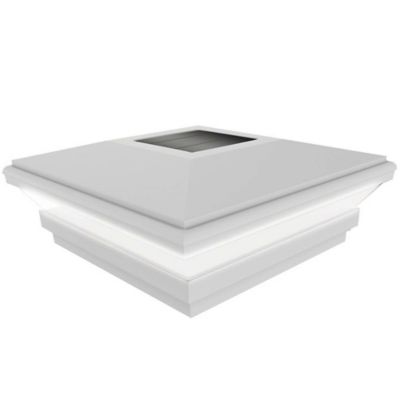
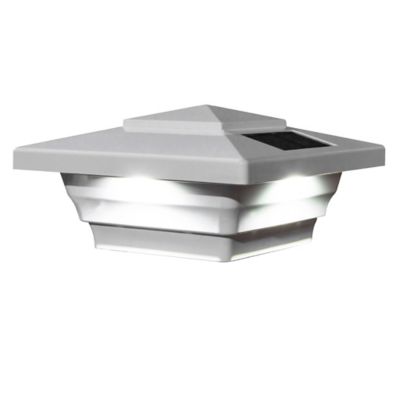
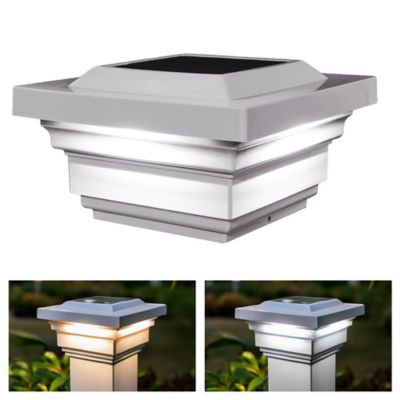
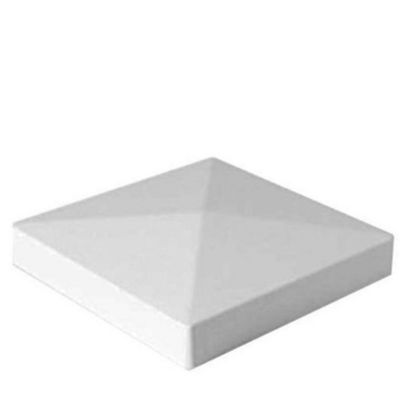
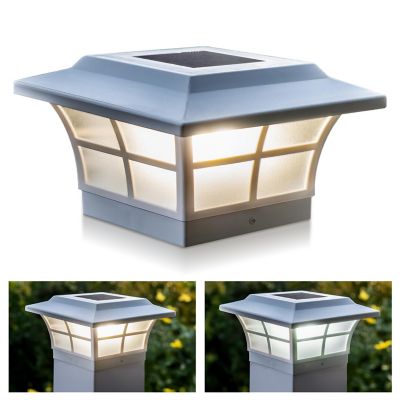
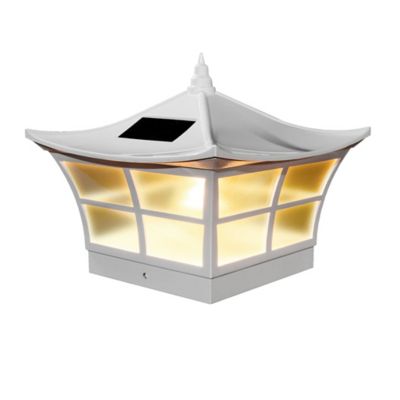
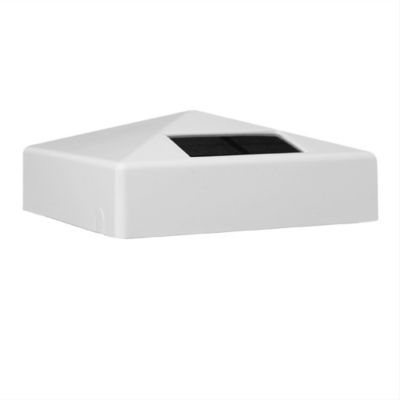
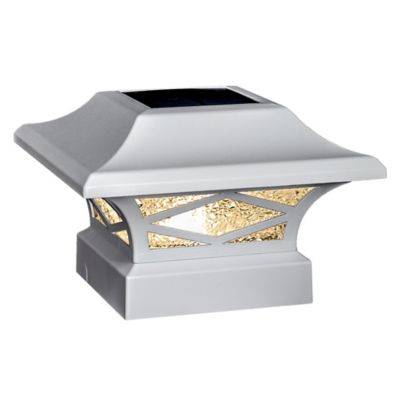
White vinyl fence post caps cover the open tops of vinyl fence posts, helping keep water and debris out while giving the fence a finished look. They’re small parts, but they stand out along a driveway, beside a garden gate, or across a backyard fence line. A row of matching white caps gives each post a clean endpoint instead of leaving a hollow opening exposed. Many vinyl caps are made from PVC, the plastic commonly found in vinyl fencing, with molded shapes that complement square posts and sleeves. Their smooth surfaces generally need no routine painting, making them a practical choice for homeowners and property owners who want a tidy fence without another refinishing job. Cap profiles range from low, simple tops to peaked shapes and taller ornamental designs. A low-profile cap keeps attention on the fence itself, while a more pronounced peak gives the posts a stronger outline. Broad tops can look right at home on substantial posts around a yard, while smaller profiles suit narrower posts without overwhelming them. The white finish also matters: bright white, softer white, glossy surfaces, and lower-sheen finishes may look different beside an existing fence, even when they share the same color name. Matching the cap’s finish and proportions to the posts helps the whole run look like it belongs together. Alongside
White Vinyl Privacy Fence Panels, coordinating caps help carry that consistent appearance from one end of the enclosure to the other. The same attention to proportion works around patios, along side yards, and near entrances where individual posts are easy to see up close. For a long stretch beside a gravel drive, a straightforward shape may suit the setting better than an elaborate top. Near the house or at a walk-through gate, a taller profile can make the entrance more noticeable without changing the fence layout. Neither shape is automatically the better choice; the right look depends on the fence style and the surrounding property.
Fit is the main consideration when comparing white vinyl fence post caps, since a cap that looks right may still sit loosely, ride too high, or fail to seat on the post. Fence post dimensions can be nominal rather than exact, so the stated post size alone does not always establish compatibility. Outside-fitting caps need to match the post’s exterior width and depth, while insert-style caps depend on the dimensions of the opening and the space inside it. Sleeve thickness, corner shape, and any internal reinforcement can affect that fit. A hollow vinyl sleeve over a structural post may need a different cap arrangement than a hollow post with a clear opening. The depth of the cap’s skirt also affects how far it overlaps the post, which can change both its appearance and how securely it sits. For replacement work, the existing post provides a better reference than a guess based on the fence’s overall size. A post that has become distorted, split at a corner, or developed damage around the top may need attention beyond a new cap. For new fencing, compatible dimensions and attachment requirements help keep the project consistent from the start. Some cap designs rely on a snug fit, while others call for an adhesive or another attachment method specified by the manufacturer. Those differences matter, especially where a cap may need to come off later for access to components inside the post. An adhesive intended for the particular vinyl components can help avoid bonding problems or surface damage; an unsuitable solvent or excess glue can leave marks that are difficult to remove. Around gates, cap height and overhang also deserve a look because nearby hardware and moving parts need clear space. A cap finishes the top of a post, but it does not reinforce the post, support a sagging gate, or replace the structural parts required by the fence system. That distinction is especially important at wide driveway openings and heavily traveled walk-through gates, where the posts carry more than their share of daily activity.
Material construction and everyday care influence how white vinyl fence post caps hold their appearance over time. Wall thickness, molded details, attachment design, and resistance to ultraviolet exposure can vary, so manufacturer specifications offer more useful information than appearance alone. A substantial-looking top is not necessarily suited to bearing weight, and fence caps generally are not intended as steps, seats, or tie-off points. Around a working property, keeping tools, gate chains, and equipment from striking the caps helps prevent chips, cracks, and loose fittings. Closed tops help limit entry of water and loose debris, but a cap should not be treated as a guarantee that the post interior is watertight. The fence system’s drainage and installation requirements still matter. For routine cleaning, mild soap, water, and a soft cloth or nonabrasive brush are often enough to lift dirt from a smooth vinyl surface, subject to the manufacturer’s care directions. Dust from a gravel lane, grass clippings near the mower path, and soil splashed from a garden bed can collect around the lower lip or in molded grooves. Simpler shapes have fewer recesses to clean, while more detailed profiles may need a little extra attention around their edges. Mineral deposits from irrigation water can leave marks that call for a cleaner approved for vinyl rather than hard scrubbing. Abrasive pads, strong solvents, and concentrated spray pressure can damage some surfaces or loosen an attachment. Occasional checks for a lifted edge, cracked corner, or missing cap help keep small problems from going unnoticed. Replacement caps are especially useful when the fence itself remains sound but a few post tops no longer match or fit properly. Across a backyard enclosure or a long boundary beside the lane, properly fitted caps keep the tops covered and the fence line looking cared for, without turning a small finishing detail into a bigger maintenance chore.