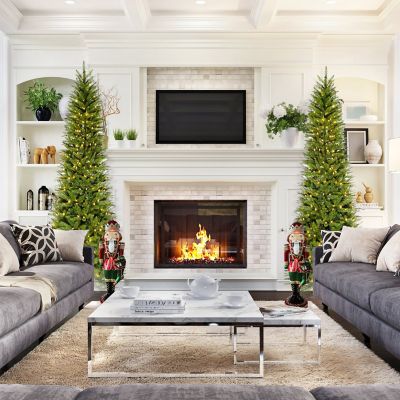
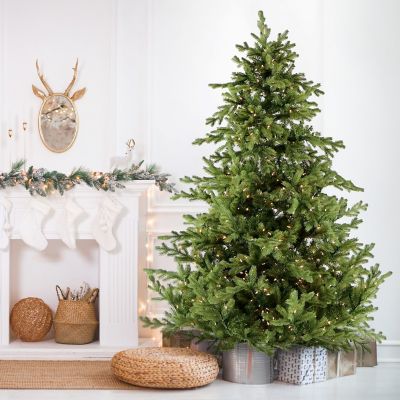
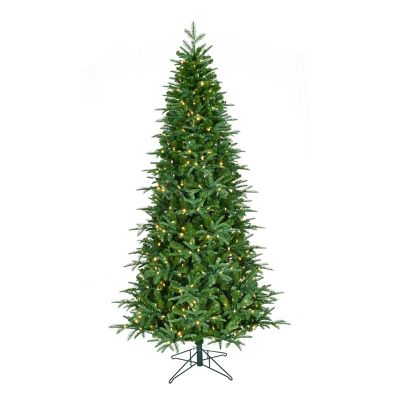
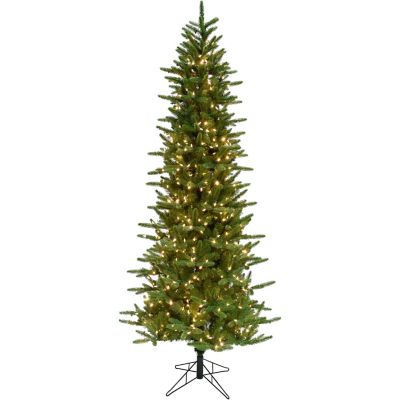
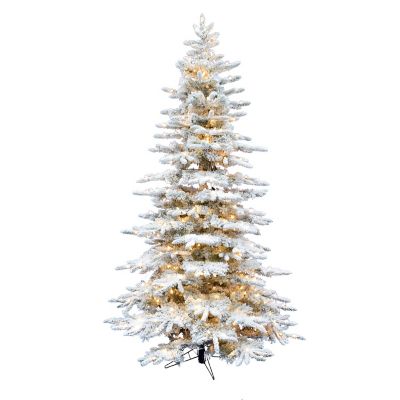
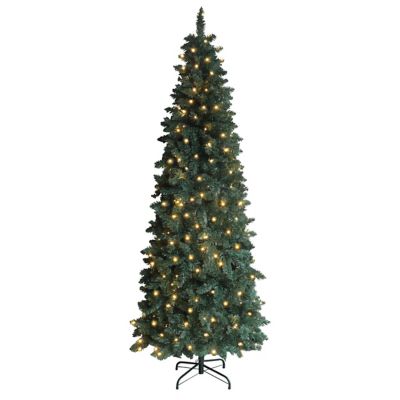
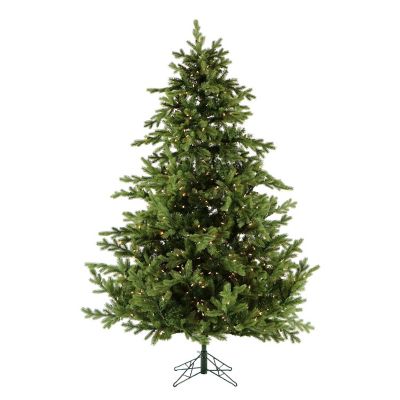
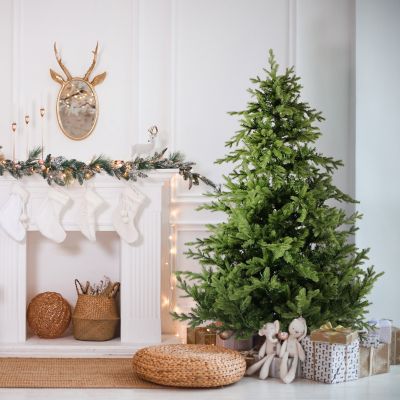
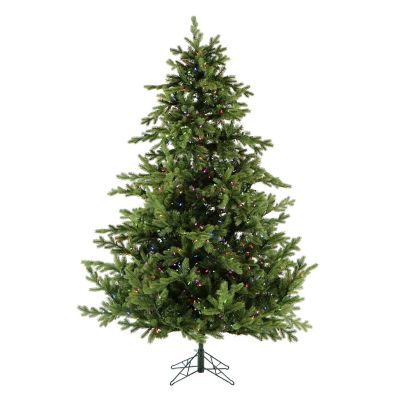
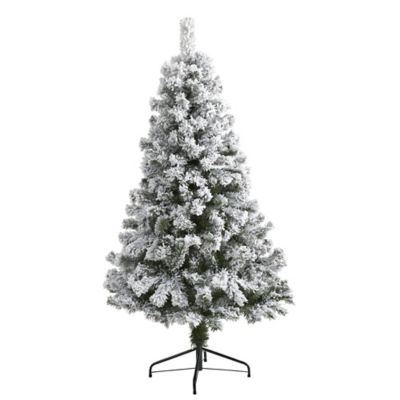
EZ Connect Christmas trees are pre-lit artificial Christmas trees with built-in electrical connections in the center pole, so the lighting connections join as the tree sections fit together. This design takes the place of separate light plugs between sections, while a main power cord connects the assembled tree to an appropriate outlet. It means less time reaching through branches to match cords and more time hanging the ornaments that make Christmas feel like home. The connection system handles the electrical link between sections; shaping the branches is still part of getting that full, natural-looking silhouette. For households that put up a tree each Christmas, this combination of sectional construction and integrated lighting can make a familiar tradition a little simpler. Artificial branches also bring the look of an evergreen indoors without the watering that comes with a cut tree. Branch materials help determine the appearance up close and across the room. Molded polyethylene tips can give needles a defined shape, while PVC needles can add fullness throughout the tree. Some artificial trees combine these materials, so both the outer tips and the interior branch coverage matter when comparing appearances. A dense profile creates a solid green backdrop for ribbons and ornaments, while more open branching leaves room for larger keepsakes to hang freely. Needle color, branch spacing, and the shape of the upper limbs all influence whether a tree feels right beside a stone fireplace, in a farmhouse front room, or near the dining table where everyone gathers. The pole connection is only one part of that overall fit. A tree should also suit the way the household celebrates, whether that means a few strings of beads and family ornaments or a fuller display with ribbon tucked among the limbs. Looking at construction, lighting, and branch shape together gives a clearer picture of how the tree will look once the boxes are put away and the family settles in for Christmas.
Tree height gets plenty of attention, but width and floor space matter just as much. The listed height may include the stand, and a topper needs its own clearance below the ceiling. The widest branch spread determines how much room remains for walking, opening doors, and reaching nearby furniture. In a smaller living room, a narrower profile can leave space for a rocking chair or a clear path from the kitchen. A broader tree may feel more balanced in an open room, especially when it will be seen from several directions. Stand dimensions belong in that calculation too, along with space for a tree skirt or collar. A level floor and a properly assembled stand help keep the display steady, while thoughtful placement keeps branches away from busy doorways and wagging tails. Lighting deserves the same attention as size. Warm white lights can lend a soft glow to wood walls and familiar family ornaments, while multicolor lighting brings a brighter, playful feel to Christmas gatherings. Light color, bulb type, control options, and lighting functions depend on the tree, so those details are worth comparing rather than assuming the pole connection provides a particular effect. Integrated electrical connections simplify assembly, but they do not mean a tree is cordless or suitable for every setting. Outlet access, cord placement, and the manufacturer’s indoor or outdoor rating remain important. A tree intended for indoor display belongs in a dry interior space, not on an uncovered porch simply because the branches resemble an evergreen. Fireplaces, woodstoves, radiators, and other heat sources need clear space around them, and cords should stay out of walkways rather than running beneath rugs. For homes with children or pets, leaving delicate ornaments higher on the branches and keeping the lower limbs clear of tempting dangling pieces can make the display easier to live with throughout the Christmas season.
The way a tree holds ornaments can be just as important as how it looks without them. Branch tips with enough support for the intended ornaments help keep heavier keepsakes from pulling the outer silhouette downward. Larger ornaments often sit better farther back on a branch, closer to its support, while lighter pieces can fill the outer tips. That matters when the ornament box holds a mix of school projects, wooden shapes, glass balls, and keepsakes passed down through the family. For a closer look at a familiar evergreen style,
Pine Christmas Trees offer another way to explore the shapes and needle patterns that suit a Christmas display. Whatever the branch style, careful handling helps protect the frame, foliage, and lighting connections over repeated seasons. Section weight and the size of the storage space are practical considerations, especially if the tree travels between the living room and an upstairs closet or basement. Hinged branches, where included, fold toward the center pole for packing, but the sections still need enough room to avoid crushing the tips or putting pressure on wiring. A fitted tree bag or a clean, sturdy container can keep the sections together and help shield them from dust. Gentle dusting according to the manufacturer’s care directions keeps foliage looking tidy without soaking the electrical components. The tree should be unplugged before disassembly, and pulling on branches or light wires can strain parts that are meant to stay attached. Keeping the instructions with the stored sections makes the next setup easier, particularly when lighting controls or connection details need a quick check. For someone settling into a first home, bringing Christmas gatherings back to the family place, or finding a more manageable seasonal setup, an artificial tree can also be a thoughtful household gift when its size and storage needs are a good match. The right fit leaves room for the parts of Christmas that matter most: familiar ornaments, a welcoming glow in the window, and folks gathered close enough to enjoy it.