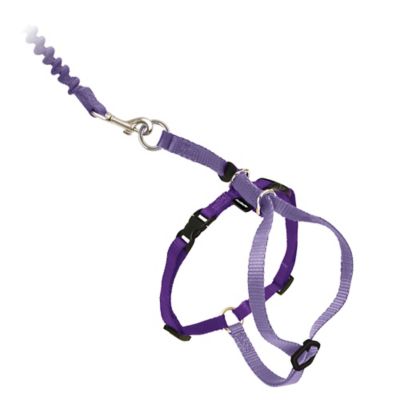
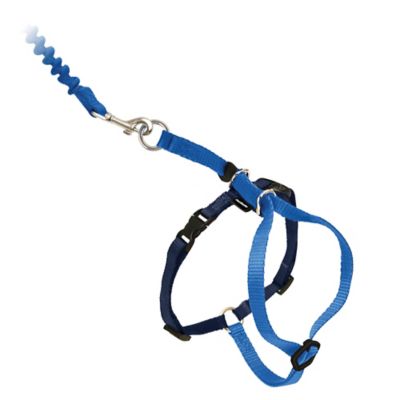
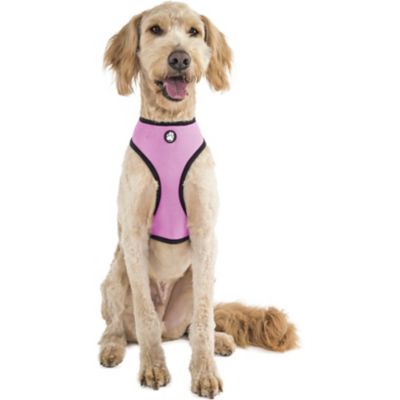
Escape-proof cat harnesses are designed to help keep a cat from slipping free or backing out during supervised walks and outings. A close, adjustable fit around the neck opening and chest helps limit the gaps a flexible cat can wriggle through, while a leash connection gives the handler a way to stay connected without relying on a collar alone. The name describes the goal, not a guarantee: no harness can prevent every escape, especially if it fits poorly or a frightened cat pulls backward against a tight leash. For a cat that enjoys sniffing along the porch steps or watching birds from beside the garden path, a well-fitting harness can make those little outings easier to manage. Common designs include soft vests that cover more of the torso, lighter strap harnesses, and H-style shapes with separate neck and chest sections. Each balances coverage, freedom of movement, and the amount of material against the body. Vest designs often spread contact over a wider area, while strap designs leave more of the coat uncovered. Neither shape is automatically more secure; the location of the straps, the adjustment range, and the way the harness sits on the individual cat matter more than appearance. Breathable mesh can provide a flexible body panel, while woven nylon or polyester straps provide structure around the openings. Soft edging helps keep seams from rubbing behind the front legs, and smoothly finished webbing is worth considering for cats with fine coats or sensitive skin. A back-mounted leash ring is common, though its exact position varies by design. Reinforced stitching around that attachment helps it handle the repeated movement of ordinary walking. For shoppers comparing escape-resistant cat harnesses, the most useful details are the measurements, adjustment points, closure style, and intended use—not a promise that one design will suit every cat. Coverage should still leave the shoulders free enough for a normal stride, a comfortable sit, and an easy turn of the head.
Fit is especially important because cats can look much broader than they are beneath a fluffy coat. Chest circumference, usually measured around the body behind the front legs, is a common starting point, and some designs also call for a neck measurement or body length. The measuring locations and size chart for the particular harness matter more than a small, medium, or large label. Weight can offer context, but two cats at the same weight may have very different shoulders and rib cages. A growing kitten, a narrow adult cat, and a broad-chested cat may all need different proportions even when their measurements overlap. Several adjustment points can help fine-tune those proportions, provided the straps remain within the maker’s stated range. A secure fit lies close to the body without restricting breathing, pinching skin, or crowding the armpits. Finger-clearance recommendations vary by design, so the maker’s fit check is a better reference than assuming one rule applies to every harness. Gaps deserve attention when the cat crouches, turns, or lowers its head, not just when it stands still. Long fur can hide loose sections, and loose strap ends can interfere with movement if they are not held neatly in their keepers. Buckles should close fully, adjustment sliders should stay in position, and hook-and-loop panels need enough overlap to fasten as intended. Those details become particularly important when a cat pauses near a doorway and suddenly decides that home looks better than the yard. Cats that are new to wearing a harness may crouch or stand stiffly at first; a calm indoor introduction gives their person a chance to observe both comfort and fit before an outing. A harness is not a way to pull a reluctant cat along. A lightweight leash, patient handling, and enough slack to avoid steady backward tension support a more comfortable experience. Cats that remain distressed may be better suited to a secure carrier or enclosed outdoor space than leash walks.
Everyday care also affects how well a cat harness keeps its shape and fastening strength. Hair and grit can collect around buckles, strap sliders, and hook-and-loop closures, making a seemingly simple piece of gear harder to fasten properly. Cleaning directions depend on the materials: some harnesses allow machine washing, while others call for hand washing or spot cleaning. The care label is the best reference, especially when a harness combines mesh, webbing, padding, and metal hardware. Thorough drying before storage helps keep damp fabric from sitting against the cat’s coat on the next outing. Between washes, a quick inspection can reveal frayed edges, pulled stitching, cracked buckles, bent attachment rings, or straps that no longer hold their adjustment. Damage around the leash connection or a closure is a reason to take the harness out of service rather than count on a makeshift repair. Intended use matters just as much as upkeep. Escape-resistant harnesses are for closely supervised activity, whether that means a few minutes beside the back steps, a quiet walk around the yard, or an extra point of connection during a carefully managed transfer to a carrier. They are not unattended tie-out equipment, and they do not replace a secure carrier for vehicle travel. Open gates, loose dogs, moving equipment, and sudden noises can unsettle even a cat that usually takes things in stride, so a familiar place with a clear route back indoors often suits early outings best. For someone who enjoys spending time outside with a willing cat, a harness can be a practical gift when the cat’s measurements and the recipient’s preferences are known. Households outfitting a young dog, too, can explore
Puppy Harnesses for canine sizing rather than treating cat and puppy gear as interchangeable. The right cat harness brings together a snug fit, manageable closures, comfortable materials, and sound attachment points, helping keep the focus on a few quiet steps and a good sniff around.