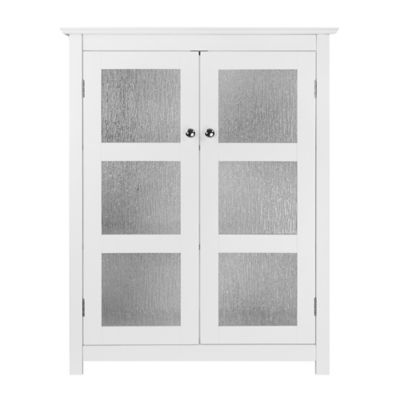
Entry doors do a lot of work around a home, from welcoming company at the front porch to handling the steady traffic between the kitchen and the driveway. A good match feels right for the building, opens comfortably with an armful of groceries and closes with a solid latch instead of a hard shove. For a farmhouse, ranch house, cabin or detached workshop, the door’s construction matters just as much as its appearance. Steel entry doors generally have a metal outer skin over an insulating core, giving them a firm feel and a smooth surface that suits painted finishes. They can take everyday traffic in stride, though dents and scratches need attention to keep the surface protected. Fiberglass doors offer another approach, with smooth or woodgrain faces and less tendency to swell or shrink than solid wood. Wood brings natural grain and substantial weight, along with a greater need for finish upkeep and careful attention to exposed edges. No material is maintenance-free, and the frame, hinges and threshold all play a part in how the whole assembly holds up. Appearance can range from a simple flush face to recessed panels, glass inserts or a broader entrance with sidelights. A plain panel door often makes sense for a hardworking side entrance, while a glass-panel design can bring daylight into a front hall that otherwise needs a light switched on. Clear glass keeps the view open; textured or frosted glass offers more separation from passing eyes, although privacy varies with the glass pattern and lighting on either side. Proportion matters, too. A door with broad panels can complement a wide porch, while simpler lines may sit more comfortably on a smaller house. The best-looking entrance still needs to serve the people walking through it, whether that means room for a feed sack carried against one hip or a clear path for someone using a mobility aid.
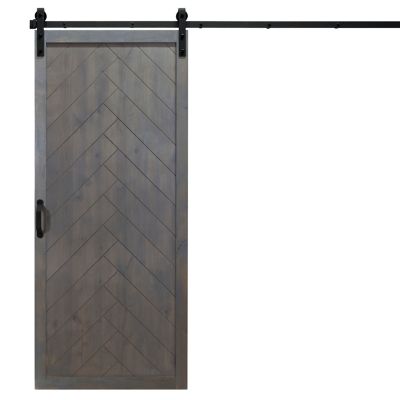
Fit is where an entry door starts to feel like part of the house rather than a replacement that never quite settled in. Door width and height are only the beginning; thickness, jamb depth, frame condition and the direction of the swing also affect compatibility. A slab is the door panel itself, so it depends on an existing frame that is sound, square and suitable for its hinge and latch locations. A prehung assembly includes the panel mounted in a frame, which can make sense when the old jamb has damage or the opening is being rebuilt. Neither approach removes the need to check the opening carefully. Nominal door dimensions are not the same as rough-opening measurements, and trim can hide framing that needs attention before installation. On an older farmhouse, a slightly out-of-square opening may explain why the previous door scraped the floor or left an uneven gap along the latch side. Handing deserves the same care, since seller descriptions can differ and the hinge side alone does not always tell the full story. The manufacturer’s swing diagram helps establish where the door will travel and whether it will crowd a closet, railing or nearby wall. Threshold height and clear opening width matter for carts, walkers and everyday foot traffic, while room beside the latch makes operating the handle less awkward. Hardware preparation is another part of the fit: bore spacing, backset and door thickness must work with the intended lockset. A heavy panel also needs hinges and framing suited to its weight. For an entrance between a home and an attached garage, local code may call for a particular fire rating or closing arrangement, so a standard exterior door is not automatically the right choice. Those details are worth settling before choosing panel patterns or handle finishes, especially when a replacement needs to work within an existing opening without turning into a larger remodeling job.
Everyday performance comes down to how the parts work together. A strong door panel cannot make up for a loose strike plate, weakened jamb or lock that barely catches. A properly supported frame, suitable fasteners and well-aligned hardware help the entrance close and latch as intended. Glass placement also deserves thought near a lock, both for privacy and for the entrance’s overall security setup. For households considering a second layer at the front entrance,
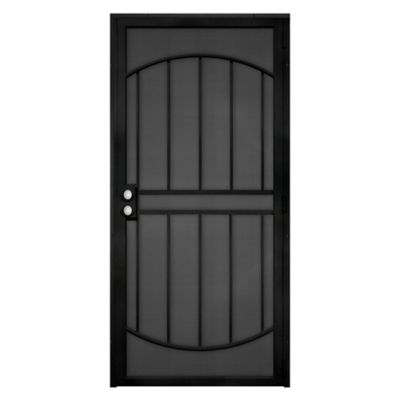
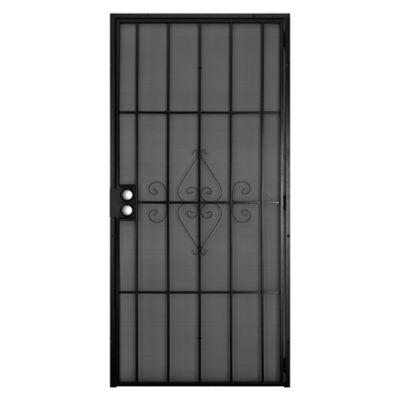
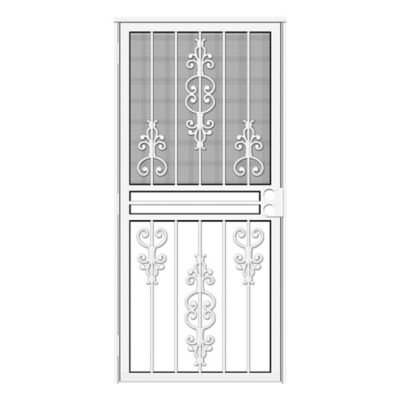
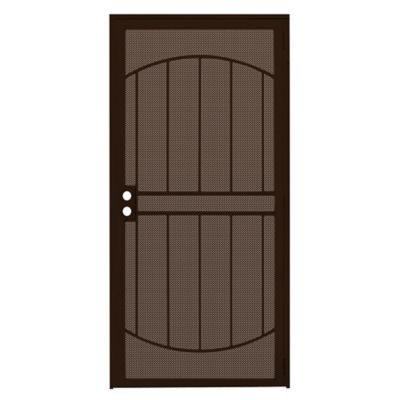
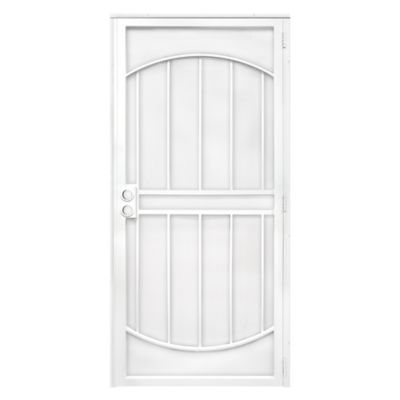
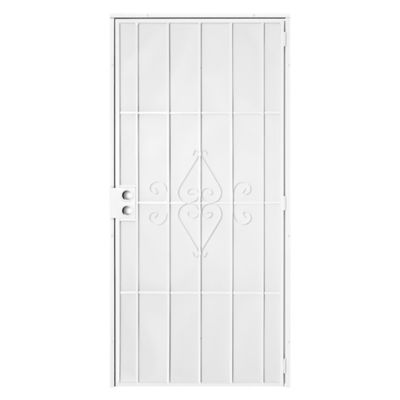
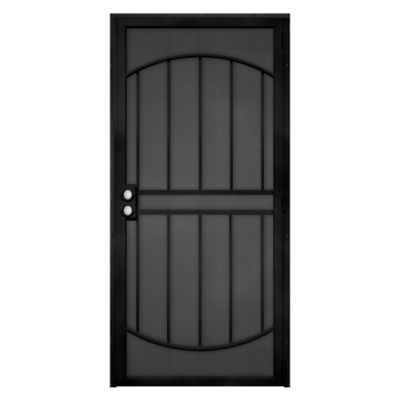
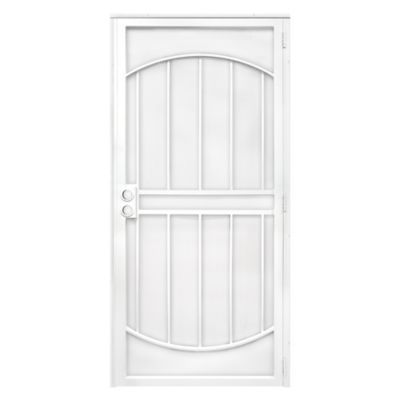
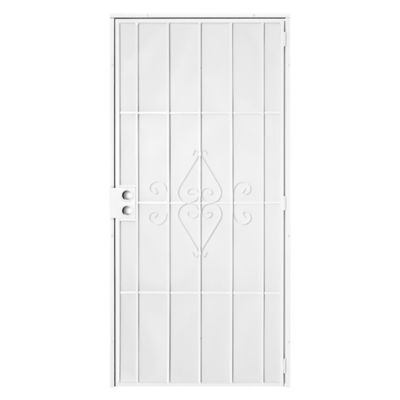
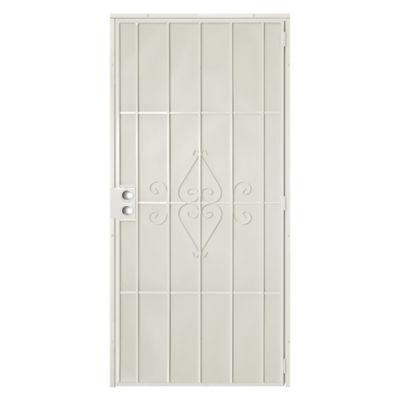
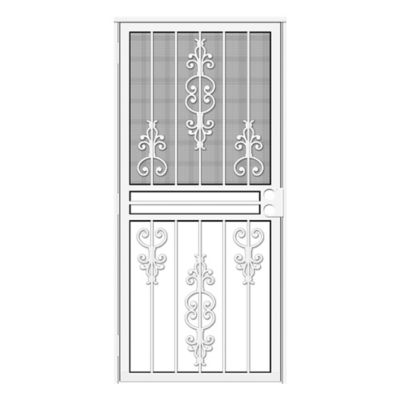
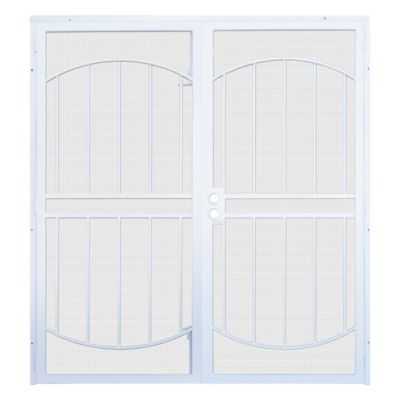
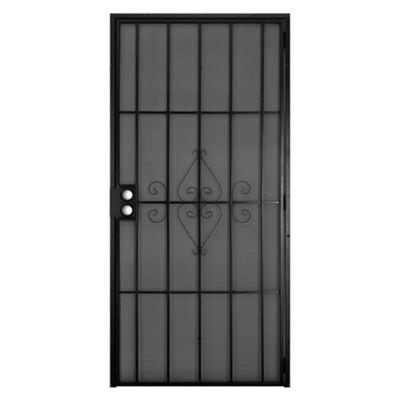
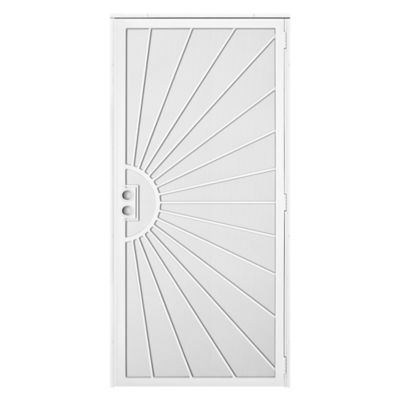
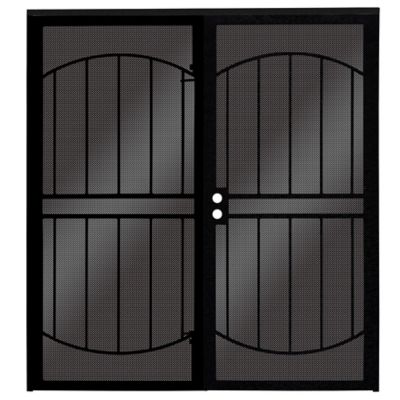
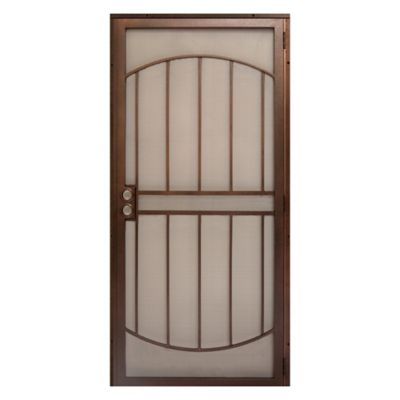
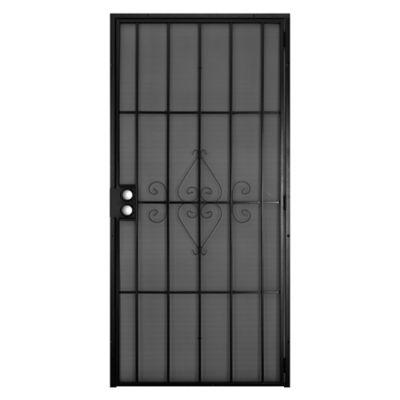
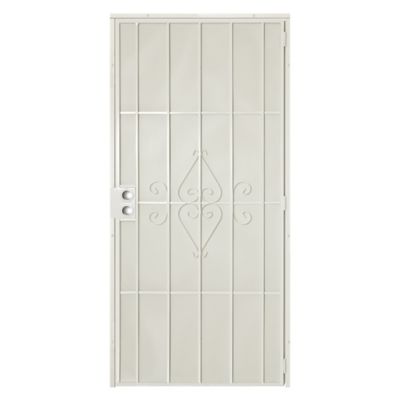
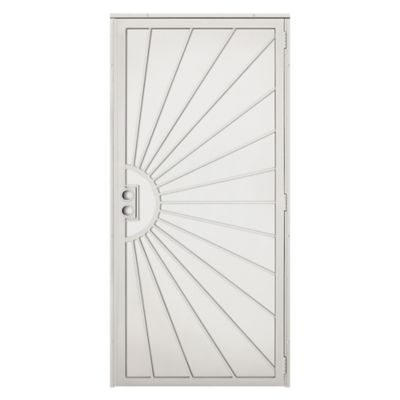
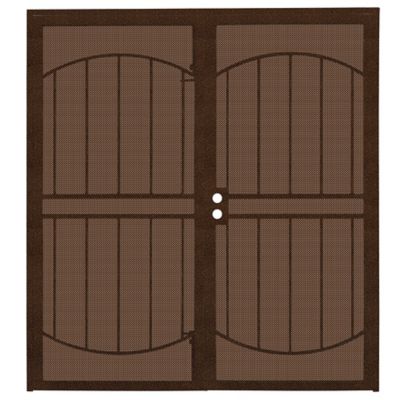
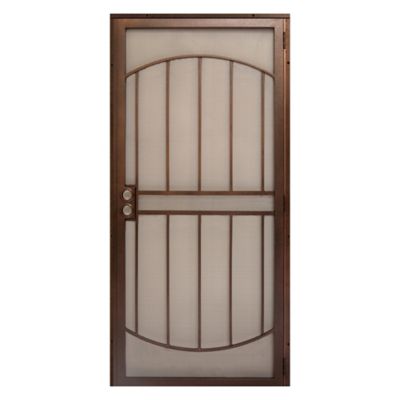
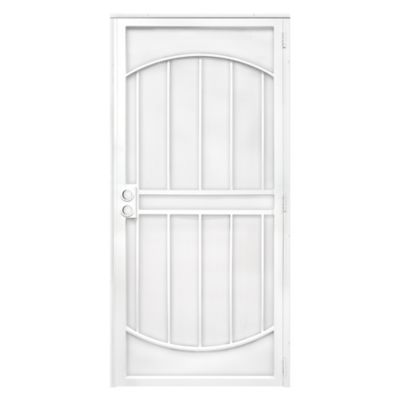
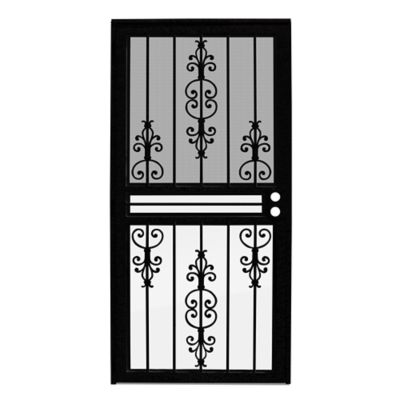
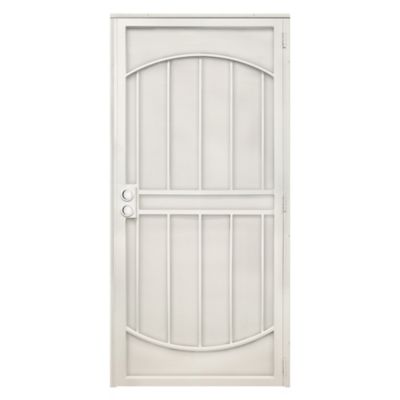
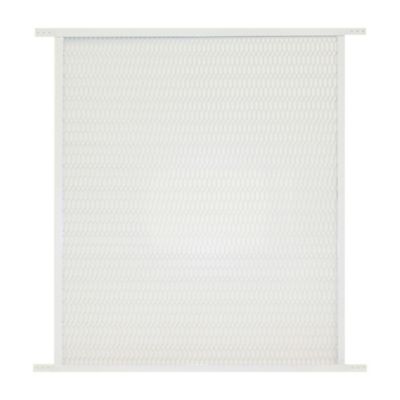
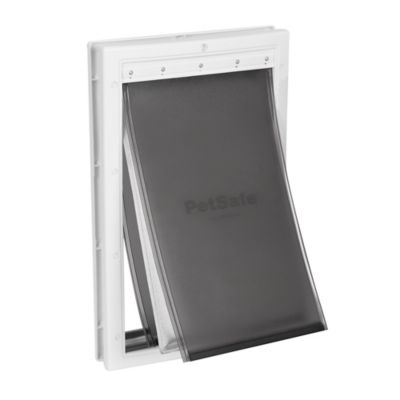
Front Door Security Screen Doors are a related option, with their own mounting, clearance and locking requirements to account for. An added door needs space to swing without striking porch furniture or interfering with the main door’s handle, and it should not make getting out awkward. Inside the house, a snug-fitting entry door can help limit hallway noise, and intact seals help keep dust and insects from slipping through gaps. A well-adjusted door should not need lifting by the handle or slamming to engage the latch. Those habits can point to hinge movement, frame problems or hardware that needs adjustment. Care is usually straightforward but should follow the manufacturer’s directions for the door material and finish. Mild cleaning can lift fingerprints and grime around the handle without scuffing the face, while glass requires cleaners that are compatible with any coatings. Abrasive pads and harsh chemicals can damage finishes or surrounding seals. Painted steel benefits from prompt attention to scratches, wood needs its protective finish maintained, and fiberglass still needs inspection for surface damage and wear around moving parts. Hinges, sweeps, seals and thresholds deserve a look alongside the panel itself, particularly at a busy back entrance where boots, bags and pets keep traffic moving. Lever handles may be easier to operate than round knobs for some household members, provided the hardware suits the door and security needs. With the right construction, fit and upkeep, an entry door can feel solid and familiar every time someone heads out for chores or comes home for supper.