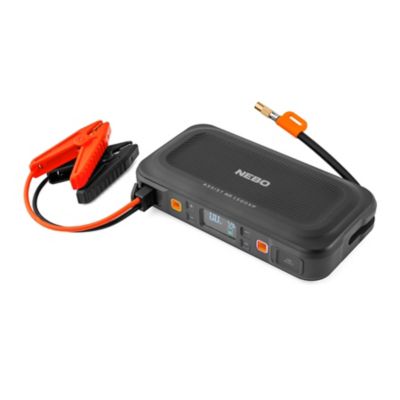
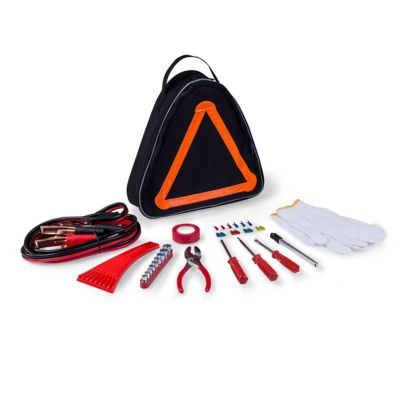
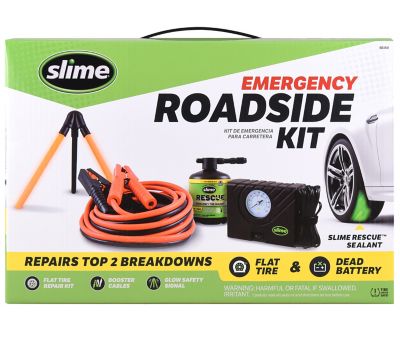
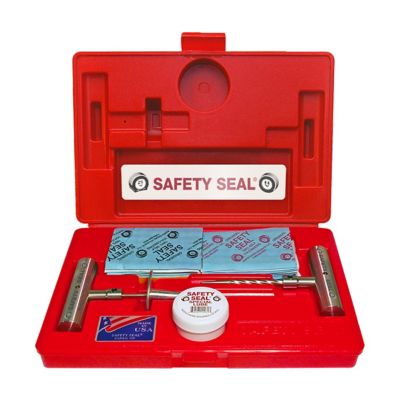
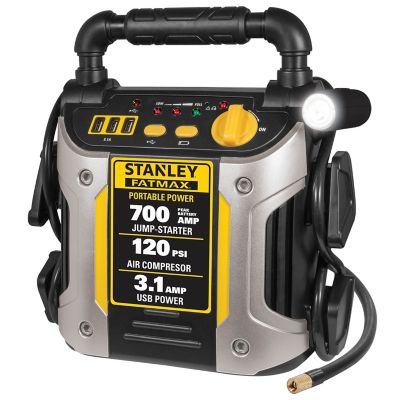
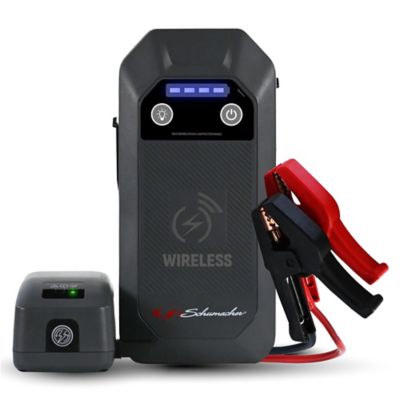
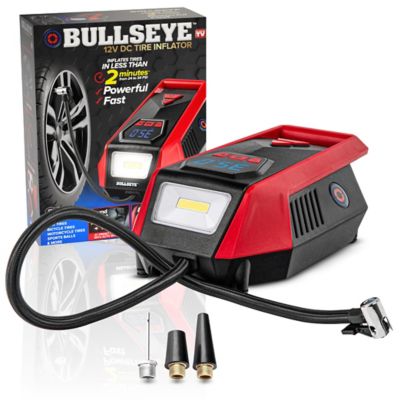
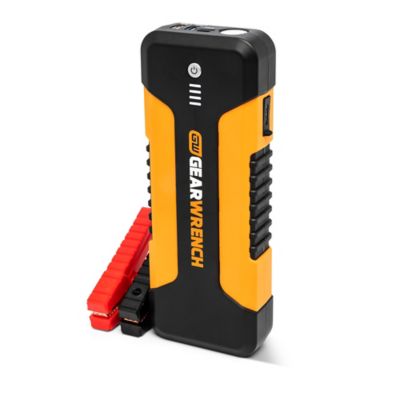
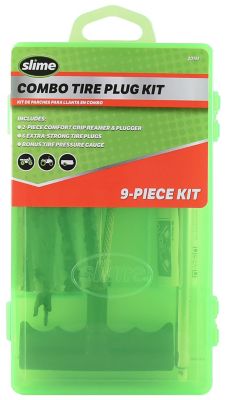
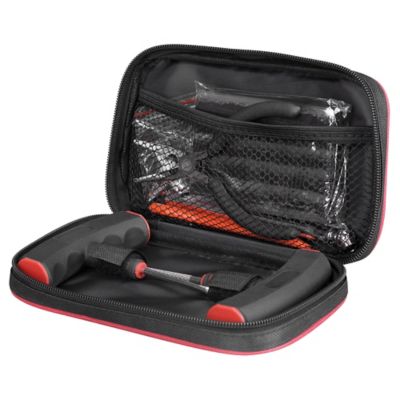
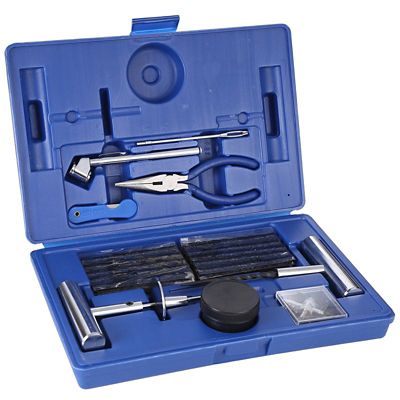
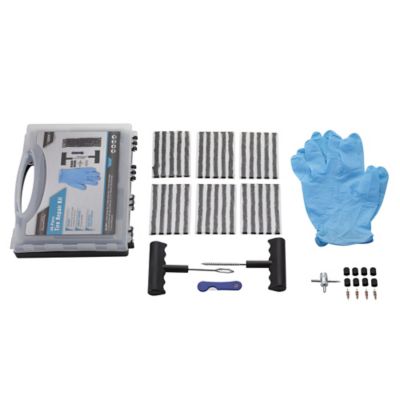
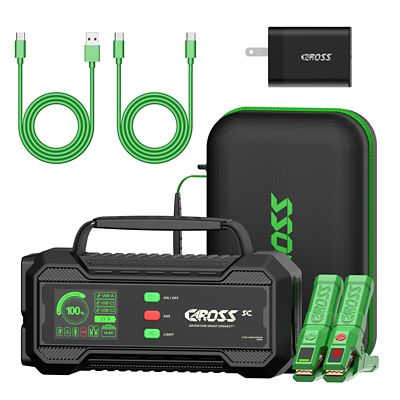
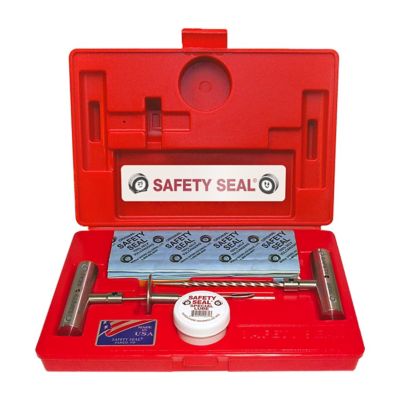
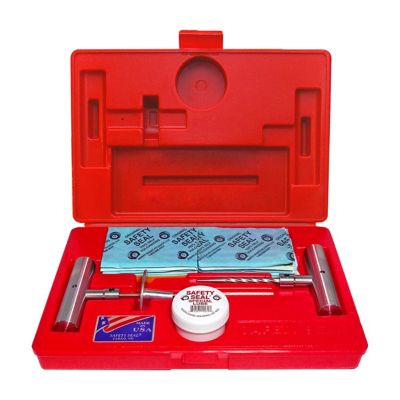
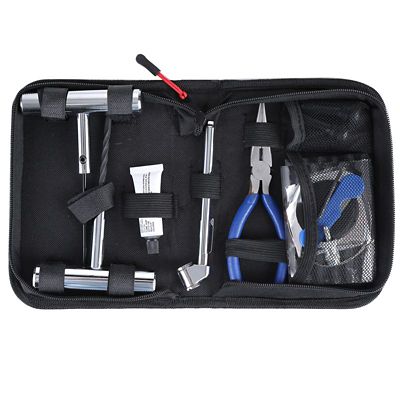
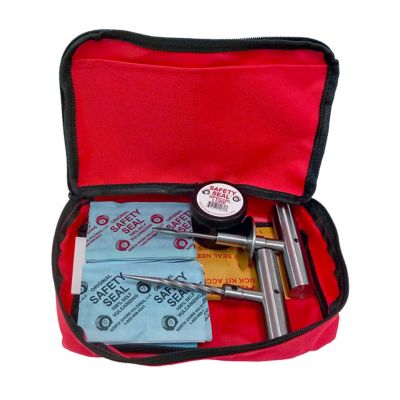
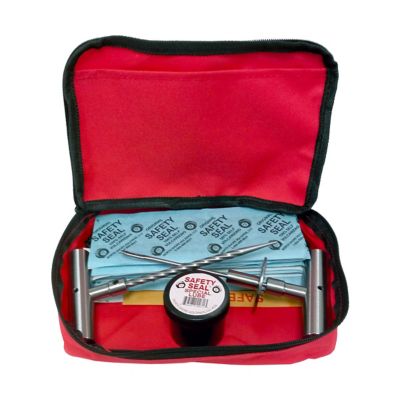
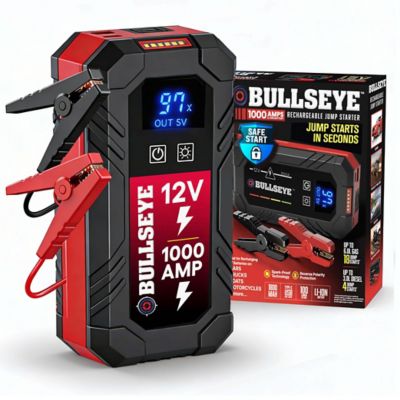
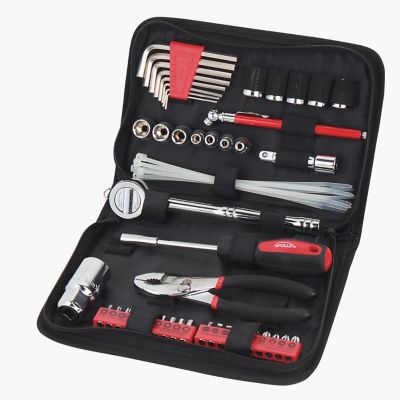
Emergency car kit tools help drivers address minor vehicle trouble, check common problems, and make a stopped vehicle easier to spot while waiting for help. A practical roadside setup brings together tools for battery support, tire care, visibility, and basic mechanical tasks, with contents matched to the vehicle and the person driving it. That matters whether the trip is a short run to the feed store, a daily commute down county roads, or a long drive with a trailer behind the truck. A weak battery in a parking lot calls for different equipment than a tire losing air miles from the nearest service station. Battery-starting equipment, tire pressure tools, portable lighting, and basic hand tools each serve a different purpose, so a useful kit does more than pack a lot of pieces into one case. The right assortment makes essential equipment easy to find without digging through loose sockets, tangled cables, and everything else riding in the cargo area. Visibility equipment and work gloves can round out the setup, while first-aid supplies cover a separate need beyond vehicle repairs. For drivers who travel after dark, hands-free lighting can make it easier to read a gauge or inspect a connection without balancing a light on a fender. Someone hauling fencing supplies may need storage that stays secure beside a loaded toolbox, while a compact-car driver may need a case that fits beneath the cargo floor. A kit also needs to work with the vehicle’s existing emergency equipment, including its spare tire, wheel tools, and designated lifting points. Not every vehicle carries a spare, and not every tire problem can be handled with an inflator or temporary repair equipment. Thinking in terms of likely roadside needs helps keep the selection practical. The goal is a manageable collection of equipment that suits everyday travel, leaves room for passengers and cargo, and helps the driver recognize when the next step belongs to a roadside service professional.
Materials, sizing, and operating limits make a real difference in how emergency car kit tools perform. Steel hand tools with corrosion-resistant finishes can stand up to life in a vehicle, but the tool still needs the right size and shape for the fastener. Comfortable grips and clearly marked sizes matter when working in a cramped space or trying to find a socket in a dim cargo area. For battery equipment, cable gauge, cable length, clamp construction, and electrical ratings deserve attention alongside the storage case. Longer cables may offer more reach between vehicles, but length alone does not establish whether a cable set suits a particular engine or starting system. Portable starting equipment needs to match the vehicle’s electrical requirements and engine application, with connection procedures taken from both the equipment instructions and the vehicle owner’s manual. Hybrid and electric vehicles can have designated low-voltage connection points and restrictions that differ from those on other vehicles. Tire equipment has its own fit considerations, including valve access, pressure range, power connection, and the demands of larger tires. An inflator intended for occasional passenger-car needs may not suit repeated work on truck or trailer tires. A pressure gauge should be easy to read, and the vehicle’s specified tire pressure—not the maximum shown on the tire sidewall—is the reference for routine checks. Wheel tools need to fit the lug nuts, and vehicles with locking lug nuts need the matching key kept accessible. Any lifting equipment must meet the vehicle’s requirements and work with its approved lift points; a jack alone is not support for working underneath a vehicle. Case construction matters, too. Molded compartments help keep pieces in place, while fabric organizers can offer flexible storage and easier access in tight spaces. Handles, closures, reinforced seams, and protected electrical connections are worth a close look. A compact case is handy only if the driver can carry it comfortably, open it without unloading half the vehicle, and identify what belongs inside.
Keeping a roadside kit ready takes a little attention between trips, especially when it spends most of its time out of sight. Tools should go back into their assigned spaces clean and dry, with cables arranged to avoid sharp bends and small parts secured so they do not disappear beneath a seat. Damaged insulation, cracked housings, loose connections, and badly corroded components are reasons to take equipment out of service and follow the manufacturer’s replacement guidance. Rechargeable equipment needs charging and periodic checks according to its instructions, rather than an assumption that it will be ready after sitting untouched. Lights need working batteries, pressure tools need readable displays or markings, and carrying cases need closures that hold through everyday driving. A quick review during routine vehicle care can catch missing pieces before the next roadside stop. The same habit pairs naturally with the broader upkeep covered by
Car Maintenance Tools, where equipment for regular checks and maintenance supports a different part of vehicle ownership. Inside the vehicle, emergency equipment belongs in a secure, reachable location, not loose on a seat or buried beneath a full load of supplies. Heavy pieces should be restrained so they cannot move around during a sudden stop. Printed instructions and essential contact information can be helpful when a phone has little charge or no signal. For a new driver, a college student traveling back roads, or a family member who spends long days between job sites, an emergency kit can make a thoughtful, practical gift when it matches their vehicle and comfort level. More equipment is not always more helpful; recognizable tools with clear instructions often make more sense than unfamiliar pieces packed in for a higher count. Roadside work also has limits. Traffic, an unstable parking surface, leaking fluids, or damage beyond a minor problem can make professional assistance the better choice. No collection of tools makes an exposed traffic lane a safe workspace. A well-planned kit supports sensible decisions and manageable tasks without encouraging a driver to take on a repair that belongs in a shop.