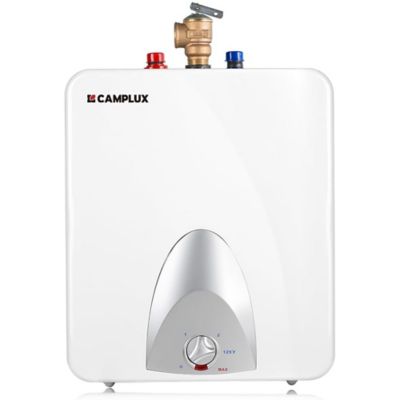
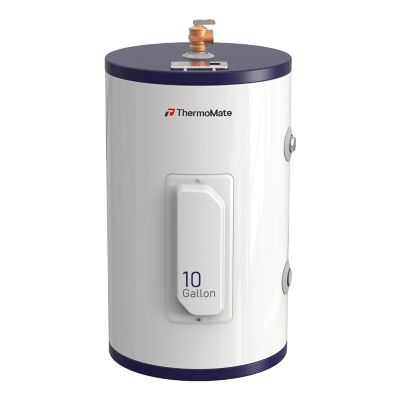
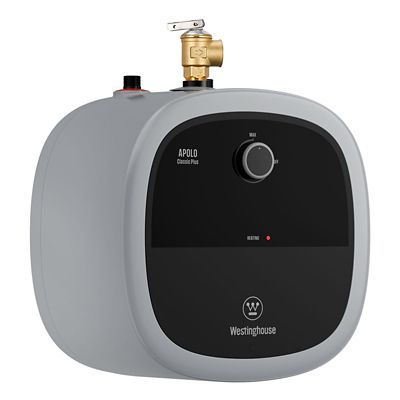
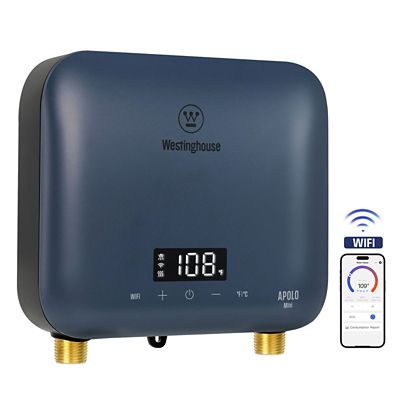
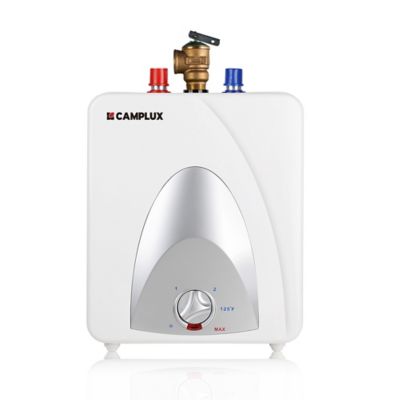
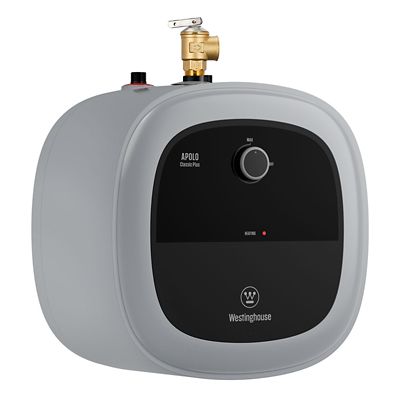
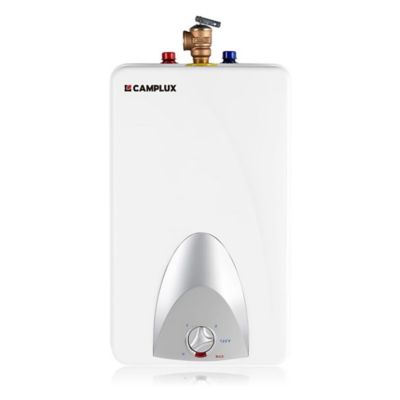
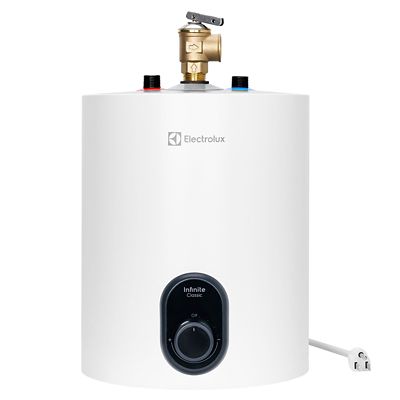
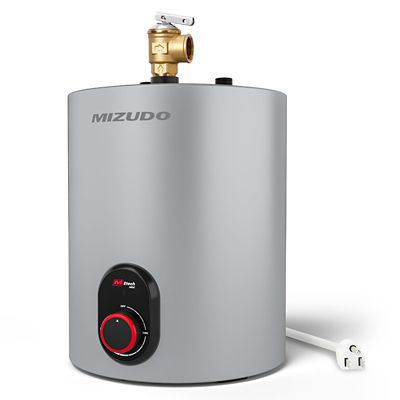
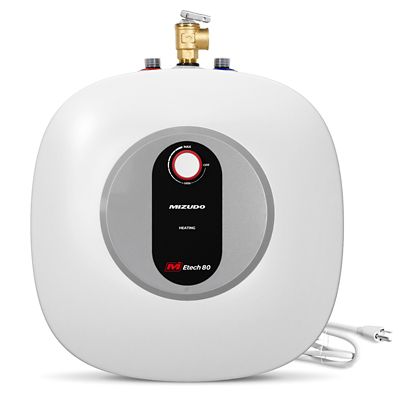
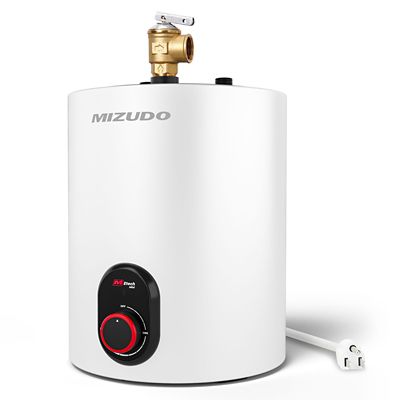
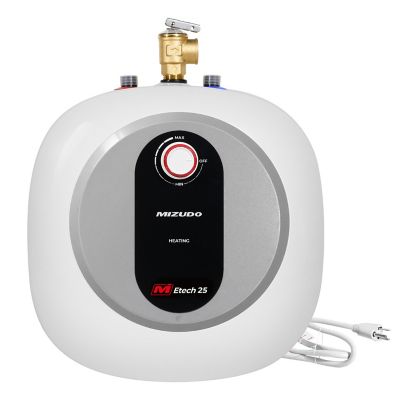
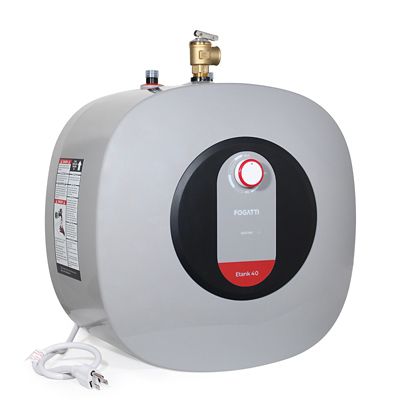
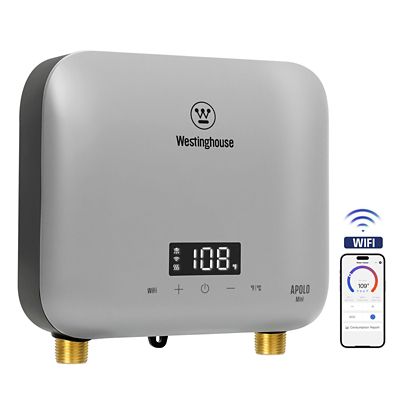
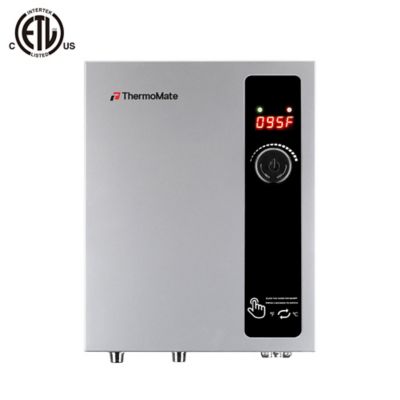
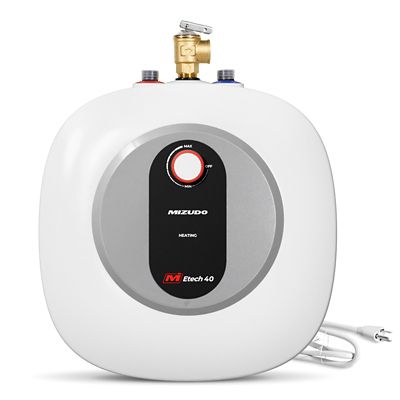
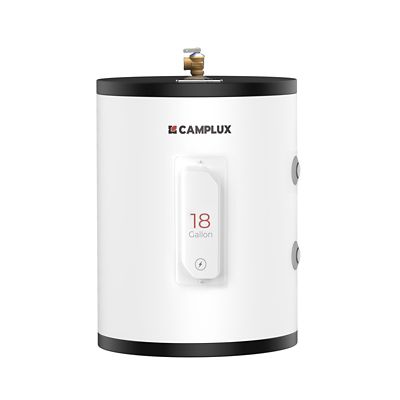
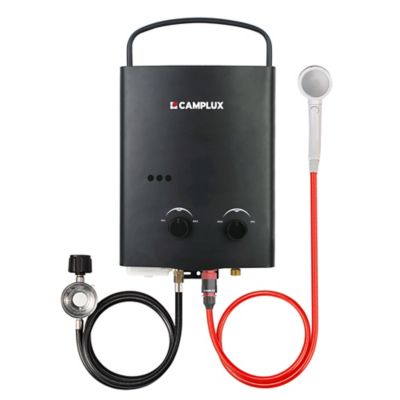
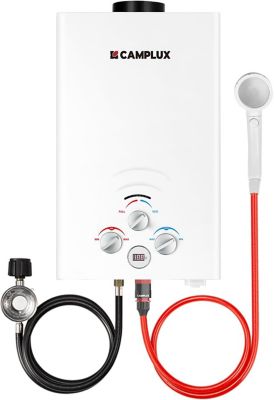
Electric water heaters for RVs typically heat water with an internal heating element powered by 120-volt AC electricity from a campground hookup or a properly sized generator. In a tank-style unit, a thermostat controls the element to maintain the selected water temperature, keeping a stored supply ready for showers, handwashing, and dishes. Some designs also require 12-volt DC power for electronic controls, so electrical compatibility involves more than the campground plug alone. Six- and 10-gallon tanks are common in RV applications, though capacity, dimensions, and power requirements vary by design. These compact systems suit travel trailers, fifth wheels, motorhomes, and some horse trailers with living quarters, where every cabinet and service compartment has a job to do. For folks spending a few nights near a horse show or staying in a camper while working away from home, hot water makes the space feel more settled without taking up room meant for other essentials. Electric-only operation heats water without burning propane, while gas/electric combination heaters offer another option for rigs already equipped with a propane system. Some combination designs allow both energy sources to operate together for faster recovery, but that capability needs to be confirmed in the manufacturer's specifications. Recovery rate describes how quickly the heater replaces hot water after a draw, making it just as important as tank capacity when several people share a bathroom. Electric heating also adds to the RV's electrical load. A water heater running alongside an air conditioner, microwave, or other high-draw appliance can put pressure on a limited shore-power connection. Fully electric tankless water heaters deserve particular attention because their instantaneous power demand can exceed what many RV electrical systems support. An on-demand heater labeled for an RV may run on propane rather than electricity, so the fuel type and electrical requirements matter more than the tankless label alone. The best match is a heater designed for RV installation that fits both the rig's utility connections and the way its occupants use hot water.
Fit starts with the space already built into the RV, not just the number of gallons printed in a description. A replacement heater needs compatible cabinet depth, opening height and width, mounting points, plumbing connections, and service access. An exterior access door may also need to match the opening and the heater's approved installation arrangement. Even two heaters with the same tank capacity can have different footprints, so matching gallon size alone doesn't establish that one will slide into the other's place. Clearance around wiring, water lines, and service components matters, especially in a compartment tucked beneath a bed or behind a storage bay. Combination gas/electric models bring additional requirements for propane connections and combustion venting that an electric-only unit may not share. A small residential electric water heater is not automatically suitable for an RV simply because it fits inside a cabinet; the manufacturer's stated application and installation requirements should support that setting. Tank construction is another useful comparison point. Glass-lined steel tanks commonly rely on a sacrificial anode rod to help protect exposed steel from corrosion, while many aluminum-tank designs follow a different maintenance approach and do not call for that same component. The correct care depends on the tank design, rather than a one-size-fits-all replacement part. Insulation around the tank helps limit heat loss between draws, and accessible plumbing fittings make inspections and future service less of a squeeze. Practical details such as drain access, control placement, and the location of the heating element can make a difference long after installation. Some tank-style RV heaters have an electric switch behind the exterior access panel as well as an interior control, but switch arrangements vary. A qualified RV technician can confirm circuit protection, wiring, grounding, pressure-relief provisions, and mounting requirements. The tank must be full of water before the electric element is energized, since running an element in an empty tank can damage it quickly.
Day-to-day comfort comes down to balancing stored water, recovery time, and the habits of the people sharing the rig. A couple taking short showers has different needs from a family washing breakfast dishes between turns in the bathroom. A larger tank provides more stored hot water, but it also needs more installation space and adds water weight when full. A smaller tank can suit a compact camper when its recovery performance keeps pace with demand. Faucet flow, shower length, and the amount of cold water mixed at the tap all affect how far that stored supply goes. For a rig that spends most of its time connected to shore power, electric operation can be a practical fit; trips without hookups require a clear plan for a suitable power source or an approved alternate heating mode. Generator capacity needs to account for the heater's load alongside other equipment, not just the heater by itself. When comparing
Electric Water Heaters, keeping RV approval, circuit requirements, and service access in view helps separate a workable replacement from a unit meant for a different setting. Routine care also has a direct effect on performance. Mineral deposits can collect in a storage tank and around an element, particularly where the water supply contains substantial dissolved minerals. Manufacturer-recommended draining, flushing, and inspections help address that buildup, while anode-equipped tanks need periodic checks and rod replacement according to their service instructions. Power must be disconnected and the water allowed to cool before service, with pressure relieved as directed by the manufacturer. Signs of leakage, damaged wiring, or discharge from the relief valve call for attention rather than guesswork. Excessively hot water can cause burns, making thermostat settings and any mixing components important parts of the system. With a sound fit and a manageable care routine, an RV electric water heater supports the simple comforts that matter on the road: a sink ready for supper cleanup and a shower after a long day away from camp.