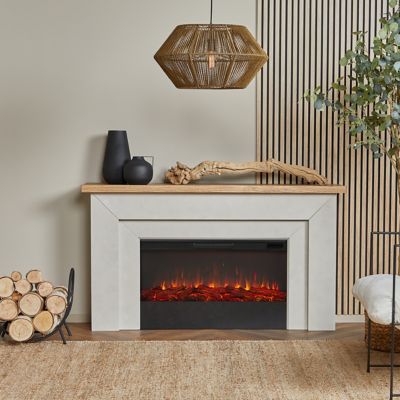
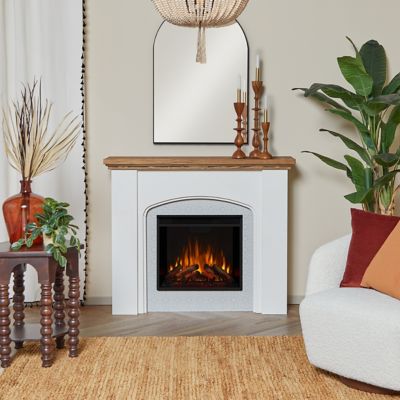
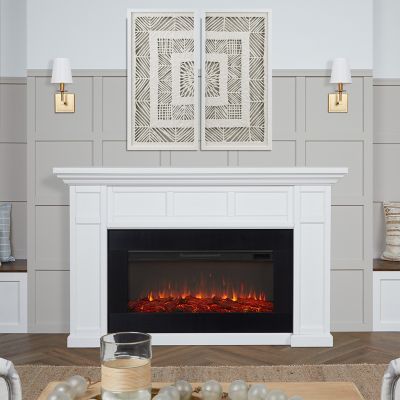
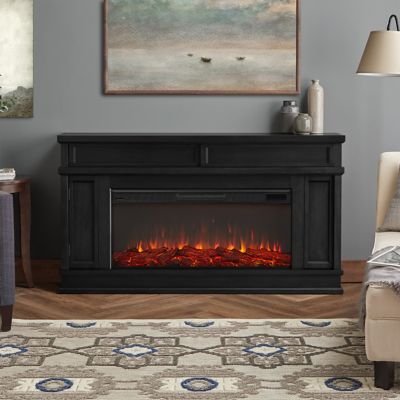
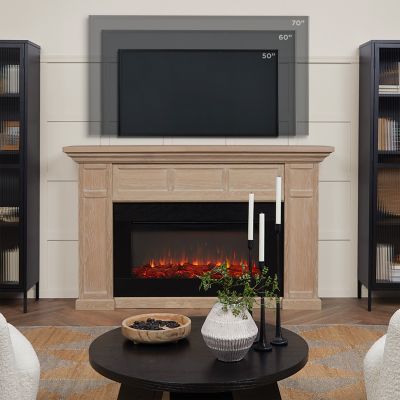
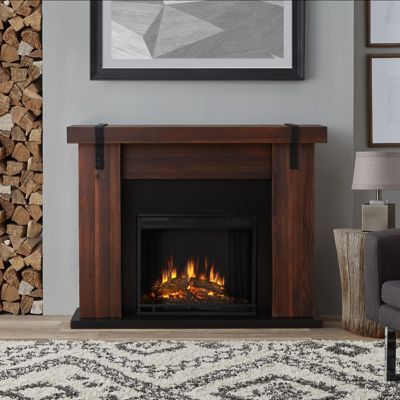
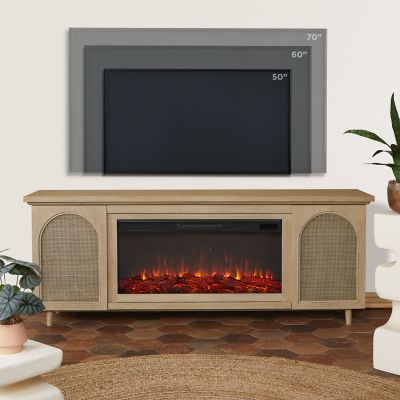
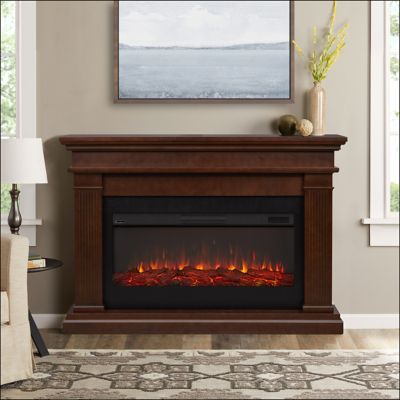
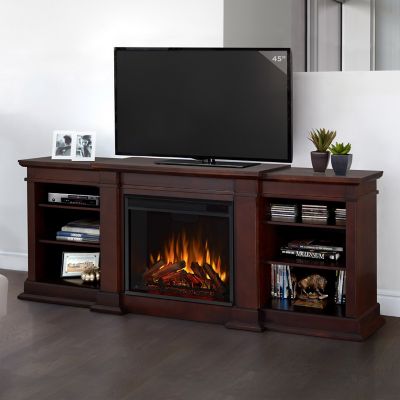
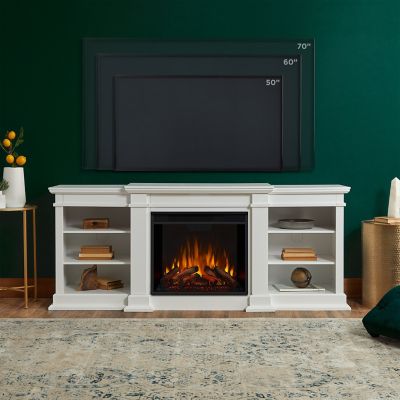
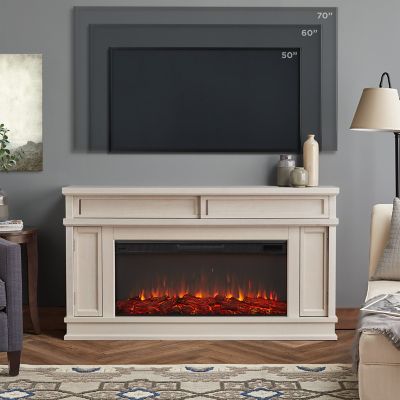
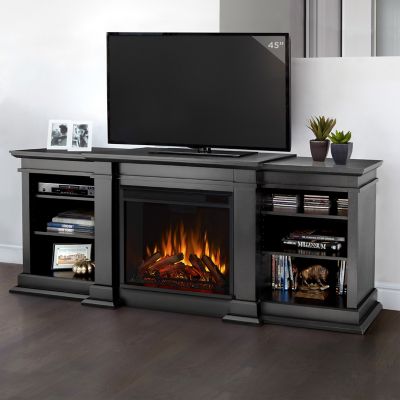
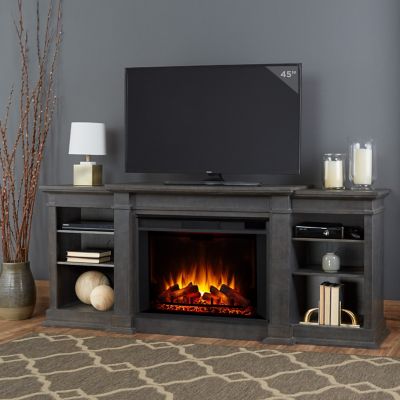
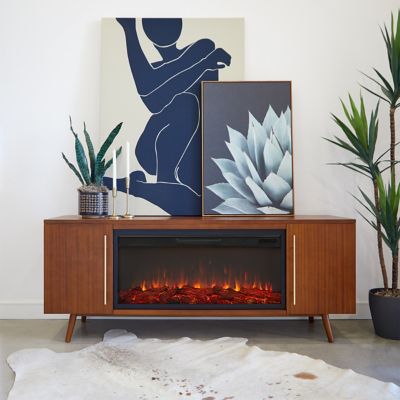
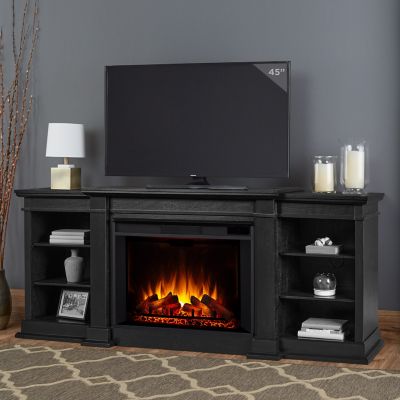
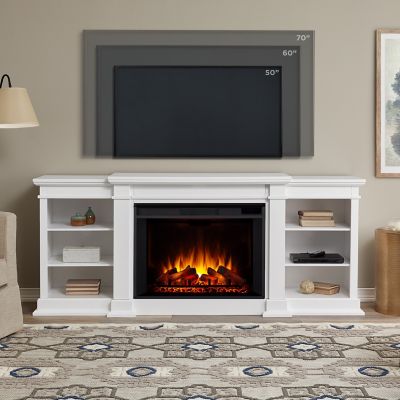
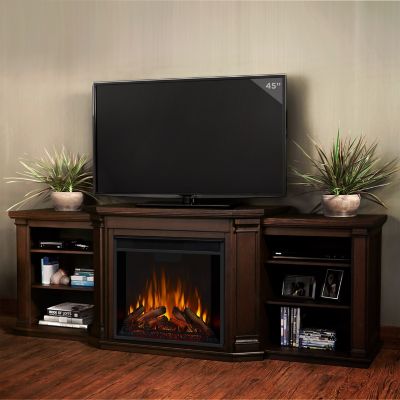
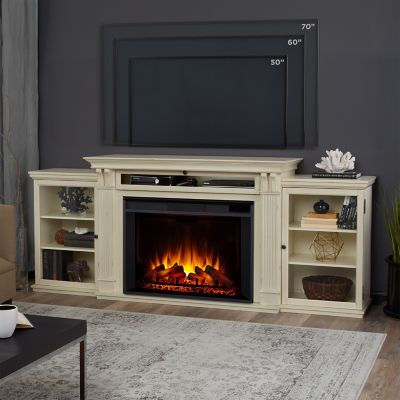
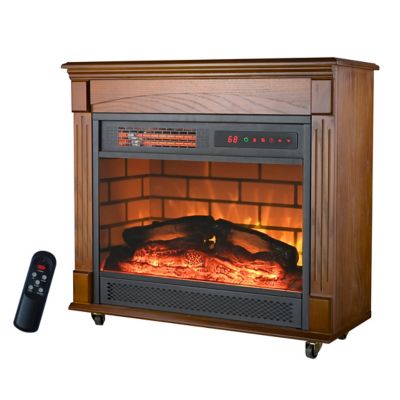
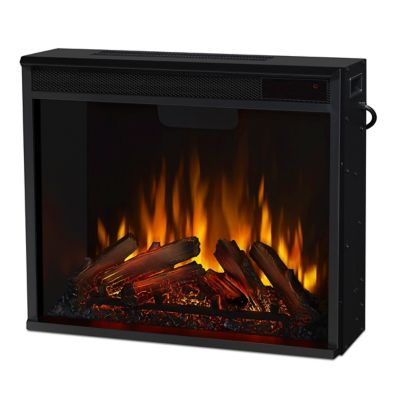
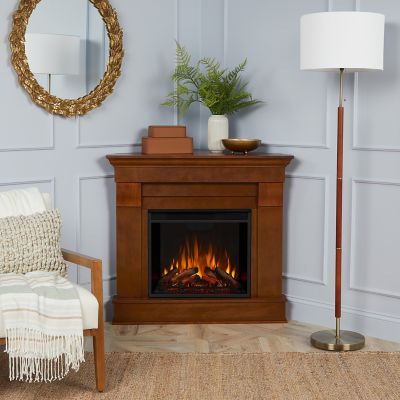
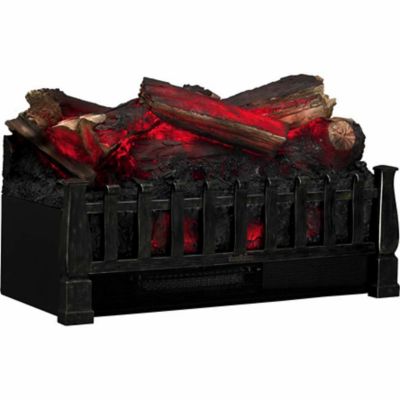
Media console electric fireplaces bring a TV stand, storage space and supplemental electric heat together in one piece of furniture. They give the television a sturdy home while adding the look of a fire below, making a living room or den feel more inviting during the cooler months. After a day of chores, there’s something pleasant about settling into a favorite chair with a soft flame effect across the room and a little extra warmth nearby. Unlike wood-burning fireplaces, these consoles don’t need firewood, ash cleanup or a chimney. Many plug into a standard 120-volt household outlet, though the electrical requirements depend on the model. The electric firebox typically sits in the center of the cabinet, with shelves, drawers or enclosed compartments arranged around it. That layout keeps movies, games and everyday odds and ends close at hand without spreading them across several pieces of furniture. A fireplace TV stand can work well in a farmhouse living room, a smaller home where floor space matters or a gathering room that needs a clear focal point. Wood-look finishes, simple cabinet fronts and substantial bases can sit comfortably alongside a well-loved sofa and a pair of work boots by the door. Other designs have cleaner lines, darker finishes or glass-front storage for a more streamlined look. The flame display is another part of the appeal: depending on the console, illuminated logs or ember effects may come with adjustable brightness, color or movement. Many models let the flame display run independently of the heater, so the room can have that fireside look even when extra heat isn’t needed. For households that want the atmosphere of a fireplace without tending a real fire, an electric fireplace entertainment center offers a practical middle ground. It makes room for the evening news, a family movie and the small comforts that help a house feel like home.
The best-fitting media console electric fireplace starts with the television and the space around it. A TV’s advertised screen size is its diagonal measurement, not the width of its base, so the console’s maximum supported TV size and top weight limit both matter. The television’s feet or center stand also need to sit fully within the surface dimensions. A wider cabinet can help a large screen look balanced, but cabinet depth is just as important in a room where folks walk between the couch and the television. Doorways, nearby chairs and cabinet doors all need room, too. For a wall-mounted TV above the console, the television mount and fireplace placement must meet their respective installation and clearance requirements. Storage deserves a close look before choosing a finish. Open shelves make everyday controls easy to reach, while closed cabinets keep game cases, remotes and spare cords out of sight. Adjustable shelves offer flexibility for different equipment sizes, and rear cord openings help keep cables from tangling behind the stand. Electronics still need ventilation, so a receiver or gaming system shouldn’t be squeezed into a compartment that traps heat. Materials and construction affect the look, weight and upkeep of the cabinet. Solid wood, engineered wood and laminate surfaces each have their own care requirements, and a finish that blends with existing tables or flooring can make the console feel at home from the start. Assembly is another consideration: some consoles arrive in several pieces, and a broad, heavy cabinet may take two adults to move and put together. These fireplaces can make a thoughtful shared gift for a housewarming or a household settling into a new place, but they’re worth coordinating rather than giving as a surprise. Measurements, finish preferences and access to a suitable outlet are too important to guess. For rooms where open floor space matters more than cabinet storage,
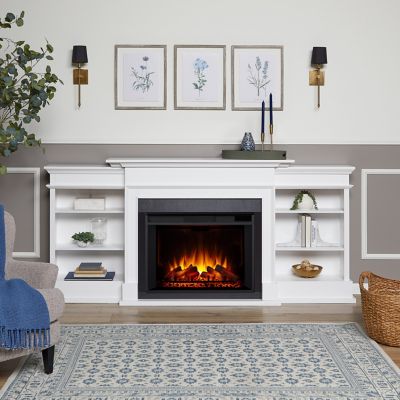
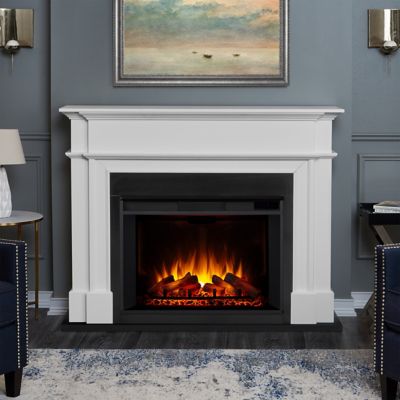
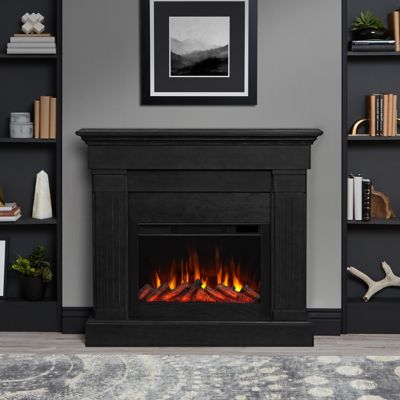
Electric Wall Mounted Fireplaces offer another fireplace format to consider.
Heating performance is where a little attention to the specifications pays off. Media console electric fireplaces generally provide supplemental zone heating, meaning they add warmth to the room where people gather rather than replacing the home’s main heating system. Many standard plug-in heaters draw around 1,500 watts at their highest setting, but the listed wattage and electrical requirements should always be checked for the particular console. Room-size ratings are helpful comparison points, not promises that every space will feel the same. Ceiling height, insulation, drafts and an open floor plan all affect how much warmth stays near the seating area. A snug den with a closed door behaves differently from a tall family room that opens onto the kitchen. Fan-forced heaters move warmed air into the room, while models described as infrared heat may provide a different style of warmth; performance depends on the entire heater design, not the label alone. An adjustable thermostat, multiple heat settings, a timer and a remote control can make daily operation more convenient, especially when the seat you’ve finally settled into is across the room. Operating cost depends on the heater’s power draw, how long it runs and local electricity rates. Running the flame display without heat generally draws much less electricity, although the amount varies by model. Safety features also vary, so look for the protections listed for each fireplace rather than assuming every console has the same features. Overheat protection and automatic shutoff can add safeguards, but they don’t replace proper placement. Heater outlets and nearby surfaces can become hot, even when other parts of the firebox stay cooler. Children, pets, blankets and curtains need appropriate distance from the heater, with all clearances set by the manufacturer. Plug the fireplace directly into the specified wall outlet rather than an extension cord or power strip, and follow any dedicated-circuit requirements. With the right fit, an electric fireplace media console earns its place through everyday comfort: a spot for the television, room for household essentials and a warm corner to gather around when the outdoor work is done.