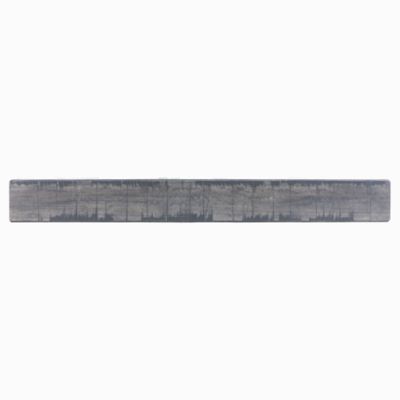
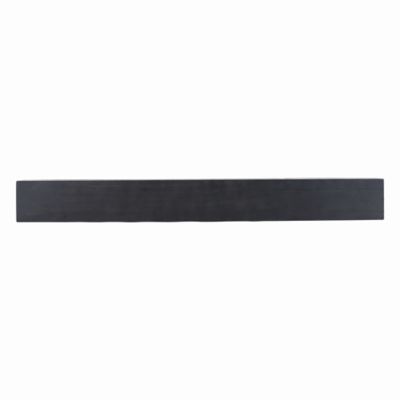
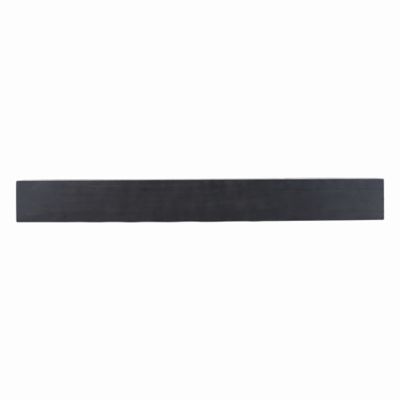
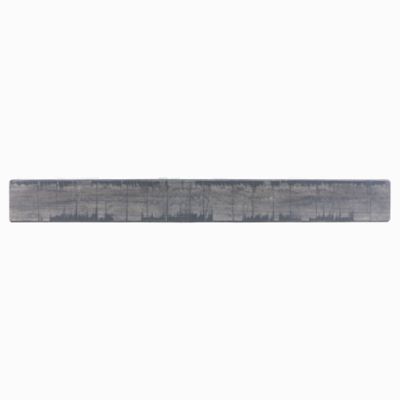
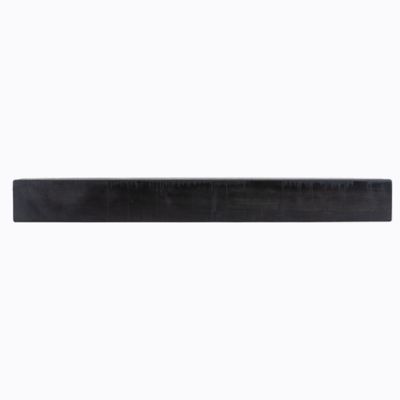
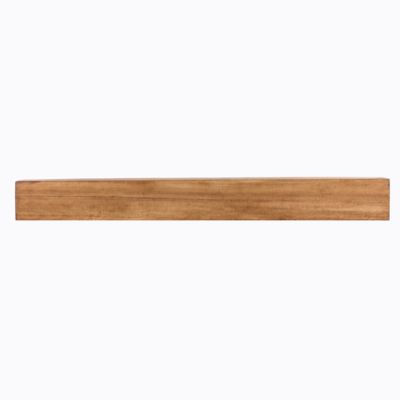
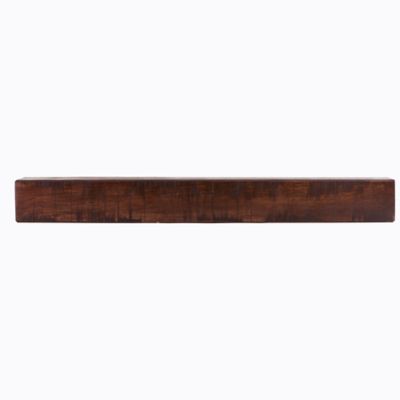
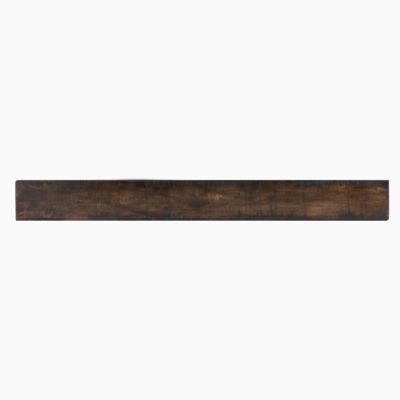
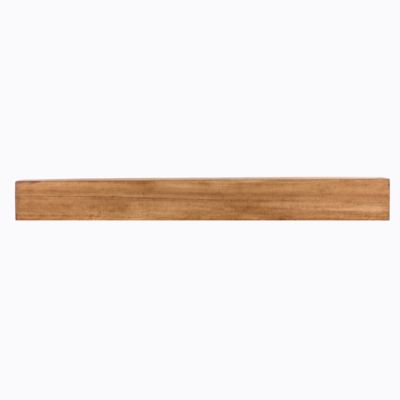
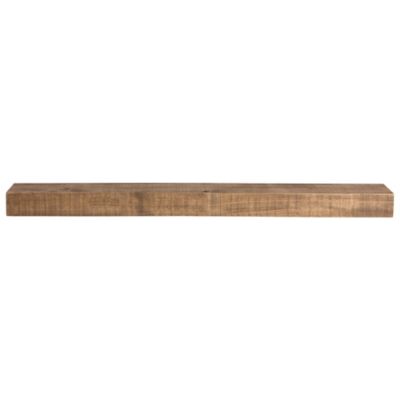
Wall-mounted fireplace mantels give a hearth a finished look and a handy ledge without adding legs or cabinets down to the floor. Mounted above the firebox, they create a clear focal point while leaving the hearth area open. That simple shape fits just as naturally over an old brick fireplace in a farmhouse as it does against a smooth wall in a newer home. A thick, beam-style mantel brings a substantial look, while a shallower shelf keeps the lines quieter in a smaller room. The right choice comes down to more than appearance: material, width, depth, mounting requirements and fireplace clearances all affect how a mantel fits the space. Solid wood brings visible grain, knots and natural variation, with oak, pine and other species offering different textures and tones. Some wood mantels have a solid beam construction; others have a hollow body that creates the look of a heavier timber with less weight on the wall. Engineered wood and wood-veneer construction can offer a more even surface, though the core, finish and approved installation location still matter. Cast stone and other mineral-based materials bring a different texture and may carry considerably more weight. Material names alone do not establish whether a mantel is suitable above a particular fireplace, and painted surfaces or applied finishes can have their own heat limitations. A mantel is a shelf and architectural feature, not a substitute for a heat shield or a properly built fireplace surround. It should never be counted on to prevent heat or smoke damage. For a room with rough brick, exposed beams or a stone hearth, a simple profile can let those surfaces carry the character. Against a plain wall, a broader face or shaped edge can give the fireplace a stronger presence without taking over the room. Grain direction, edge shape and finish sheen also influence whether the shelf feels rugged, polished or somewhere comfortably in between.
Fit starts with the whole fireplace wall, not just the opening where the fire burns. Mantel width affects the balance between the firebox, surround and nearby windows, doors or built-in shelving. A shelf that extends beyond the opening can frame the hearth nicely, but it still needs breathing room beside trim and other wall features. Depth matters just as much. A deeper shelf provides more display space, yet it also projects farther into the room and may require greater clearance from the fireplace opening. Thickness changes the visual weight, so two mantels with the same width can look quite different once mounted. In a low-ceilinged room, an oversized beam can crowd the space above the firebox; on a tall stone wall, a slim shelf may look lost. Manufacturer drawings help distinguish the overall dimensions from the usable top surface and the space needed for concealed brackets or mounting cleats. Fireplace type is another important part of the match. Wood-burning, gas and electric fireplaces have different installation requirements, and the fireplace instructions, mantel instructions and applicable local codes determine safe placement. There is no single clearance measurement that suits every setup. Wood and many engineered materials are combustible, and a noncombustible mantel can still have installation restrictions. The wall itself needs attention, too. Drywall, brick veneer, full masonry and framed walls call for different fastening methods, with support suited to the mantel’s weight and intended load. Concealed mounting hardware can give the shelf a floating appearance, but the finished look does not tell the whole story about its support. The load rating depends on the complete installation, including the wall structure, fasteners and bracket system. Drilling around a fireplace also requires care to avoid the firebox, venting, utilities and other concealed components. A qualified installer is a sensible choice when the wall construction or mounting location is uncertain.
Day-to-day use is where the details of a wall-mounted fireplace mantel really show. A broad, flat top makes room for framed family photos, a small clock or a few pieces of pottery, while a narrow ledge encourages a lighter arrangement. The shelf’s load limit includes everything resting on it, not just the largest object, and heavy pieces need support that matches the mounting system’s rating. Objects near an operating fireplace also need to tolerate the conditions in that location. Paper, fabric, trailing greenery and hanging cords should stay clear of heat and the firebox opening. A mantel does not make the space above it automatically suitable for a television; screen placement depends on the fireplace requirements and the television manufacturer’s limits. For a spare, open look,
Floating Fireplace Mantel Shelves offer a related shelf-style approach without visible legs or a full surround. Whatever the shape, an easy-to-reach surface and a finish suited to everyday upkeep make a difference over time. A soft cloth handles routine dust on many finished mantels, while cleaners should match the material and the manufacturer’s care directions. Rough-sawn wood can catch more dust in its texture than a smooth face, and unfinished wood may absorb spills more readily than a sealed surface. Standing water, harsh cleaners and abrasive pads can damage certain finishes, so care requirements deserve a look before choosing a material. Natural wood may also develop small checks or shifts in appearance as indoor humidity varies; the construction and finish influence how noticeable those changes become. Loose movement, widening gaps or signs of scorching call for attention rather than another coat of paint. For a busy family room, a mantel with manageable care needs and enough usable space can serve the household better than an oversized shelf. The best fit looks at home above the hearth, stays within the fireplace’s requirements and leaves room for the things that matter without making the wall feel crowded.