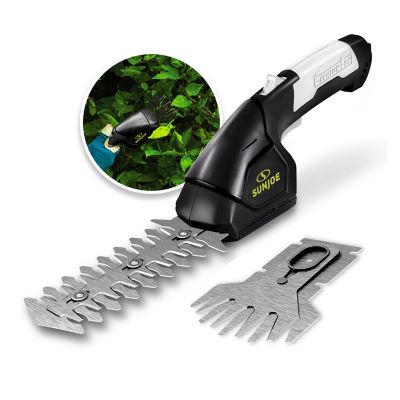
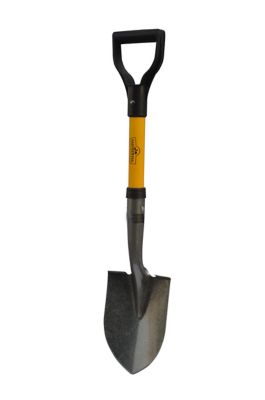
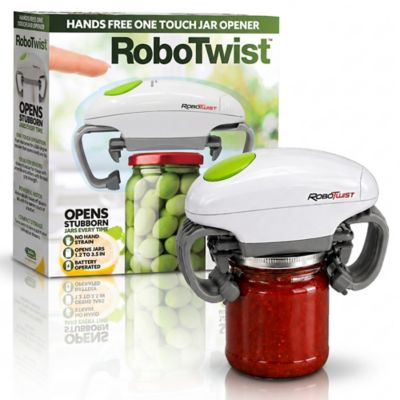
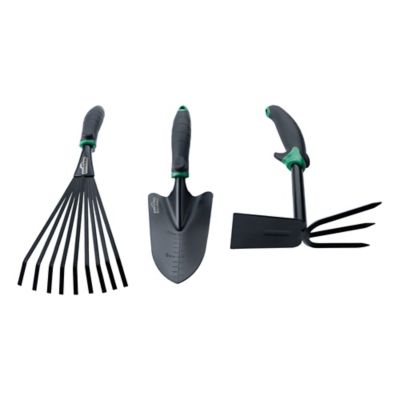
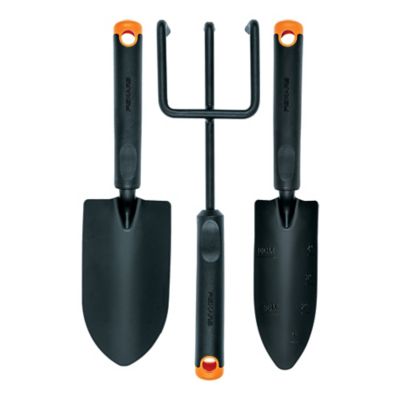
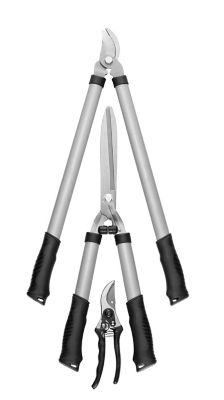
Garden tools for seniors can make time outdoors more comfortable, steady, and enjoyable by helping reduce bending, kneeling, twisting, and the hand strength needed for everyday garden work. The right choice depends less on age alone and more on how a person gardens, what feels comfortable in their hands, and which movements cause the most strain. Lightweight tools are often easier to lift and carry, but a well-balanced design matters just as much. A tool that feels awkward or top-heavy can become tiring even when it weighs very little. Look for broad, cushioned handles that are easy to hold, along with grips shaped to support the palm without forcing the fingers to squeeze tightly. Angled handles can help keep the wrist in a more natural position, which may be helpful for gardeners dealing with stiff joints or arthritis. Long-handled tools can make it possible to weed, cultivate, rake, or reach into beds while standing upright, reducing pressure on the lower back and knees. For close-up work in raised beds, containers, or window boxes, compact hand tools with comfortable grips can provide control without requiring a tight grasp. Brightly colored handles may also be easier to spot in the grass, soil, or a crowded shed. During the cooler months, when hands may feel especially stiff, a secure grip and smooth tool action can make small garden tasks feel less frustrating. These features are useful for longtime gardeners who want to keep tending favorite beds, as well as beginners who are planting herbs, flowers, or vegetables around a porch or patio. They can also make thoughtful gifts for a parent, grandparent, neighbor, or friend who enjoys being outside but prefers equipment that works with the body instead of against it. For broader seasonal planting ideas and helpful equipment, explore
Spring Gardening Tools.
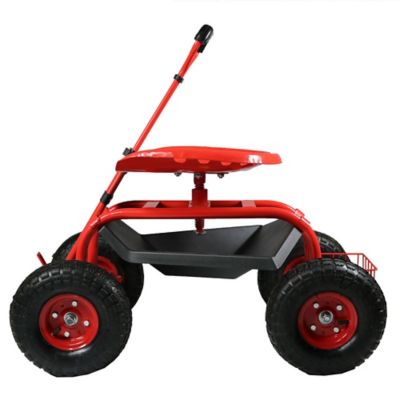
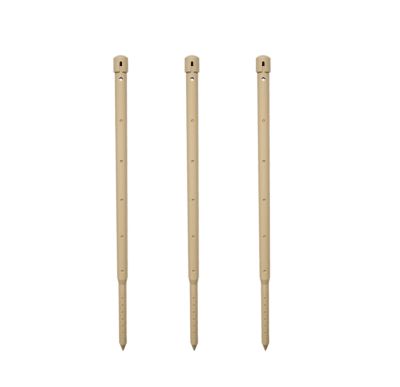
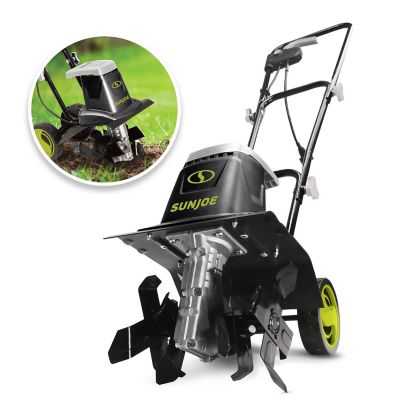
Some garden jobs call for extra leverage or less time spent working close to the ground. Ratcheting pruners are designed to cut in smaller steps, allowing the user to squeeze and release the handles several times rather than relying on one hard closing motion. This can be helpful when trimming woody stems, small branches, or spent growth and may be more comfortable for gardeners with limited grip strength. A pruning tool with a spring-assisted opening action can also reduce the need to manually spread the handles after each cut. For weeding, stand-up weeders with long shafts and claw-style heads can pull taproots while the gardener remains upright. They are especially handy for scattered weeds in lawns, pathways, and garden borders, where repeated kneeling can leave sore knees or make it harder to get back up. Garden kneelers that convert into seats offer another practical option, giving support for planting and low work while providing a sturdy place to rest. Side handles can make changing position easier, and a padded surface helps take the edge off hard ground. A rolling garden seat or low cart can be useful for moving slowly along a row of plants while keeping hand tools, gloves, seed packets, or harvested produce close at hand. When digging is needed, a drill-powered garden auger can create holes for bulbs, bedding plants, or small containers without repeated twisting with a hand trowel. Anyone using a powered tool should choose a compatible drill, follow the manufacturer’s instructions, and work at a comfortable pace on stable ground. These tools are not meant to replace good judgment or safe lifting habits, but they can make common chores more manageable by putting leverage where it is needed and keeping motions controlled.
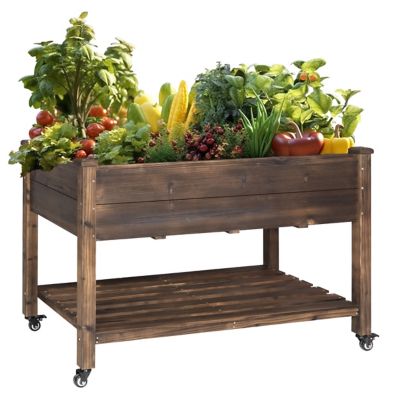
Watering equipment is another important part of choosing garden tools for seniors. A full hose can be heavy to drag, difficult to coil, and awkward to carry around beds or steps. Soaker hoses and drip lines deliver water close to plant roots and can reduce the need to walk back and forth with a hose or watering can. They are useful for flower beds, vegetable rows, containers, and newly planted shrubs, particularly when watering needs to be consistent during dry stretches. A lightweight hose with flexible construction, easy-to-turn connections, and a comfortable spray handle may be a better fit for smaller areas. Raised beds, container gardens, and vertical planters can bring planting surfaces closer to waist height, helping limit deep bending while making it easier to see leaves, soil, and developing fruit. When comparing tools, consider the full routine: where the item will be stored, how far it must be carried, whether it can be used while standing, and how easily it can be cleaned after working in damp soil. Look for sturdy construction without unnecessary bulk, handles that remain comfortable with gloves, and controls that are simple to operate. A small garden cart, tool caddy, or apron with roomy pockets can keep supplies within reach and reduce extra trips across uneven ground. It is also wise to check that paths are clear, footwear has good traction, and tools are put away after use so they do not become tripping hazards during shorter daylight or wet weather. With thoughtful choices, garden tools for seniors can support independence and make routine tasks feel more pleasant, whether the goal is tidying beds during the cooler months, protecting perennials, gathering the last herbs, or getting ready for the next growing season.