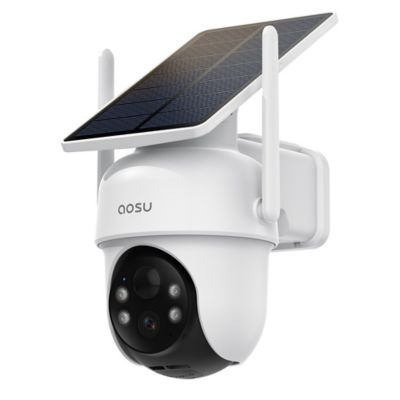
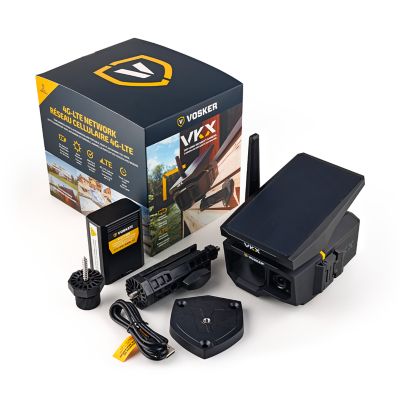
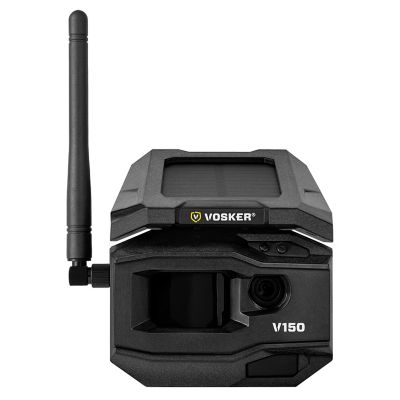
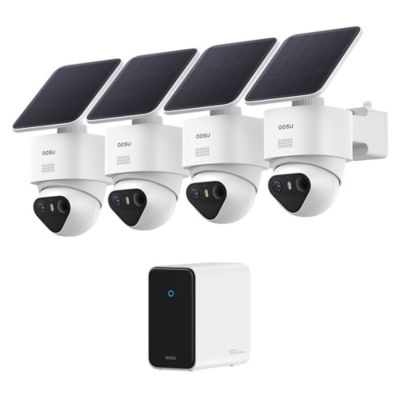
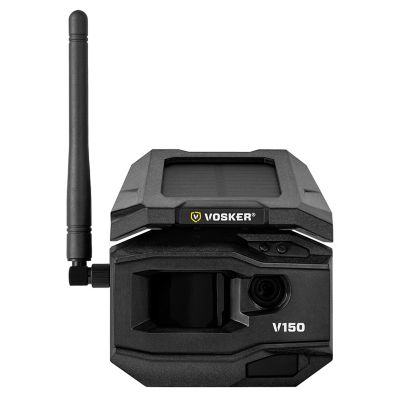
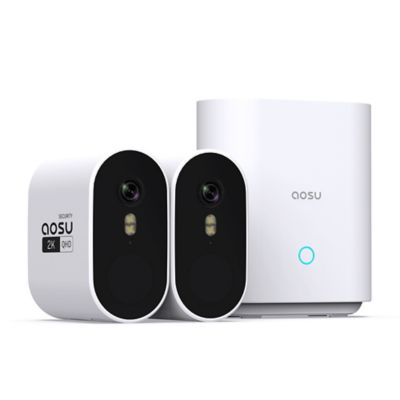
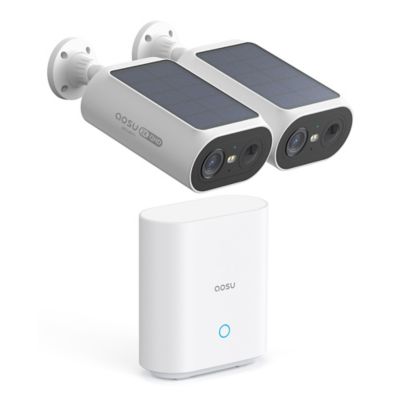
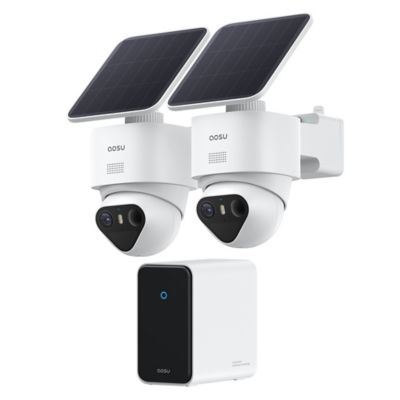
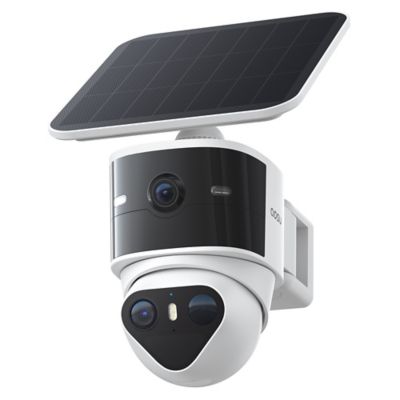
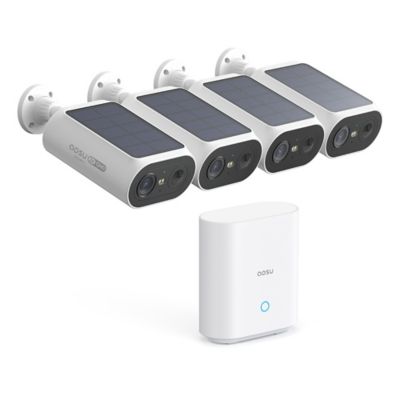
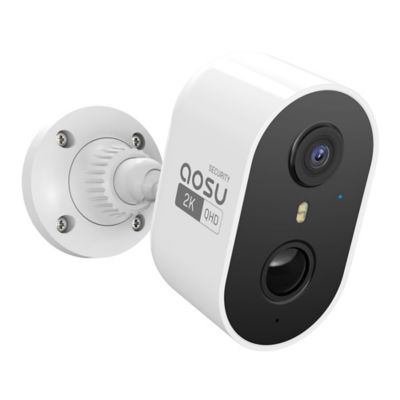
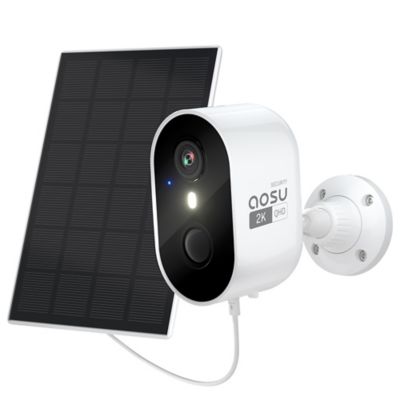
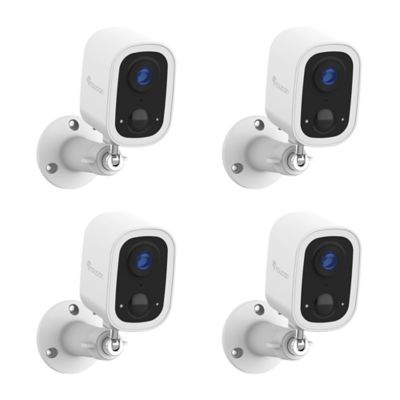
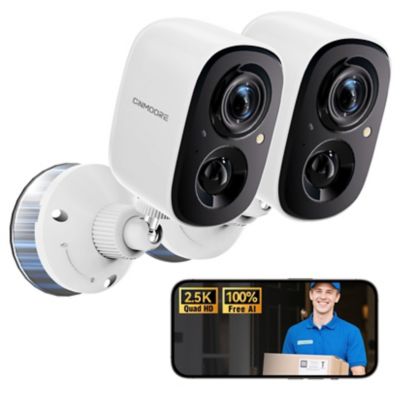
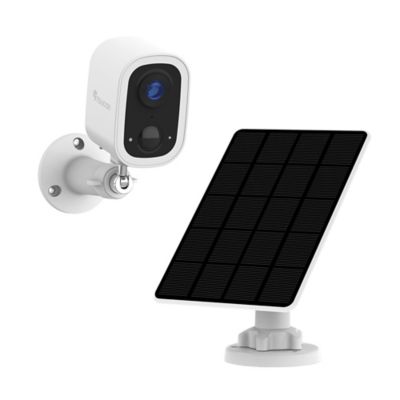
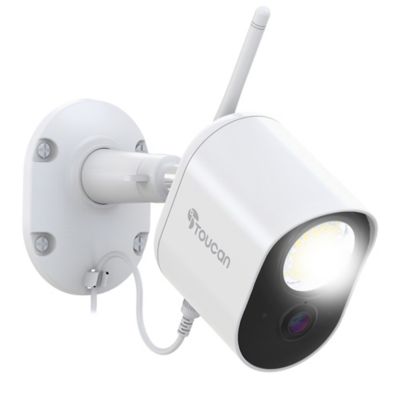
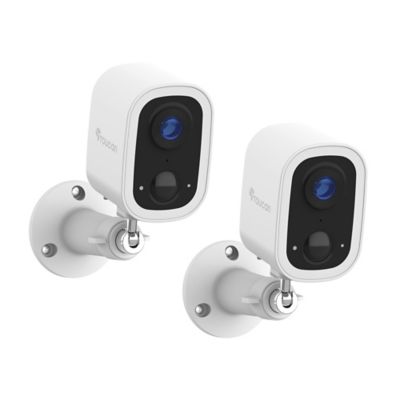
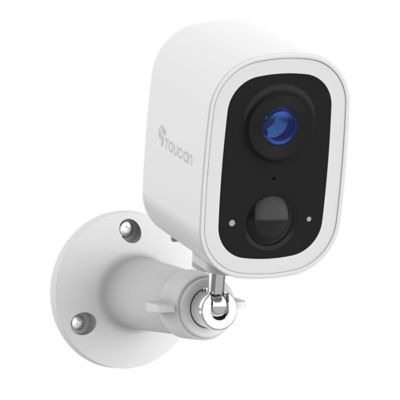
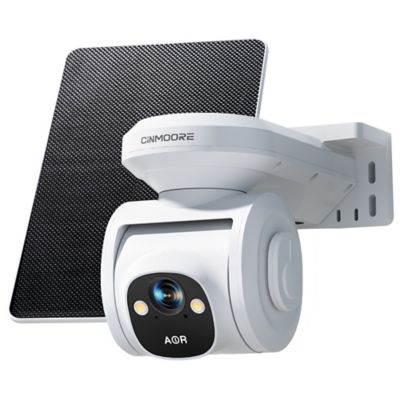
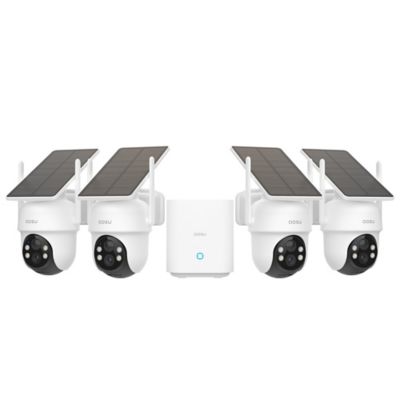
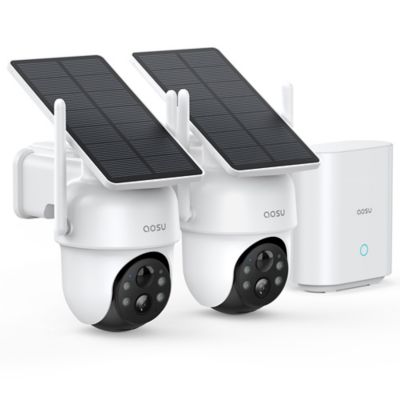
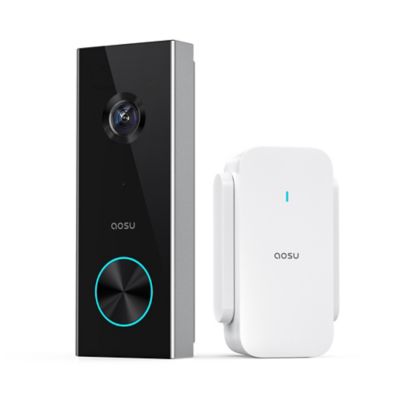
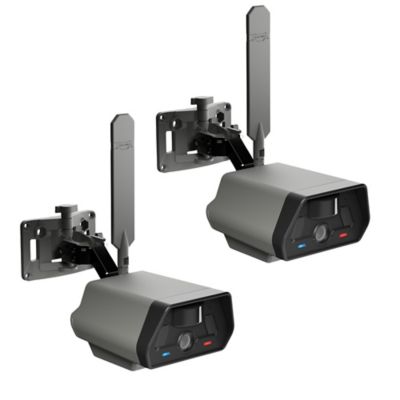
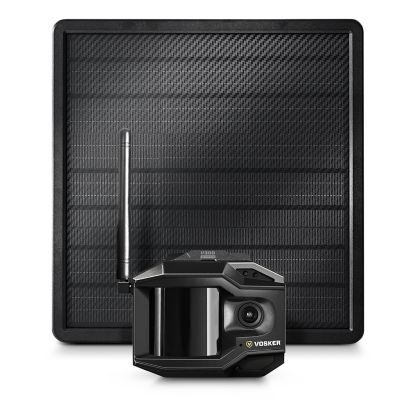
An easy-to-install security camera helps you keep an eye on the house, barn entrance, shop, or driveway without turning setup into a major project. Battery-powered cameras with wireless connections can work without a nearby outlet, while magnetic mounts can simplify attachment when there’s a suitable metal surface or a properly secured mounting plate. Some options need no drilling, but that depends on the mounting system and the surface where the camera will sit. Plug-in cameras are another straightforward choice when an outlet is close by, though the power cord still needs a clear, protected path. The word “wireless” deserves a closer look: it may describe the camera’s connection to a network rather than its power source. A wireless camera can still need a cord, and a battery-powered camera will need charging or battery replacement over time. For a farmhouse porch or attached garage, a home Wi-Fi connection may cover the area just fine. A detached workshop or gate farther down the lane can be a different story, since walls, distance, and metal siding can weaken the signal. Cameras that connect through a compatible cellular network may suit places beyond home Wi-Fi coverage, provided there’s service at the mounting location. Setup features such as app-based pairing, clearly labeled connections, and adjustable brackets can make a real difference when you want a useful view without a lot of fuss. Mounting hardware matters just as much as the camera itself. A freestanding base suits a shelf inside the house, while a secured bracket is better suited to a permanent outdoor position. Magnetic attachment also needs a firm hold; thin metal, an uneven surface, or a spot within easy reach may call for another mounting approach. The best fit brings together manageable installation, a suitable power source, and a connection that reaches the place you actually want to watch.
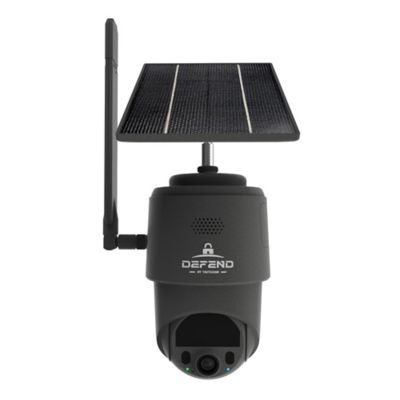
A camera earns its place by showing the details that matter around your property. A wide view can cover a porch and the walkway leading to it, while a narrower view may put more attention on a shop door or equipment entrance. Resolution helps determine how much detail appears in recorded footage, but the distance to the subject, lens angle, lighting, and video compression all affect what you can make out. A camera overlooking an entire yard may show that someone crossed it without providing a clear view of their face. Placement near an approach can be more useful for that purpose than a distant view from high on a building. Night vision is another consideration for entrances and work areas that stay busy after dark. Infrared illumination generally produces black-and-white images, while some cameras offer color footage with enough surrounding light or a built-in light. Motion detection can alert you to activity, and person, vehicle, or animal detection may help separate relevant movement from other activity when those features are supported. Adjustable detection zones are handy beside a road or a shared driveway, where every passing vehicle doesn’t need to trigger a notification. Two-way audio can let you speak with someone at the door, though connection strength and background noise affect the conversation. Around a barn entrance, a clear view of the latch and approach may matter more than seeing the whole building. Near a tool shed, coverage of the doorway and the path beside it can help show who came and went. Housing materials, sealed connection points, and an appropriate indoor or outdoor rating help match the camera to its surroundings. A solid bracket and accessible adjustment points also make it easier to keep the intended view. Color can be part of that fit, too: a
Black Security Camera can blend with dark trim, metal shelving, or a shaded entry while keeping attention on the area being monitored rather than the camera housing.
Day-to-day convenience is what keeps an easy installation from becoming a regular chore. Battery access is worth considering on any camera mounted above easy reach, especially if charging means taking the camera down. Battery life varies with recording activity, live viewing, connection strength, and device settings, so a busy driveway can place different demands on a camera than a quiet back entrance. Compatible solar charging may reduce manual charging for some battery-powered designs, but placement and the manufacturer’s requirements still matter. Recording options deserve the same attention as the mount. Some cameras record motion events, while others support continuous recording with the right power and storage arrangement. Local storage can keep footage on a compatible memory card, hub, or recorder; cloud storage sends recordings to an online account, subject to the service’s features and terms. Storage capacity, recording length, and whether older footage is automatically overwritten affect how far back you can look. Access also varies when the internet connection drops, so local recording and remote viewing should not be treated as the same thing. Clear app controls, shared access settings, and straightforward playback can help household members check an alert without sorting through a long stretch of footage. Strong account passwords, available security updates, and multifactor authentication help protect that access. Camera placement should respect neighboring property and private spaces, and audio recording calls for attention to applicable laws. Basic care is usually simple: a clean lens, clear view, secure bracket, and intact charging-port cover help keep the camera ready for everyday use. Dust or a spiderweb close to the lens can interfere with the picture, even when everything else is working properly. For homeowners, small-acreage owners, and folks keeping tabs on a workshop, the right camera balances clear coverage with upkeep that fits the daily routine. Easy setup matters most when it leads to a camera that stays practical long after the first connection.