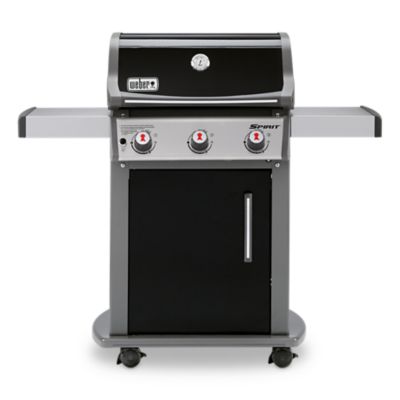
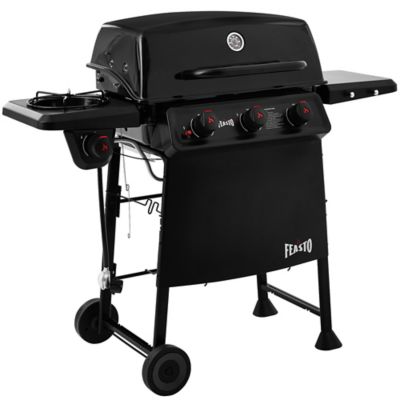
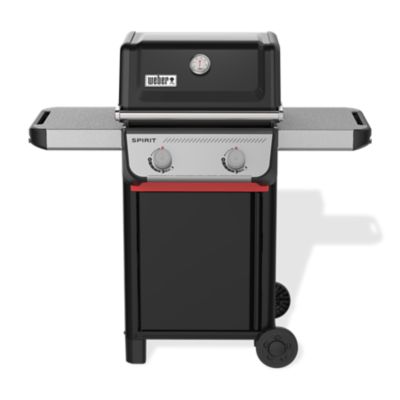
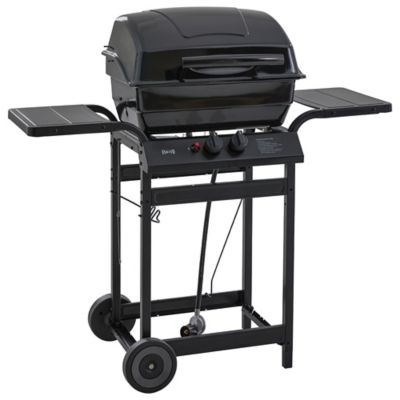
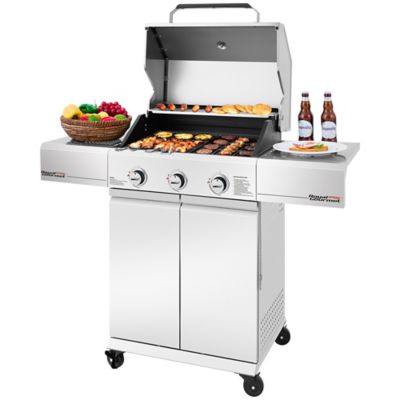
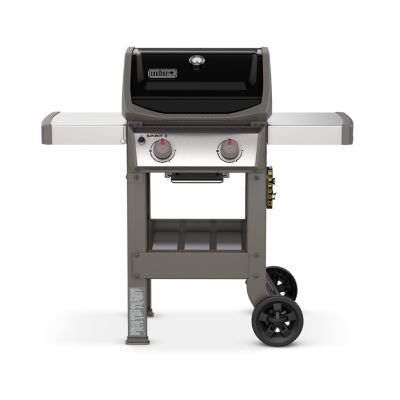
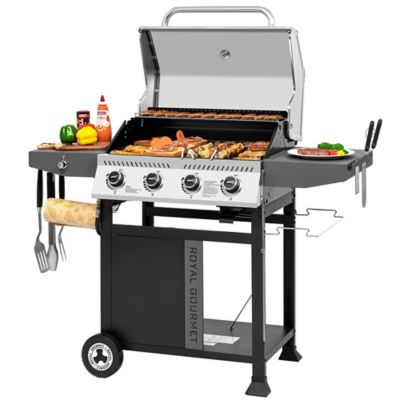
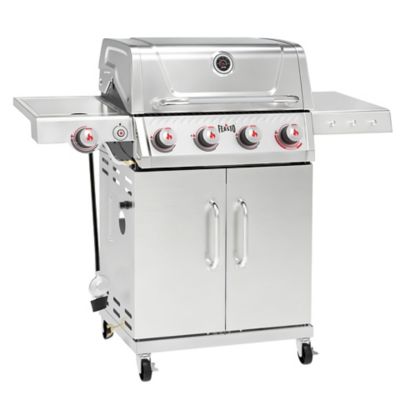
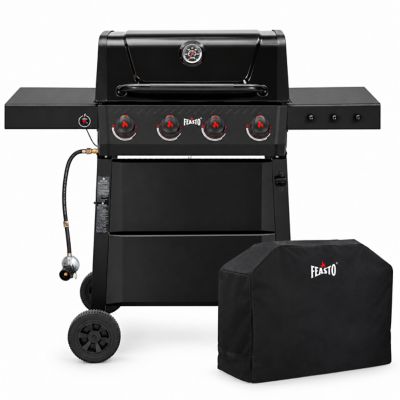
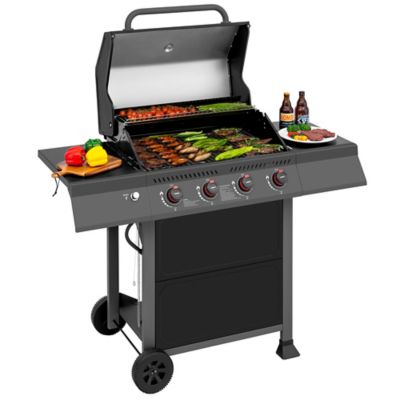
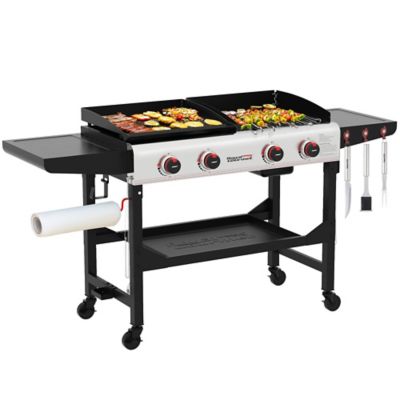
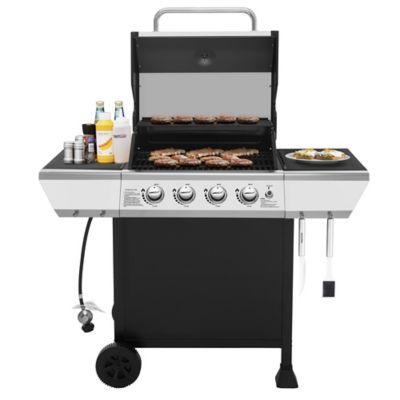
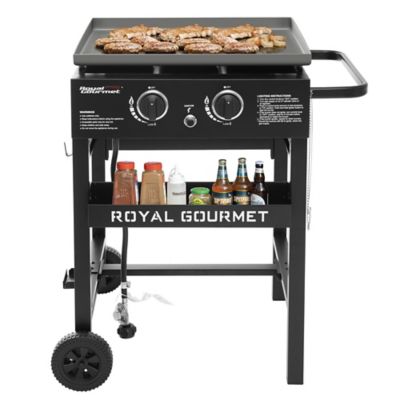
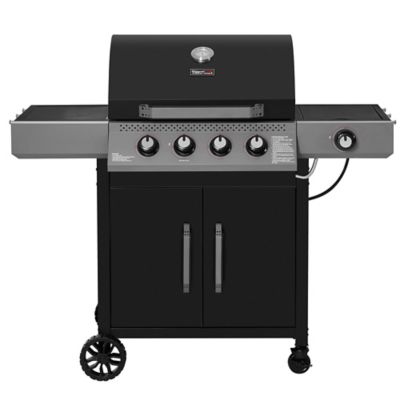
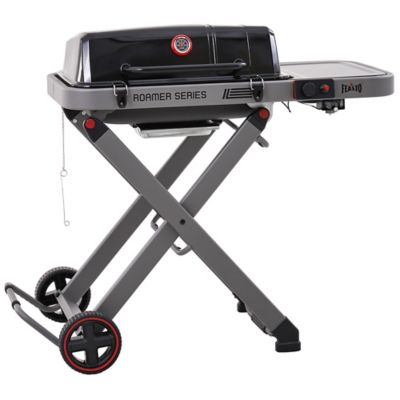
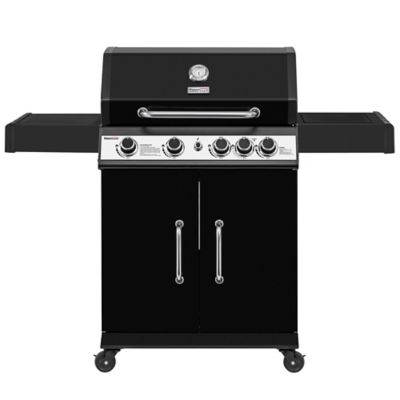
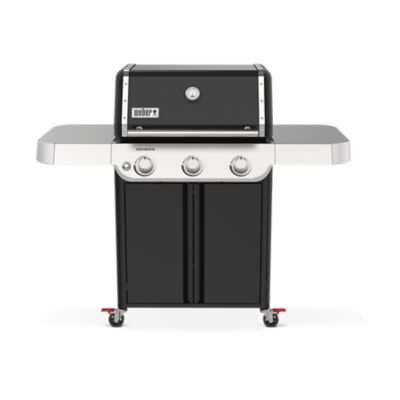
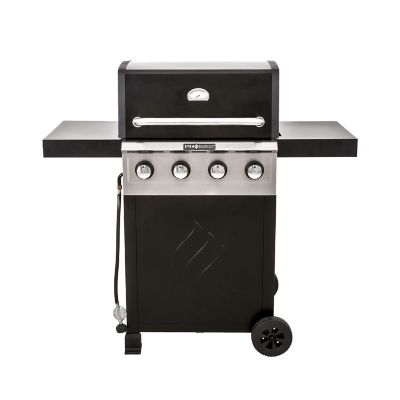
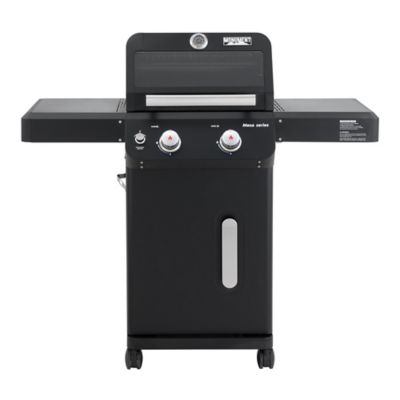
Easy-to-clean gas grills make the job after supper more manageable with removable cooking grates, accessible grease trays, and interior parts that are straightforward to reach. The biggest difference often comes down to where grease goes and how easily those areas come apart for routine care. A well-placed grease channel directs drippings toward a collection pan instead of leaving them trapped along ledges inside the firebox. Front-access trays can be handy when a grill sits near the edge of an outdoor cooking area, while rear-access trays need enough room behind the cabinet for removal. Either layout can work well when the tray slides out without tipping or requiring the whole grill to move. Smooth interior surfaces, fewer tight corners, and lift-out heat shields also leave fewer awkward places for sauce and cooking residue to collect. Those details matter after burgers for the family, chicken thighs for a few neighbors, or a batch of sausages after chores. A smaller cooking surface can mean less grate area to scrub, but a compact grill is not automatically easier to maintain. A roomy firebox with accessible components may be simpler to clean than a smaller one with crowded burner hardware. The most practical designs balance cooking room with access to the parts that catch drippings. Removable warming racks are another useful detail, especially when they lift clear of the main cooking surface rather than blocking the back corners. Grease collection capacity matters, too: a shallow cup may need attention more often when cooking fatty meats, while a larger pan still needs regular emptying. Easy cleaning does not mean skipping maintenance. It means the everyday tasks fit more comfortably into the routine, with less reaching around fixed parts and less wrestling with greasy trays. A clear path from the cooking grates to the collection pan helps make that difference visible before the first meal ever hits the grill.
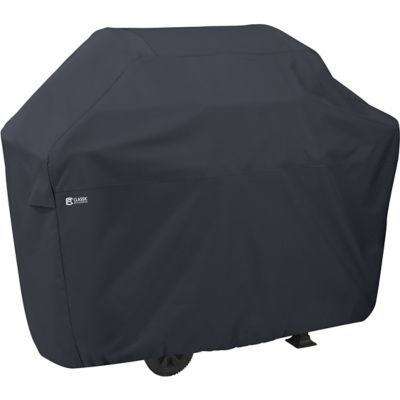
Materials play a big part in how a gas grill cooks, cleans up, and holds up over time. Stainless steel cooking grates often have smooth, uncoated surfaces that respond well to an appropriate grill brush or scraper, though food residue can still cling between the bars and around welded joints. Porcelain-coated cast-iron grates hold heat well and provide an enamel surface between food and the iron beneath. That coating calls for tools and cleaning methods that will not chip or gouge it, since exposed iron can rust. Bare cast iron brings its own care needs, including drying and seasoning as directed by the manufacturer. No grate material eliminates stuck-on barbecue sauce, especially when sugary glazes spend too long over high heat. For cooks who favor ribs, marinated chicken, or generously basted chops, removable grates and heat shields are especially helpful because drippings reach more than the top cooking surface. Stainless steel heat shields can be easier to inspect when they lift out individually, and replacement access matters for parts that face repeated heat and grease exposure. An enameled or cast-aluminum firebox may offer a relatively smooth interior, but seams, fasteners, and the space around the burners deserve a close look as well. Exterior stainless steel can show fingerprints and grease streaks, while painted surfaces need gentle care to protect their finish. The right cleaner depends on the material, and removable parts are not necessarily dishwasher-safe. Manufacturer care directions should settle those questions, including whether any component can soak and which surfaces need a light coating of oil. Cleaning and handling removable parts also require the grill to be shut down and cooled as directed. Sturdy hinges, secure grate supports, and trays that stay level during removal contribute to a grill that feels manageable over repeated cookouts. A fitted cover can help keep dust and debris off between meals, but it does not replace cleaning grease from inside.
When comparing
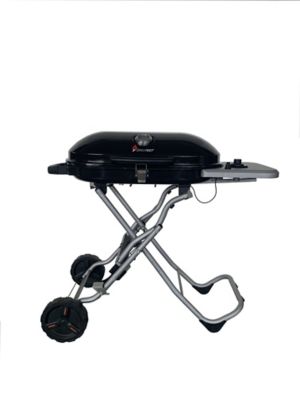
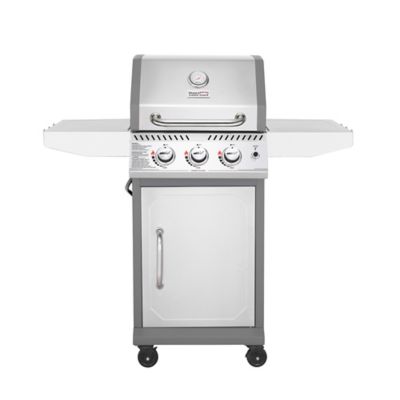
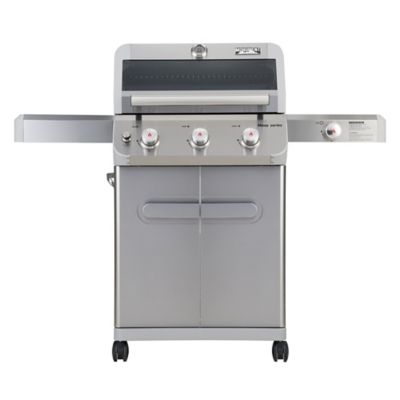
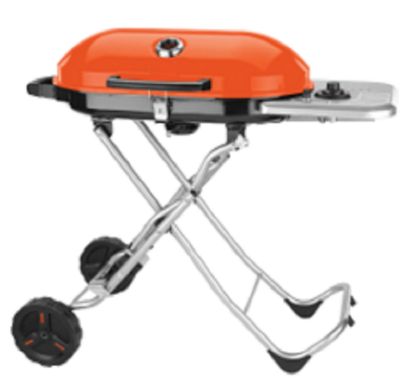
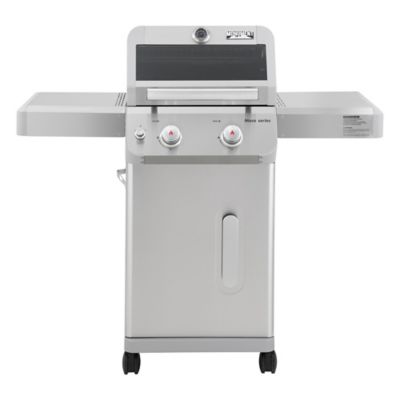
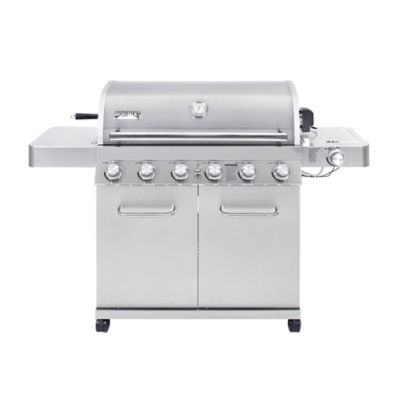
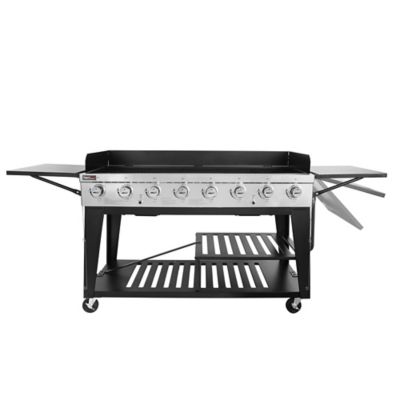
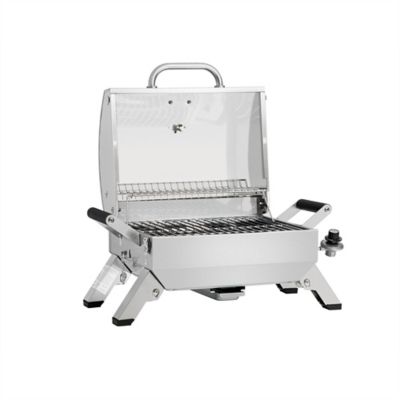
Gas Grills, the right fit includes the cooking area, the cleanup access, and the space the grill needs around it. A compact two-burner layout may suit a couple cooking steaks and vegetables, while a larger layout gives a household more room to separate chicken, burgers, and foil-wrapped potatoes. More cooking space also brings more surface area to maintain, so the best match is not always the largest grill that fits on the patio. Enough room to cook a regular meal without crowding can be more useful than extra burners that rarely see action. Independently controlled burners help create separate cooking zones, allowing food to move away from direct heat without leaving the grill. Side shelves give platters and utensils a landing spot, and smooth shelf surfaces with accessible edges are easier to wipe than crowded areas packed with small fittings. Folding shelves can save space between meals, provided they do not obstruct grease-tray removal or other routine care. Cabinet doors should open far enough to reach the drip pan, fuel connections, and storage area without an awkward stretch. Wheels and locking casters matter when a grill needs to move for cleaning underneath, though the cooking location still needs a stable, level surface and the clearances specified by the manufacturer. Propane suits outdoor setups without a fixed gas connection, while natural gas requires a compatible grill and a suitable supply connection. Fuel types are not interchangeable unless the manufacturer specifically supports conversion with the correct equipment. Portable gas grills can work well for smaller meals and travel where grilling is permitted, but a shallow body can put grease collection close to other components, making access worth checking. For a household that grills often, or as a gift for someone who enjoys feeding a crowd, easy-to-clean features are practical details that keep paying off. Accessible trays, manageable grate sections, and uncomplicated interior surfaces help keep attention on the meal rather than the mess afterward.