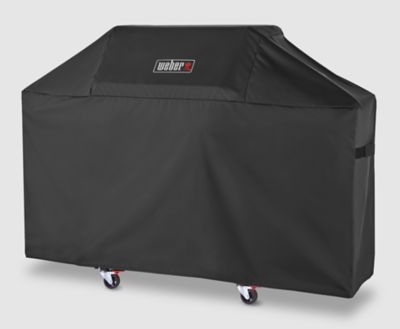
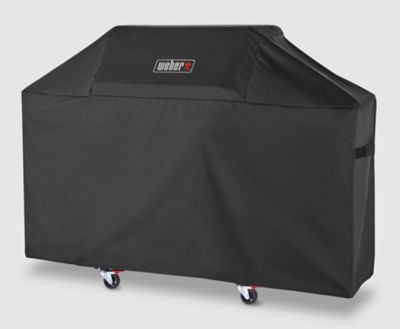
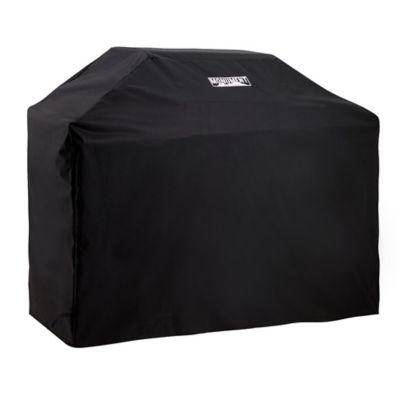
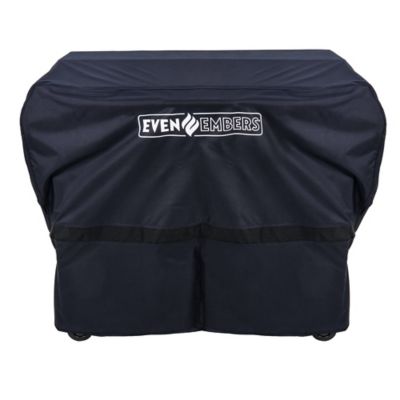
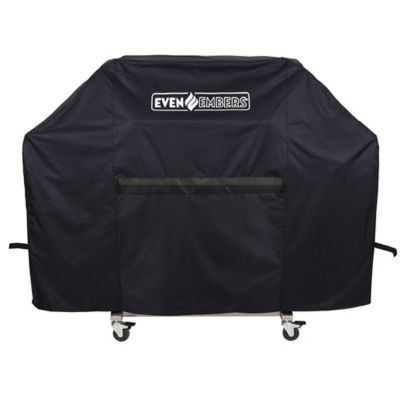
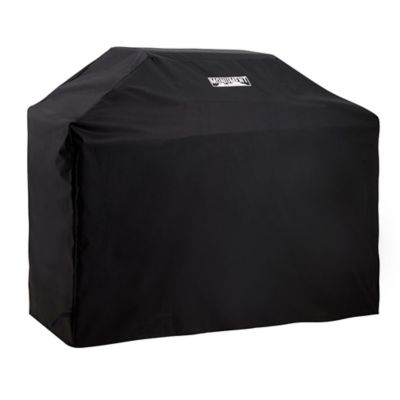
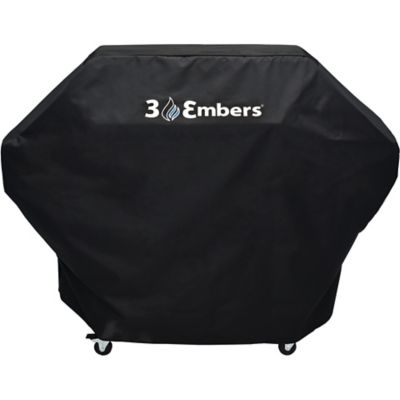
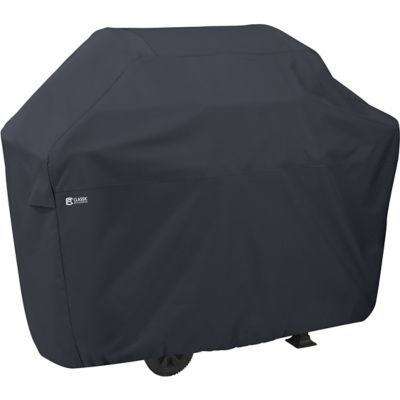
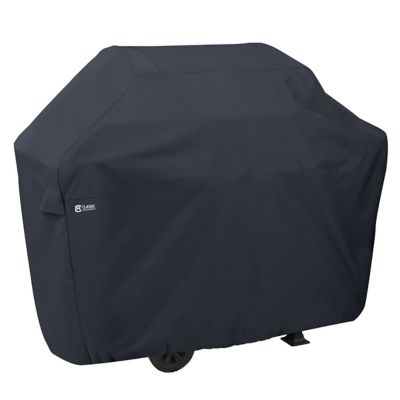
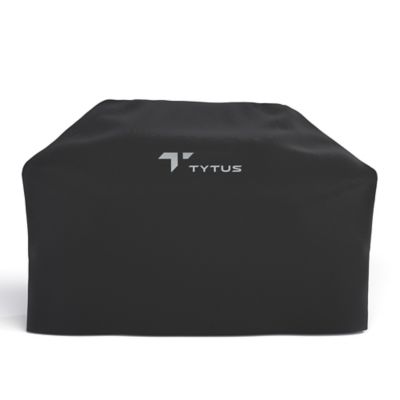
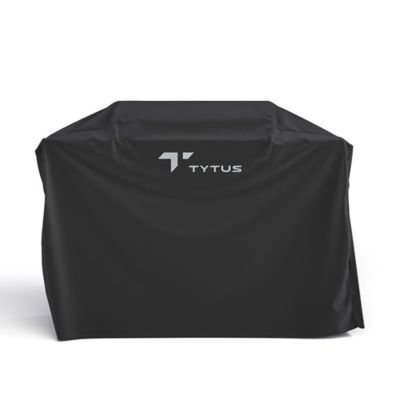
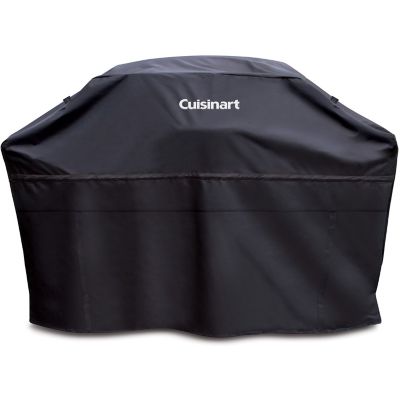
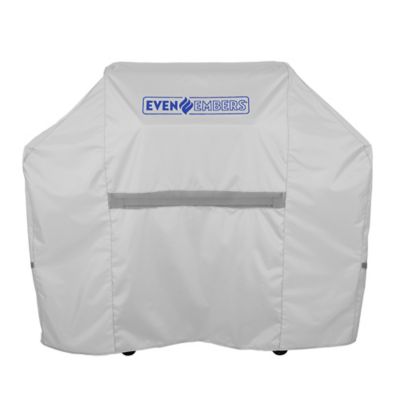
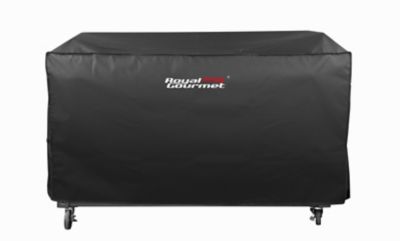
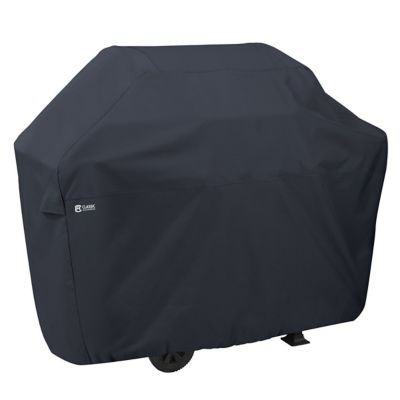
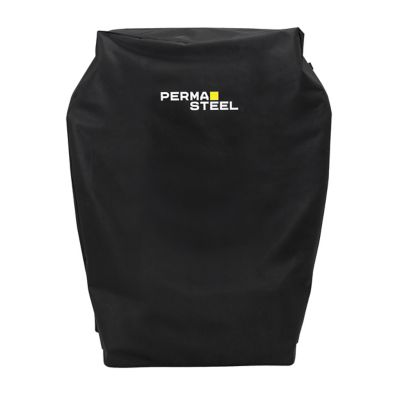
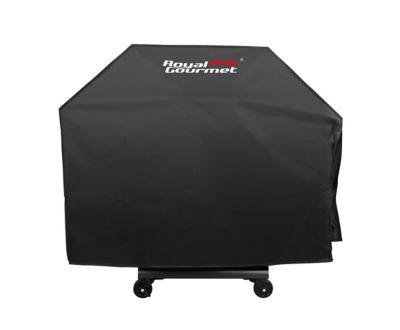
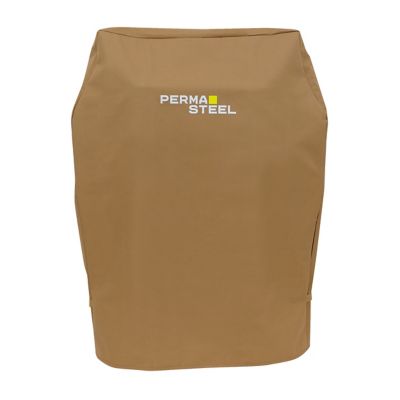
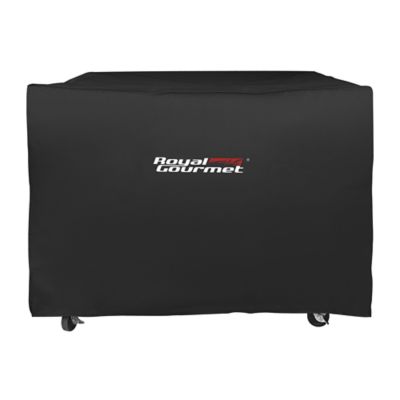
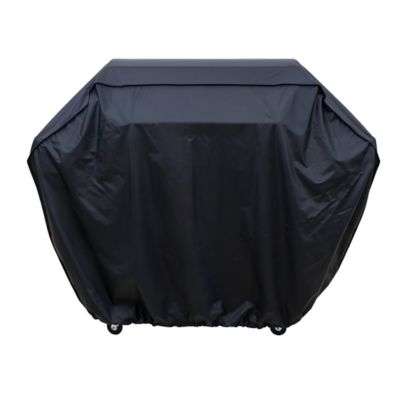
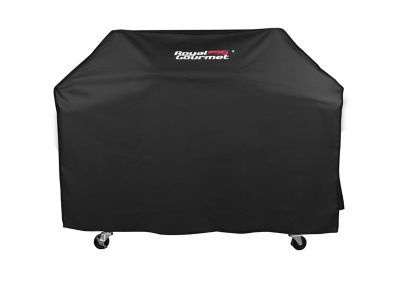
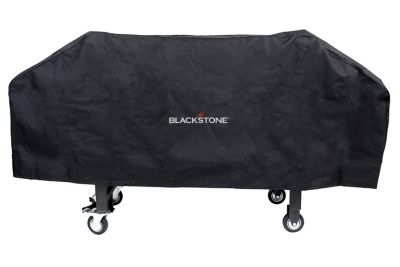
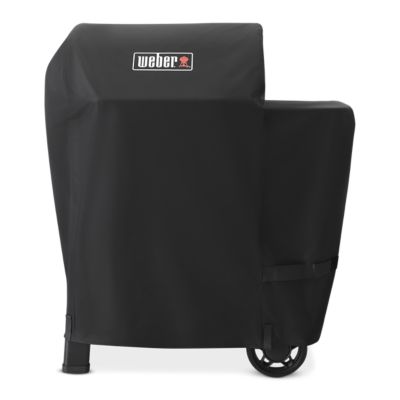
Grill covers for gas grills help protect outdoor cooking equipment from rain, snow, sunlight, dust, leaves, and bird droppings between cookouts. A well-fitting cover puts a barrier over the lid, cooking cabinet, side shelves, and controls, helping keep the grill ready for the next round of burgers or a supper cooked out back. Whether the grill sits beside a farmhouse porch, on a patio, or near an outdoor work area, the right covering can cut down on the dirt that settles on exposed surfaces. Protection depends on the fabric, construction, fit, and care—not just how thick a cover feels in the hand. Polyester is a common cover material, often paired with a coating or backing that helps shed water. Vinyl coverings can provide a substantial moisture barrier, while woven fabrics offer varying levels of flexibility and resistance to tearing. Material weight affects how a cover handles: a heavier option may feel substantial over broad shelves, while a lighter one may be easier to lift off and fold away before supper. Water-resistant and waterproof descriptions are worth reading closely, since fabric performance and seam construction both affect how much moisture gets through. Stitched seams, reinforced corners, and secure edge finishing matter where the cover bends over lid handles or catches against shelf corners. Sun-resistant fabric treatments can help limit fading and material breakdown from repeated exposure, though no cover stays unchanged forever. Vent panels allow air movement beneath the fabric and can help reduce trapped moisture, especially when the grill sits on a damp patio or beneath a roof where air circulation is limited. A cover should shield the grill without acting like an airtight bag. Smooth fabric against the grill’s finish, reinforcement at common stress points, and a shape that sheds water rather than collecting it all contribute to useful everyday protection. Those details matter on a grill that gets uncovered for a quick meal as much as one that sits covered between larger family gatherings.
Fit is just as important as material when comparing gas grill covers. Burner count gives a rough sense of grill size, but it does not tell the whole story: two grills with the same number of burners can have very different shelf widths, lid heights, and cabinet depths. The most helpful dimensions are the overall width, depth, and height of the grill in the position it occupies while covered. That includes fixed side shelves, projecting handles, and any other components the cover is meant to enclose. Folding shelves change the required footprint, so their storage position needs to match the cover’s stated fit. A cover pulled tight across a lid handle can strain at the seams, while one with too much extra fabric may flap, catch on nearby objects, or collect water in low spots. Enough room to slip the cover on and off comfortably is useful, but a loose, tentlike fit is not the goal. Shaped tops and corners can help fabric settle around a grill’s outline, and a little clearance at the bottom keeps the hem from dragging through dirt or standing water. Adjustable straps, buckles, hook-and-loop tabs, and drawcord hems offer different ways to hold the covering in place. Their placement matters, particularly on grills with wide shelves, open carts, or a cabinet that leaves few convenient points for securing loose fabric. Handles can make a broad cover easier to lift without tugging on its seams, and a storage pouch can keep it out of the way during cooking. Model-specific covers may follow a grill’s shape more closely, while general-fit options depend on matching measurements and checking the stated compatibility. For a brand-focused fit search, browse
Grill Covers for Weber Grills and compare the listed dimensions and compatible models with the grill at home. Whatever the grill family, attachments such as extended tables or accessories can change the outline enough to affect coverage. The best match leaves controls, shelves, and the main body sheltered without forcing fabric over sharp projections or interfering with the grill’s normal storage setup.
Day-to-day handling has a lot to do with how well a gas grill cover holds up. A cover that is easy to remove, secure, clean, and store is more likely to become part of the routine instead of ending up in a heap beside the porch. Before covering, the grill needs to be completely cool, with burners and the fuel supply shut off according to the grill manufacturer’s instructions. Even a quick cooking session can leave hot surfaces beneath the lid, and cover fabric should never touch a hot grill or an open flame. Grease and food residue also belong in the grill-cleaning routine rather than being left for the cover to rub against. For the cover itself, care instructions vary by material and coating; gentle cleaning with a soft brush or cloth and mild soap is often more suitable than harsh cleaners or abrasive scrubbing. Machine washing, bleach, and strong cleaning solutions can damage some fabrics or protective finishes, so the care label matters. Letting the cover dry before folding it away helps keep moisture from sitting in the folds. A clean hook, shelf, or storage bag also keeps it clear of muddy ground, sharp tools, and wandering feet while the grill is in service. Periodic checks around seams, corners, straps, and the hem can reveal small splits or worn areas before they leave a larger section exposed. Covers support regular grill care, but they do not replace cleaning, checking gas connections, or following the grill’s storage instructions. For the household cook who grills after chores, the neighbor who hosts backyard meals, or someone setting up a first outdoor cooking space, a properly matched cover makes a practical gift. Having the grill’s measurements or model information takes the guesswork out of that choice. Straightforward construction, manageable fabric, and a secure fit make these covers useful companions to gas grills that earn their place on the patio.