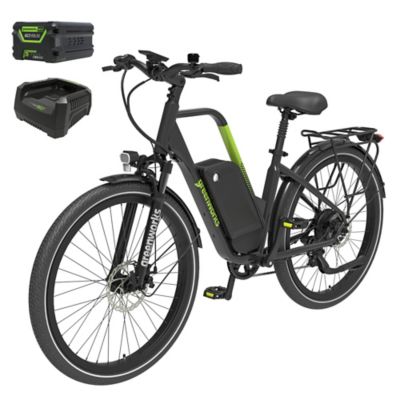
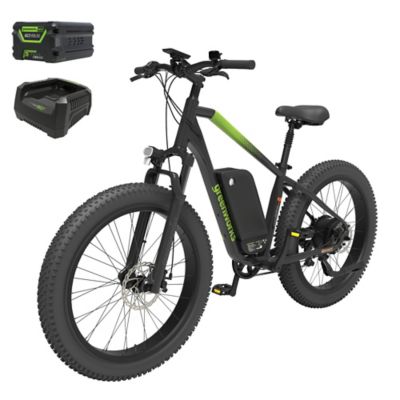
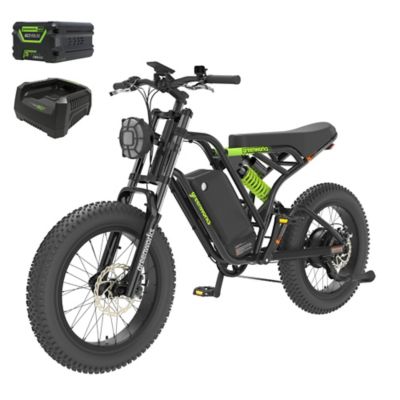
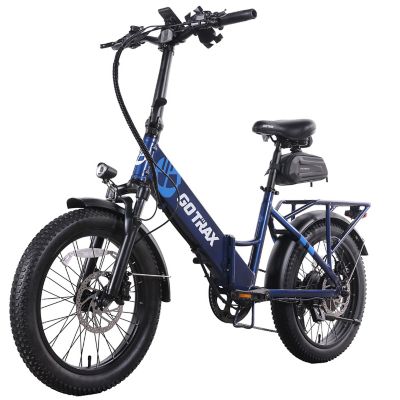
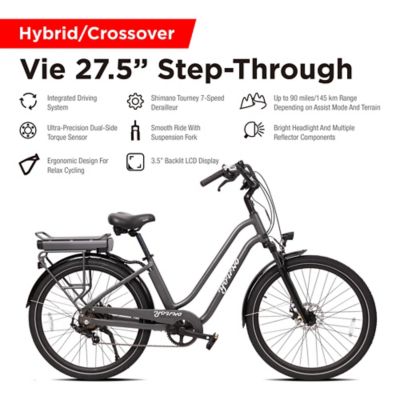
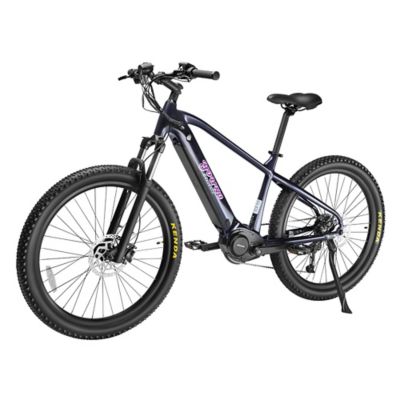
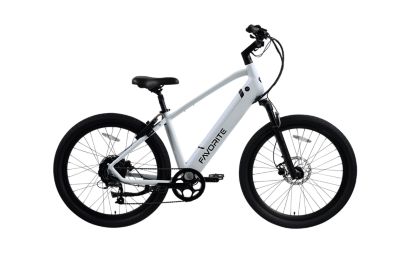
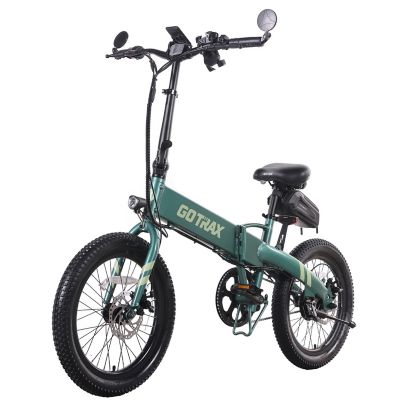
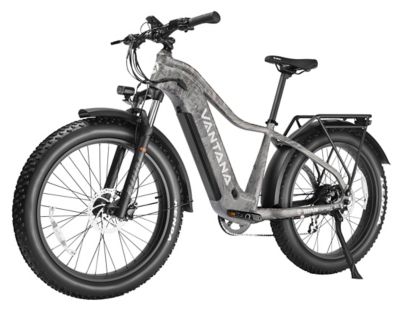
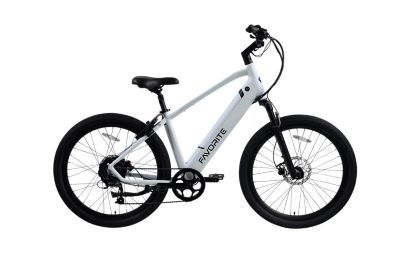
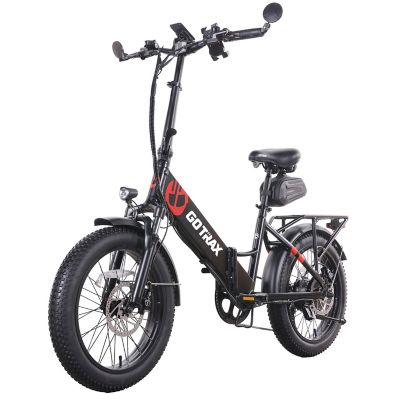
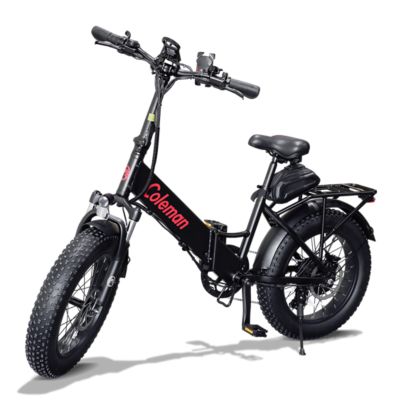
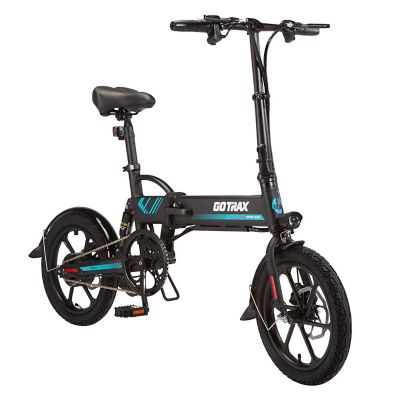
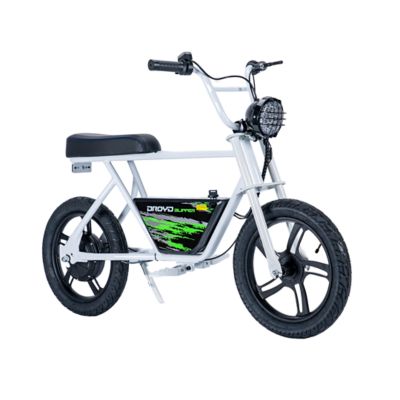
E-bikes for adults are bicycles with an electric motor that adds assistance to the ride, making them a practical fit for trips into town, rides along approved paths and everyday errands. Pedal assist adds power while the rider pedals, while a throttle-equipped electric bike can provide power without pedaling, subject to the bike’s design and local rules. That extra help can make a long incline or the trip home with a loaded basket feel more manageable, but the bike still needs to suit the route and the rider. Under the common three-class system in the United States, Class 1 e-bikes provide pedal assistance up to 20 mph, Class 2 e-bikes allow throttle assistance up to 20 mph, and Class 3 e-bikes provide pedal assistance up to 28 mph. These speeds describe when motor assistance stops, not a promise of riding speed on every surface. State definitions, age requirements and access rules vary, especially on shared paths and trails. For everyday riding, motor response matters as much as the number printed beside wattage. A cadence sensor typically responds to pedal movement, while a torque sensor adjusts assistance in response to how hard the rider pedals. Hub motors deliver power through a wheel; mid-drive motors apply power through the bike’s drivetrain and can take advantage of its gearing on climbs. Battery capacity, usually listed in watt-hours, helps explain how much energy the battery stores. Advertised range estimates can span roughly 30 to 80 miles or more, but actual distance depends on the bike, assistance level, throttle use, hills, surface, tire pressure and combined rider-and-cargo weight. A higher assistance setting generally draws more energy than a lower setting. For someone riding several miles from home to the feed store and back, enough battery capacity for the entire round trip—with some room to spare—is more useful than a best-case range figure alone. Removable batteries can simplify charging when the bike stays in a garage or shed, provided the charging location meets the manufacturer’s requirements.
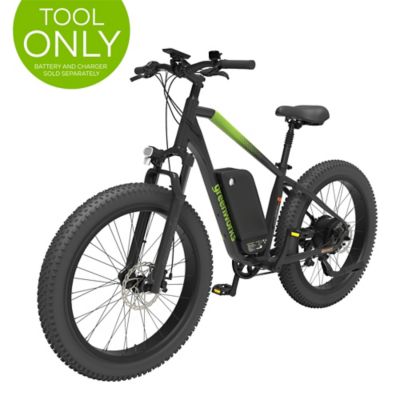
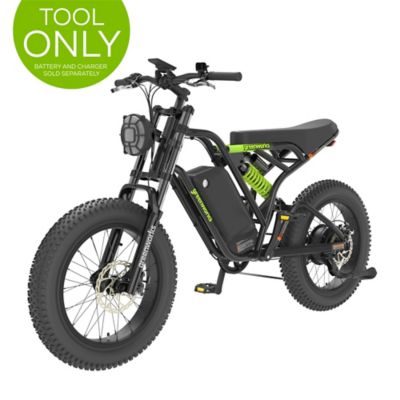
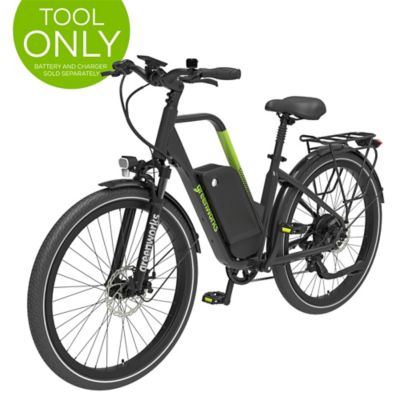
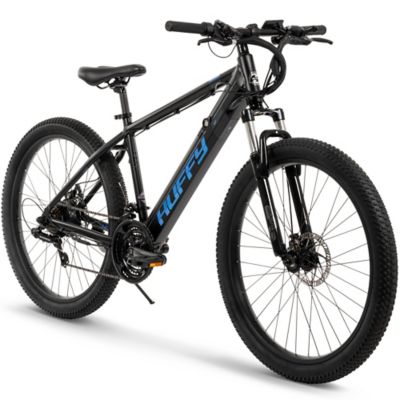
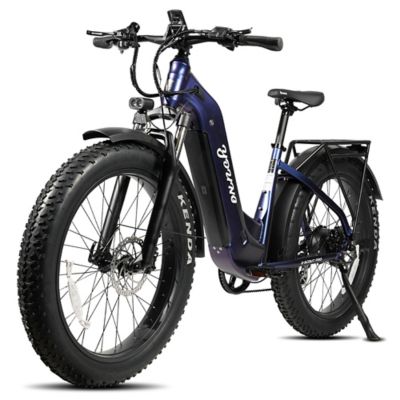
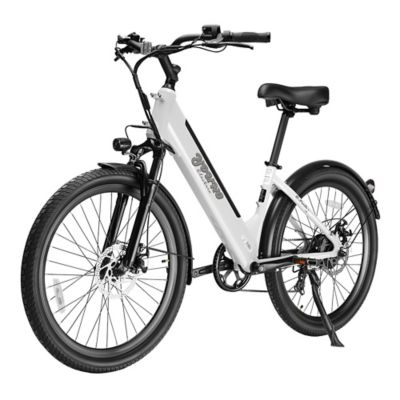
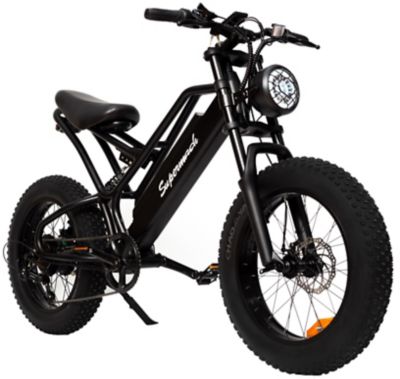
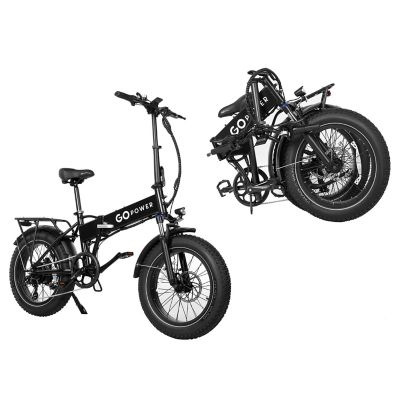
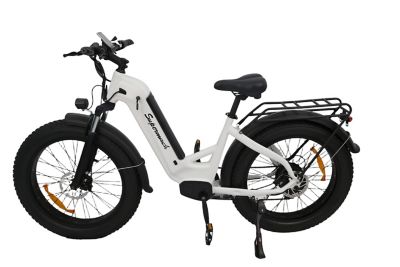
Adult electric bikes come in frame styles that suit different routines, from compact folding designs to upright commuters and wider-tire bikes built for less even ground. A step-through frame offers more clearance when getting on and off, which can be handy during frequent stops or when a rear rack is carrying groceries. A higher top tube creates a different mounting motion, so frame shape deserves attention alongside the stated rider-height range. Comfortable fit depends on inseam, standover clearance, saddle adjustment and reach to the handlebars—not height alone. The right setup lets the rider reach the brakes easily, steer without stretching and pedal without feeling cramped. Aluminum frames are common for their relatively low weight and resistance to rust, while steel frames bring different weight and ride characteristics. Total bike weight matters when lifting an e-bike onto a vehicle rack, moving it through a doorway or carrying it up steps. Folding frames can help with storage and transport, though the folded dimensions, lifting weight and latch design still matter. Tires also shape the ride. Narrower tires generally roll more easily on pavement, while wider tires can add cushioning and traction on suitable gravel or uneven surfaces. Fat tires do not automatically make a bike suitable for every trail, and suspension cannot replace matching the bike to its intended terrain. A hard-packed lane leading to a paved road calls for a different setup than a technical trail with roots and steep drops. Brakes, wheel size and gearing deserve the same attention as the motor, particularly when the route includes descents or repeated stops. Disc brakes are common on adult e-bikes, with hydraulic systems generally requiring less hand effort and mechanical systems offering a different adjustment and maintenance approach. Racks, baskets and panniers can make errands easier, but the bike’s total payload limit includes the rider and everything carried. A rear rack also has its own capacity limit; neither limit should be treated as permission to carry a passenger.
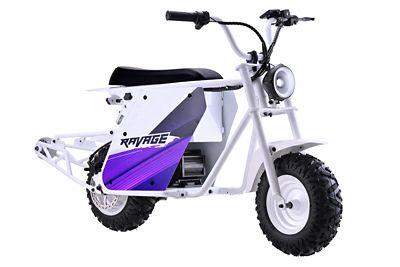
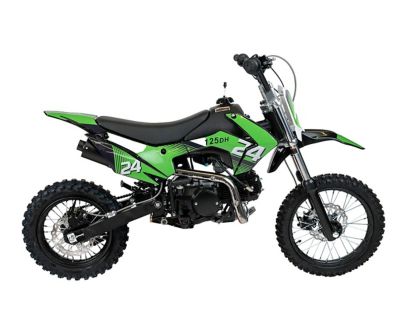
Keeping an electric bike ready for regular rides means caring for both the bicycle parts and its electrical system. Tires need pressure checks, chains need appropriate lubrication, and brake pads and fasteners need inspection at the intervals specified by the manufacturer. A bike carrying a rider and a sack of feed puts different demands on its tires and brakes than the same bike ridden without cargo. Cleaning should follow the bike’s care directions, with attention to connectors, charging ports and moving parts; a pressure washer can force water into places it does not belong. Battery safety is another important consideration. UL 2849 covers the electrical system of an e-bike, including evaluation of the battery, charger and their interaction. UL 2271 addresses batteries for light electric vehicle applications. Certification documentation should identify the applicable standard and certification body rather than simply describe a battery as having safety features. Charging calls for the manufacturer-approved charger, a suitable location away from combustible materials and attention to any signs of battery damage, swelling or unusual odor. Battery storage and charging intervals also depend on the manufacturer’s directions, particularly when a bike sits between rides. Out on the route, a properly fitted bicycle helmet, visible clothing, lights and predictable riding habits help support safer travel. Local requirements may cover helmets, lighting, registration or where certain e-bike classes can operate. An electric bicycle is not interchangeable with an off-road motorcycle; riders interested in motorized recreation on appropriate riding grounds can also explore
Dirt Bikes For Adults, which have different equipment, operating requirements and access rules. As a gift, an adult e-bike is best matched to the recipient’s size, riding experience, storage space and regular routes. Someone returning to cycling may appreciate easy mounting and simple controls, while a frequent commuter may place more value on cargo capacity and charging access. The best match brings those everyday details together, making room for both useful trips and a leisurely ride down a familiar road.