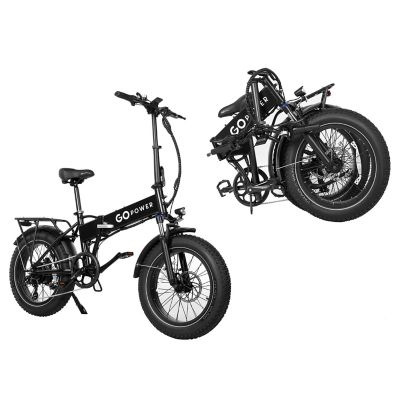
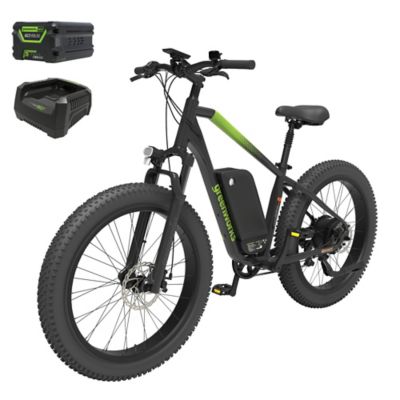
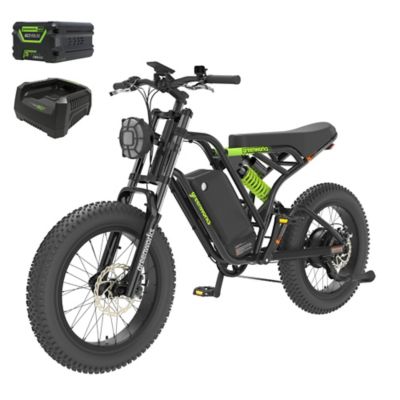
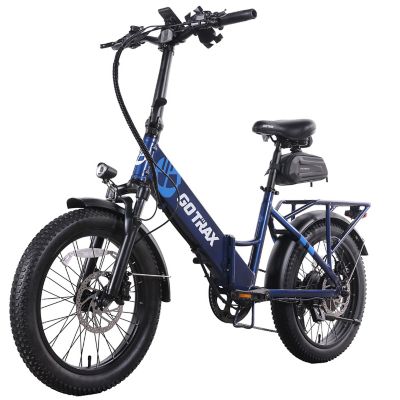
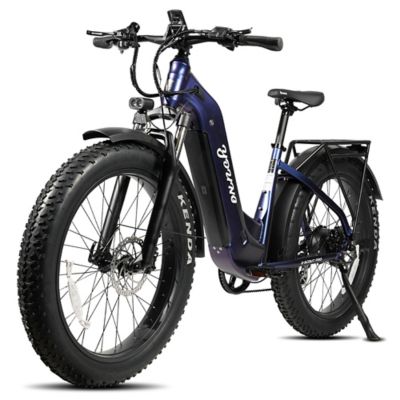
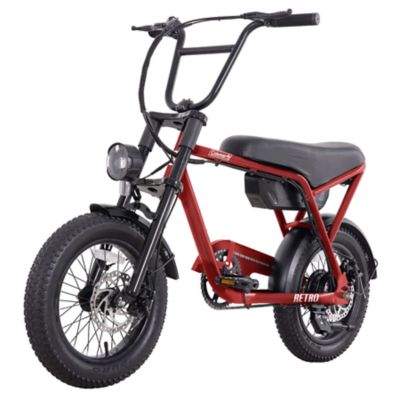
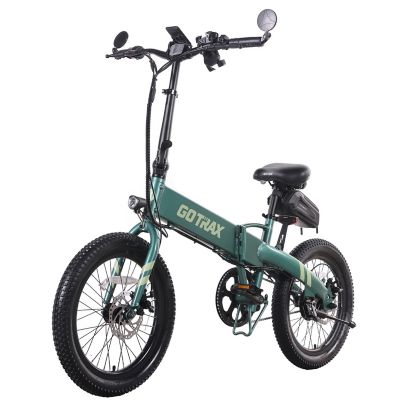
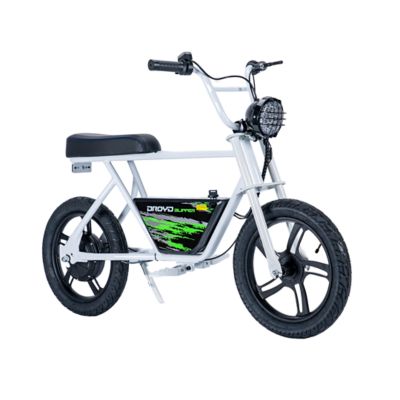
Electric bikes with pedals combine a bicycle’s pedal-driven drivetrain with a battery-powered motor that helps move the bike. On a pedal-assist e-bike, the motor adds power while the rider pedals; on a model with a throttle, the motor may also provide power without pedaling, subject to the bike’s design and operating limits. Many allow riding with the assistance switched off, though their added weight can make that feel different from pedaling a conventional bicycle. That combination suits all kinds of everyday trips, from heading into town for a few errands to taking the long way home along a permitted country route. The pedals keep the rider involved, while adjustable assistance can take some of the strain out of hills, longer distances, and repeated starts. Lower assistance levels generally leave more of the work to the rider, while higher settings provide a stronger push and draw more energy from the battery. How that help feels depends partly on the motor and sensors. A cadence sensor detects pedal movement, while a torque sensor responds to pressure on the pedals, often creating a more responsive connection between effort and assistance. Hub motors deliver power through a wheel, while mid-drive motors work through the bicycle’s drivetrain and gears. Neither layout tells the whole story on its own; motor output, gearing, bike weight, and the route all shape the ride. Battery range also varies with rider and cargo weight, hills, tire pressure, speed, and assistance level, so a stated range is best treated as a reference rather than a promise for every trip. Common classifications separate pedal-assist bikes limited to assistance at 20 mph, throttle-capable bikes with assistance up to 20 mph, and pedal-assist bikes that can assist up to 28 mph. Local definitions and riding permissions can differ. For a commute, a ride with family, or an afternoon exploring permitted paths, the right match comes down to the distance, surface, and amount of help a rider wants.
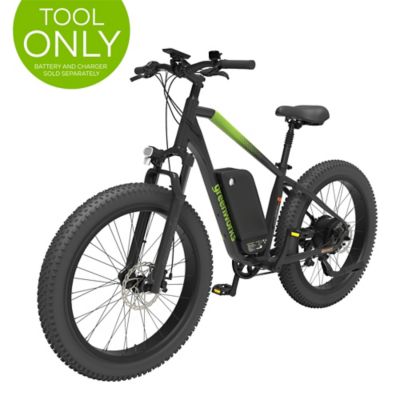
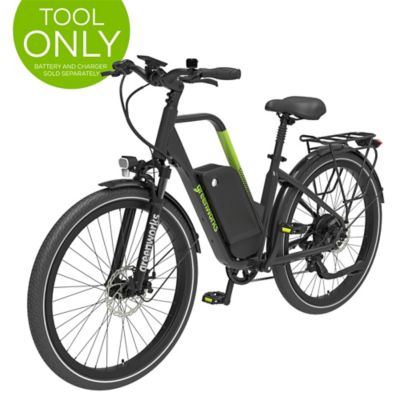
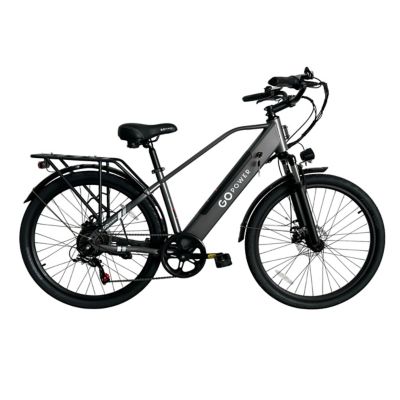
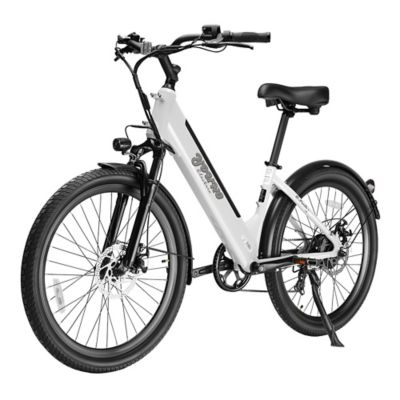
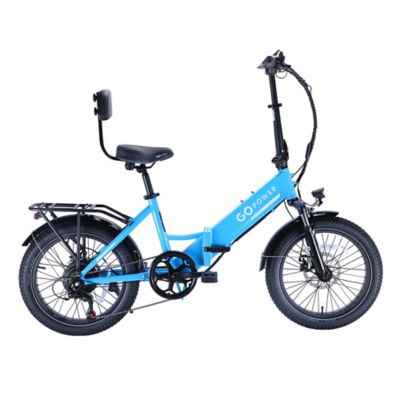
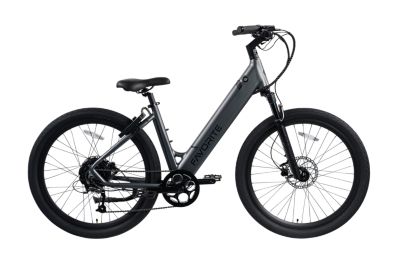
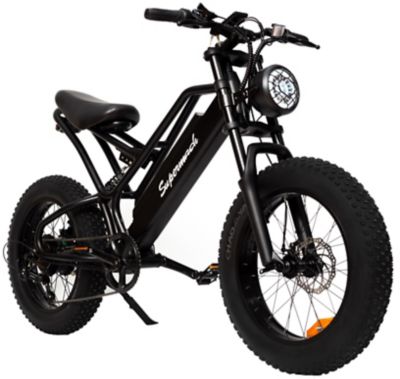
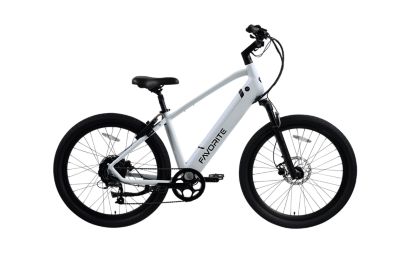
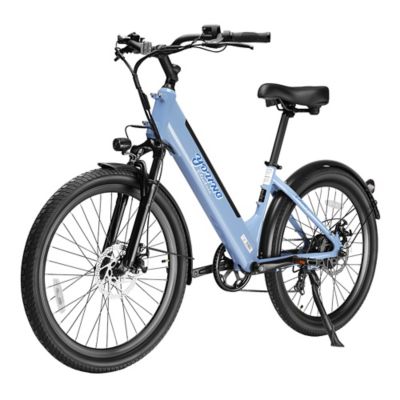
Frame shape and rider fit matter just as much as the motor when an electric bike becomes part of a regular routine. A step-through frame can make getting on and off less awkward, especially for someone who stops often or has trouble lifting a leg over a higher top tube. Other frame designs may suit riders who prefer a different stance or more room within the frame for carrying accessories. Aluminum frames can help keep weight down, while steel frames may appeal for their ride feel and construction; total bike weight still depends heavily on the battery, motor, wheels, and other components. That weight deserves attention if the bike needs to go up steps, onto a vehicle rack, or through a narrow shed doorway. Fit involves more than the height of the seat. Reach to the handlebar, room over the frame, saddle adjustment, and access to the brake levers all affect comfort and control. An upright position can feel natural for relaxed trips around town, while a more forward position may suit riders who like a sportier feel. Tire width and tread should match the intended route. Smoother tread generally rolls easily on pavement, while broader tires and more pronounced tread can offer benefits on suitable gravel or loose surfaces, with trade-offs in rolling effort and handling. For routes with broken pavement or uneven sections,
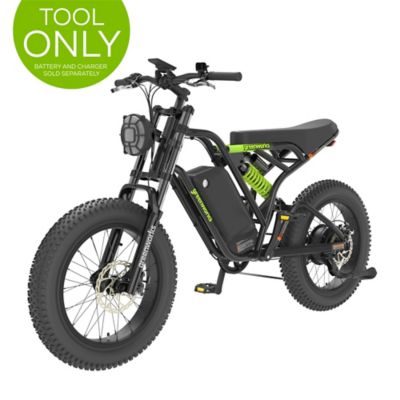
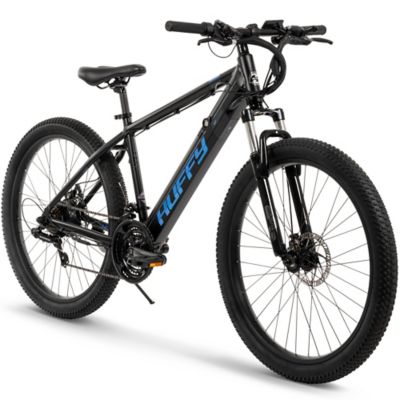
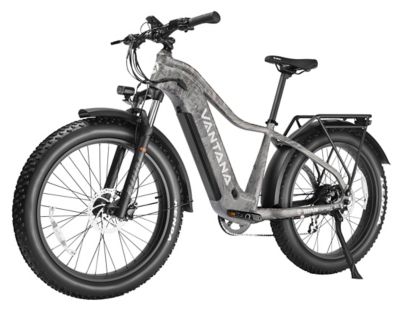
electric bikes with suspension offer another way to manage bumps. A suspension fork helps absorb impacts at the front wheel, and rear suspension adds movement at the back, though either design brings extra parts to maintain. Suspension does not replace sensible speed or turn every bike into a trail bike. Brakes also deserve close attention because an e-bike carries the weight of its electrical system along with the rider. Brake design, adjustment, tire traction, and load all influence stopping, whether the trip is a short run down a long driveway or a ride across town.
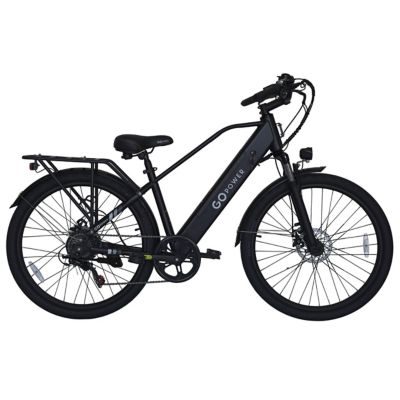
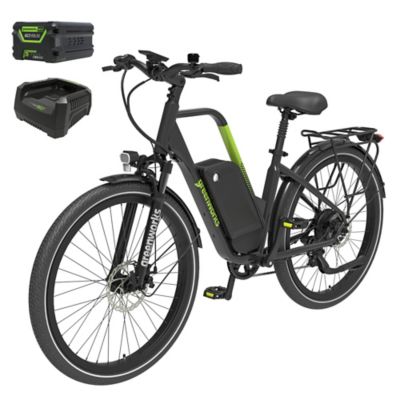
Everyday ownership works best when the bike fits the chores around the ride, too. A removable battery can simplify charging when an outlet is not near the storage area, while an integrated battery may call for bringing power to the bike or moving the whole bicycle. Charging belongs in a suitable location according to the manufacturer’s directions, with the specified charger and an undamaged battery. Independent electrical-system certification is another worthwhile consideration, along with clear instructions for charging, storage, and replacement parts. Battery housings, charging ports, wiring, and displays benefit from regular inspection, and a battery showing damage or unusual behavior needs professional attention rather than another charge. Routine bicycle care still matters: chains need cleaning and lubrication, tires need the specified pressure, and brakes and fasteners need periodic checks. Gentle cleaning that follows the owner’s manual helps protect electrical connections; high-pressure spray can force water into places it does not belong. Access to service is especially helpful for riders who would rather spend their time riding than sorting out electrical faults or drivetrain adjustments. For errands, a rack or basket can make room for a lunch bag or small grocery run, provided the bike, mounting points, and accessory are rated for the load. Total carrying capacity includes the rider, cargo, and attached gear, and loaded handling can feel different from an empty-bike ride. Lights, reflectors, a properly fitted helmet, and a lock all have a place in regular ownership, while a transport rack needs to support the bike’s weight and fit its tires and frame. As a gift for an adult family member, an electric bike with pedals calls for knowing the recipient’s measurements, riding interests, storage space, and comfort with handling a heavier bicycle. For any rider, checking road and trail rules helps keep the planned route within reach. A bike that fits the person, the route, and the daily routine has a better chance of becoming the one that gets rolled out for the next trip.