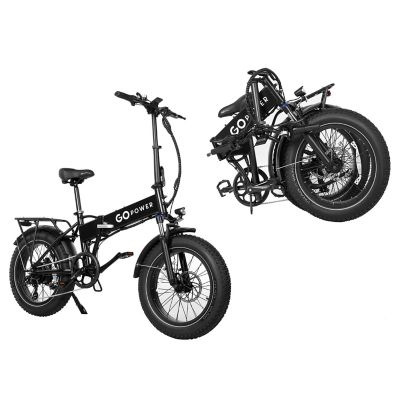
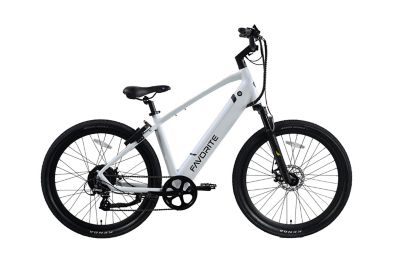
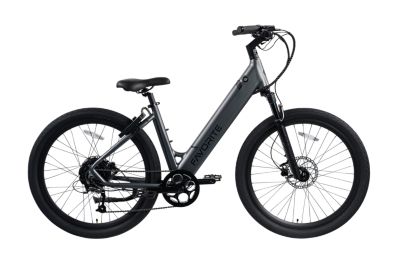
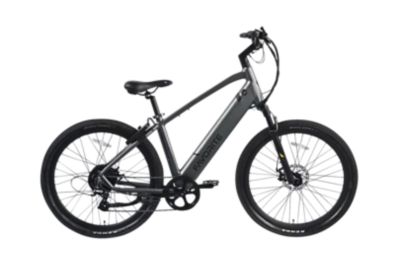
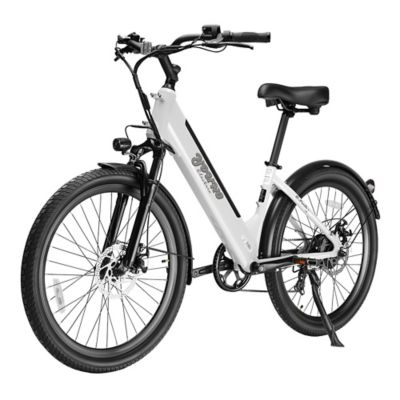
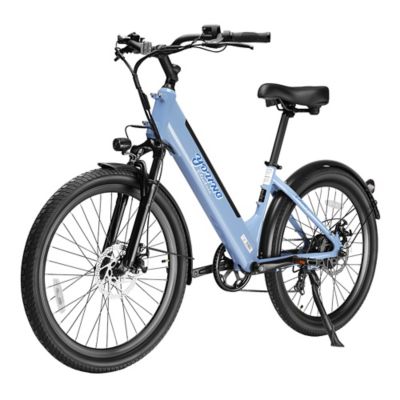
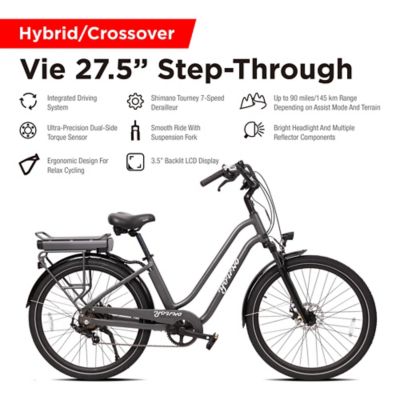
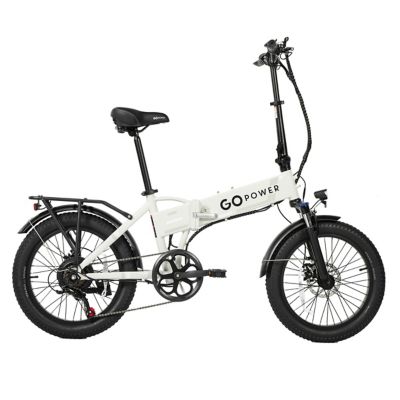
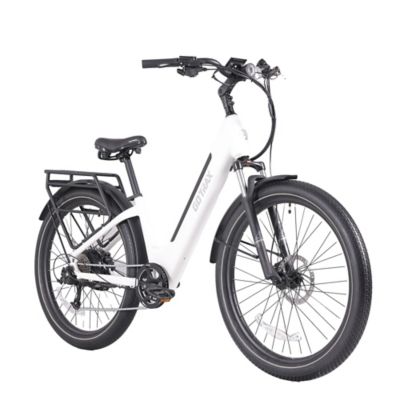
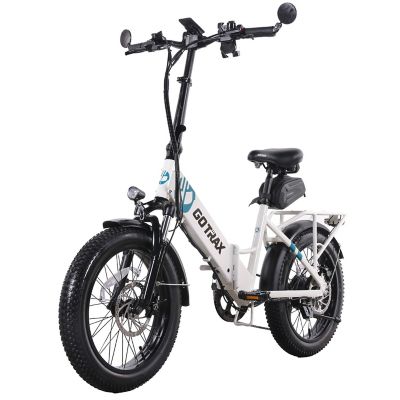
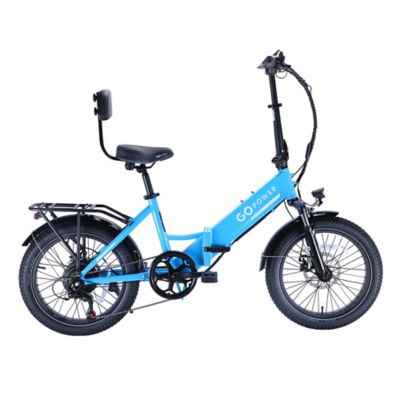
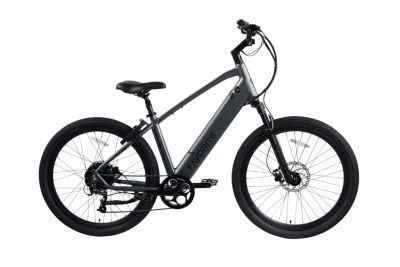
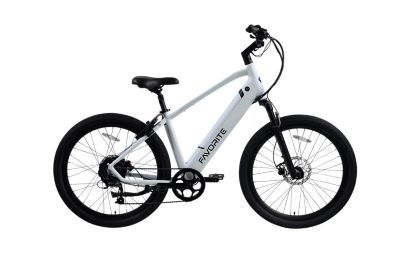
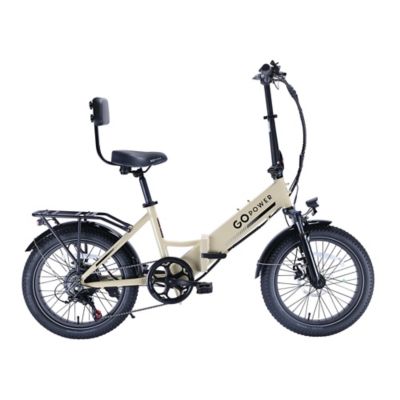
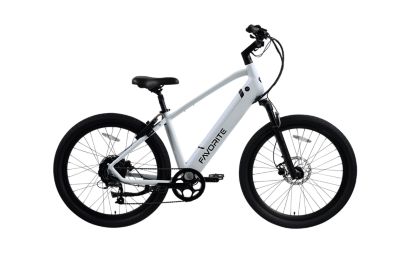
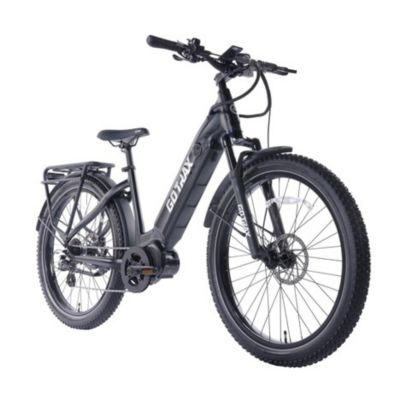
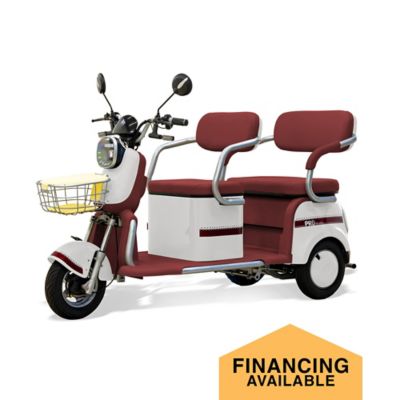
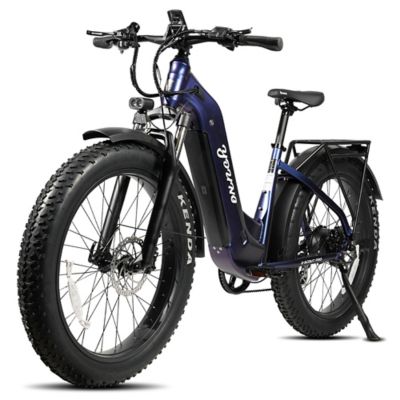
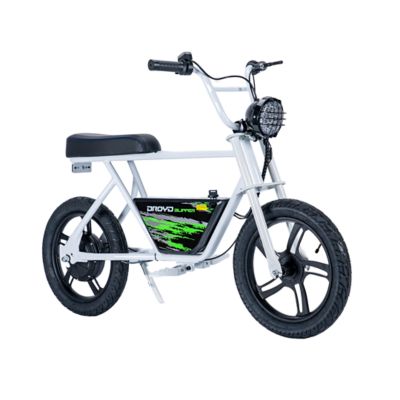
Unisex electric bikes are bicycles with motor assistance and frame designs suited to riders of any gender, with comfort determined by body measurements, riding position, and the bike’s adjustment range. They bring a little extra help to everyday pedaling, whether the trip means rolling from the house to the barn, heading into town for errands, or taking the long way home along a permitted country route. A unisex label does not mean one size fits everybody. Frame size, recommended rider height, weight capacity, and reach to the handlebars still matter, especially when a bike will be shared by two adults. Step-through frames offer a lower opening for getting on and off, which can be handy at frequent stops or with a bag strapped to the rear rack. Step-over frames have a higher top tube and may suit riders who prefer that layout. Neither frame style belongs to one gender. Adjustable saddles and handlebars can help dial in the riding position, but they cannot make up for a frame that is too tall or too long. A comfortable fit leaves room to stop and dismount, keeps brake levers within easy reach, and allows a slight bend in the knee near the bottom of the pedal stroke. Upright handlebars can make casual trips feel relaxed, while a more forward position may appeal to riders covering longer distances. Aluminum frames are common for their balance of weight and resistance to rust; steel brings a different ride feel and generally adds weight. Carbon fiber construction can reduce frame weight, although handling and care requirements still deserve attention. Folding frames offer another option for riders with limited storage space, with folded dimensions and lifting weight affecting how easily the bike fits into a vehicle or shed. Unisex designs belong within the broader
E Bikes for Adults category, where fit and intended use matter more than a gender label.
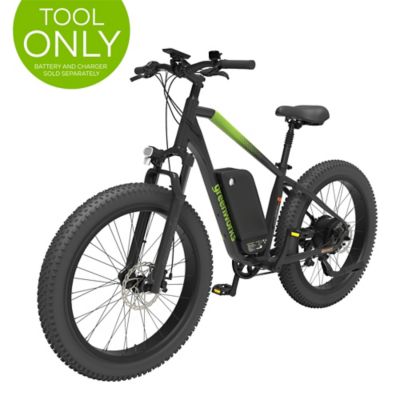
The motor, battery, tires, and brakes shape how an electric bike feels once the wheels start turning. Pedal assistance adds power while the rider pedals, and selectable assistance levels let that support change between an easy stretch of pavement and a climb back toward the house. Some electric bikes also have a throttle that supplies motor power without pedaling, subject to the bike’s design and applicable riding rules. Hub motors drive a wheel directly, while mid-drive motors work through the drivetrain and can make good use of the bike’s gears on hills. Motor wattage is only part of the picture: torque, gearing, rider weight, and the route all influence performance. Battery capacity is commonly expressed in watt-hours, and a larger capacity can support longer trips when other conditions are comparable. Advertised range is an estimate rather than a promise for every ride. Steep grades, heavier loads, frequent starts, higher assistance settings, and tire pressure can all change the distance between charges. A removable battery may make charging more convenient when the bike stays in a garage or outbuilding, while battery placement can affect balance and the space available for carrying gear. Wider tires offer a larger contact patch and can feel steadier on suitable gravel or uneven surfaces, though width alone does not determine traction. Tread pattern, proper inflation, and the surface under the wheels matter, too. Suspension can take some of the sting out of bumps, while rigid forks keep the setup simpler for smoother routes. Brakes deserve attention because an e-bike’s added weight and assisted speed change the demands of slowing down, particularly with a loaded rack. Under the common U.S. three-class system, Class 1 bikes provide pedal assistance up to 20 mph, Class 2 bikes can provide throttle assistance up to 20 mph, and Class 3 bikes provide pedal assistance up to 28 mph. Those are assistance limits, not a guarantee of access; local laws and trail rules determine where each class may travel.
Everyday usefulness often comes down to the smaller details that make a bike fit into the routine. A rear rack can carry a work bag or groceries when both the rack and bicycle are rated for the load, and panniers keep cargo off the rider’s shoulders. The total weight limit generally includes the rider and cargo, with the manufacturer’s specifications explaining how it applies to the bike. Fenders help keep road grit off clothing, lights improve visibility, and a stable kickstand makes parking less of a balancing act. For a trip across a larger property, a basket may keep small supplies close at hand, provided the load does not interfere with steering or braking. An electric bicycle is not a substitute for equipment built to tow heavy loads or cross demanding terrain. Its best role depends on the frame, components, carrying limits, and permitted riding surfaces. Care is much like ordinary bicycle upkeep, with extra attention to the electrical system. Tires need proper inflation, chains need lubrication, and brake pads, cables, fasteners, and folding joints need routine inspection where applicable. Dirt can be wiped away with a damp cloth, while high-pressure spray can force water into bearings and electrical connections. Battery packs need the charger specified by the manufacturer, secure mounting, and storage that follows the maker’s directions. A damaged battery or charging cord calls for service rather than another ride. Certification to UL 2849 addresses the e-bike electrical system, while UL 2271 addresses battery packs; certification claims should match the actual equipment. A properly fitted bicycle helmet, visible clothing, and a lock round out the setup for everyday trips. These bikes can make thoughtful gifts for an adult who enjoys riding or wants another way to cover nearby miles, but the recipient’s measurements, confidence, storage space, and preferred routes matter more than the surprise. For a household sharing one bike, easy adjustments and a fit that works for each rider help turn motor assistance into something genuinely useful.