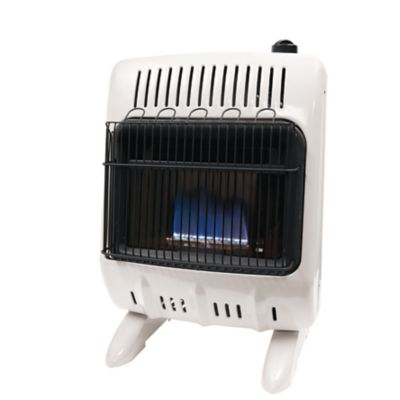
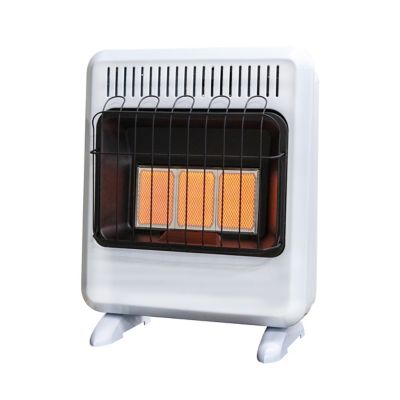
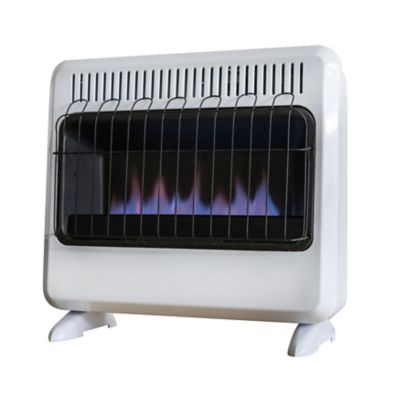
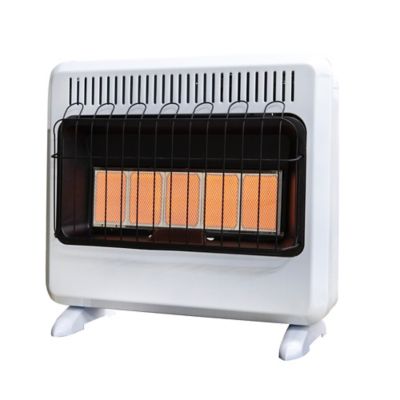
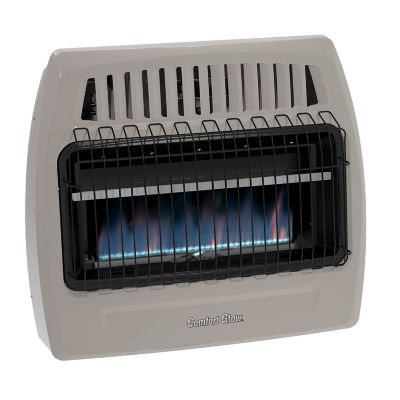
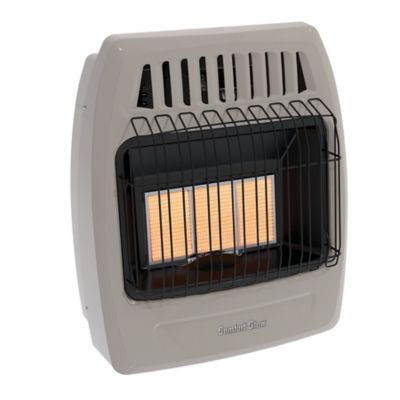
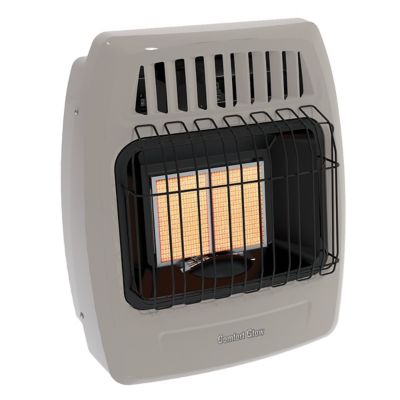
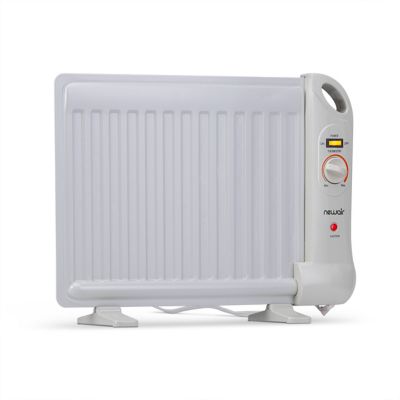
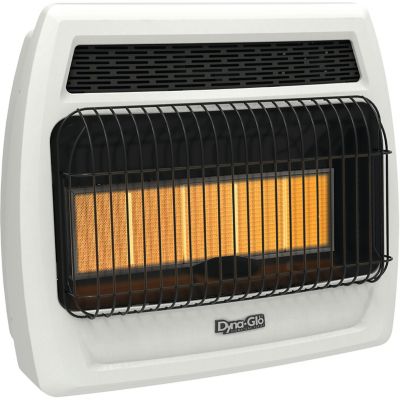
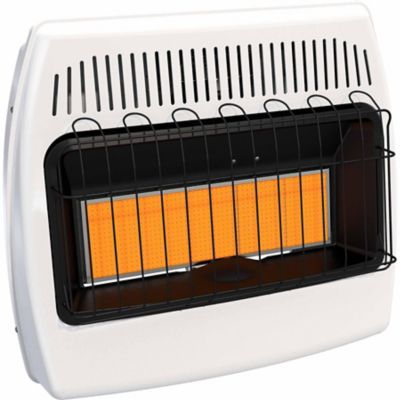
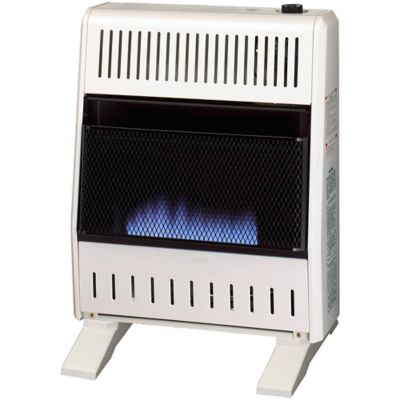
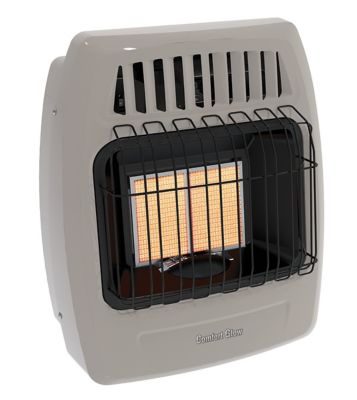
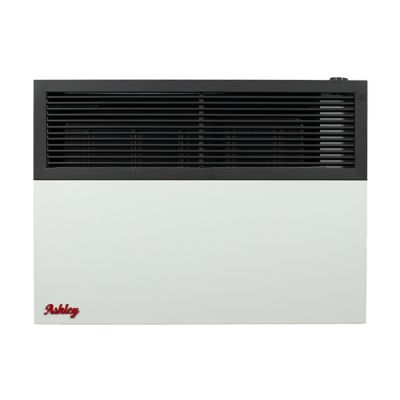
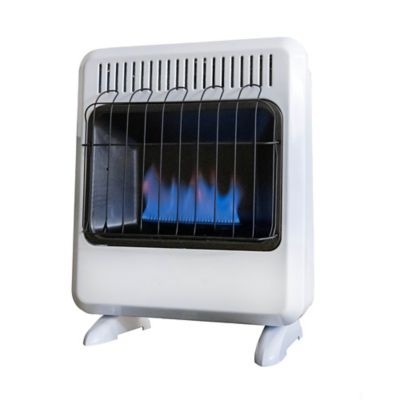
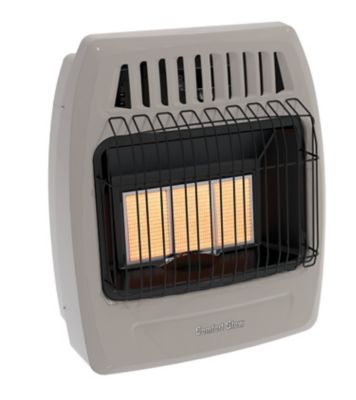
Dual-fuel ventless wall heaters offer a way to add supplemental warmth to an approved living space without running a new chimney or outdoor flue. For a farmhouse den, a drafty sitting room or another permitted area that needs extra heat, the appeal is straightforward: a wall-mounted cabinet leaves more floor space open while putting warmth close to where folks spend time. Dual-fuel capability means a heater can operate on natural gas or propane when configured as its manufacturer specifies, not that both fuels feed it at once or that it automatically switches between them. The right setup depends on the property’s gas supply, required pressure and approved connections, with a qualified gas professional handling installation and any permitted fuel changes. Heating style matters, too. Blue-flame models generally warm circulating room air, while infrared models deliver radiant warmth that can feel more direct near the heater. Neither style makes placement or sizing less important. Heat output is measured in BTUs per hour, but a square-footage rating alone cannot account for tall ceilings, thin insulation, drafty windows or an open doorway leading into another room. A smaller enclosed sitting area and a broad, open living space may need very different heating arrangements even when their floor measurements look similar. Controls range from straightforward heat settings to thermostatic operation, depending on the design. A thermostat can help manage room comfort, although a heater’s location and nearby drafts can affect how it responds. Some models provide basic heat without household electricity, while optional or built-in fans may require power. That distinction matters for a rural home where power interruptions are a concern, but operation during an outage still depends on the heater’s instructions and all normal safety requirements. A fan can help move warm air; it does not increase the burner’s rated heat output or turn a room heater into a whole-house system.
Fit means more than finding an empty stretch of wall. Cabinet width, height and depth need to work alongside the required clearances above, below, in front of and beside the heater. Curtains, upholstered chairs, throw blankets and a basket of firewood cannot crowd that space, even when the heater looks neatly tucked away. The wall construction, mounting hardware and any required backing also need to match the installation instructions. Steel cabinets, protective front grilles and heat-resistant finishes are common construction features, but surfaces can still become hot enough to cause burns. A protective grille is not a cool-touch barrier, so placement deserves extra thought in a home with young children or pets. Controls should remain accessible without reaching across hot surfaces, and the gas shutoff needs to stay within reach as required by code. Ventless heaters release combustion byproducts and water vapor into the room, making adequate combustion air and manufacturer-required ventilation essential. An oxygen-depletion shutoff is a safety feature, not a substitute for ventilation, proper installation or carbon monoxide alarms. Working smoke and carbon monoxide alarms belong in the home according to their instructions and local requirements. Local rules can restrict or prohibit vent-free heaters, and room type, room volume and installation elevation may further limit where a particular model is permitted. Bedrooms, bathrooms and tight enclosed spaces deserve particular caution; no location should be assumed suitable without checking the appliance instructions and applicable codes. These heaters should not run while occupants sleep or when no one is present to monitor them. A living-space heater also is not automatically suitable for a garage, barn or farm shop. Gasoline vapors, solvents, airborne dust and nearby combustible materials can make those settings inappropriate. The intended location needs to be approved for the heater, rather than chosen simply because there is a gas line nearby.
Everyday upkeep and the way a room functions are worth considering alongside heat output. A heater beside the main walkway may get bumped by boots, baskets or furniture, while a location behind a favorite recliner can block both heat circulation and access for service. A suitable installation leaves room for inspection and cleaning without turning the surrounding wall into a storage spot. Dust, lint and pet hair can collect around air openings, so accessible areas need attention at the intervals and in the manner described by the manufacturer. Any permitted cleaning should happen only after the heater is off, the gas supply is shut off as instructed and the appliance has cooled completely. Burner work, gas adjustments and safety-system service belong with a qualified technician; a recurring shutdown or unusual odor is a reason to stop operation and have the cause addressed, not to bypass a control. Periodic professional inspection helps keep attention on gas connections, ignition, burner condition and safe operation. Moisture is another practical consideration because vent-free combustion adds water vapor indoors. Persistent window condensation or dampness calls for attention to ventilation and whether this heating approach suits the space. For a property supplied by an outdoor propane tank,
Propane Gas Wall Heaters provide a related category to explore when comparing fuel compatibility and installation needs. Tank capacity, regulator specifications and delivery access are part of that setup, just as a natural gas installation depends on a properly sized supply line. Fuel flexibility is helpful only when it matches the property and the appliance’s approved configuration. The strongest fit brings together suitable heat output, manageable controls, proper wall clearances and straightforward service access. In a room where folks gather after chores or settle in with a book, those practical details matter more than choosing the largest burner or the smallest cabinet.