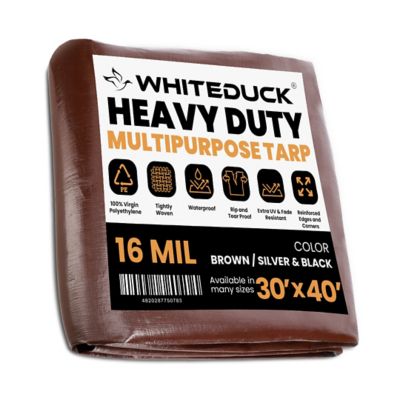
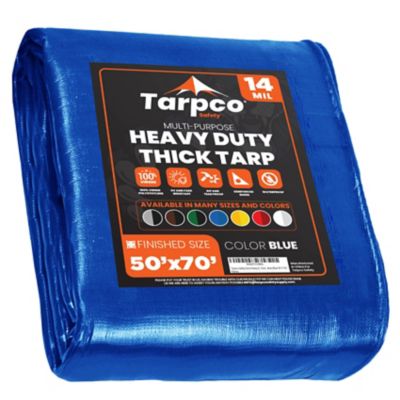
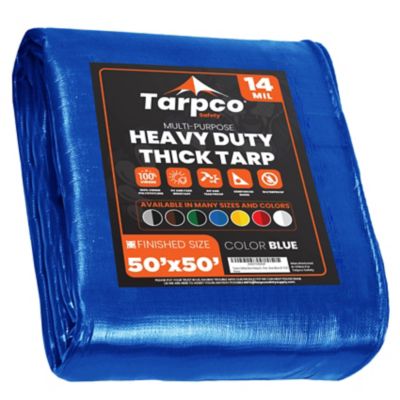
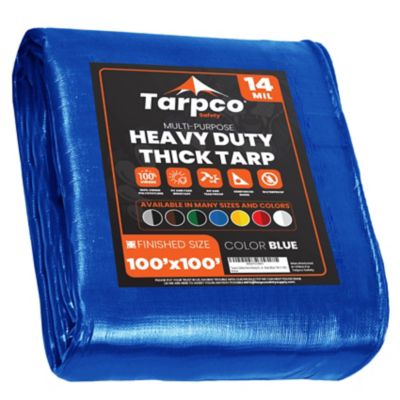
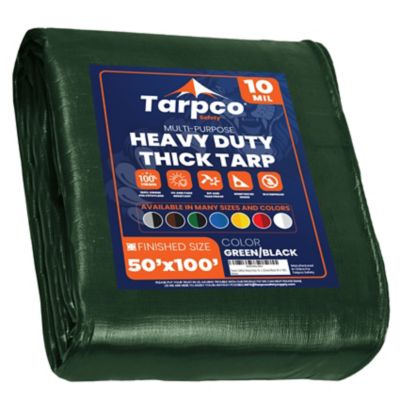
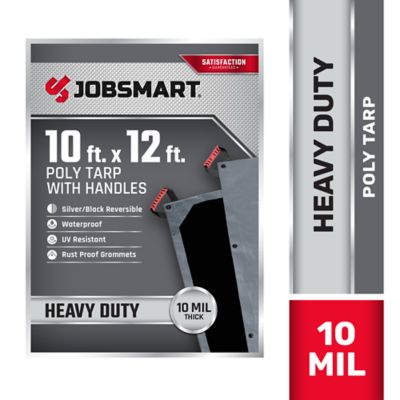
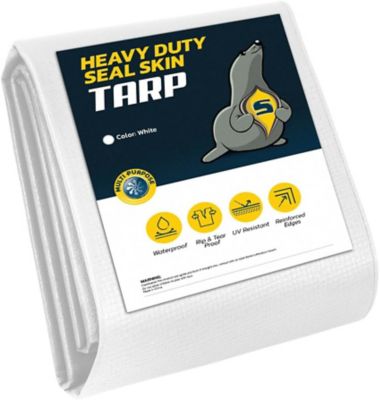
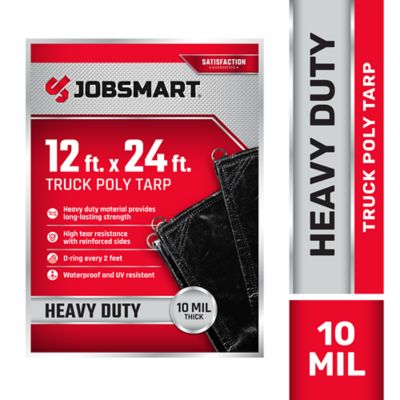
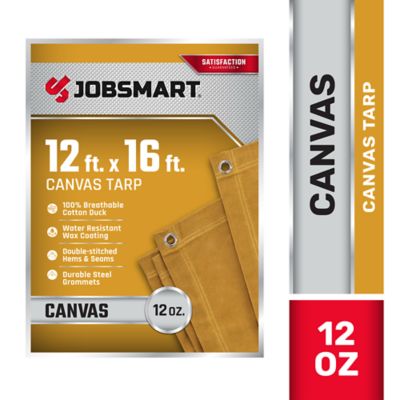
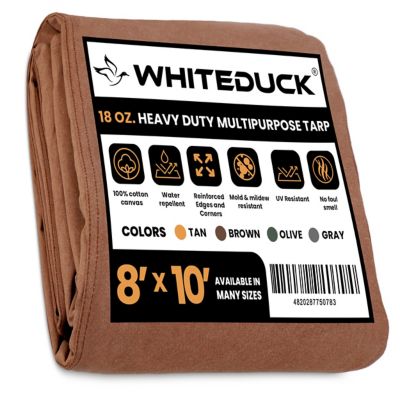
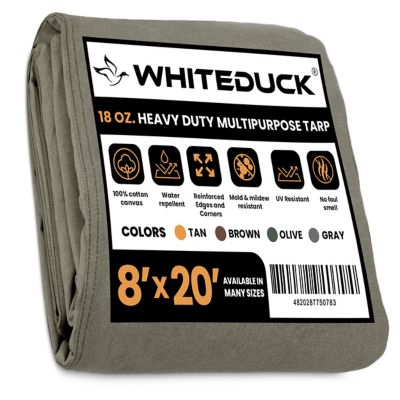
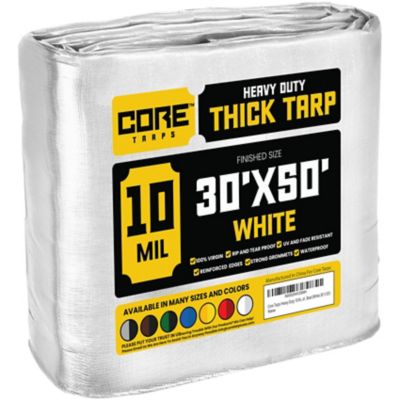
Heavy-duty tarps for construction are tough, flexible covers that help protect building materials, equipment, and work areas from water, dust, sunlight, and everyday jobsite mess. Their performance depends on the fabric, coating, seams, reinforced edges, and attachment points—not thickness alone. A cover over a stack of framing lumber faces different demands than one stretched across a parked mixer or laid beneath a messy demolition project. Woven polyethylene tarps commonly combine a reinforcing weave with a protective coating, making them practical for covering material piles and equipment between tasks. Vinyl-coated fabrics generally bring more weight and abrasion resistance, which can matter where a cover brushes against machinery or gets handled repeatedly. Canvas has a different feel and can allow more air movement, though its water resistance depends on the fabric and treatment. Waterproof and water-resistant are not interchangeable descriptions: a water-resistant cover may shed light moisture without holding back standing water, while a waterproof fabric still needs sound seams and a setup that lets water run off. UV-resistant material helps limit deterioration from sunlight, but even treated fabric needs inspection over time. Thickness, often listed in mils, tells part of the story; one mil equals one-thousandth of an inch. Fabric weight, weave, coating, and reinforcement also affect how a tarp handles pulling, rubbing, and repeated folding. Tear resistance matters around rough building materials, but no flexible cover should be treated as tear-proof. Contractors, remodelers, farm crews, and property owners often need that balance of manageable weight and resistance to wear. A tarp that gets carried from a barn repair to a shed addition should be easy enough to position without dragging it across nails or broken masonry. Heavier material can be helpful for demanding work, but extra weight also changes how much effort it takes to lift, fold, and secure the cover. The best match comes from the actual job: what needs covering, what the fabric will touch, and how often the cover will move.
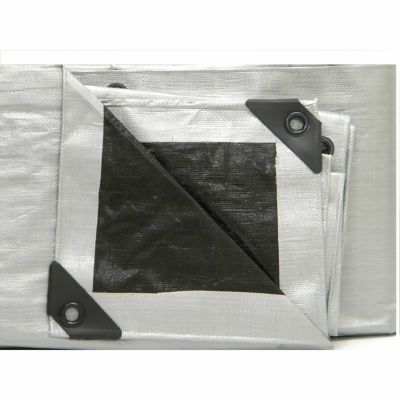
Fit has a big say in how well a construction tarp does its job. The footprint of a lumber stack or piece of equipment is only the starting point; coverage also needs to account for height, overhang, and enough fabric to reach suitable fastening points. A tarp pulled tight across the top of a tall pallet may leave the lower boards exposed, while an oversized cover with loose folds can flap, rub, and collect water. Listed measurements deserve a close look because some dimensions refer to the material before hemming, and finished dimensions may be smaller. Grommet spacing, corner reinforcement, and edge construction help determine where the load from fastening spreads through the fabric. More attachment points can offer flexibility, but grommets are not lifting eyes, and a tarp is not a lifting sling. Fastening works best when tension is spread across several reinforced points rather than concentrated at one corner. Sharp sheet-metal edges, protruding fasteners, and splintered boards can cut through a cover despite substantial fabric; padding those contact areas helps reduce wear. A sloped arrangement encourages rain to drain instead of forming a heavy pocket in the middle. Standing water adds weight that can strain seams, pull out grommets, or bring the whole cover down. Air movement matters, too, especially around lumber and equipment where trapped moisture can cause trouble. A cover that sheds rain while allowing appropriate ventilation can be more useful than one wrapped tightly around every surface. For loads on a trailer or in a truck bed, the covering and the load restraints serve separate purposes: the tarp contains and shields material, while suitable tie-downs secure the load. Temporary roof coverage brings additional concerns involving access, anchoring, and fall hazards, and a general construction tarp is not a finished roofing system. Around a ground-level work area, practical details matter just as much. Loose edges across a walkway create tripping hazards, and a cover stretched near moving equipment needs enough clearance to stay out of belts, wheels, and other moving parts.
Repeated handling puts the seams, corners, and folds to the test, so care makes a real difference in service life. A tarp folded with gritty soil trapped inside can wear against itself each time it moves. Letting loose debris fall away, cleaning according to the material’s care directions, and allowing the fabric to dry before storage help keep it ready for the next job. Mild soap and water suit many coated fabrics, but solvents, harsh cleaners, and aggressive scrubbing can damage certain coatings or treatments. Storage off the ground and away from sharp tools helps prevent small punctures that turn into larger tears under tension. Before another stretch over a material pile, a quick inspection can reveal separating seams, cracked coating, thinning folds, or grommets beginning to pull free. Small damage may be repairable with a patch intended for that fabric, though a patched area should not be assumed to restore the cover’s original strength or water protection. When a cover feels brittle or shows widespread splitting, adding more tension is not a sound fix. For repeated handling around rough materials,
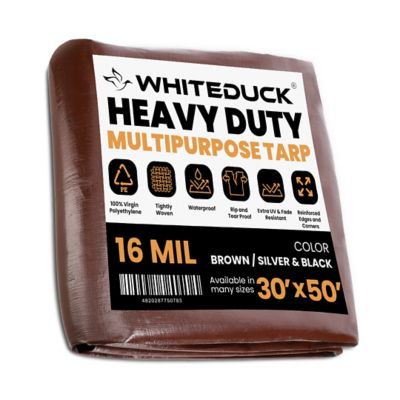
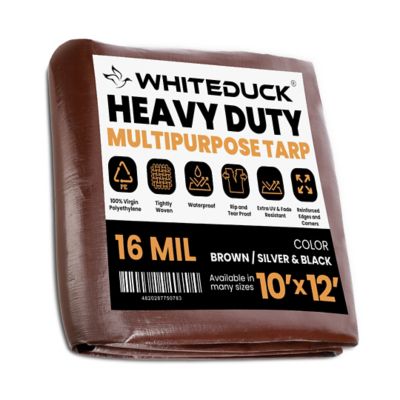
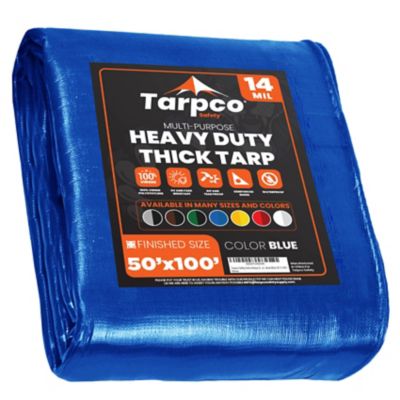
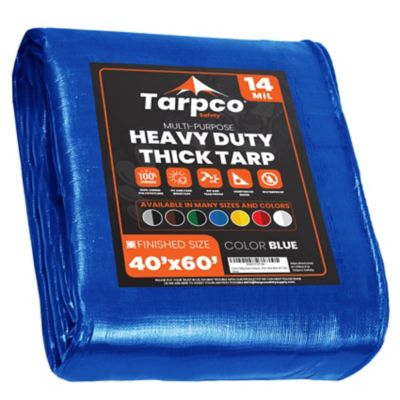
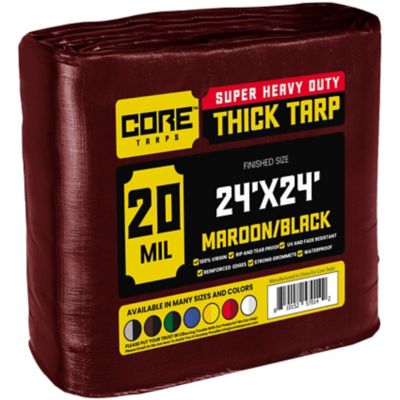
Super Heavy Duty Tarps are worth a look alongside other construction covers, with fabric weight, reinforced corners, and seam construction providing useful points of comparison. Color and opacity can matter as well: a light-blocking cover shields contents from direct light, while a more visible color can help distinguish a covered pile from the surrounding work area. Neither replaces proper barriers, signs, or safe access. Concrete curing and work near sparks require coverings specifically suited to those conditions; an ordinary tarp is not automatically a curing blanket or fire-resistant barrier. Whether the job involves keeping sawdust off stored equipment, shielding bagged materials from splashes, or covering tools between stages of a building project, a well-matched tarp earns its place through sensible coverage, secure attachment, and straightforward upkeep. Those details help keep the work moving without asking the fabric to do a job it was never built to handle.