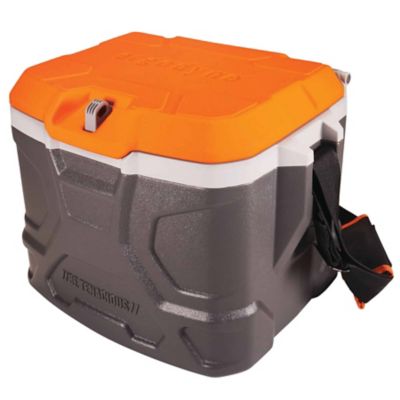
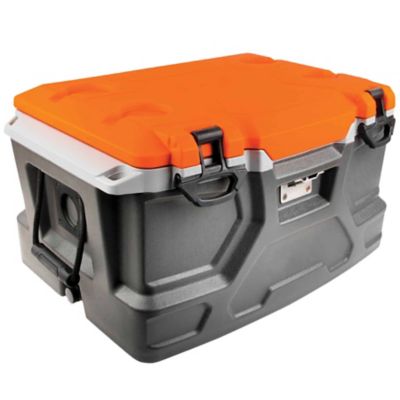
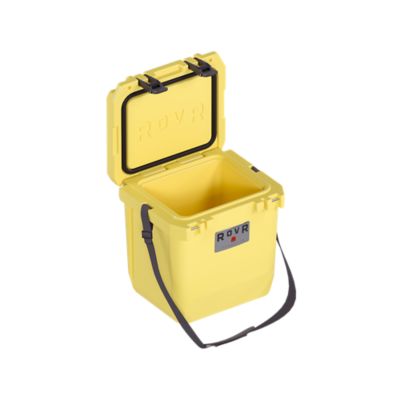
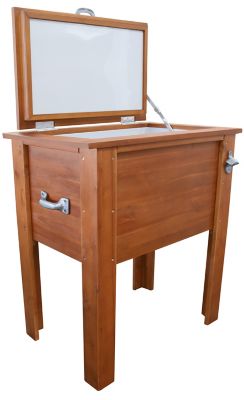
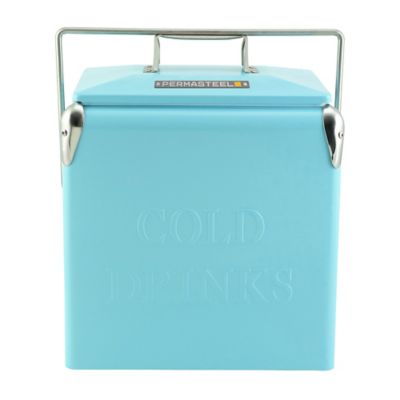
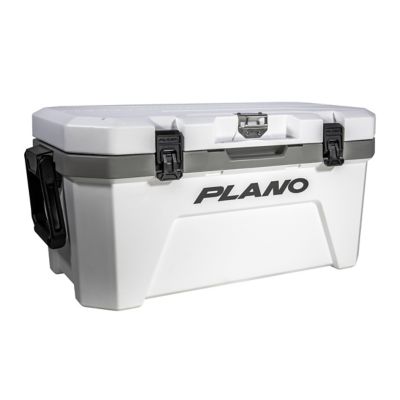
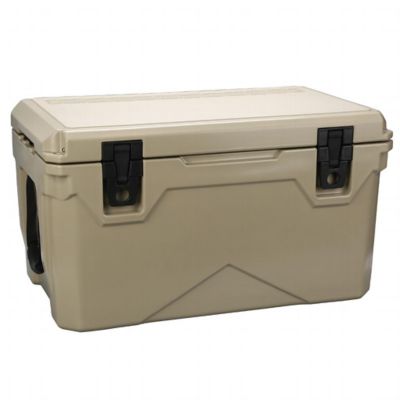
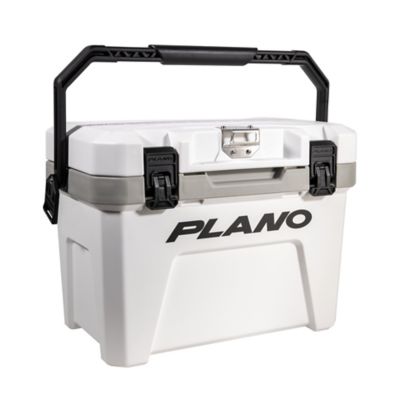
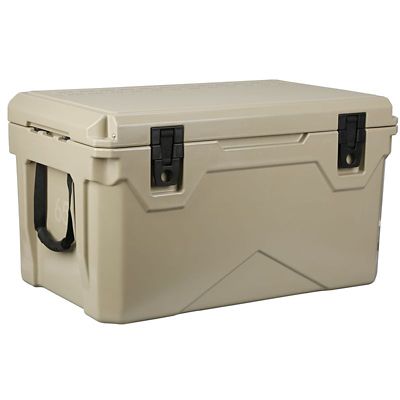
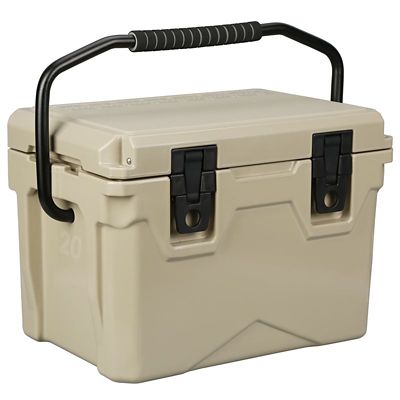
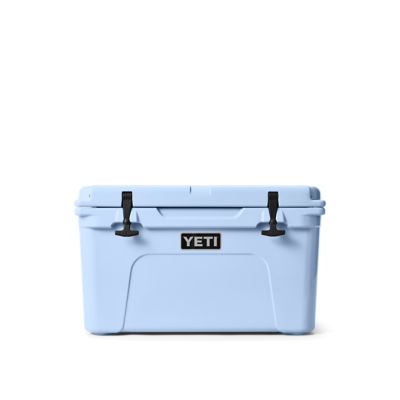
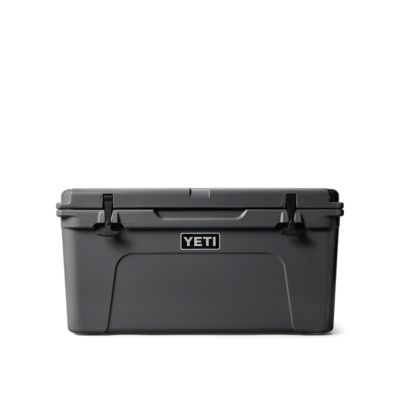
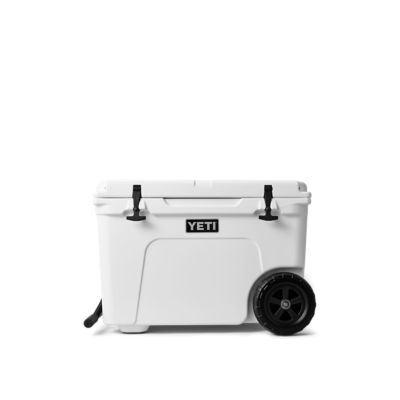
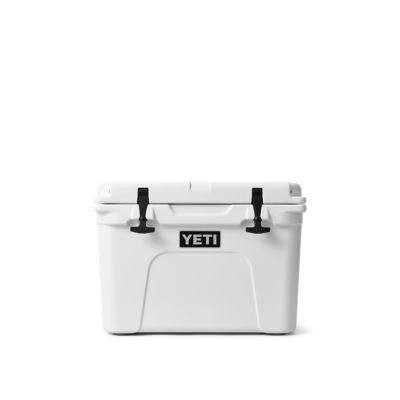
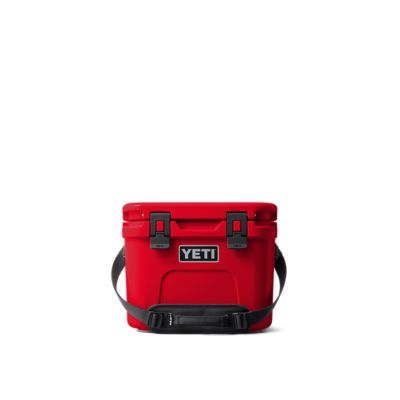
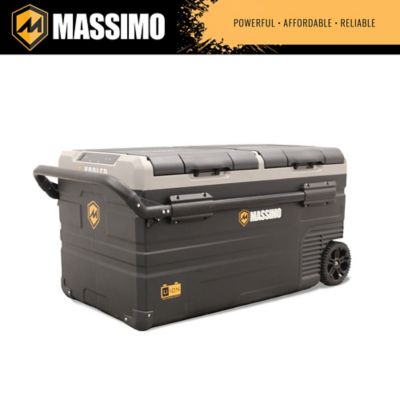
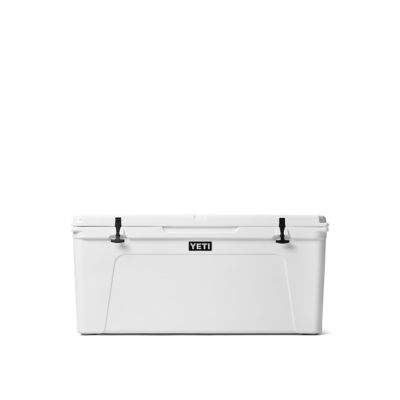
Drink coolers hold beverages for serving and help keep them chilled, with options ranging from insulated ice chests and dispensing jugs to open party tubs and electric beverage refrigerators. The main differences come down to how they cool, how much they hold, and whether they stay put or travel along. Portable coolers rely on insulation and ice or frozen packs, while powered beverage coolers need electricity to maintain their set cooling range. An open tub keeps cans and bottles within easy reach at a gathering, though it generally needs more attention to ice than a closed, insulated chest. A dispensing jug serves water or other suitable drinks through a spigot, making it handy for a work crew, ball team, or family picnic. For a day checking fence lines or hauling supplies, a compact drink cooler can ride along without taking over the truck cab. Larger chests make sense when several people need drinks throughout the day, but the loaded weight matters just as much as the empty size. Ice, water, and a full load of beverages add up fast. Carry handles, shoulder straps, and wheels change how that weight moves from the house to the truck or across a campground. Wheels roll most easily on firm ground, while wide handles leave room for a steady grip. Capacity deserves a closer look, too: a stated can count may assume a particular can size and leave limited room for ice. Interior height matters for upright bottles, and a narrow opening can make loading larger containers awkward. A cooler that fits behind a truck seat still needs enough clearance for its lid to open. For shared outings, a separate drink cooler also keeps frequent beverage stops from opening the cooler holding lunch. That simple division can make a busy tailgate, campsite, or jobsite setup easier to manage, especially when everyone reaches for a drink at a different time.
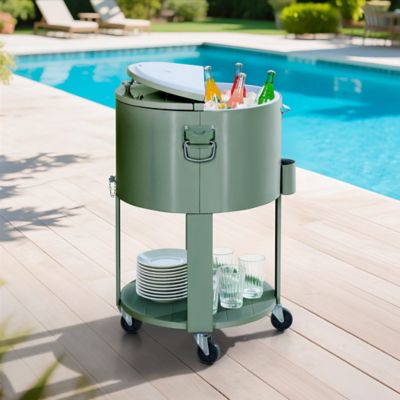
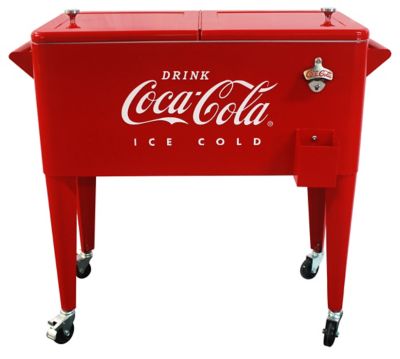
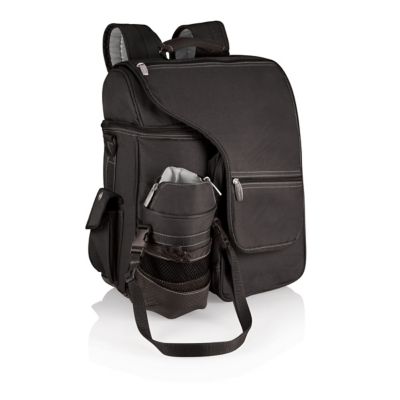
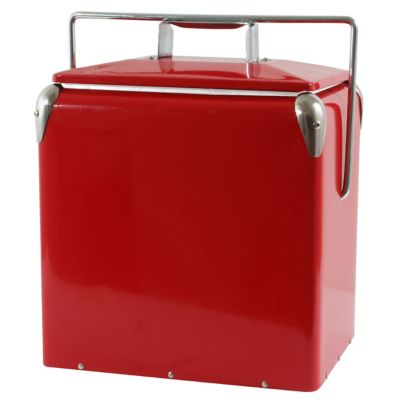
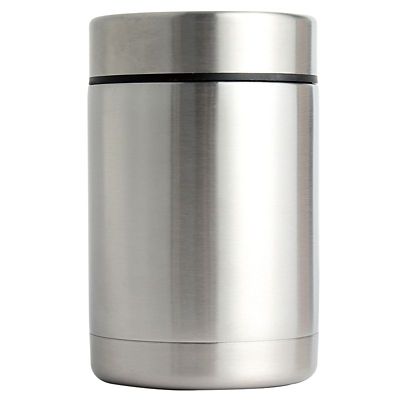
Materials and construction shape how a drink cooler feels, carries, and stands up to everyday knocks. Hard-sided coolers often have molded plastic shells with insulation between the outer body and inner liner. Their firm walls protect the contents and provide structure for hinges, latches, and handles. Soft-sided coolers trade that rigid shell for flexible fabric and an insulated lining, which can make them easier to carry close to the body or tuck into a smaller space. A water-resistant outer fabric does not necessarily mean the whole bag is leakproof; seams, closures, and the liner all play a part. Metal beverage tubs offer an open serving area, while insulated tubs add a barrier that helps slow ice melt. Stainless steel surfaces resist corrosion with proper care, but scratches, trapped moisture, and harsh cleaners can still cause trouble. On any cooler, the parts that get handled most deserve attention: hinge attachment points, latch movement, zipper tracks, handle mounts, and drain plugs. A snug lid and intact seal help limit air exchange, while a drain makes emptying a large chest less of a lifting chore. Cooling performance also depends on packing. Starting with chilled drinks means less ice goes toward cooling the beverages themselves, and keeping the lid closed between stops helps preserve the chill inside. Upright bottles need stable placement so they do not tip against a dispenser fitting or block a drain. After an outing, emptying the contents, washing accessible surfaces with mild soap, rinsing thoroughly, and drying with the lid open helps prevent lingering odors. Spigots and removable seals need attention wherever liquid can collect, following the maker’s cleaning directions. Fabric coolers should dry fully before storage, including seams and folded corners. Keep abrasive scrubbers and strong chemicals away from liners and finishes unless the care directions permit them. A little routine upkeep keeps the next load of drinks from picking up yesterday’s spills.
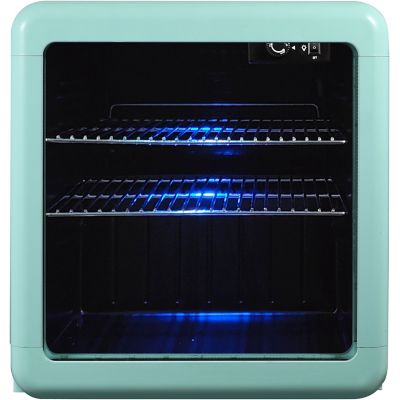
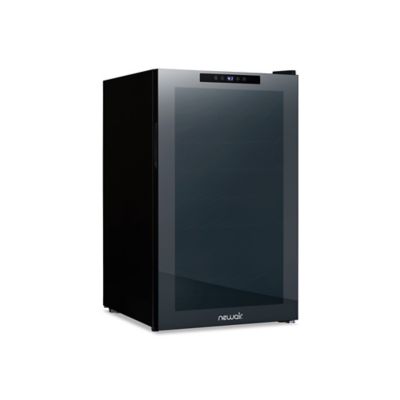
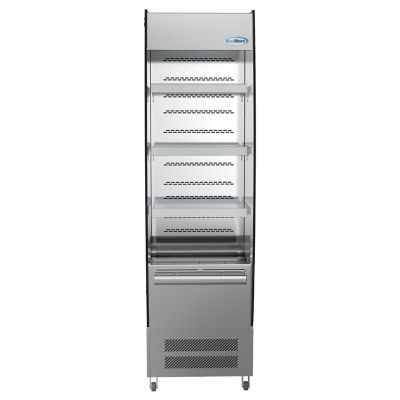
For a kitchen, game room, workshop break area, or gathering space, an electric drink cooler offers a dedicated place for bottled and canned beverages without filling the main refrigerator. Beverage refrigerators generally store drinks on shelves behind an insulated door, with controls that adjust cooling within the appliance’s stated range. Compressor-driven and thermoelectric designs work differently, so operating requirements, sound levels, and placement limits depend on the appliance. Freestanding units need the ventilation space specified by the maker; an appliance should only sit inside cabinetry when it is designed for that installation. Overall dimensions tell only part of the fit story. Door swing, handle depth, access to an appropriate outlet, and space to pull shelves forward all affect everyday use. Adjustable shelves can make room for taller bottles, while fixed racks may favor certain container shapes. A listed capacity is a starting point rather than a promise that every mix of cans, bottles, and cartons will fit the same way. Indoor appliances also belong indoors unless their electrical and installation ratings expressly allow another location. A garage or workshop can have operating conditions outside an appliance’s permitted range, so that rating matters before settling on a spot beside the workbench. For household beverage storage and serving spaces,
Home Coolers is a related category to explore. The best arrangement keeps drinks easy to reach without crowding a walkway or placing an electrical cord where boots and chair legs can catch it. Around a gathering table, a sturdy tub can handle self-serve drinks, while a closed portable cooler nearby holds refills until they are needed. A tray or water-safe surface underneath helps protect furniture from condensation and drips. Drink coolers can also make practical gifts for campers, tailgaters, new homeowners, or folks who regularly feed a crew. Matching the cooler to their space, usual group size, and way of carrying or serving drinks matters more than simply picking the largest one.