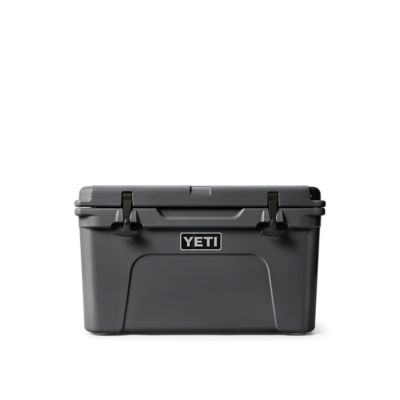
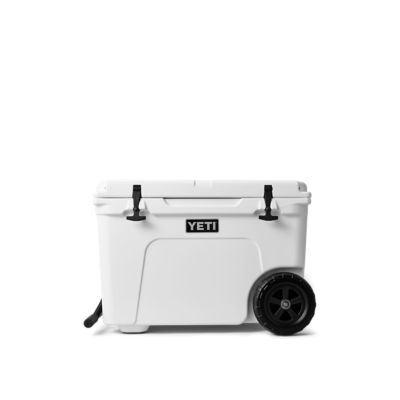
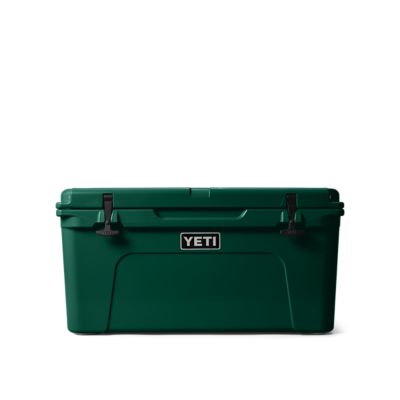
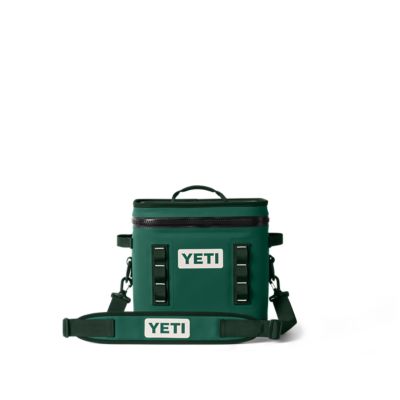
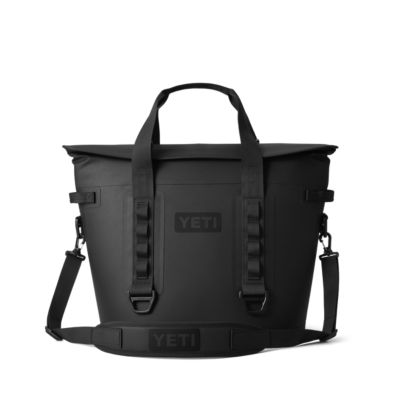
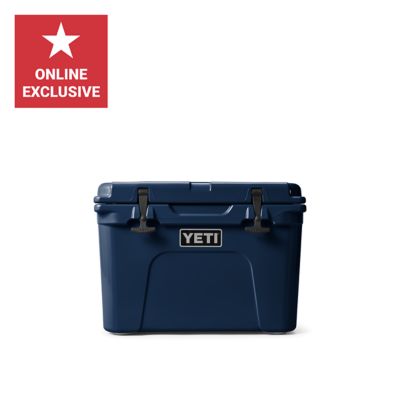
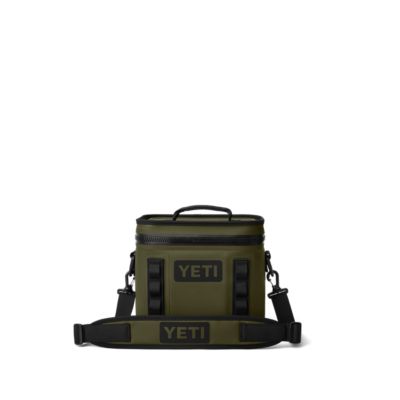
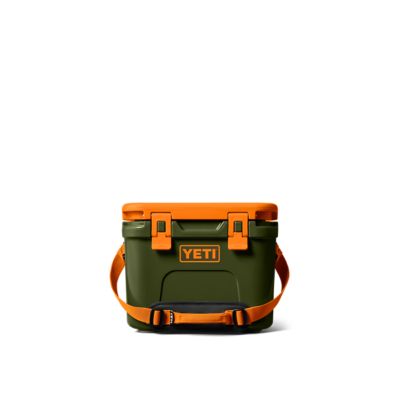
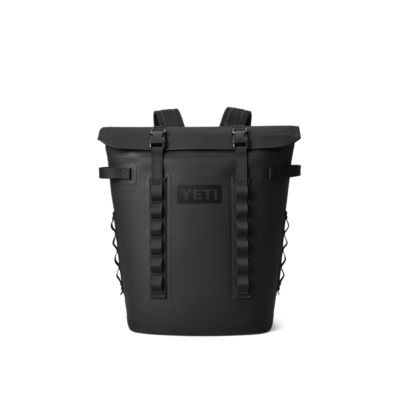
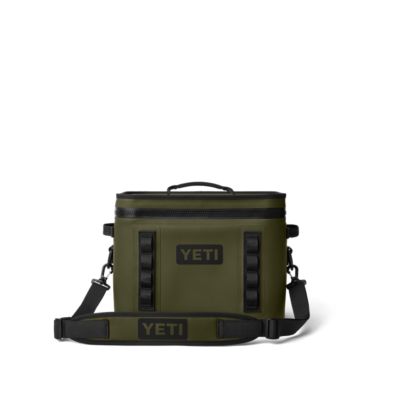
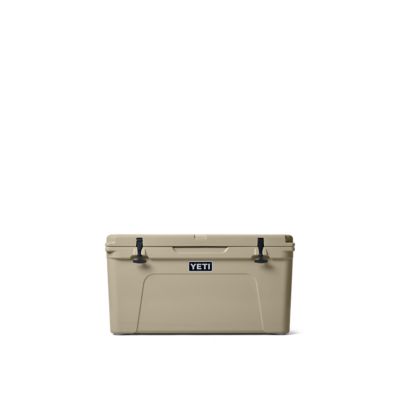
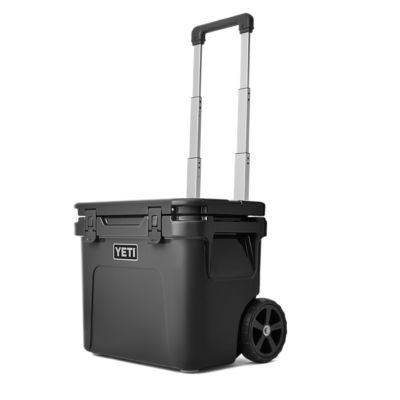
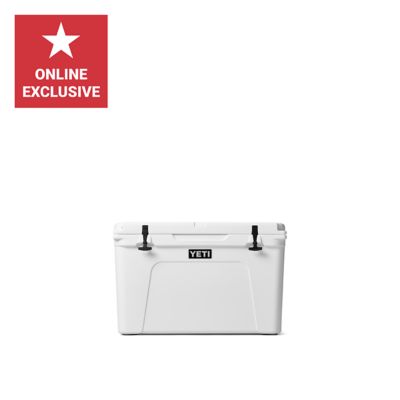
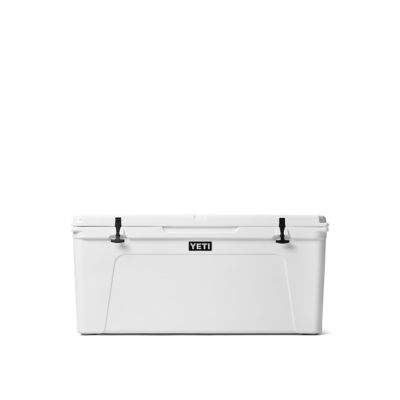
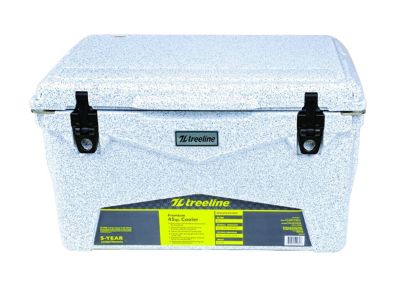
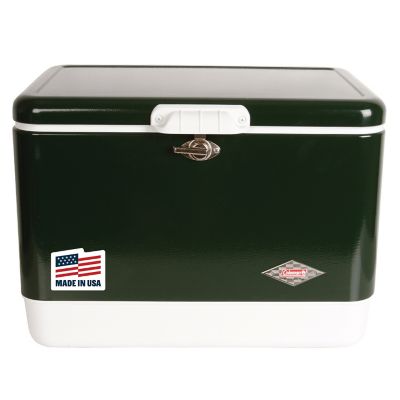
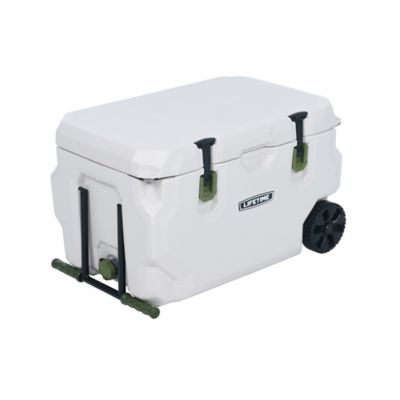
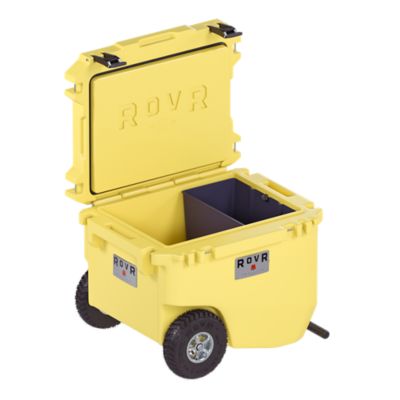
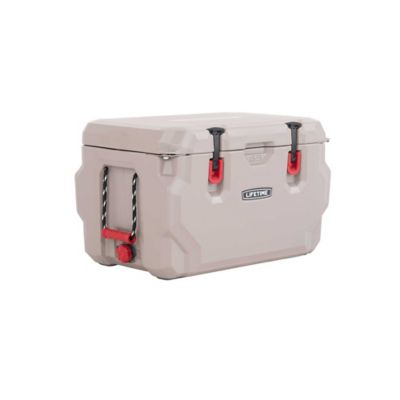
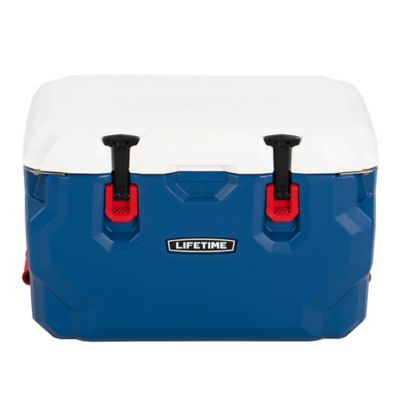
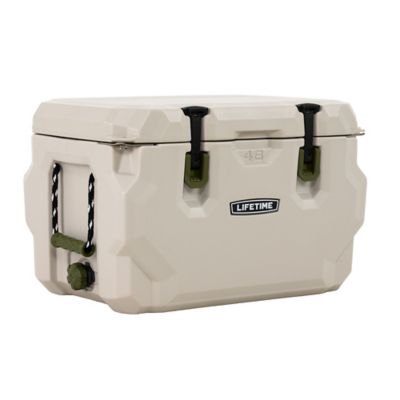
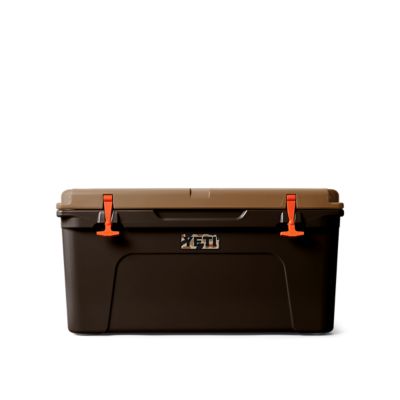
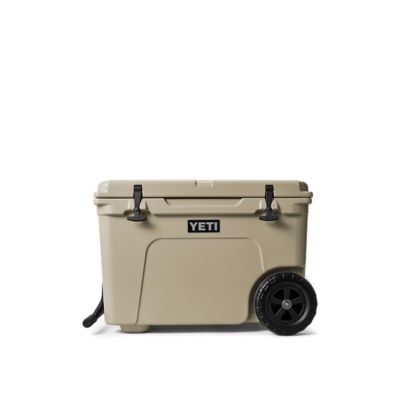
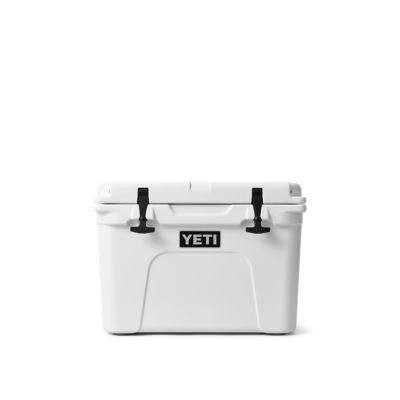
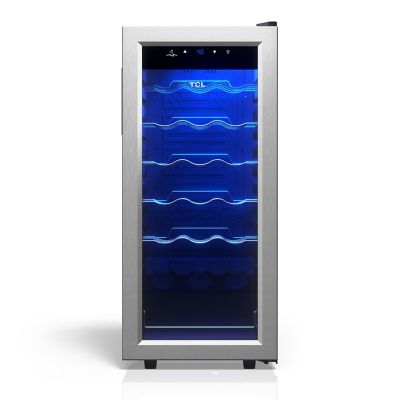
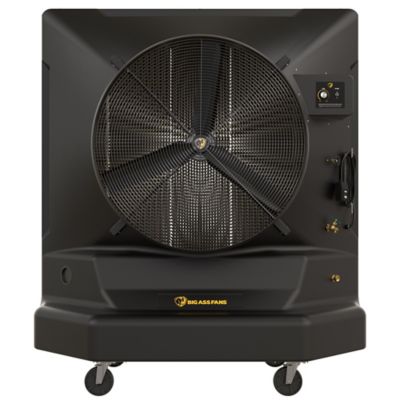
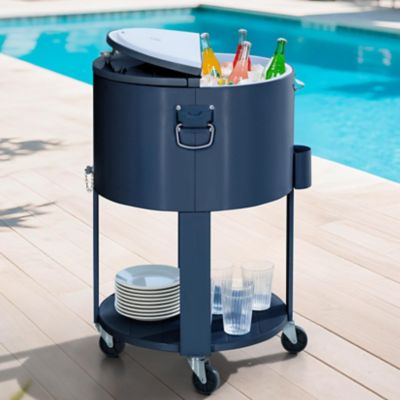
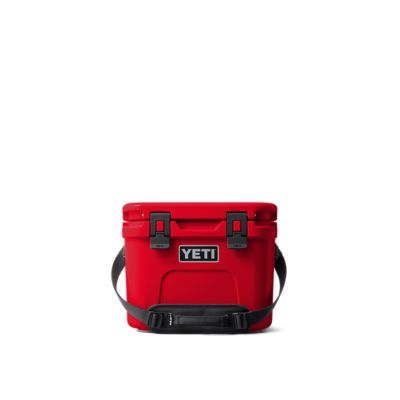
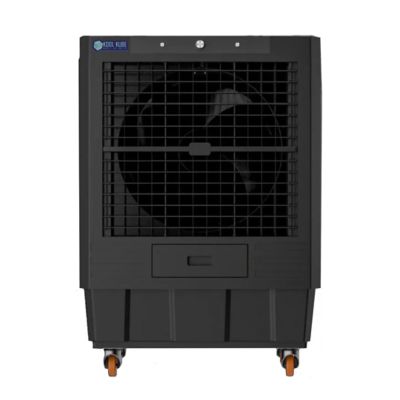
Backyard coolers keep chilled drinks within easy reach of the grill, picnic table, or patio chairs, giving outdoor gatherings a drink station separate from the kitchen. The category includes portable ice chests, raised patio coolers, rolling cooler carts, and cooler tables that combine beverage storage with a surface for setting down a glass. Each format suits a different kind of setup. A chest with carrying handles can travel from the porch to a family picnic, while a wheeled cart makes sense for a gathering area with a firm, level surface. An elevated cooler brings the lid closer to waist height, cutting down on bending when guests reach for bottled water or soda. Some designs also have lower shelves, bottle openers, cap catchers, or side handles, though those features vary by model. Capacity matters, but the number on the label tells only part of the story: ice takes up room alongside the drinks, and tall bottles need enough clearance beneath the lid. A household gathering around the supper table may need less space than a cookout with neighbors coming and going. Interior dimensions, lid shape, and room for upright containers can be just as helpful as the listed quart capacity. For a busy gathering, keeping water and other popular drinks near the top makes them easier to find without a long search through the ice. Separate compartments or removable baskets, when included, can help keep smaller cans from settling beneath larger bottles. The cooler also needs to fit the space around it. On a narrow porch, a lid that opens without bumping a railing can matter more than extra storage underneath. Beside a grill, leaving a clear walking path keeps guests from crowding the person tending supper. A backyard drink station works best when the cooler is easy to reach without becoming an obstacle between the table, chairs, and house.
Materials and construction shape how a backyard cooler looks, feels, and handles everyday wear. Stainless steel gives many patio cooler carts a clean, straightforward appearance, while painted or powder-coated steel offers a wider range of finishes. Metal exteriors still benefit from attention to scratches, joints, and fasteners, especially around places where water can collect. Molded resin housings are another common option, and woven-look panels can blend with patio seating while enclosing an insulated tub. Wood accents bring a more natural finish, but their care requirements may differ from those of the liner or metal frame. Inside the cooler, a smooth plastic liner makes spilled drinks and loose ice easier to clear out. Insulation, lid fit, and the way the lid closes all contribute to keeping contents cold; a thick-looking outer wall alone does not tell the whole story. Starting with chilled beverages and keeping the lid closed between trips helps the ice serve its purpose longer. For rolling backyard coolers, pay attention to the wheels as well as the tub. Small casters generally roll more easily across smooth concrete or decking than across gravel, grass, or gaps between pavers. Larger wheels may handle uneven surfaces better, but a full cooler can still be heavy and awkward to move. Check the stated weight limits, handle placement, and wheel-lock design before deciding where a cart will live. Locking casters help hold it in place during serving, but they do not replace a level footing. Drain plugs deserve a close look, too. An accessible drain makes emptying meltwater simpler, particularly on a raised cart that would be difficult to tip. Shelf clearance, lid hinges, and removable parts also affect everyday convenience. A lower shelf can hold unopened drinks or serving supplies, provided everything stays within the maker’s load limits. The lid should not double as a seat or work surface unless the design specifically supports that purpose.
Care is usually straightforward, but small habits make a difference over time. After a gathering, remove leftover drinks, drain the water, and wipe the interior with mild soap and a soft cloth according to the maker’s directions. Rinse away residue and let the tub dry fully before closing it for storage. Sugary spills can linger around drain fittings, lid seams, and bottle openers, so those spots deserve an extra pass. Avoid harsh cleaners or abrasive pads unless the care instructions allow them; a cleaning method suited to a plastic liner may not suit a painted frame, wood trim, or stainless steel panel. Check wheel hardware, handles, and hinges from time to time, and address loose fasteners before the next move across the patio. A properly fitted cover can help keep dust, leaves, and other debris off the exterior, but it should go over a clean, dry cooler rather than trap moisture inside. Storage needs matter even when the cooler stays close to home. Measure the doorway or shed entrance if the cart will be tucked away between gatherings, and allow room for handles that extend beyond the body. For a drink station near the workbench instead of the patio,
Garage Coolers are another option to consider. Backyard coolers can also make practical gifts for folks who enjoy hosting family meals, tending the grill, or spending an evening around the picnic table. The best match reflects how that person entertains: easy carrying for someone who moves between gathering spots, raised storage for a regular patio host, or a compact footprint for a porch with limited room. A finish that works with existing chairs and tables helps the cooler feel like part of the setup without making appearance the only deciding factor. Enough space for ice, comfortable access, manageable cleanup, and a sensible place to park it are what turn a cooler into a useful part of everyday backyard living.