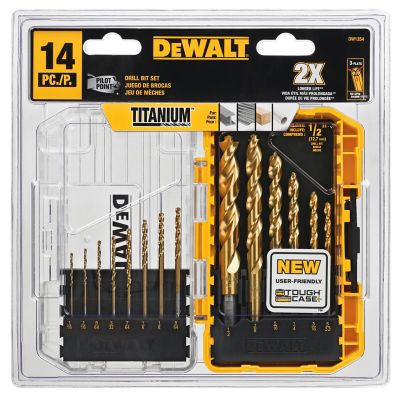
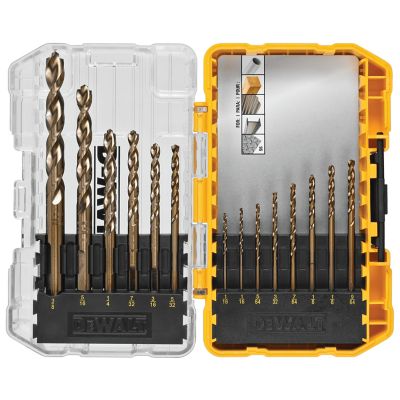
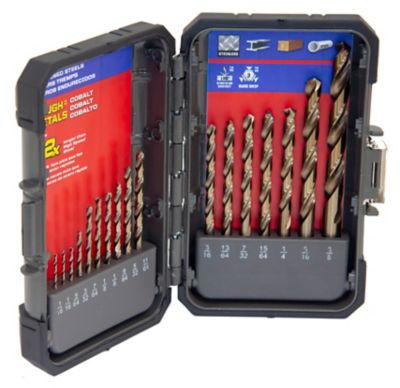
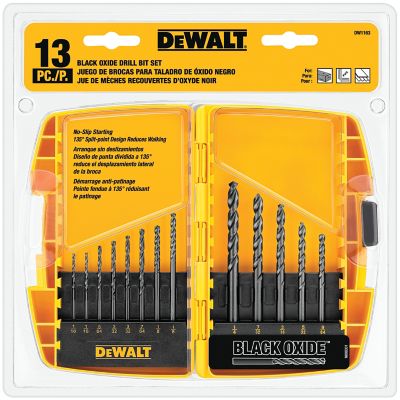
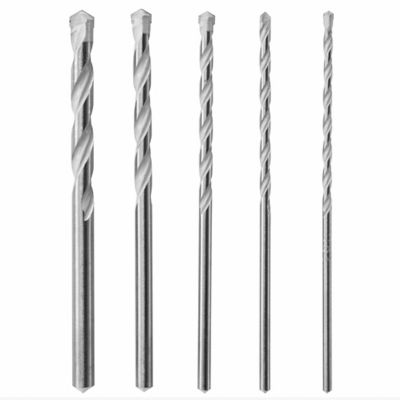
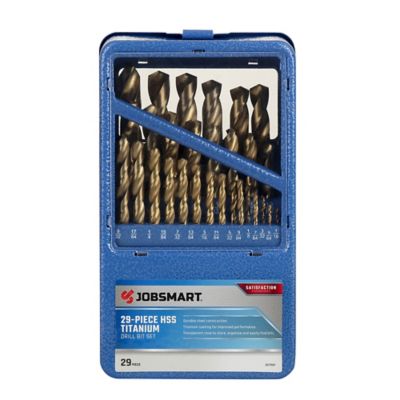
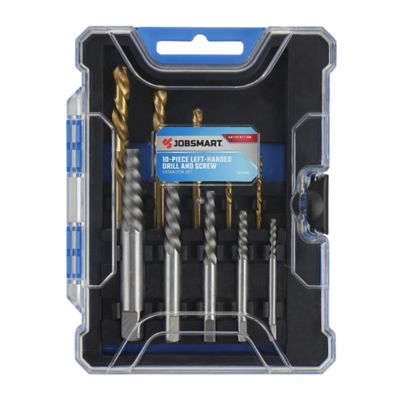
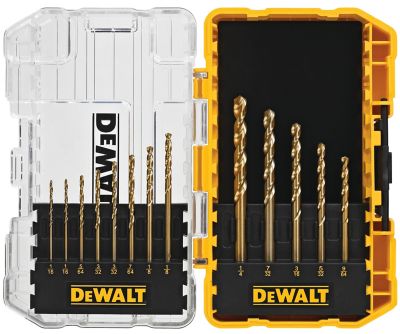
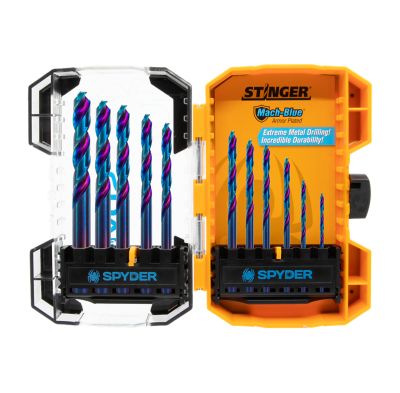
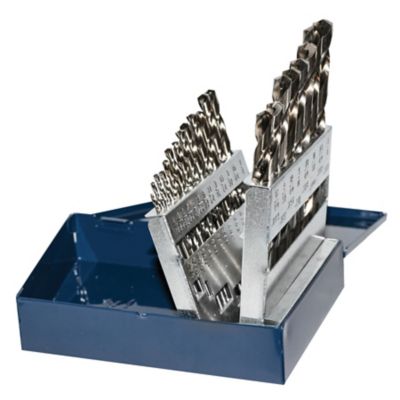
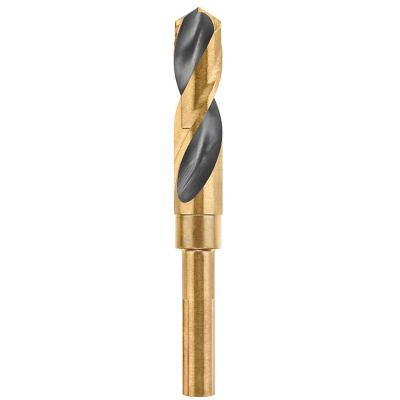
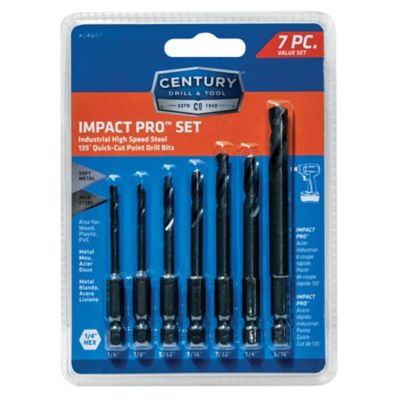
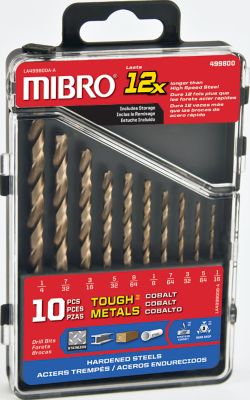
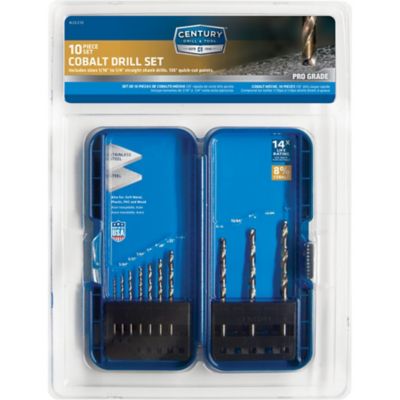
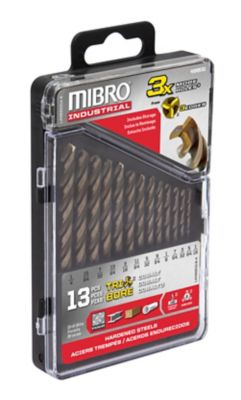
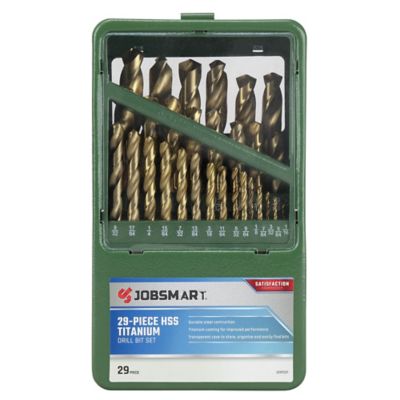
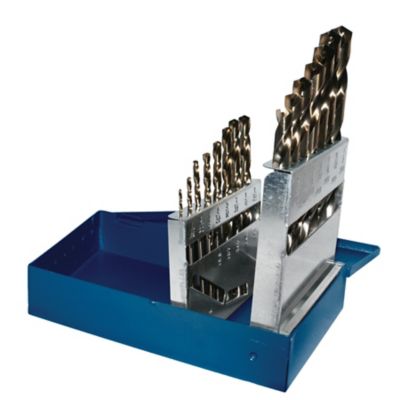
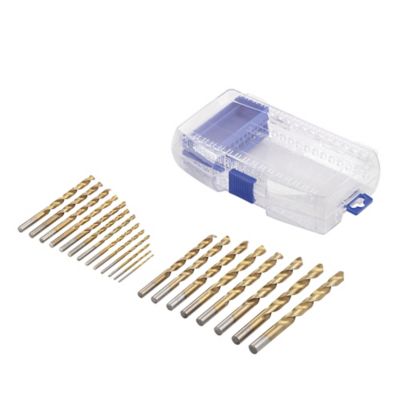
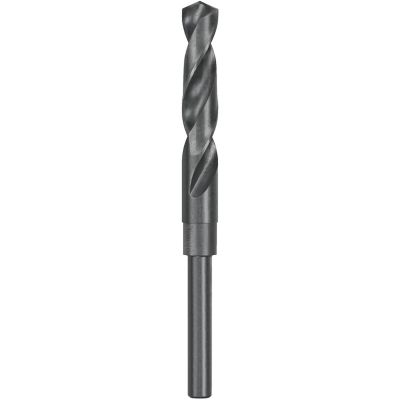
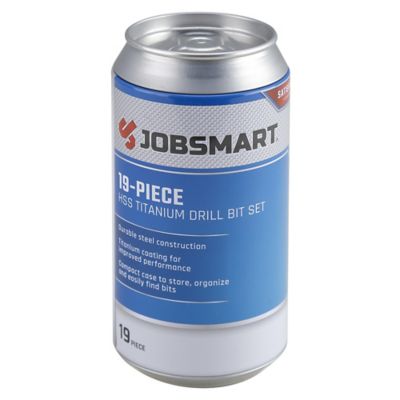
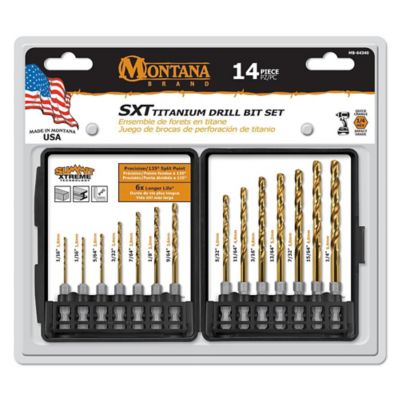
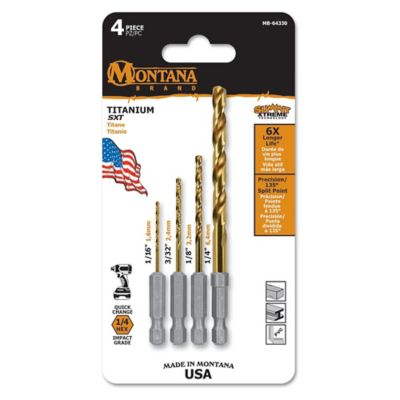
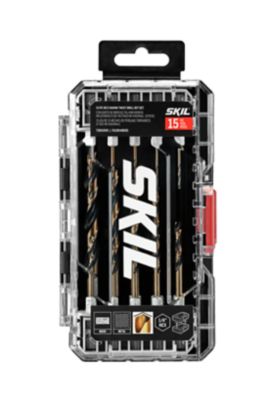
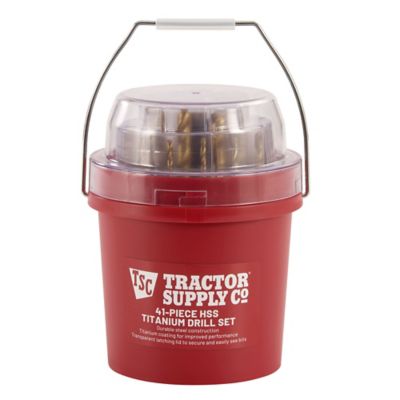
Drill bit sets for metal give you a range of sizes for jobs around the farm, shop, garage, and home, whether you are repairing a gate, adding mounting holes to a steel bracket, replacing hardware on a trailer, or building a workbench from angle iron. Unlike drilling into wood, metal work calls for bits made to handle friction and heat without dulling too quickly. High-speed steel, often called HSS, is a dependable choice for general-purpose drilling in mild steel and other common metals. Black oxide HSS bits add a little more wear resistance and are a practical option for everyday shop work, especially when you need one set that can handle more than one material. Cobalt bits, including M35 and M42 grades, are built for tougher work and hold their cutting edge better under high heat, making them a strong choice for stainless steel and harder metals. Titanium-coated bits can help reduce friction and are well suited to softer metals such as aluminum, copper, and brass, though the coating will eventually wear away if the bit is sharpened. When comparing sets, check the size range, the number of pieces, and the measurement system. A fractional-inch set covers many common fastener sizes, while a metric set is useful for imported equipment, automotive repairs, and machinery with metric hardware. Sets with smaller increments give you more flexibility when a hole needs to match a particular bolt, screw, rivet, or threaded insert. For many repairs, jobber-length bits offer a useful balance of reach, strength, and control. A 135-degree split point can help keep the bit from walking across a smooth metal surface when you begin drilling, which is especially helpful on round tubing, sheet metal, and finished brackets. A sturdy metal or heavy-duty plastic index case also matters more than it may seem. It keeps small bits from rolling under a workbench, helps you spot a missing size before heading out to the field, and makes it easier to return each bit to its proper place after a long afternoon of repairs.
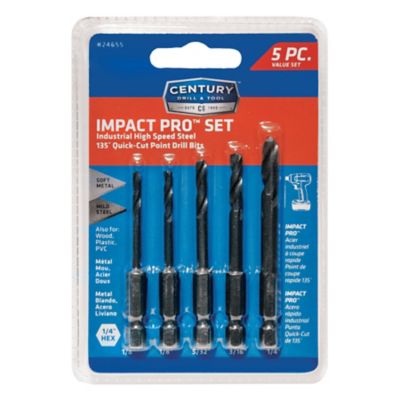
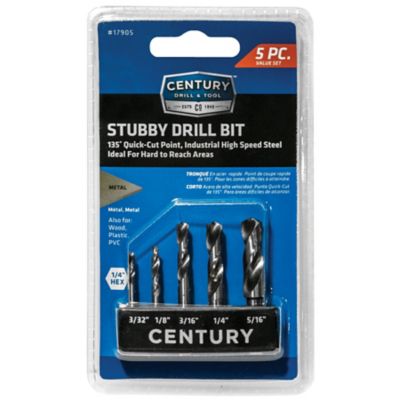
The best drill bit set depends on the metal, the thickness of the material, and the kind of work you do most often. Softer sheet metal and aluminum generally call for a sharp bit, steady pressure, and a slower speed than you might use on wood. Mild steel, plate, and heavier brackets may need more time, cutting oil, and a bit with enough durability for repeated use. Stainless steel deserves extra care because it can work-harden when a bit spins too fast or rubs without cutting. Use a sharp bit, keep the drill moving at a controlled speed, and apply firm, even pressure so the cutting edges stay engaged. Cutting fluid or drilling oil helps carry heat away and can extend bit life; a few drops are often enough for a small hole, while deeper or repeated drilling may call for more. Start with a center punch to create a small dimple, then let the tip settle before applying full pressure. For larger openings, step up through several sizes instead of forcing a small bit to do all the work at once. Clamp the material securely, support thin sheet metal, and clear chips with a brush rather than your fingers. Safety glasses are essential, and gloves should be used with care around rotating tools because loose material can catch. Bits become hot during use, so allow them to cool before handling or putting them away. A set with clearly marked sizes, secure shanks, and a case that opens easily is handy for a working farm, maintenance truck, fabrication bench, or home toolbox. Standard round-shank sets fit most drills and drill presses, while
Hex Shank Drill Bits For Metal are convenient when you want quick changes in a compatible driver or impact-style tool. Always confirm the chuck or collet requirements before purchasing, since not every drill accepts every shank style.
A well-chosen set can be useful for a wide range of people, from a first-time homeowner learning to maintain a property to an experienced mechanic who keeps spare bits close at hand. Farmers and ranchers may use them for fence repairs, livestock equipment, gates, feeders, and machinery guards, while construction workers and tradespeople can reach for them when installing hardware, drilling brackets, or modifying a piece of equipment on site. They are also helpful in an automotive or small-engine shop, where holes may need to be cleaned up or enlarged during a repair. For a handy friend, new homeowner, college student setting up a workshop, or family member who enjoys restoring old equipment, a drill bit set makes a practical gift because the sizes can be used across many projects instead of being limited to one task. Look for a set that matches the recipient’s tools and experience. A compact assortment may be enough for occasional household repairs, while a larger index with both common and less-common sizes can save extra trips to the hardware aisle for someone who works on machinery every week. When the weather warms, a metal drilling set can earn its place during outdoor projects such as reinforcing a gate, repairing a trailer, or adding hardware to a shed. During the cooler months, it is just as useful at an indoor workbench for maintenance, fabrication, and getting equipment ready for the next season. Keep bits dry, wipe away metal dust and cutting fluid after use, and replace any bit that is chipped, badly worn, or no longer cuts cleanly. Choosing the right material, point style, size range, and storage case helps make each hole cleaner and each repair a little less frustrating.